

There are few sounds more unsettling to a gardener than hail hitting the roof while tender seedlings stand defenseless in the garden below. I personally go through this every year and last year we had an exceptionally bad storm that wiped out most of my garden in June. I was devastated to say the least. Some of my plants recovered and others struggled the rest of the season. After that, I vowed I'd never let it happen again.
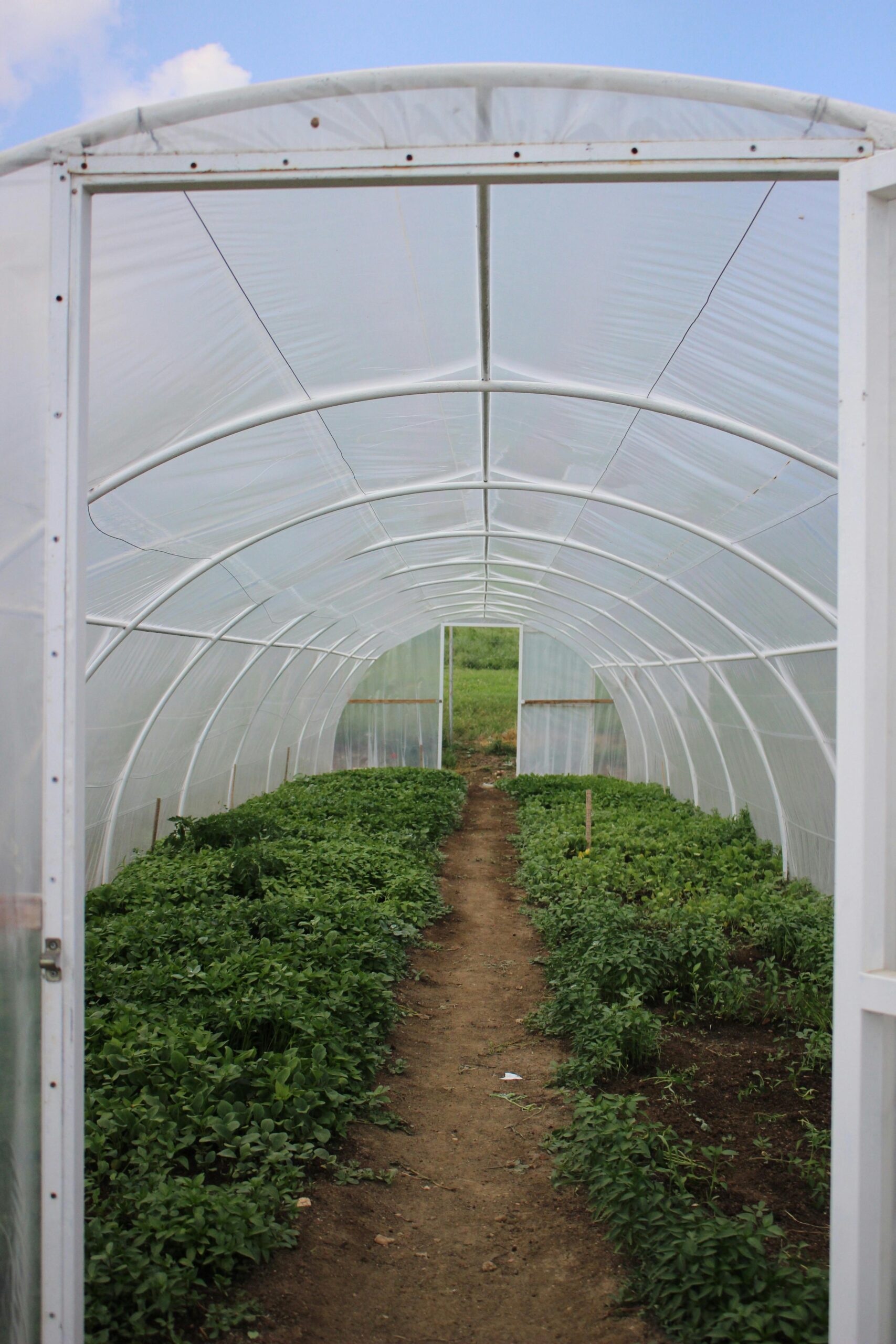
Hail can shred leaves, bruise fruit, snap stems, and flatten entire rows in minutes. But while we can’t control the weather, we can prepare wisely. With a little planning and a few practical systems in place, you can significantly reduce hail damage and help your garden recover quickly.
If you’ve been searching for how to protect your garden from hail, this guide will walk you through simple, effective strategies both before and after the storm.
My sourdough was flat and business was slow

When I first started homesteading, my sourdough was dense and flat, my garden struggled, and it seemed like I was scrambling to get people to notice my business, let alone, buy my products. And for a time, I burnt out.
After years of trial and error, analyzing hundreds of businesses from other sectors, and just pure grit...
I created a free Zero to Homestead Skool Community: a place where homesteaders of all levels share wins, troubleshoot challenges, and get guidance from experienced peers. By joining, you’ll access step-by-step guides to build traditional skills (sourdough, fresh milled flour, traditional foods, preserving, livestock, gardening, and more) plus full courses, workshops, and homestead business-building resources with a supportive network to help your homestead thrive.
Why Hail Is So Damaging to Gardens
Hailstones act like ice bullets. They tear leaves and flowers, break stems, bruise developing fruit, compact soil, and stress plant root systems
Young plants and leafy greens are especially vulnerable. But even mature crops can suffer serious setbacks without protection.
How to Protect Your Garden from Hail Before It Hits
Preparation is your strongest defense.
1. Install Low Hoops with Row Cover
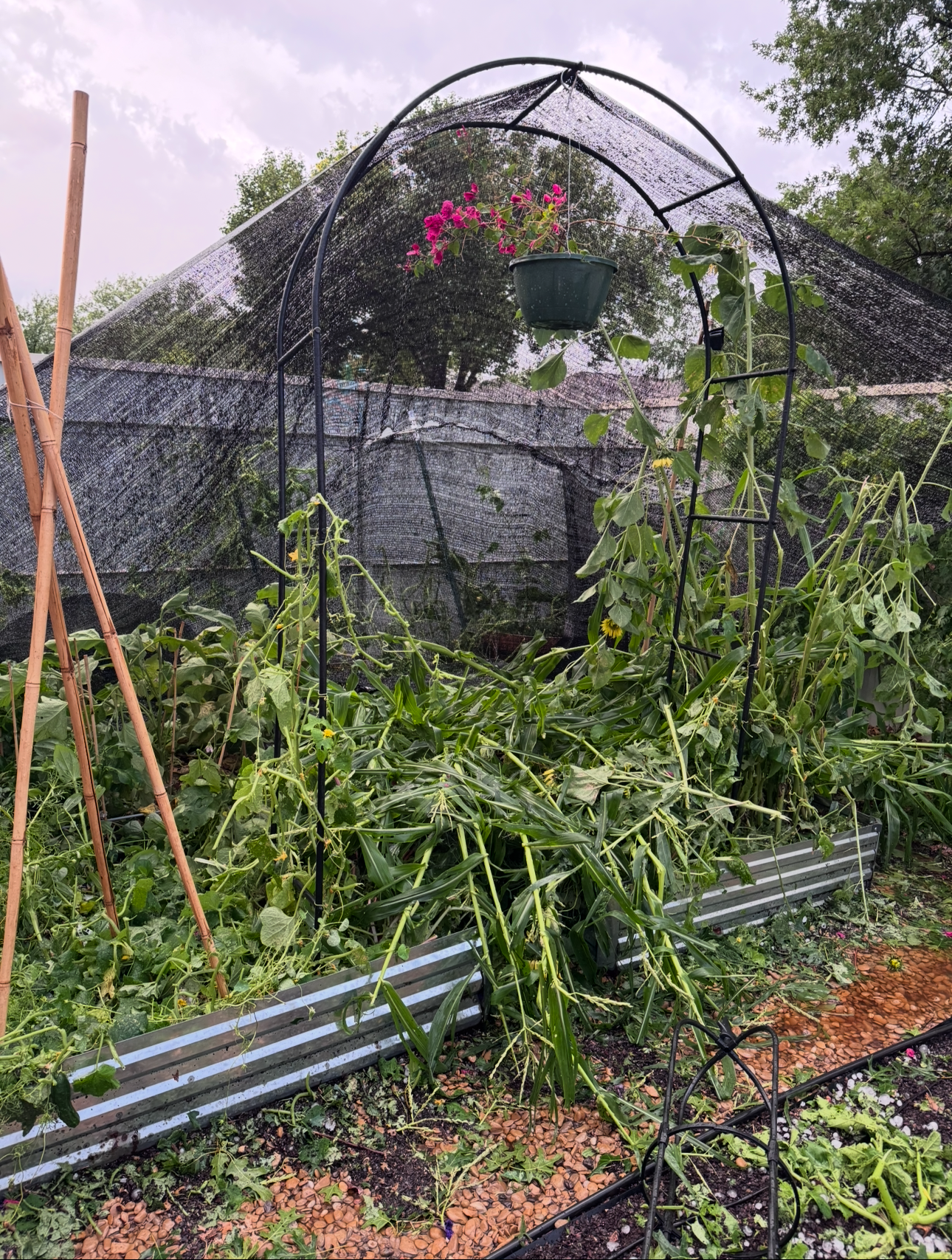
One of the simplest hail protection methods is setting up low hoops over garden beds and keeping row cover or shade cloth ready to deploy.
Materials you’ll need:
- Flexible PVC or metal hoops
- Frost cloth, row cover, or shade cloth
- Clips or weights
When a storm is forecasted, quickly drape and secure the cover. Even lightweight fabric can soften the impact and prevent shredding.
2. Use Shade Cloth for Added Protection
In hail-prone areas, installing semi-permanent shade cloth during storm season can help absorb impact.
Choose:
- 30–50% shade cloth for balance
- Secure anchoring to prevent wind lift
It doubles as summer heat protection.
3. Build Simple Garden Frames
If hail is common in your region, consider building lightweight wooden or metal frames over raised beds. This allows you to quickly attach protective fabric, add plastic sheeting if needed, and create multi-season coverage.
It’s an upfront investment that pays off over time.
4. Grow Windbreaks and Strategic Plantings
Natural protection helps too. Plant taller crops like corn or sunflowers as buffers, use fencing strategically, and consider hedgerows for long-term protection.
While they won’t stop severe hail, they can reduce wind-driven impact.
5. Watch the Forecast Closely
When severe weather is predicted:
- Harvest ripe produce early
- Stake tall plants securely
- Move container plants under shelter
- Cover beds quickly
Preparation often makes the difference between light damage and total loss.
What to Do After Hail Damages Your Garden
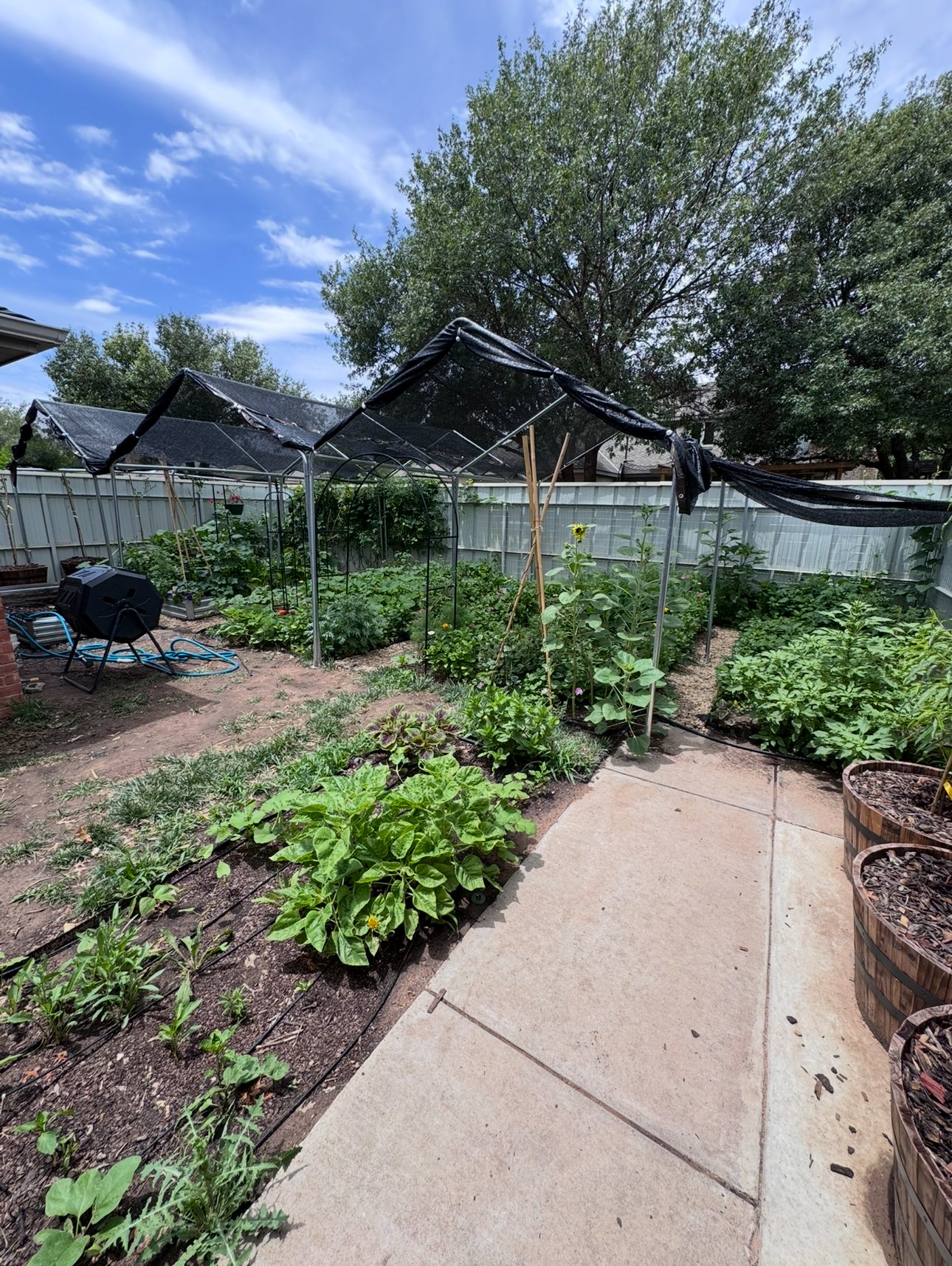
If hail hits, act quickly but calmly.
1. Remove Severely Damaged Growth
Prune shredded leaves and broken stems with clean shears. This prevents disease and encourages new growth.
2. Support Stressed Plants
Hail stresses plants deeply. Help them recover by applying compost tea or gentle liquid fertilizer, keeping soil evenly moist, and avoiding heavy pruning beyond damaged areas.
Many plants bounce back surprisingly well.
3. Check for Disease
Torn leaves create openings for fungal infection. Monitor closely in the days following the storm and increase airflow if needed.
4. Be Patient
Some crops, like tomatoes and peppers, may look rough but recover beautifully within weeks. Others, like lettuce, may need replanting.
Gardening teaches resilience. Sometimes the soil recovers faster than our spirits do.
Choosing Hail-Resilient Crops
While no plant is hail-proof, some recover better than others:
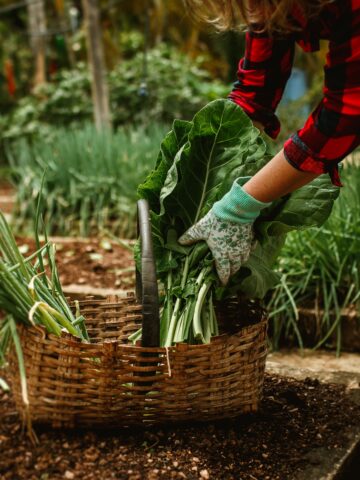
- Kale and chard
- Squash
- Tomatoes
- Perennial herbs
- Root crops
Leafy greens and delicate flowers are more easily damaged.
Diversifying your garden reduces overall loss risk.
A Garden Built for Resilience
We can’t stop storms. But we can build gardens designed to endure them.
Simple structures, thoughtful planning, and quick response make a world of difference. Each season teaches us something new about working with nature instead of fighting it.
And every storm reminds us that gardening is an act of faith.
Growing Stronger Each Season
Protecting your garden from hail isn’t about perfection. It’s about preparation and learning as you go. Over time, you’ll build systems that make recovery easier and losses smaller.
If you’re building a resilient garden and learning practical homesteading skills step-by-step, you don’t have to do it alone.
Inside my Skool community, we share real-life gardening systems, seasonal planning, seed starting strategies, and simple methods that make growing food more manageable and less overwhelming.
If you’re ready to build a stronger, more prepared garden this season, I’d love to have you join us. Let’s grow wisely no matter what the weather brings.

Hi, I’m Victoria!
I document our homesteading journey on YouTube: covering sourdough, fresh milled bread, gardening, and simple living. Click here to watch, learn, and be inspired to start your own homestead at home.



Comments
No Comments