

This post contains affiliate links. This means I earn a small commission at no cost to you. You can view my affiliate disclosure here.
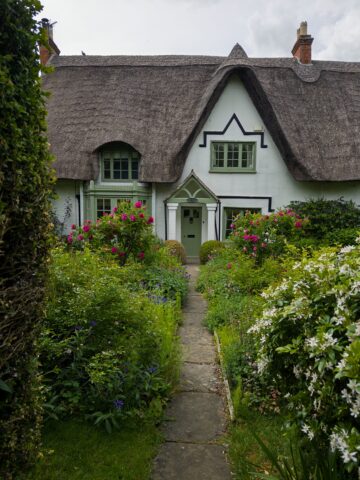
One of my favorite types of gardening is the cottage style vegetable garden: a place where flowers spill over pathways, herbs brush against your skirt as you pass, and vegetables grow in cheerful abundance among blooms and winding beds.
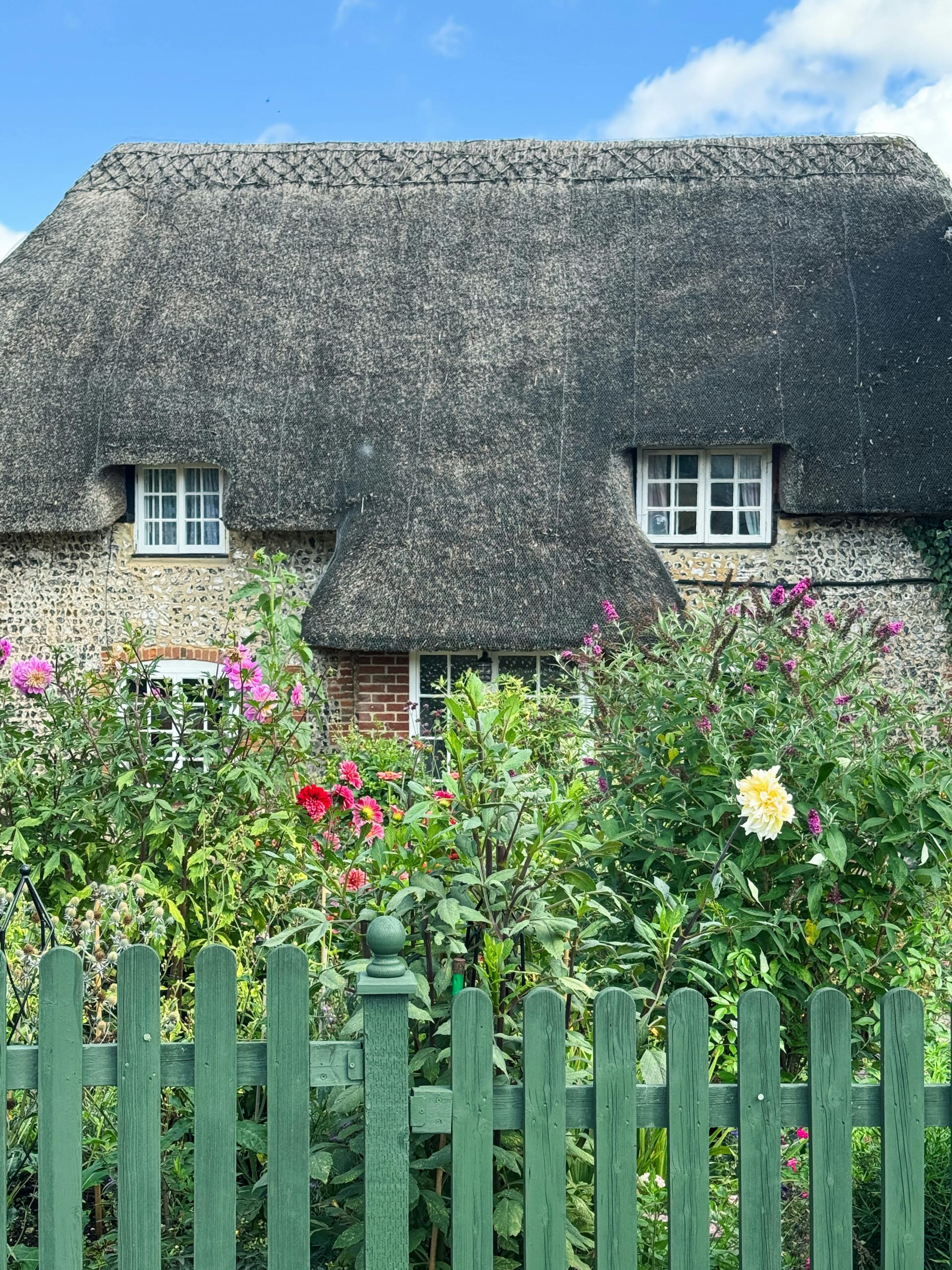
Unlike neat rows and perfectly spaced plots, a cottage garden celebrates beauty, abundance, and a bit of delightful chaos. Vegetables, herbs, and flowers grow side by side, creating a space that feeds both the table and the soul.
If you’ve ever dreamed of stepping into a garden that feels like it belongs beside a cozy farmhouse or storybook cottage, here’s how to create your own cottage style vegetable garden.
My sourdough was flat and business was slow
When I first started homesteading, my sourdough was dense and flat, my garden struggled, and it seemed like I was scrambling to get people to notice my business, let alone, buy my products. And for a time, I burnt out.
After years of trial and error, analyzing hundreds of businesses from other sectors, and just pure grit...
I created a free Zero to Homestead Skool Community: a place where homesteaders of all levels share wins, troubleshoot challenges, and get guidance from experienced peers. By joining, you’ll access step-by-step guides to build traditional skills (sourdough, fresh milled flour, traditional foods, preserving, livestock, gardening, and more) plus full courses, workshops, and homestead business-building resources with a supportive network to help your homestead thrive.
What Is a Cottage Style Vegetable Garden?
A cottage style vegetable garden blends food production with romantic, informal design.
Historically, cottage gardens were created by everyday families who needed to grow food in small spaces. Over time, these gardens became known for their lush planting style, charming structures, and mix of vegetables, herbs, and flowers.
Instead of strict rows, you’ll often see:
- Vegetables tucked between flowers
- Herbs lining pathways
- Climbing plants growing on trellises and arches
- Raised beds surrounded by blooms
- Rustic fences and gates
The result is a garden that feels abundant, welcoming, and full of life.
Start with a Cozy Garden Layout
Cottage gardens feel inviting because they are designed with paths and small spaces to explore.
Instead of one large garden bed, consider creating several smaller raised beds, curved garden borders, narrow walking paths, and small seating areas.
Gravel, wood chips, stepping stones, or brick pathways help create the relaxed, rustic look that cottage gardens are known for.
The goal is to make your garden feel like a place you want to wander through, not just a place to work.
Mix Vegetables, Herbs, and Flowers
One of the defining features of a cottage style vegetable garden is companion planting.
Instead of separating crops into strict sections, mix plants together so the garden looks full and vibrant. Some beautiful combinations include:
Tomatoes + Basil + Marigolds
A classic trio that looks beautiful and helps deter pests.
Cabbage + Nasturtiums
Nasturtiums attract pollinators and create a colorful border.
Carrots + Dill + Calendula
These delicate plants create a soft, cottage-like texture.
Beans + Sweet Peas
Both climb beautifully along trellises and arches.
This layered planting style helps your garden look lush and overflowing, just like traditional cottage gardens.
Add Vertical Interest
Cottage gardens are rarely flat. They feel alive because plants grow upward as well as outward.
You can create height with:
- Wooden trellises
- Garden arches
- Obelisks
- Bean teepees
- Rustic fencing
Climbing vegetables that work beautifully in cottage gardens include:
- Pole beans
- Cucumbers
- Peas
- Small pumpkins
- Climbing squash
These vertical elements add charm while also saving valuable garden space.
Plant Generously
One of the secrets to the cottage garden look is planting generously.
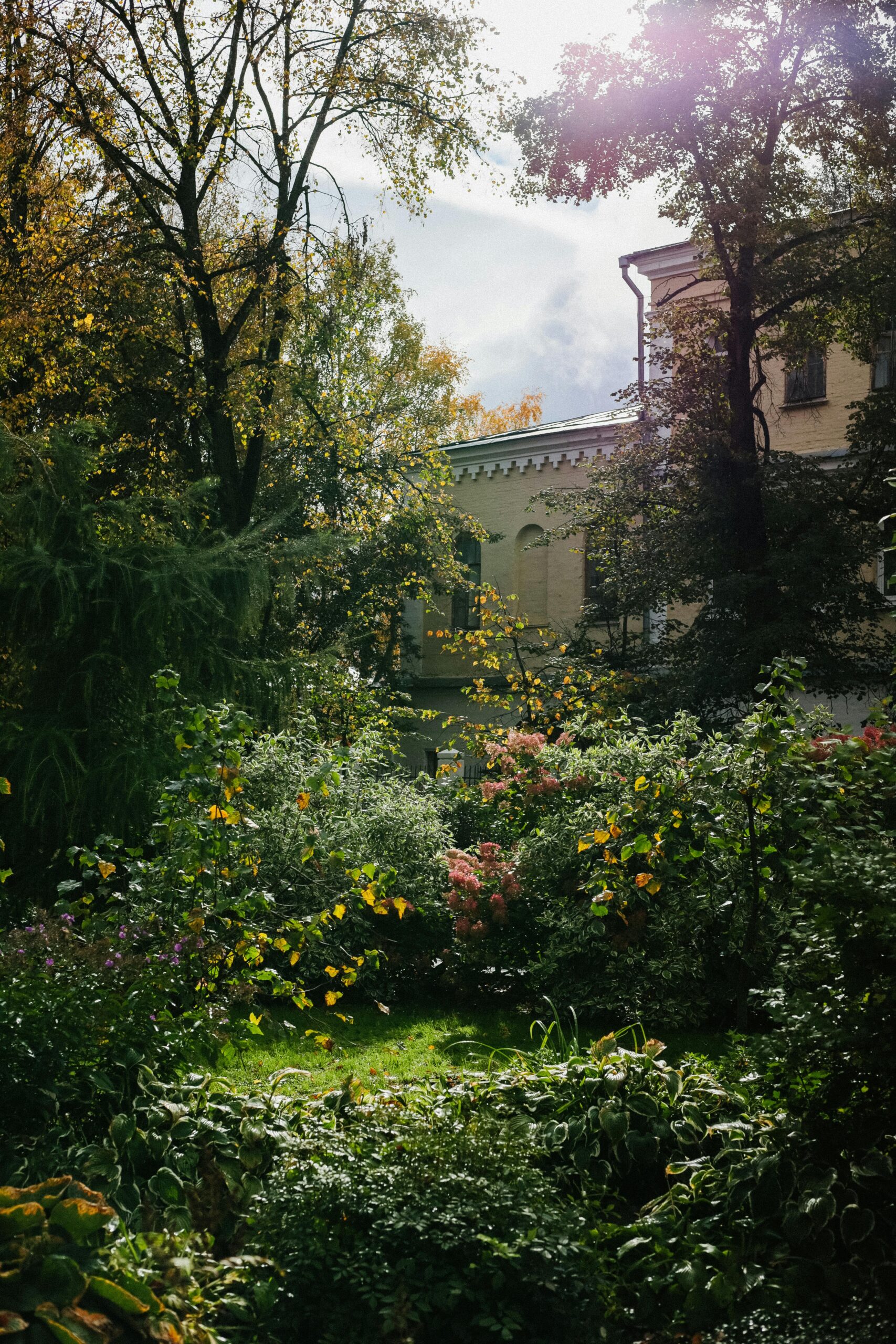
Bare soil is rarely visible. Plants are tucked closely together so the garden feels lush and full.
This dense planting helps suppress weeds, retain moisture in the soil, and create a softer, more romantic garden look. Over time, the garden begins to feel like a living tapestry of colors, textures, and scents.
Use Rustic Garden Elements
Cottage gardens often include simple structures that add charm and character.
Some classic cottage garden elements include:
- White picket fences
- Wooden garden gates
- Stone borders
- Arched trellises
- Vintage watering cans
- Wooden garden signs
These little touches help create the feeling of a garden that has grown naturally over time.
Grow Traditional Cottage Garden Plants
Certain plants naturally fit the cottage garden style.
Popular choices include:
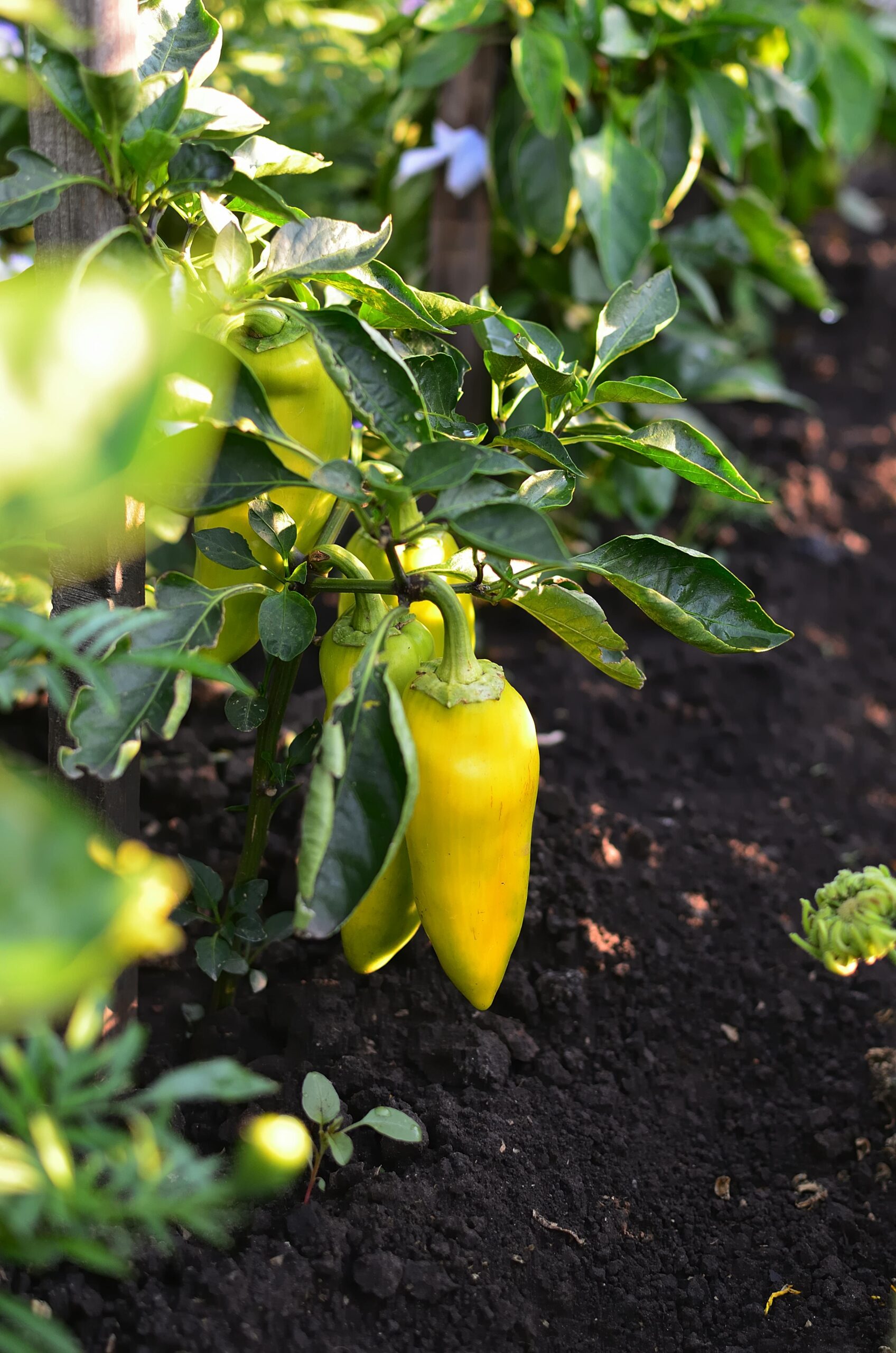
Vegetables
- Tomatoes
- Lettuce
- Beans
- Peas
- Squash
- Carrots
Herbs
- Thyme
- Sage
- Rosemary
- Basil
- Chives
Flowers
- Zinnias
- Cosmos
- Calendula
- Sweet peas
- Sunflowers
- Nasturtiums
By mixing these plants together, your garden will feel both productive and beautifully wild.
Create Cozy Spaces in the Garden
A cottage garden isn’t just for growing food. It’s also meant to be enjoyed. Consider adding a small garden bench, a rustic chair beneath a trellis, or a little table for morning coffee.
Even a small seating spot can transform your garden into a peaceful retreat where you can rest, observe, and enjoy the beauty you’ve created.
Let the Garden Grow Naturally
Perhaps the most important part of creating a cottage style vegetable garden is embracing imperfection.
Plants may spill over pathways. Flowers may reseed themselves in unexpected places. Vines may wander where they please.
And that’s exactly the charm.
Cottage gardens feel alive because they are allowed to grow with a little freedom and personality.
Bring the Cottage Garden Dream to Life
If you love the idea of a garden that blends beauty, abundance, and practicality, a cottage style vegetable garden may be exactly what you’re looking for.
If you’d like a deeper guide to designing, planting, and growing a thriving cottage garden, my book The Cottage-Style Vegetable Garden walks you step-by-step through creating a productive garden that is just as beautiful as it is bountiful.
Inside the book, you’ll learn:
- How to design a charming cottage garden layout
- The best vegetable and flower combinations
- Companion planting strategies
- Ways to add rustic garden structures
- How to create a garden that feels timeless and abundant
If you’ve been dreaming of a garden filled with flowers, fresh vegetables, and old-fashioned charm, The Cottage-Style Vegetable Garden will help you bring that vision to life.

Hi, I’m Victoria!
I document our homesteading journey on YouTube: covering sourdough, fresh milled bread, gardening, and simple living. Click here to watch, learn, and be inspired to start your own homestead at home.

Comments
No Comments