

A cottage garden has a way of making a home feel like it has always belonged there. Overflowing borders, winding pathways, climbing roses, and flowers tumbling over one another create a landscape that feels effortless, welcoming, and full of life. But despite their relaxed appearance, the most beautiful cottage gardens begin with a thoughtful plan.
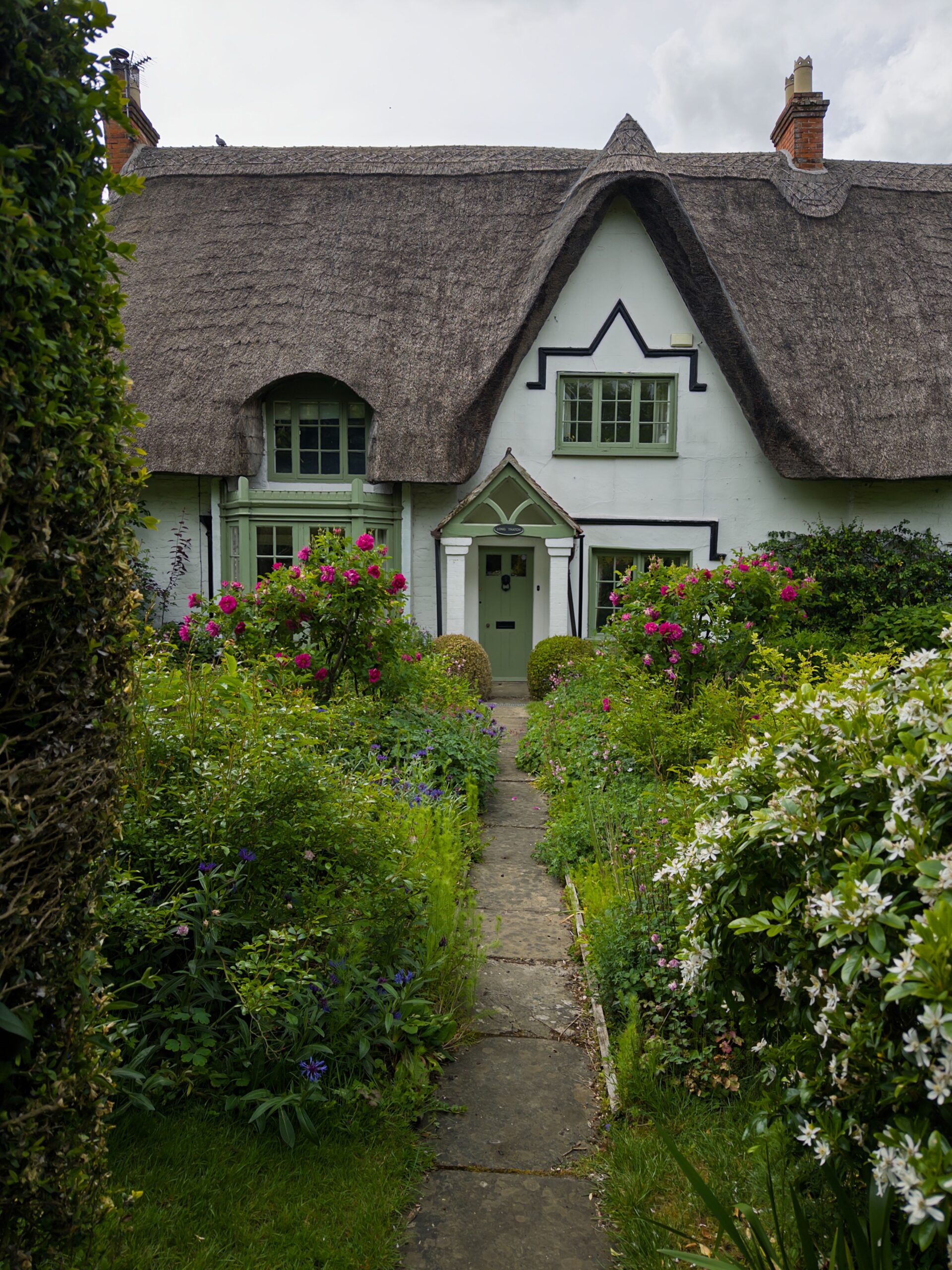
Previously, I've shared the perfect cottage garden layout for beginners, but I felt like I needed to create another post sharing my specific system for planning a cottage garden. Trust me, if you've ever planted flowers only to realize a shrub blocked your view a few years later or found yourself constantly moving plants as they outgrew their space, you're not alone. One of the biggest mistakes gardeners make is planting from the smallest flowers outward instead of working from the largest elements down.
The secret to creating a beautiful, long-lasting cottage garden layout is to plan the largest features first, then gradually work your way down to the smallest plants. This layered approach creates structure, balance, and a garden that becomes even more beautiful with time.
Whether you're designing a brand-new cottage garden or transforming an existing landscape, here's how to plan your layout step by step.
Why Planning Matters
One of the charms of cottage gardens is that they appear wonderfully spontaneous.
In reality, the best cottage gardens are carefully planned.
Without a plan, it's easy to end up with:
- Trees planted too close together
- Shrubs blocking windows
- Flowers hidden behind larger plants
- Overcrowded beds
- Difficult maintenance
- Constant transplanting
A little planning now saves years of frustration later.
Step 1: Start with the Permanent Structures
Before thinking about flowers or shrubs, begin with the largest hardscape features.
These elements create the bones of your garden and rarely move once installed.
Examples include:
- Garden paths
- Arbors
- Pergolas
- Trellises
- Fences
- Garden gates
- Patios
- Benches
- Birdbaths
- Raised beds
- Water features
- Greenhouses
- Garden sheds
Ask yourself:
- Where will people naturally walk?
- What views do I want to highlight?
- Where do I want seating areas?
- How will I access different parts of the garden?
A winding path, for example, naturally encourages visitors to slow down and enjoy the garden one beautiful corner at a time.
Step 2: Place Large Trees First
Once your permanent structures are in place, it's time to position your largest plants.
Trees anchor the entire landscape.
Because they'll eventually become the tallest features in your garden, their placement affects sunlight, shade, views, and spacing for every plant beneath them.
Some favorite cottage garden trees include:
- Dogwood
- Eastern Redbud
- Japanese Maple
- Serviceberry
- Crabapple
- Magnolia
- Fruit trees
- Olive trees (warm climates)
When placing trees, consider:
- Mature height
- Mature width
- Root systems
- Shade patterns
- Distance from buildings
- Utility lines
Always plan for the tree's mature size rather than how it looks today.

Step 3: Add Large Shrubs
Next, arrange your largest shrubs. These become the backdrop for the rest of your planting design.
Popular cottage garden shrubs include:
- Hydrangeas
- Lilacs
- Viburnum
- Camellias
- Roses
- Abelia
- Bottlebrush (warm climates)
- Beautyberry
Think of these shrubs as the framework that connects the taller trees with the lower layers of your garden. Spread them throughout the landscape rather than lining them up in rigid rows.
Groups of three or five often create a more natural appearance.
Step 4: Plant Medium-Sized Shrubs
Now it's time to fill the gaps between your larger shrubs. Medium shrubs create fullness while adding texture and seasonal interest.
Consider planting:
- Lavender
- Rosemary
- Dwarf hydrangeas
- Salvia
- Dwarf roses
- Spirea
- Hebe
- Dwarf yaupon holly
At this stage, begin thinking about bloom times, foliage color, evergreen versus deciduous plants, and texture differences. Layering different textures creates that lush cottage garden look.
Step 5: Fill in with Smaller Shrubs and Perennials
Once the structure of the garden is established, you can begin adding the plants that bring the cottage garden to life.
These include:
- Coneflowers
- Foxgloves
- Hollyhocks
- Delphiniums
- Shasta daisies
- Bee balm
- Catmint
- Yarrow
- Coreopsis
- Black-eyed Susans
- Garden phlox
- Veronica
- Dianthus
Plant in generous drifts rather than isolated single plants. Repeating the same varieties throughout the garden creates a more cohesive design.
Step 6: Add Groundcovers and Edging Plants
Groundcovers soften the edges and help suppress weeds.
Beautiful choices include:
- Creeping thyme
- Sweet alyssum
- Creeping phlox
- Ajuga
- Irish moss
- Sedum
Allow these plants to spill naturally onto pathways for a relaxed cottage feel.
Step 7: Weave in Annual Flowers
Annual flowers provide continuous color while filling empty spaces.
Favorites include:
- Cosmos
- Zinnias
- Calendula
- Bachelor's buttons
- Snapdragons
- Nasturtiums
- Sweet peas
Many of these reseed themselves, making the garden even more charming each year.
Think in Layers
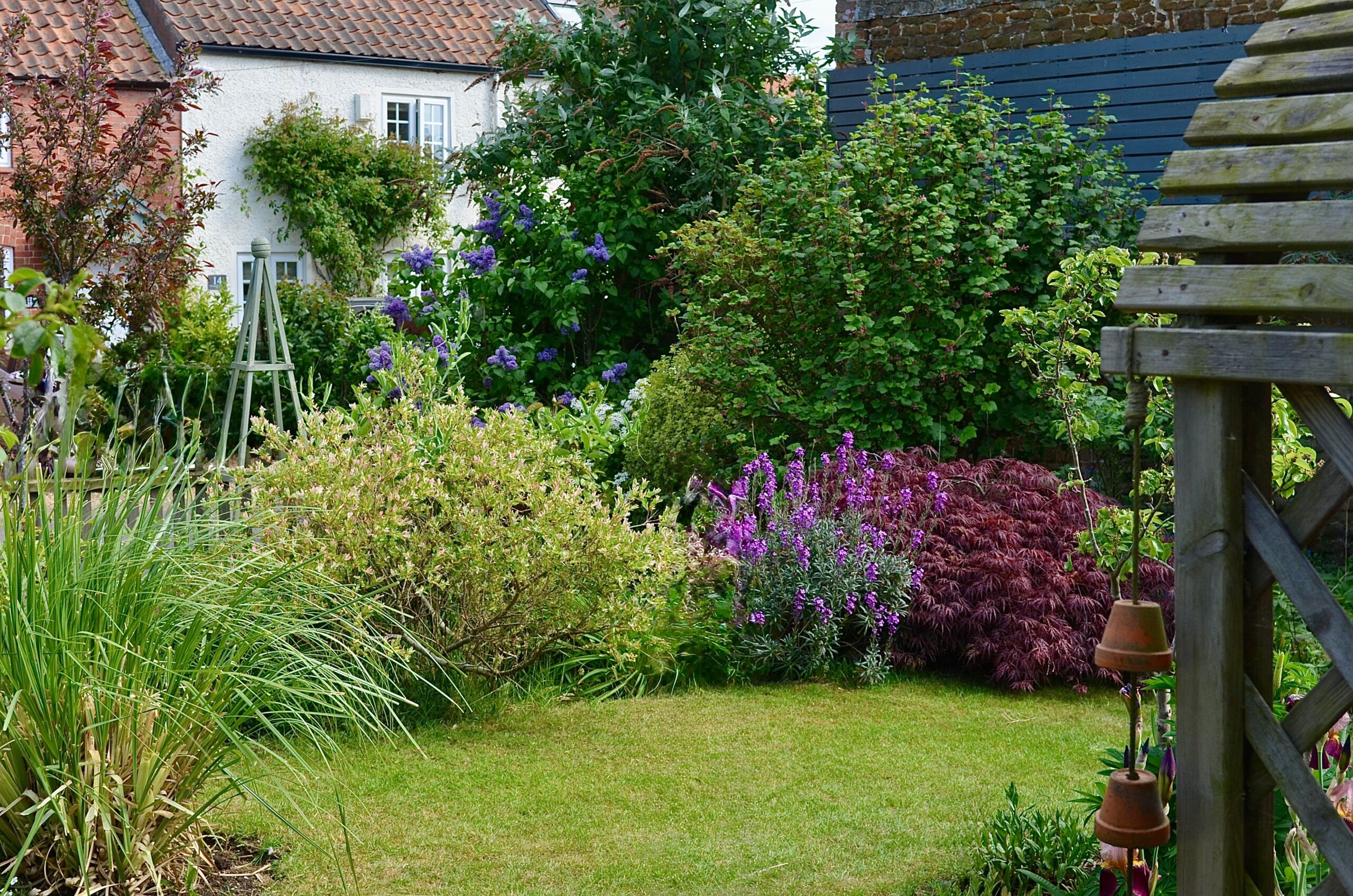
One of the defining characteristics of a cottage garden is layered planting.
Imagine your garden in five levels:
Layer 1
Trees
Layer 2
Large shrubs
Layer 3
Medium shrubs
Layer 4
Perennials
Layer 5
Groundcovers and annuals
Working from tallest to shortest helps ensure every plant has room to shine while creating depth and visual interest.
Leave Room to Grow
Perhaps the hardest part of planning a new garden is resisting the urge to fill every empty space immediately.
Remember that a tiny shrub may become six feet wide, or a young tree may cast broad shade within a decade. Leaving breathing room now prevents overcrowding later.
While your shrubs mature, you can always fill temporary gaps with annual flowers.
Repeat Plants Throughout the Garden
One common mistake is buying one of everything. Instead, repeat your favorite plants throughout the garden.
Repeating varieties creates unity, rhythm, balance, and a more professional-looking design. Your eye naturally flows through the landscape instead of stopping at every different plant.
Plan for Four Seasons of Beauty
A truly beautiful cottage garden offers interest year-round.
Choose plants that provide:
Spring
Flowering bulbs, tulips, daffodils, redbuds
Summer
Roses, hollyhocks, lavender, hydrangeas
Autumn
Ornamental grasses, asters, beautyberry, colorful foliage
Winter
Evergreen shrubs, seed heads, berries, ornamental bark
A garden that changes with the seasons always offers something beautiful to enjoy.
Don't Forget the Vertical Layer
Some of the most enchanting cottage gardens invite your eyes upward.
Add vertical interest with:
- Climbing roses
- Clematis
- Honeysuckle
- Jasmine
- Morning glories
- Grapevines
- Obelisks
- Arbors
- Pergolas
These features make even small gardens feel lush and abundant.
A Cottage Garden That Grows with You
One of the greatest joys of creating a cottage garden is knowing it doesn't have to be finished all at once. In fact, the most enchanting gardens often evolve over many years, with each season adding another layer of beauty.
By beginning with permanent structures, then thoughtfully placing trees, large shrubs, medium shrubs, and finally filling the spaces with flowers and groundcovers, you'll create a landscape that feels balanced, timeless, and full of character. As your plants mature, they'll weave together into the soft, overflowing tapestry that makes cottage gardens so beloved.
Take your time, plant with the future in mind, and allow your garden to grow alongside you. Some of the most beautiful gardens are not built in a single season. They're lovingly cultivated one plant, one path, and one bloom at a time.

Hi, I’m Victoria!
I document our homesteading journey on YouTube: covering sourdough, fresh milled bread, gardening, and simple living. Click here to watch, learn, and be inspired to start your own homestead at home.




Virse AI says
Starting with paths and seating before choosing plants is such a practical order. A young tree can look perfectly placed on a sketch, then shade an entire border once it matures. I work on yard layout tools at Virse, so I often think about that gap between the first-year plan and the garden five years later. When you place a new tree, do you draw its expected mature canopy on the layout before deciding which perennials go nearby?