

There’s something magical about a cottage garden: the way flowers spill over pathways, herbs tuck themselves between vegetables, and every corner feels alive with purpose and charm. If you’ve ever dreamed of stepping into your own storybook garden, you’re in the right place.
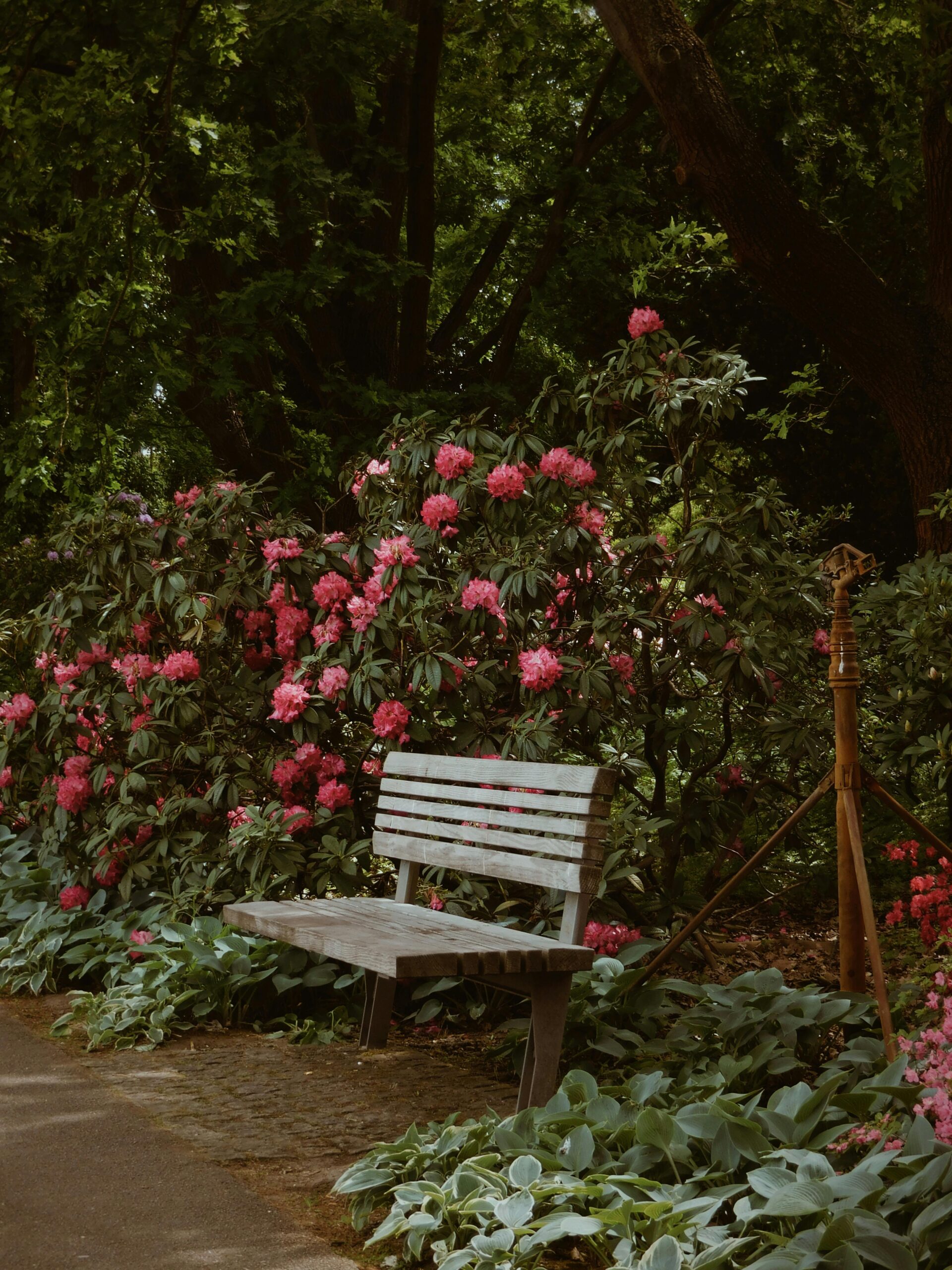
This beginner-friendly guide will walk you through creating the perfect cottage garden layout: one that’s both beautiful and practical, even if you’re starting from scratch.
What Is a Cottage Garden?
A cottage garden is a relaxed, informal garden style that blends flowers, herbs, fruits, and vegetables together in a way that feels natural rather than rigid.
Unlike modern row gardening, cottage gardens are:
- Layered and slightly wild
- Packed with a mix of edible and ornamental plants
- Designed for beauty and function
- Full of winding paths and cozy spaces
Think abundance, not perfection.
Why Beginners Love Cottage Garden Layouts
If you’re new to gardening, this style is incredibly forgiving.
- No strict symmetry required
- Plants can self-seed and fill in gaps
- Encourages pollinators naturally
- Mixes food and flowers in one space
It’s a garden that grows with you mistakes and all.
Step 1: Start With a Simple Layout Plan
Before you plant anything, sketch a loose layout. Keep it flexible because this isn’t a formal blueprint.
Key elements to include:
- A central path or walkway
- Planting beds on both sides
- A focal point (bench, arbor, trellis, or birdbath)
- Borders that feel soft and flowing
Beginner tip: Start small. A 10x10 or 12x12 space is perfect for your first cottage garden.
Step 2: Create Curved Pathways
Straight lines feel formal, but cottage gardens thrive on curves and softness.
Use materials like gravel, stepping stones, and wood chips. Curved paths make your garden feel larger and more inviting, while guiding visitors through your space naturally.
Step 3: Layer Your Plants (The Secret to That “Full” Look)
The magic of a cottage garden comes from layering.
Use the “Back, Middle, Front” method:
- Back layer (tall): hollyhocks, sunflowers, trellised peas
- Middle layer: coneflowers, zinnias, tomatoes
- Front layer: herbs like thyme, basil, oregano
This creates depth, prevents bare spots, and gives that lush, overflowing feel.
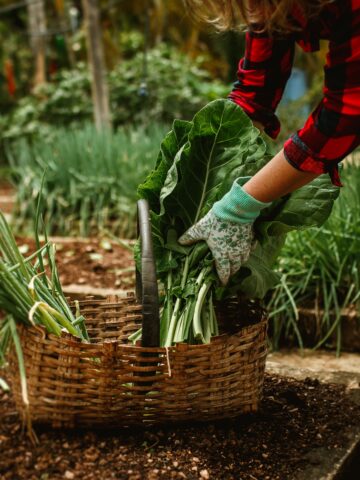
Step 4: Mix Flowers, Herbs, and Vegetables
One of the most beautiful parts of a cottage garden is how everything grows together.
Try combinations like roses with chives or lavender, carrots alongside calendula, and tomatoes with basil and marigolds. This not only looks stunning, but it also helps with pest control and pollination.
Step 5: Add Vertical Elements
To maximize space (especially in small gardens), grow up.
Include:
- Trellises for beans, peas, or cucumbers
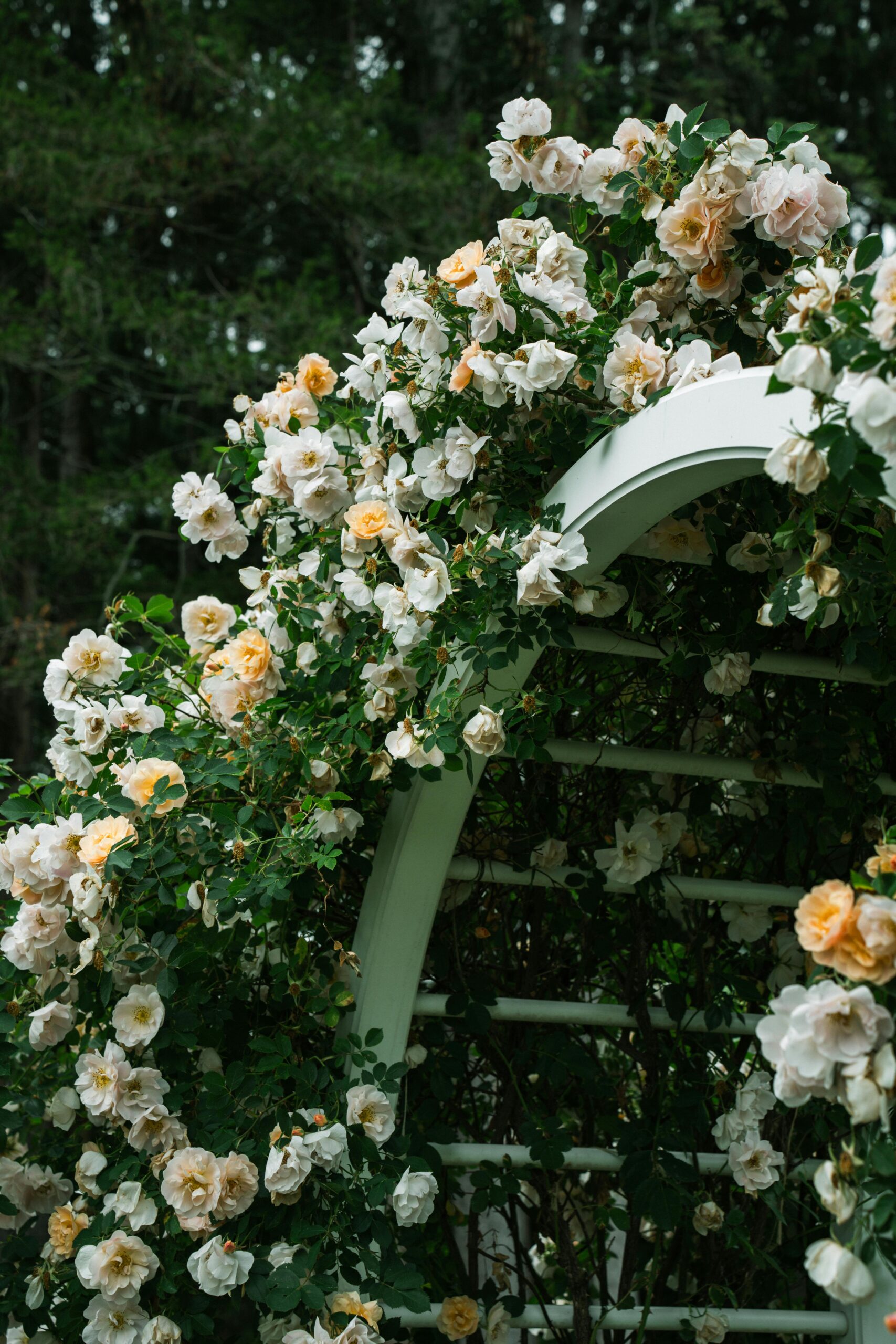
- Arbors covered in climbing roses
- Obelisks for flowering vines
Vertical structures add height, drama, and that classic cottage charm.
Step 6: Embrace Imperfection
Here’s the truth: a perfect cottage garden isn’t perfect.
Let plants self-seed, spill into pathways, and grow a little wild. That slightly untamed look is exactly what makes it feel cozy and lived-in.
Step 7: Choose Beginner-Friendly Plants
Start with easy, reliable plants that thrive in most conditions.
Flowers:
- Zinnias
- Cosmos
- Black-eyed Susans
- Calendula
Herbs:
- Basil
- Thyme
- Mint (keep contained!)
- Oregano
Vegetables:
- Lettuce
- Tomatoes
- Green beans
- Radishes
These grow quickly and give you that full cottage garden look in your very first season.
A Simple Cottage Garden Layout Example
Here’s an easy layout you can follow:
- Center: Gravel or stepping stone path
- Left side: Mixed flowers + herbs
- Right side: Vegetables + companion flowers
- Back: Trellis or fence with climbing plants
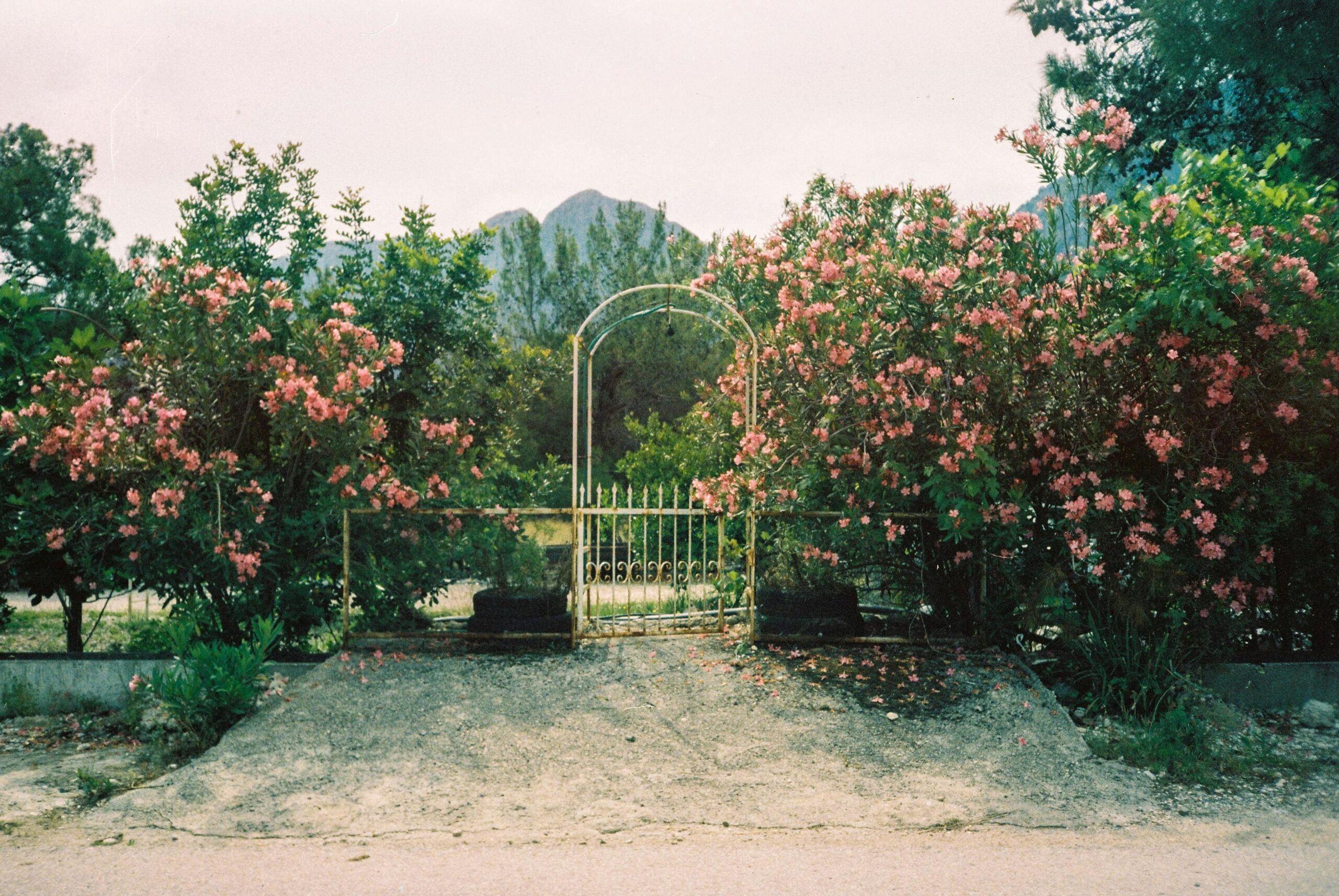
- Corners: A focal feature (bench, birdbath, or arch)
Keep it balanced, but not symmetrical.
Common Beginner Mistakes to Avoid
- Planting too far apart (cottage gardens thrive on density)
- Overplanning (leave room for spontaneity)
- Ignoring sunlight needs
- Forgetting vertical space
Final Thoughts: Start Small, Grow Naturally
A cottage garden isn’t built in a day. It evolves over time.
Start with a small, manageable space. Plant what you love. Let things grow, shift, and surprise you.
Before long, you’ll step outside with your morning coffee and realize… you’ve created something truly special.
FAQ: Cottage Garden Layout for Beginners
How big should a beginner cottage garden be?
Start with a small area (around 100–150 square feet). You can always expand later.
Do cottage gardens require a lot of maintenance?
They can be surprisingly low-maintenance once established, especially with self-seeding plants.
Can I grow a cottage garden in a small yard?
Absolutely! Cottage gardens are perfect for small spaces: just use vertical growing and dense planting.
What is the best location for a cottage garden?
Choose a spot with at least 6–8 hours of sunlight and good drainage.

Hi, I’m Victoria!
I document our homesteading journey on YouTube: covering sourdough, fresh milled bread, gardening, and simple living. Click here to watch, learn, and be inspired to start your own homestead at home.

Lillie says
Thank you so much for posting this article! I have been praying for wisdom about putting in some roses, but also herbs (for a medicinal garden), and flowers. So I love the idea of including everything together in a cottage garden. You have made it so easy to understand, and I will be incorporating your ideas. Also, kuddos for homeschooling! I homeschooled both of my boys. 🙂
Blessings,
Lillie
Lillie says
I misread your post, and thought it said homeschooling, but it said homesteading instead, Oops. But still, kudos for homesteading, a dream of mine I'm beginning to work on.