

This post contains affiliate links. This means I earn a small commission at no cost to you. You can view my affiliate disclosure here.
A small garden doesn’t have to mean a small harvest. In fact, some of the most abundant gardens are tucked into the smallest corners: raised beds beside a porch, containers lining a walkway, or a sunny patch no bigger than a kitchen table.
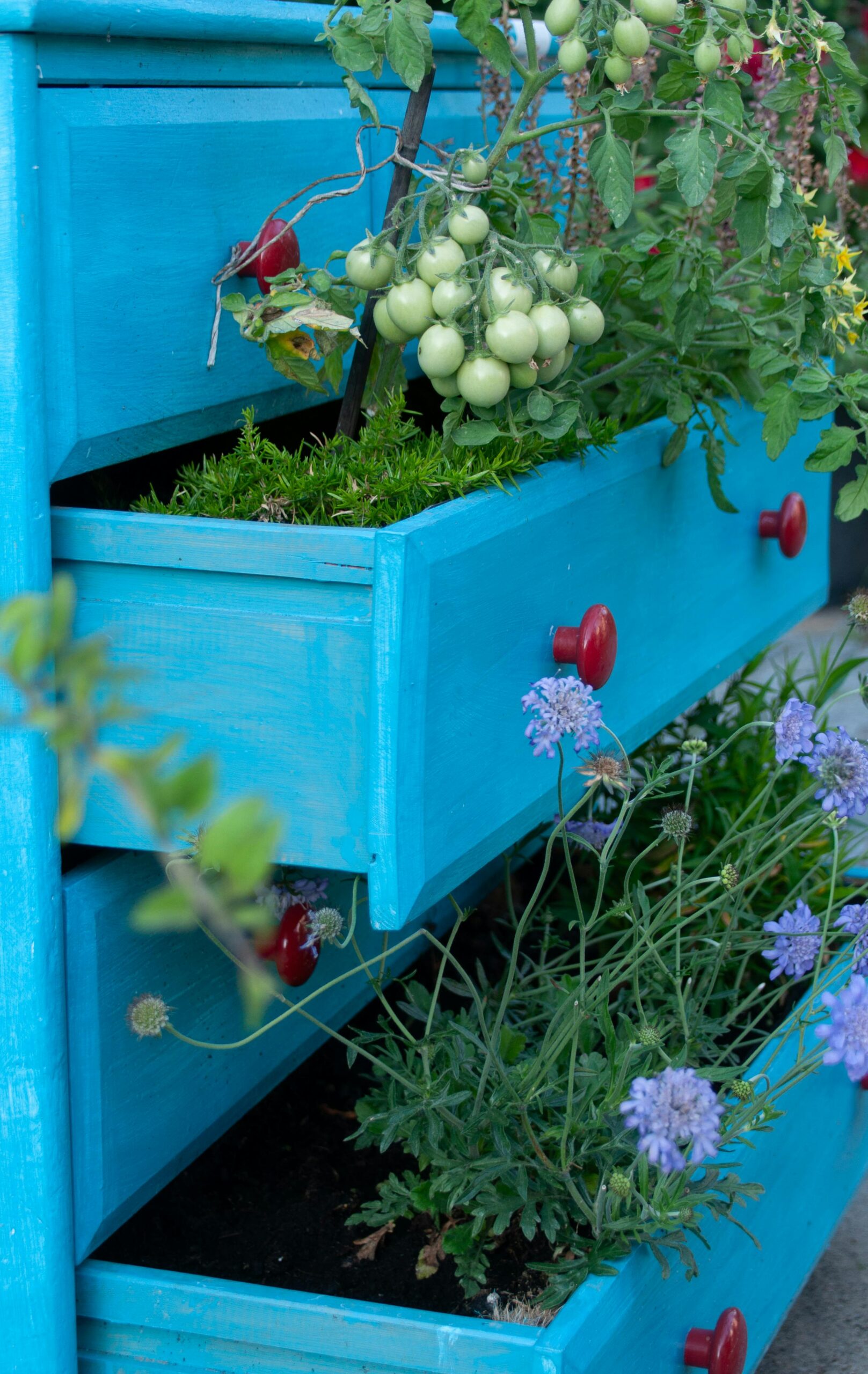
With a bit of thoughtful planning and a few time-tested methods, you can turn even the tiniest space into a productive, beautiful garden that feeds your family well.
If you’ve been wondering how to grow more food in less space, these small garden ideas will help you make the most of every inch. For more tips, check out my book, Close-Spaced Gardening and my posts on the best vegetables for small gardens and small-space gardening for beginners.
Start With Rich, Healthy Soil
In a small garden, every plant matters and that means your soil matters even more.
Focus on building nutrient-rich soil by adding compost, aged manure, and organic matter.
Healthy soil supports strong plants, better yields, and fewer problems along the way. When space is limited, fertile soil is one of your greatest advantages.
Grow Up, Not Out
One of the simplest ways to increase your harvest is to grow vertically.
Using trellises, cages, or arches allows plants to climb instead of spread.
Great vertical crops include:
- Tomatoes
- Cucumbers
- Pole beans
- Peas
This not only saves space but also improves airflow and makes harvesting easier.
Use Raised Beds for Better Control
Raised beds are especially helpful in small gardens because they allow you to control soil quality, spacing, and layout.
Benefits of raised beds include better drainage, warmer soil in spring, easier maintenance, and more efficient planting. You can grow more in a smaller space by planting intensively in raised beds.
Try Square Foot Gardening
Square foot gardening is a simple method that divides your garden into small sections, allowing you to plant crops closer together.
Instead of long rows, you plant in a grid, maximizing space and minimizing waste.
For example:
- 1 tomato per square
- 4 lettuce plants per square
- 16 carrots per square
This method works especially well in small, organized garden spaces.
Choose High-Yield Crops
When space is limited, choose crops that give you the most food for the space they take.
Some of the best options include:
- Leafy greens (cut-and-come-again)
- Zucchini
- Tomatoes
- Peppers
- Herbs
These plants provide continuous harvests rather than a single yield.
Plant Succession Crops
Succession planting is the practice of planting new crops as soon as one is harvested.
This keeps your garden producing throughout the season.
For example: plant lettuce in early spring, replace with beans in summer, and follow with spinach in fall. With this method, a single garden bed can produce multiple harvests in one season.
Use Containers Creatively
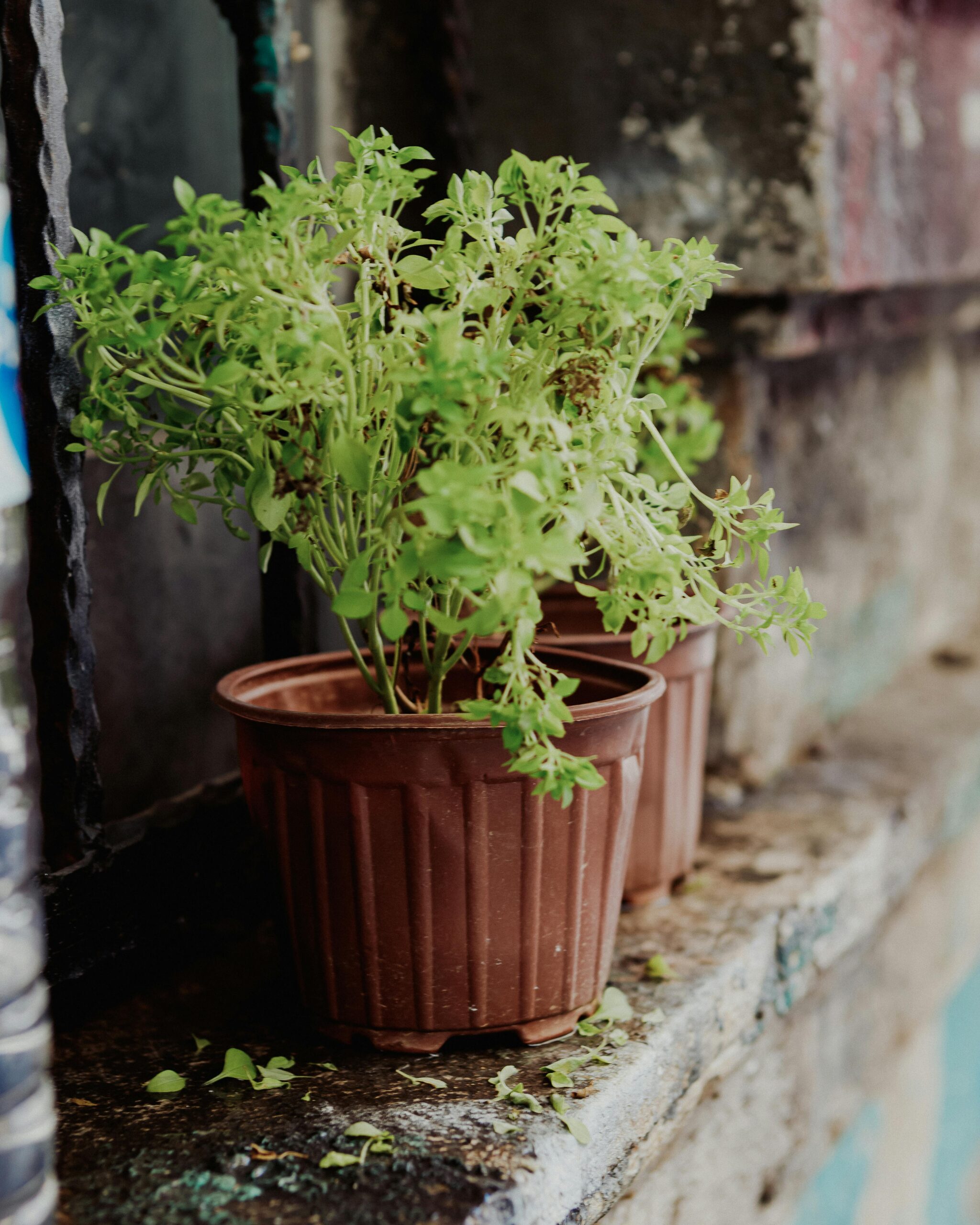
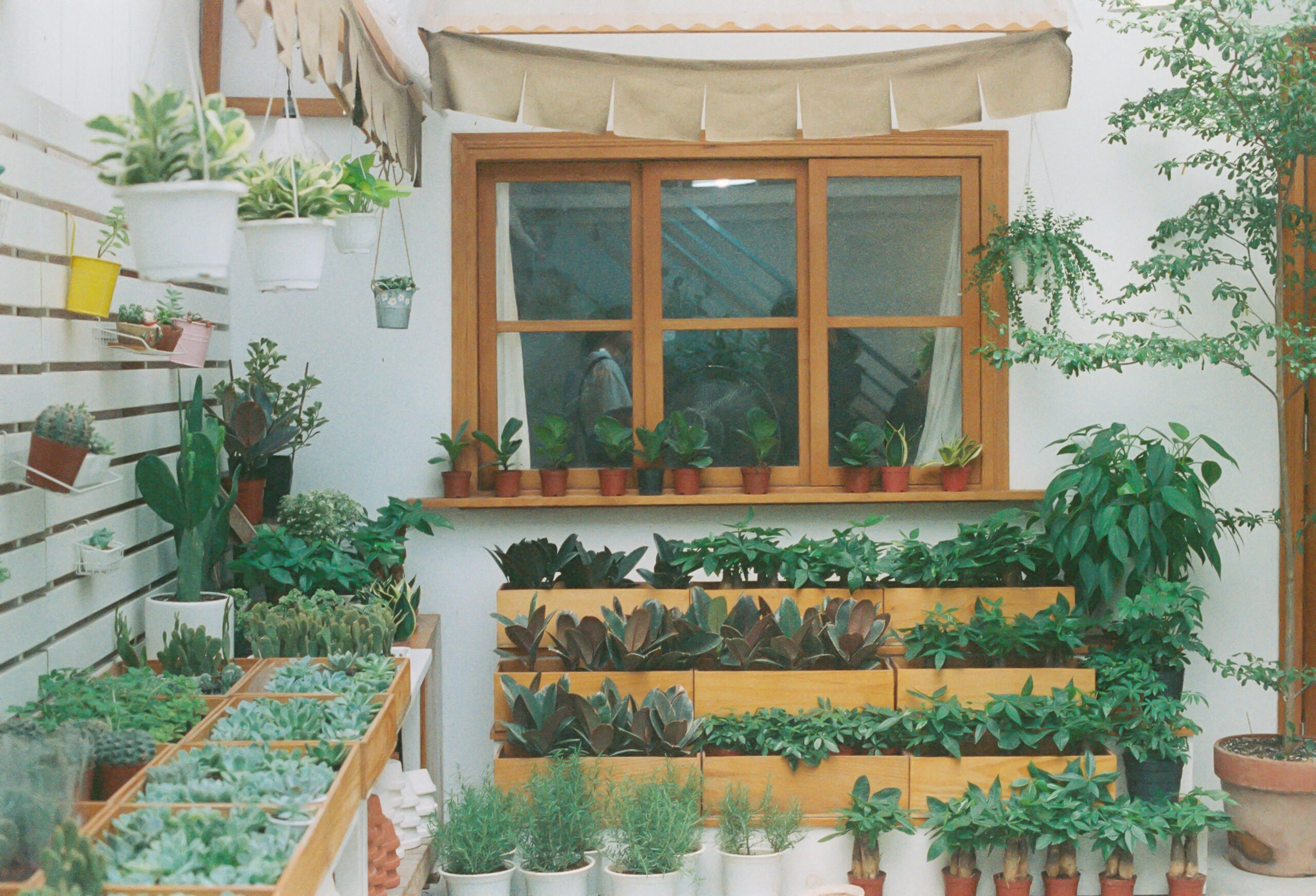
Containers are a wonderful solution for small spaces. You can grow food in pots, buckets, window boxes, and hanging baskets.
Perfect for patios, porches, and even balconies, container gardening allows you to expand your growing space beyond traditional beds.
Companion Plant for Better Growth
Companion planting helps maximize space while supporting plant health.
Some beneficial combinations include:
- Tomatoes and basil
- Carrots and onions
- Lettuce and radishes
These pairings can help deter pests, improve growth, and make better use of limited space.
Don’t Waste Sunlight
Pay close attention to how sunlight moves through your space.
Place taller plants where they won’t shade smaller ones, and use every sunny corner available.
Even a narrow strip of sunlight can grow herbs or greens.
Keep Paths Small and Efficient
In a small garden, large pathways can take up valuable growing space.
Keep paths narrow and practical, just wide enough to walk comfortably.
This leaves more room for plants while still keeping your garden accessible.
A Garden That Feels Full, No Matter the Size
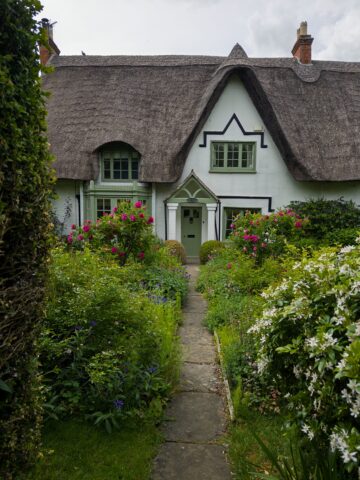
There’s something special about a small garden done well. Every plant has a purpose, every space is used thoughtfully, and the harvest feels all the more rewarding because of it.
You don’t need acres of land to grow your own food, you just need a bit of creativity, good soil, and the willingness to make the most of what you have.
And in time, even the smallest garden can become a place of abundance, beauty, and quiet satisfaction.

Hi, I’m Victoria!
I document our homesteading journey on YouTube: covering sourdough, fresh milled bread, gardening, and simple living. Click here to watch, learn, and be inspired to start your own homestead at home.

Comments
No Comments