

This post contains affiliate links. This means I earn a small commission at no cost to you. You can view my affiliate disclosure here.
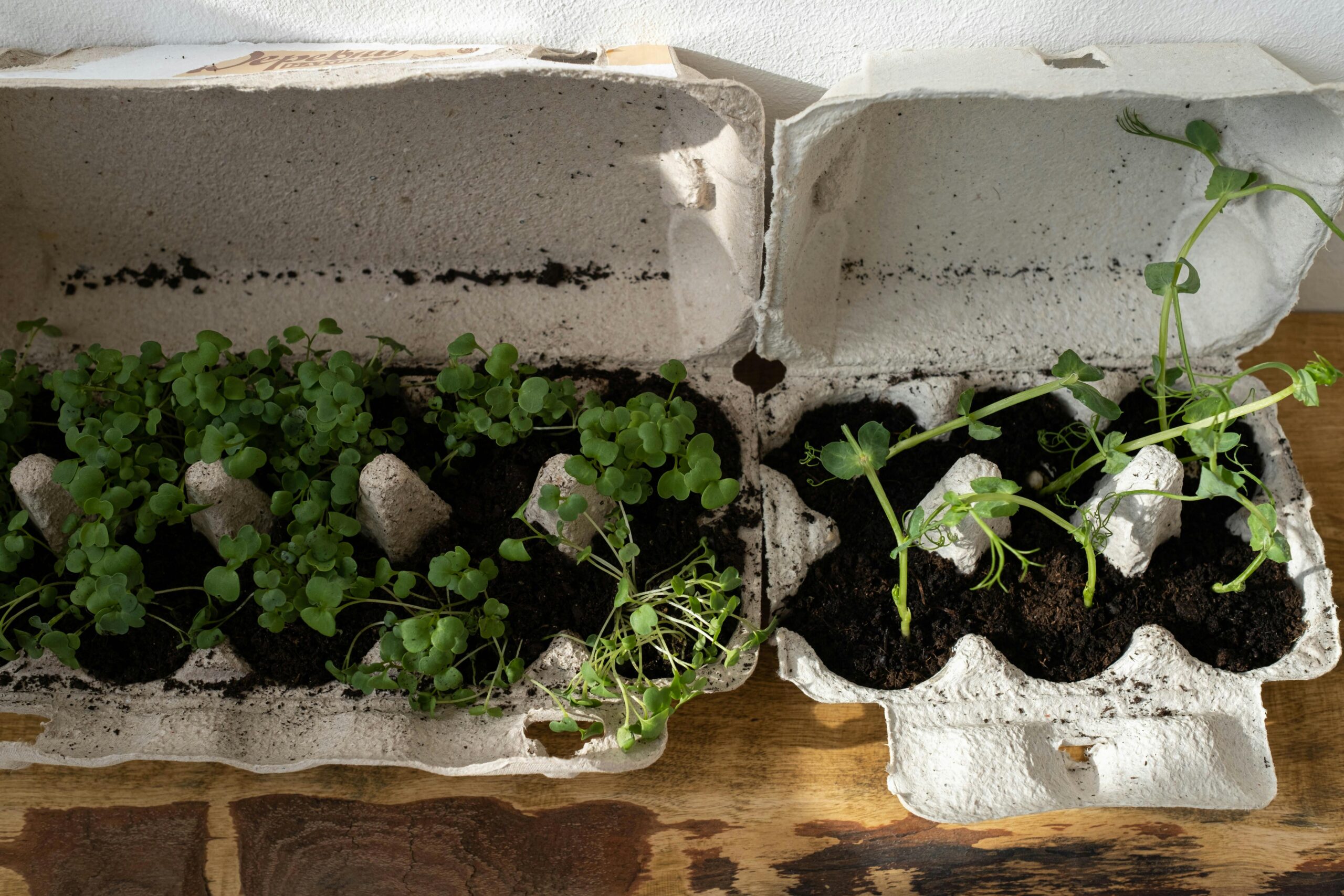
Imagine stepping out your door to pick fresh herbs for dinner, snipping cherry tomatoes for a salad, or harvesting crisp lettuce from a container on your balcony. You don’t need a sprawling backyard to grow your own food because small-space gardening makes it possible for anyone, anywhere. Whether you live in an apartment, have a tiny yard, or just a sunny windowsill, this beginner-friendly guide will help you grow nourishing, flavorful food in limited space.
Why Small-Space Gardening Is Worth It
Small-space gardening isn’t just practical: it’s transformative. Growing your own food:
- Reduces trips to the grocery store
- Saves money on fresh produce
- Connects you with the rhythm of nature
- Gives you the satisfaction of harvesting what you’ve nurtured
Even a few pots of herbs or a vertical garden can add flavor, color, and joy to your home. And the best part? You’ll experience the meditative calm of gardening without needing acres of land.
Step 1: Assess Your Space
Before you plant a single seed, take a look at your available space. Think vertically as well as horizontally. Options include:
- Balconies and patios – perfect for container gardens
- Windowsills – ideal for herbs and small greens
- Vertical spaces – wall planters, hanging baskets, trellises
- Community gardens or shared plots – a great option if outdoor space is limited
Make note of sunlight patterns, wind exposure, and accessibility. Most vegetables need at least 4–6 hours of sun, but some leafy greens thrive in partial shade.
Step 2: Choose Beginner-Friendly Plants
For small-space gardening, start with easy-to-grow, productive plants. Consider:
- Herbs: basil, parsley, cilantro, chives, mint
- Leafy greens: lettuce, spinach, arugula, kale
- Compact vegetables: cherry tomatoes, radishes, peppers, bush beans
- Edible flowers: nasturtiums, pansies, marigolds
Pick varieties labeled as “dwarf,” “compact,” or “container-friendly” for best results. Start small: success with a few pots builds confidence and prevents overwhelm.
Step 3: Select Containers and Soil
The right container and soil make all the difference in small-space gardening:
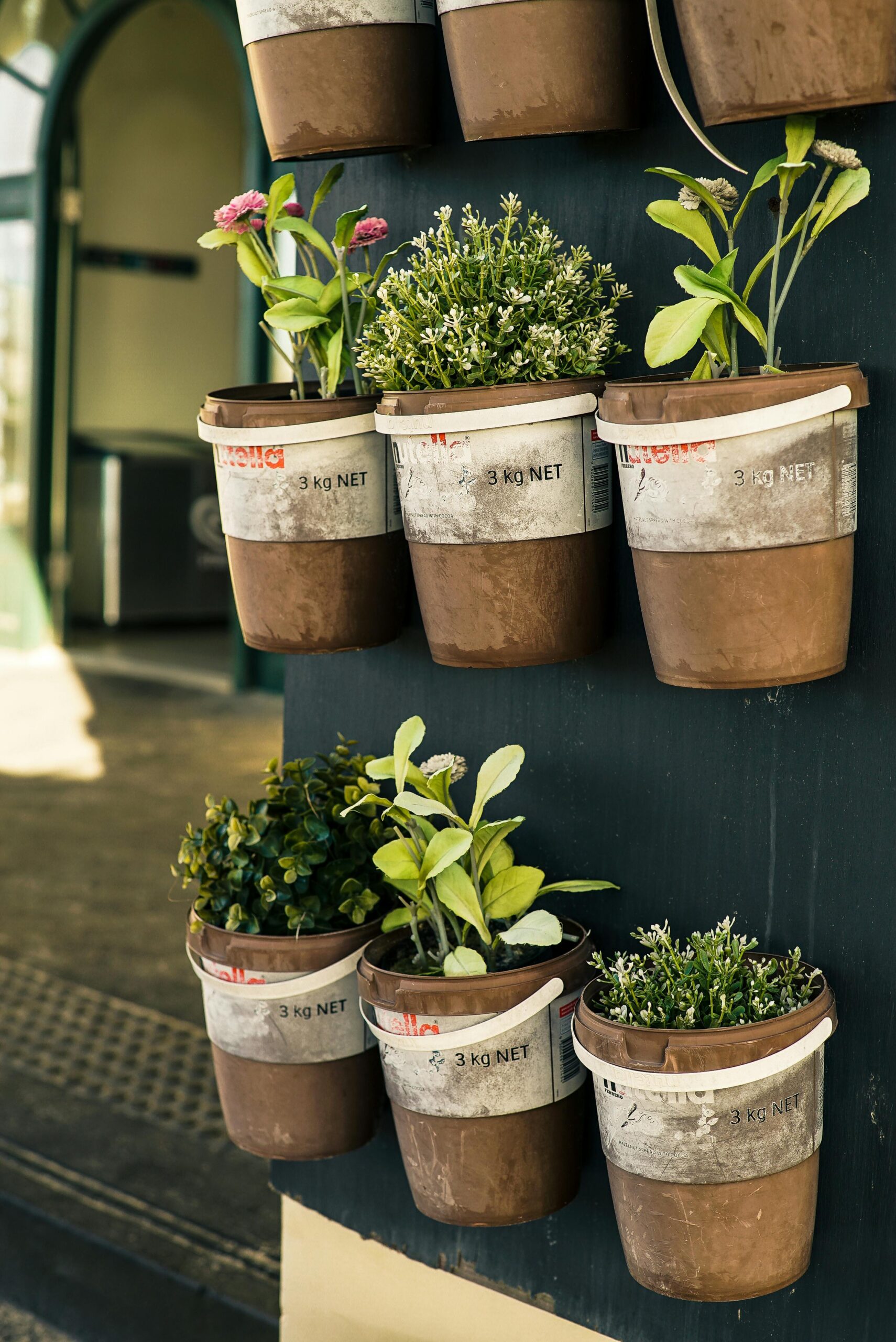
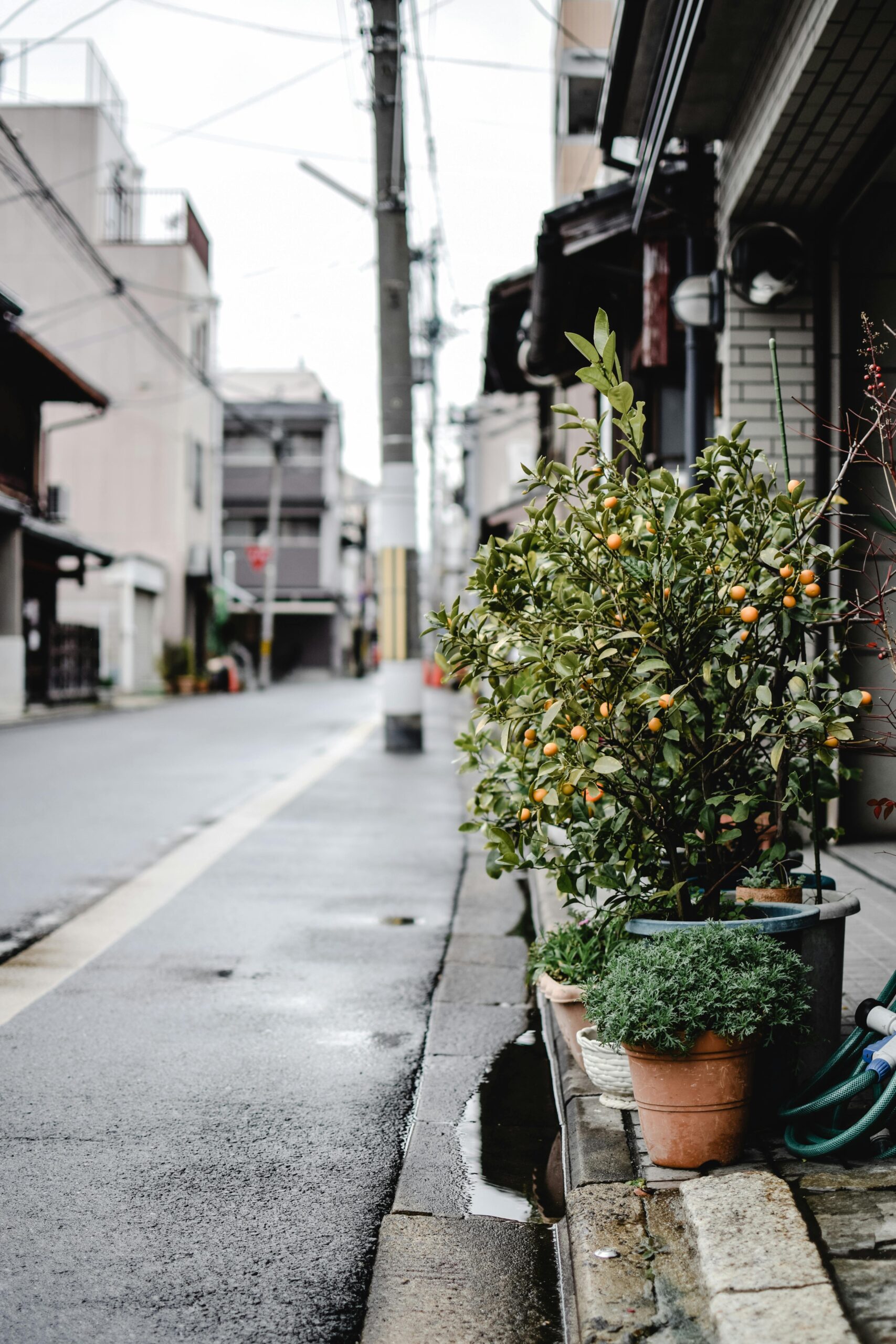
- Containers: pots, troughs, grow bags, window boxes, hanging baskets
- Drainage: ensure containers have holes to prevent waterlogging
- Soil: use high-quality potting mix, not garden soil, for better drainage and nutrients
A rustic touch, like wooden boxes or vintage buckets, can make your garden feel cozy and charming.
Step 4: Watering and Feeding
Small containers dry out faster than garden beds, so consistent watering is key. Tips:
- Water when the top inch of soil feels dry
- Use a watering can or gentle hose to avoid washing away soil
- Fertilize every 2–4 weeks with a balanced liquid or slow-release fertilizer
Mulching the surface of the soil with straw or shredded leaves helps retain moisture and adds a rustic garden feel.
Step 5: Maximize Your Harvest
Even in a tiny space, you can increase yield with a few smart strategies:
- Succession planting: sow new seeds as soon as one crop finishes
- Vertical gardening: train vines and climbers upward to save space
- Intercropping: plant fast-growing crops like radishes alongside slower ones like tomatoes
Regular harvesting encourages plants to keep producing, and few things beat the taste of freshly picked greens.
Step 6: Troubleshooting Common Issues
- Yellowing leaves: may indicate overwatering or nutrient deficiency
- Leggy plants: often caused by insufficient sunlight
- Pests: check regularly and try natural deterrents like neem oil, garlic spray, or companion planting
Remember, gardening is about trial and error. Even experienced gardeners have crops that fail, but small setbacks are part of the learning process.
Final Thoughts
Small-space gardening proves that growing your own food is possible for anyone, anywhere. With a little planning, the right containers, and beginner-friendly plants, you can enjoy fresh, flavorful harvests even in the tiniest corners of your home. Start simple, nurture your plants, and savor the joy of growing food that nourishes both body and soul.


Comments
No Comments