

This post contains affiliate links. This means I earn a small commission at no cost to you. You can view my affiliate disclosure here.
A garden that is abundant and fits into a space much smaller than you ever thought possible is an amazing feat. Vertical gardening offers a simple, beautiful way to grow more food without needing more land.
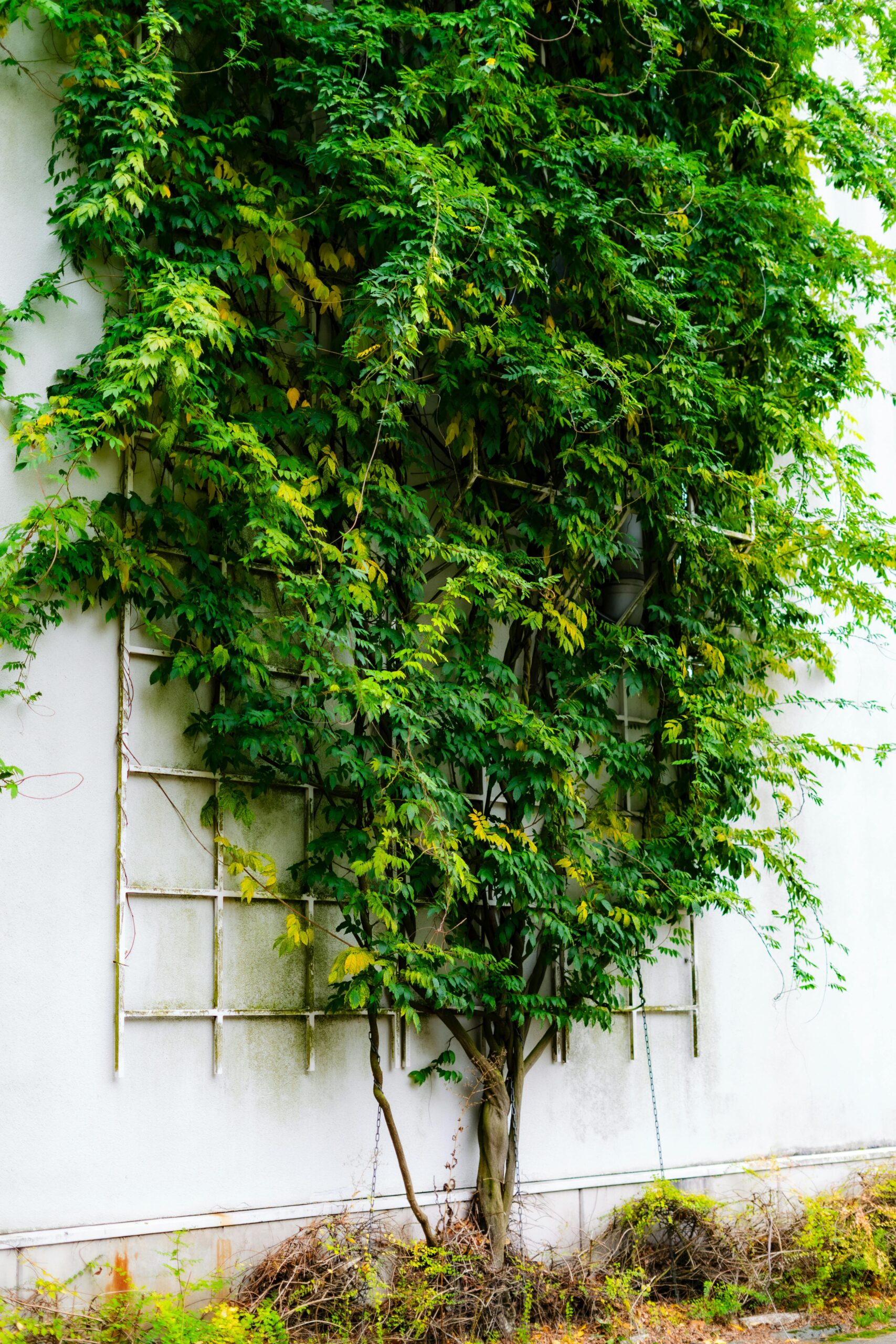
Vertical gardening is a tool I use frequently in my own small garden (200-300 sq feet). I not only build and purchase vertical supports, but I use the natural vertical elements in my backyard, like my fence, as a place for increasing my growing space.
Whether you’re working with a small backyard, a patio, or even a sunny corner near your home, growing upward instead of outward can transform the way your garden produces.
For more vertical gardening tips, check out my gardening book series that is now available on Amazon (click here).
What Is Vertical Gardening?
Vertical gardening is the practice of growing plants upward using supports like trellises, cages, or structures instead of letting them spread across the ground.
This method allows you to maximize small spaces, improve airflow around plants, reduce disease and pests, and make harvesting easier.
Instead of sprawling vines taking over your garden beds, everything grows neatly upward creating both beauty and function.
Why Vertical Gardening Works So Well
In nature, many plants are natural climbers. When given the right support, they thrive by reaching toward the sunlight.
Vertical gardening helps increase your growing space without expanding your garden, keeps fruits and vegetables cleaner, improves sun exposure, and makes watering and harvesting more efficient
It’s one of the simplest ways to grow more food in less space.
Best Plants for Vertical Gardening
Not every plant is suited for vertical growth, but many garden favorites do incredibly well when supported.
Vegetables That Love to Climb
- Tomatoes (indeterminate varieties)
- Cucumbers
- Pole beans
- Peas
- Squash (smaller varieties)
Fruits and Vining Crops
- Melons (with strong support)
- Strawberries (in vertical towers)
Herbs and Greens
- Lettuce (in vertical planters)
- Spinach
- Herbs like basil and parsley
These plants benefit from being lifted off the ground, where they receive better light and airflow.
Types of Vertical Gardening Structures
There are many ways to grow vertically, depending on your space and style.
Trellises
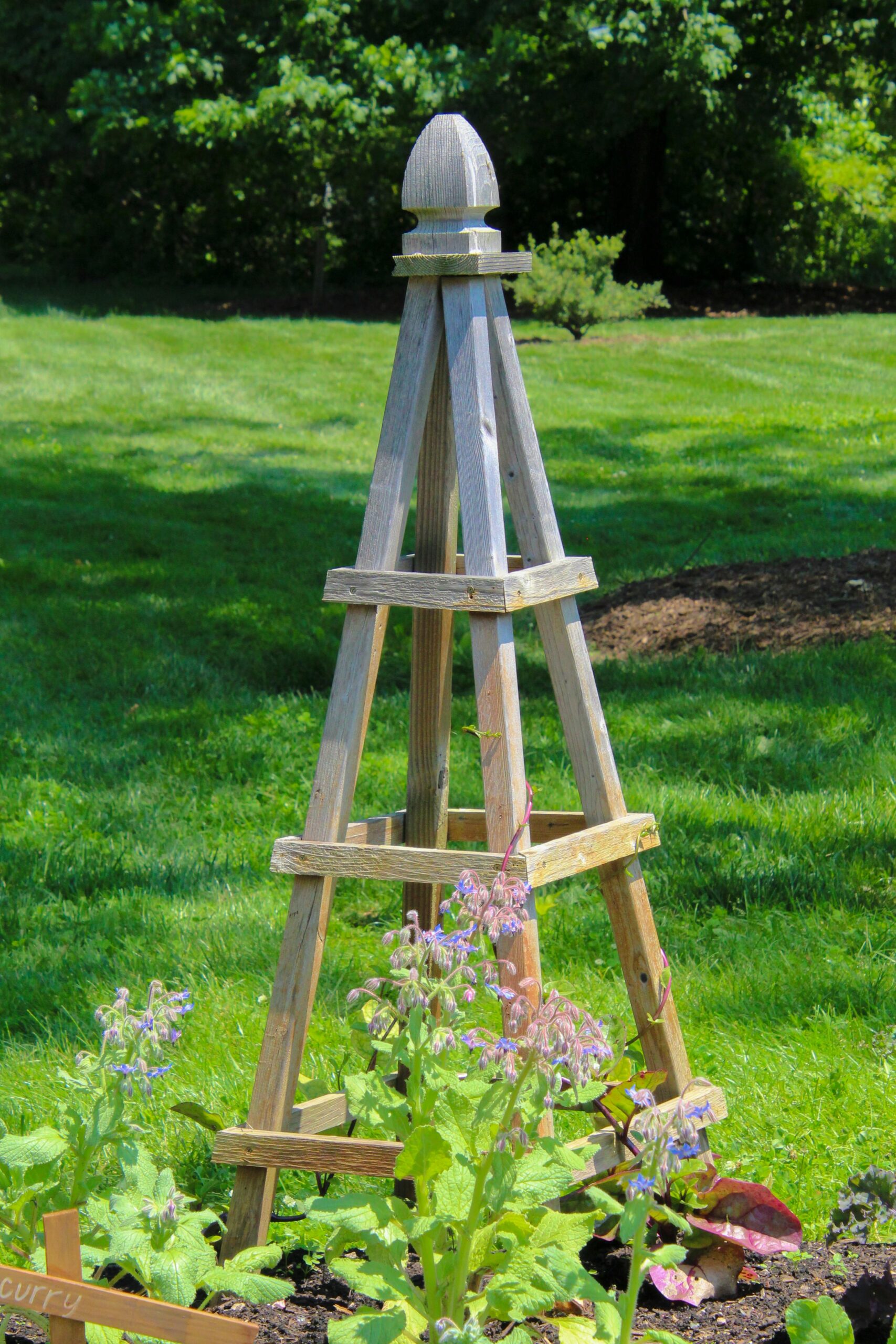
Simple and classic, trellises can be made from wood, metal, or even repurposed materials. Perfect for beans, peas, and cucumbers.

Garden Arches
Arches create a beautiful focal point while supporting climbing plants. They’re ideal for pole beans, squash, and climbing flowers.
Walking under a garden arch covered in greenery is one of the most charming features you can add.
Tomato Cages and Stakes
These provide support for plants that grow upward but need help staying upright.
Best for tomatoes and peppers.
Vertical Planters
Stacked containers or wall-mounted planters are great for small spaces.
Perfect for herbs, leafy greens, and strawberries.
Fences and Walls
Existing structures can easily double as plant supports.
With a little twine or netting, you can turn a simple fence into a productive growing space.
How to Start a Vertical Garden
Getting started with vertical gardening is easier than it may seem.
1. Choose Your Location
Look for a space with:
- At least 6–8 hours of sunlight
- Good air circulation
- Easy access for watering and harvesting
2. Select Your Crops
Choose plants that naturally climb or can be trained upward.
Start with easy growers like beans, cucumbers, or tomatoes.
3. Install Supports Early
It’s best to set up trellises or supports before planting.
This prevents damage to roots later on and gives plants a structure to grow into.
4. Train Your Plants
As plants grow, gently guide them onto supports.
You may need to tie stems loosely with garden twine, weave vines through trellises, and prune excess growth. With a little guidance, most plants will naturally climb.
5. Water and Feed Consistently
Vertical plants can dry out faster, especially in containers.
Be sure to water regularly, add compost or fertilizer as needed, and mulch the base of plants to retain moisture.
Tips for a More Productive Vertical Garden
A few simple strategies can help you get even more from your space.
Grow upward and outward
Combine vertical plants with low-growing crops underneath.
Use strong supports
Heavy crops like tomatoes and squash need sturdy structures.
Harvest often
Regular picking encourages more production.
Rotate crops each season
This helps maintain healthy soil and reduce pests.
Common Mistakes to Avoid
Vertical gardening is simple, but a few mistakes can limit your success.
Weak Structures
Flimsy supports can collapse under the weight of mature plants.
Overcrowding
Even vertical gardens need spacing for airflow.
Forgetting to Train Plants
Without guidance, some plants may sprawl instead of climbing.
A Garden That Grows Up Instead of Out
Vertical gardening is more than just a space-saving trick. It’s a way to make your garden feel fuller, more productive, and easier to manage.
It brings structure and beauty to your growing space while helping you harvest more from every square foot.
And perhaps best of all, it makes gardening feel possible even in places where space is limited.
With a few supports, a bit of planning, and the willingness to grow upward, you can create a garden that is both abundant and beautifully efficient.

Hi, I’m Victoria!
I document our homesteading journey on YouTube: covering sourdough, fresh milled bread, gardening, and simple living. Click here to watch, learn, and be inspired to start your own homestead at home.



Comments
No Comments