

Rhubarb has long been a treasured plant in old-fashioned kitchens, known for its ruby-red stalks and tart flavor tucked into pies, jams, and rustic desserts. But for gardeners in warmer regions, rhubarb can feel almost mythical and something only northern gardeners can grow successfully.
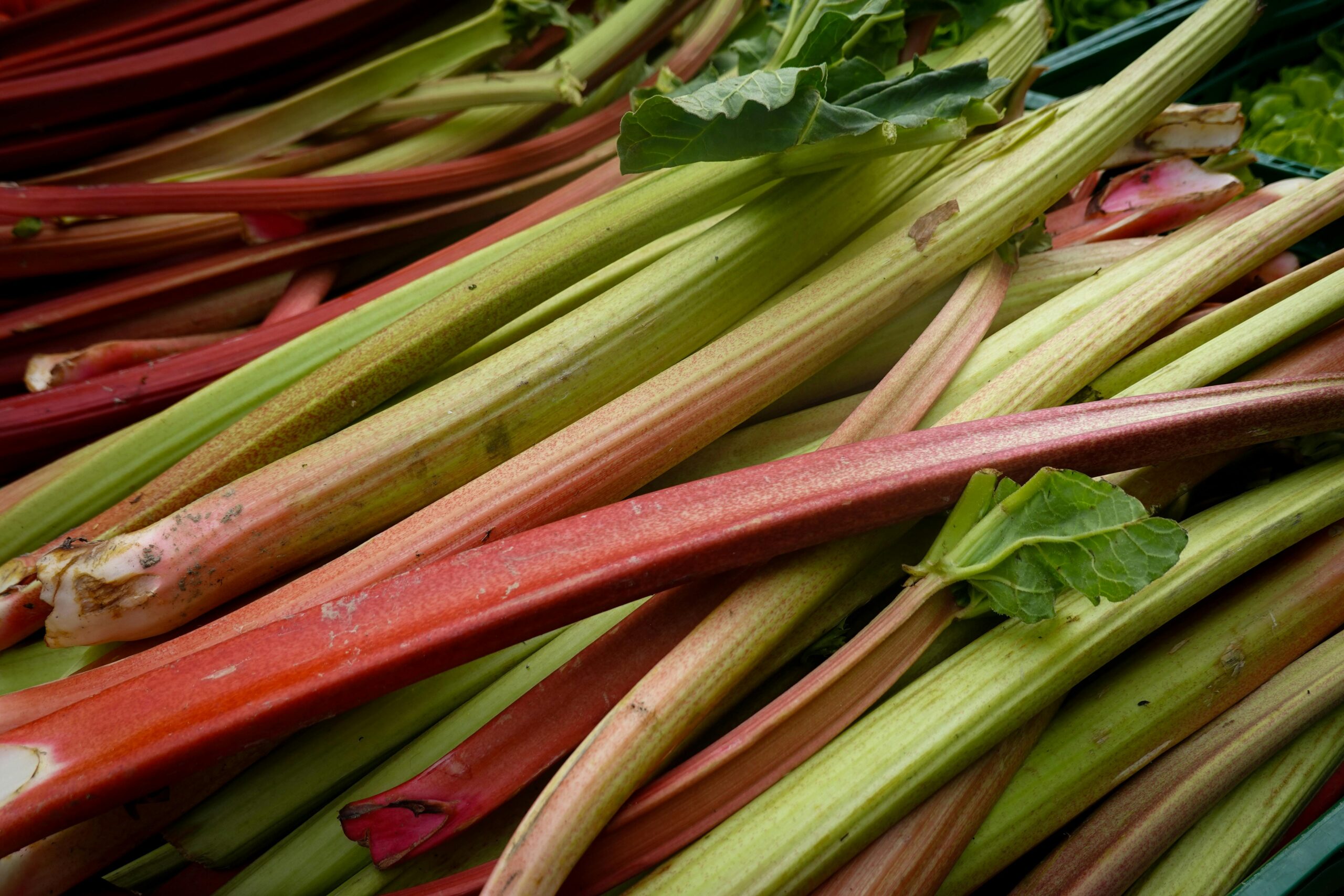
The good news is that growing rhubarb in a hot climate is possible with a little patience, thoughtful placement, and the right varieties. I grow rhubarb successfully in my Texas garden and I'm here to say that it absolutely can be done. While rhubarb naturally prefers cooler weather, many southern and warm-climate gardeners have found ways to keep this beloved perennial thriving even through long summers.
If you’ve dreamed of harvesting your own rhubarb from the garden, don’t give up just because you live in a warmer zone.
Can Rhubarb Grow in Hot Climates?
Yes, but it requires a different approach than in cooler northern gardens.
Rhubarb traditionally thrives in regions with cold winters and mild summers. In hot climates, intense summer heat can stress the plant, slow growth, and cause crowns to struggle if they aren’t properly protected.
The key is creating conditions that help rhubarb stay cool, hydrated, and shaded during the hottest parts of the year.
With the right care, many gardeners successfully grow rhubarb in warmer USDA zones as a perennial or even as a cool-season crop.
Best Rhubarb Varieties for Warm Climates
Some rhubarb varieties tolerate heat better than others. Choosing the right variety makes a significant difference.
Popular heat-tolerant rhubarb varieties include:
- Victoria Rhubarb: One of the most adaptable varieties for warmer climates
- Crimson Red: Known for vibrant stalks and improved heat tolerance
- Cherry Red: Productive with tender stalks
- Riverside Giant: Handles fluctuating conditions relatively well
Starting with strong crowns from a reputable nursery often gives better results than seed in hot regions.
Choose the Coolest Spot in the Garden
Location matters tremendously when growing rhubarb in hot weather.
In warm climates, rhubarb benefits from:
- Morning sun
- Afternoon shade
- Protection from intense western heat
- Consistent airflow
A spot on the east side of a house, near taller plants, or beneath light afternoon shade can help prevent scorching and stress.
Think of rhubarb as a plant that appreciates gentle conditions rather than relentless heat.
Soil Preparation Is Important
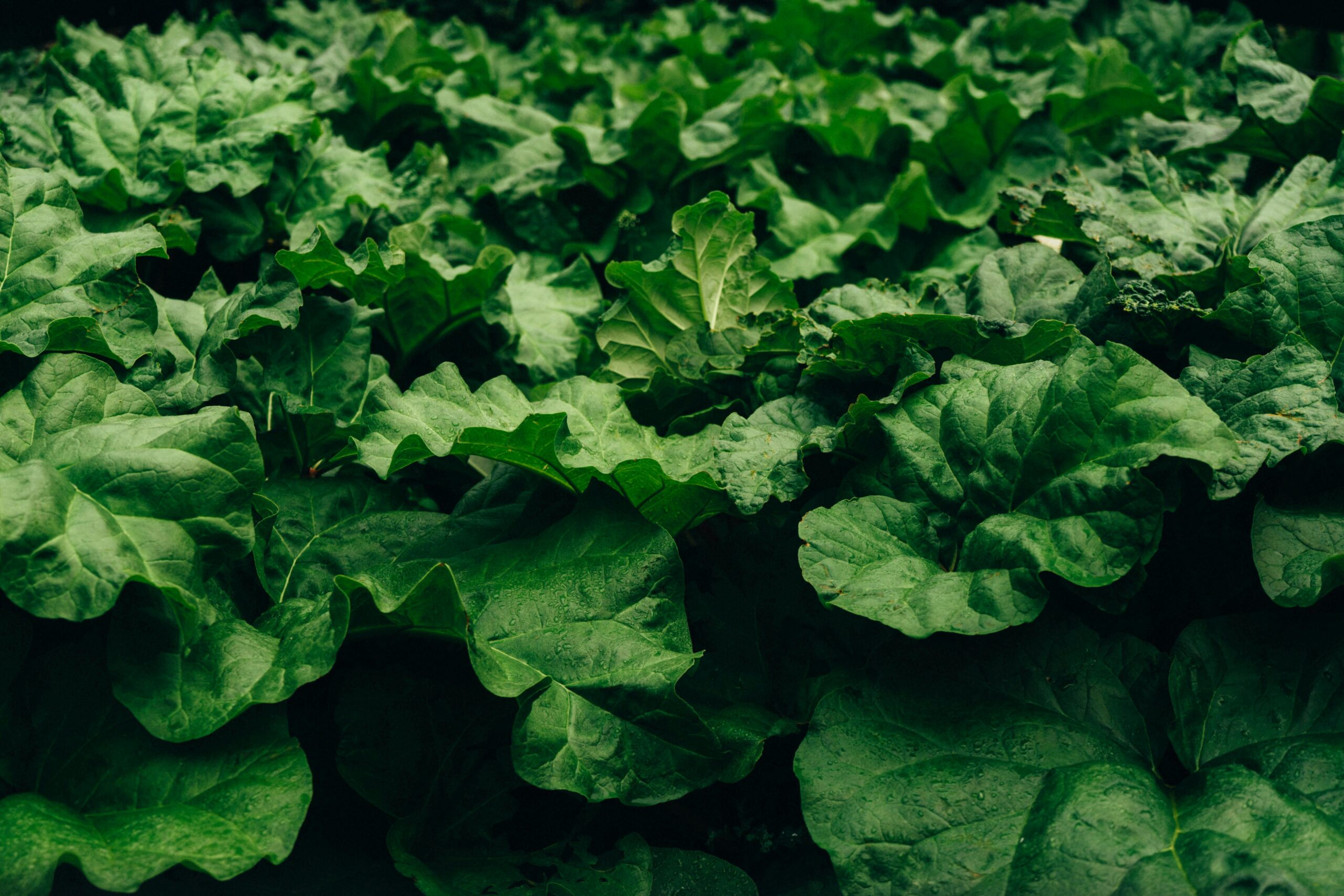
Rhubarb thrives in rich, fertile soil with excellent drainage. Because hot climates can dry soil quickly, organic matter becomes especially important.
Before planting, amend the soil generously with compost, aged manure, leaf mold, and/or organic mulch. Healthy soil helps regulate moisture and temperature around the roots which are both essential for rhubarb survival in warm regions.
How to Plant Rhubarb
Rhubarb is usually planted from crowns rather than seeds.
Planting Tips:
- Plant crowns in late fall, winter, or very early spring in warm climates
- Space plants 3–4 feet apart
- Keep crown buds slightly above soil level
- Water deeply after planting
Mulching heavily around the plant helps insulate the roots and preserve moisture as temperatures rise.
Watering Rhubarb in Hot Weather
Consistent moisture is one of the most important factors for success.
Rhubarb dislikes drying out completely, especially during summer heat. Deep watering helps encourage strong root systems and reduces stress.
In hot climates water deeply rather than frequently, mulch heavily to retain moisture, and avoid letting soil become bone dry. A thick layer of straw, shredded leaves, or wood chips can make a dramatic difference.
Protecting Rhubarb During Summer
Summer is often the hardest season for rhubarb in warm regions.
When temperatures climb:
- Provide afternoon shade cloth if needed
- Keep mulch thick around the crown
- Remove flower stalks to conserve energy
- Avoid harvesting during extreme heat
Some gardeners even treat rhubarb as a cool-season perennial, allowing it to go semi-dormant during the hottest months before regrowing when temperatures cool.
Can You Grow Rhubarb in Containers?
Yes, and in hot climates, containers can actually help.
Growing rhubarb in large containers allows you to move plants into partial shade, better control soil quality, and monitor moisture more carefully. Choose a large, deep pot with excellent drainage and rich soil.
When to Harvest Rhubarb
Newly planted rhubarb should not be heavily harvested during the first year. Giving the plant time to establish strong roots leads to healthier long-term growth.
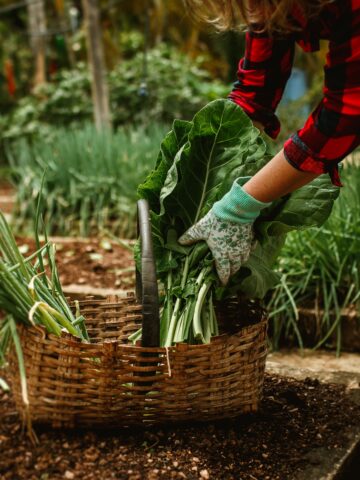
Once mature harvest stalks when they reach 10–15 inches long. Make sure to pull stalks gently from the base rather than cutting and never harvest all stalks at once Remember that rhubarb leaves are not edible and should be discarded.
A Garden Tradition Worth Trying
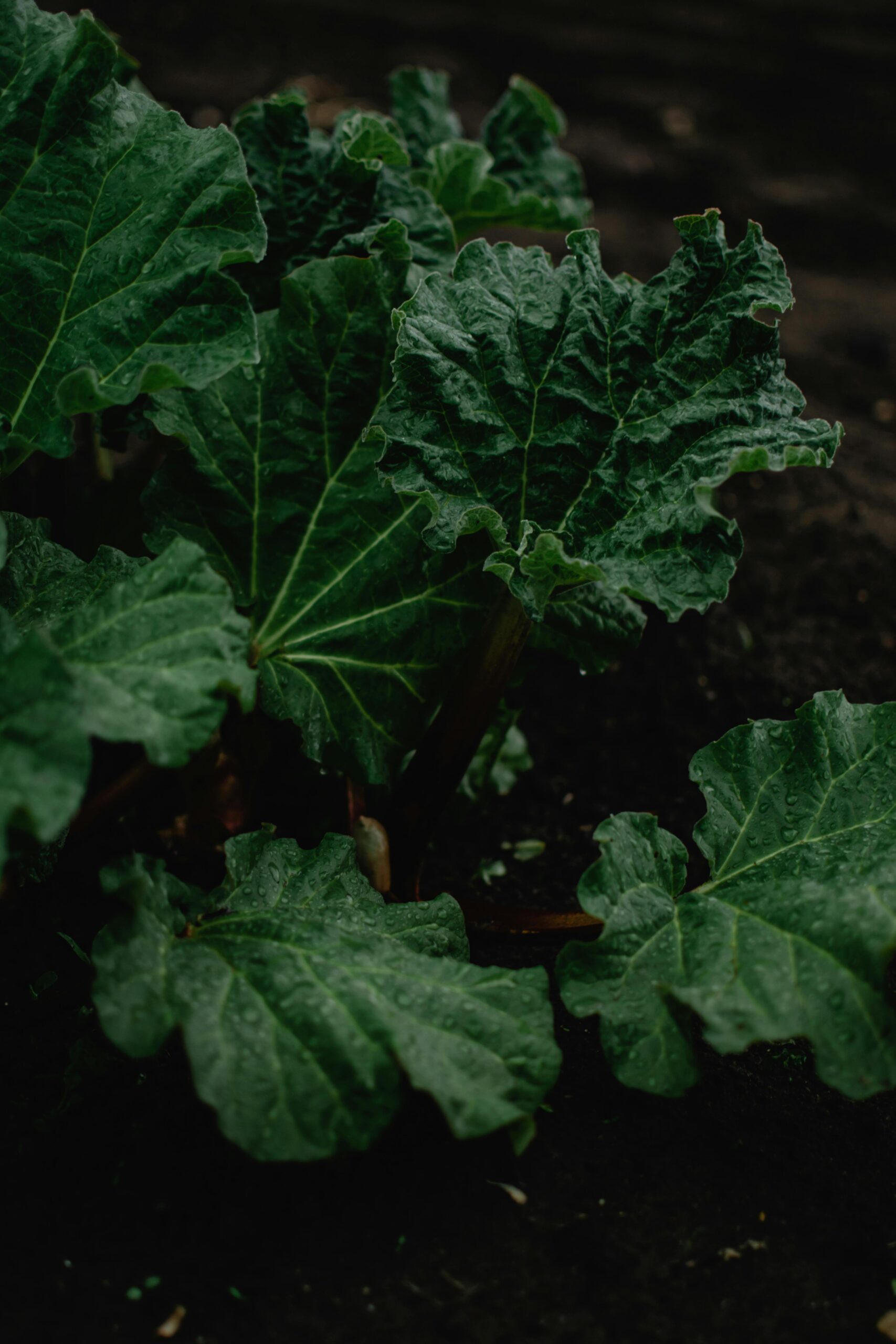
Growing rhubarb in a hot climate may require a little extra care, but there’s something deeply rewarding about nurturing a plant outside its comfort zone. A thriving rhubarb patch tucked beside a southern garden fence feels both practical and a little magical.
Like many traditional garden skills, success often comes slowly season by season, lesson by lesson. But once those bright stalks begin pushing through the soil, you’ll understand why generations of gardeners made room for rhubarb in the first place.

Hi, I’m Victoria!
I document our homesteading journey on YouTube: covering sourdough, fresh milled bread, gardening, and simple living. Click here to watch, learn, and be inspired to start your own homestead at home.
Comments
No Comments