

This post contains affiliate links. This means I earn a small commission at no cost to you. You can view my affiliate disclosure here.
The secret to a thriving raised garden bed isn’t just good soil; it’s how you fill it smartly to save money and nourish your plants. But once the frame is built, many gardeners run into the same surprise: filling raised beds with soil can get expensive fast.
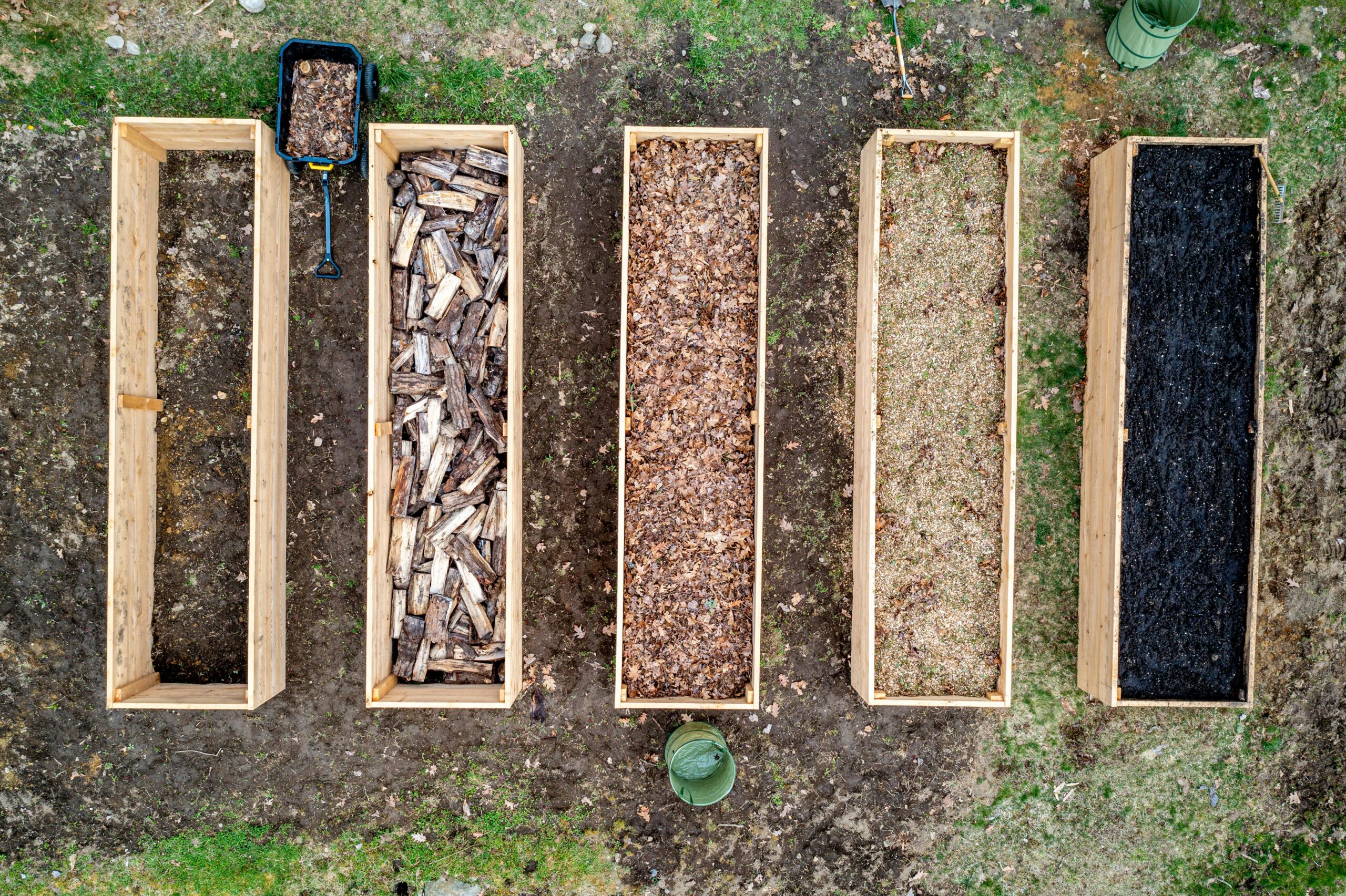
The good news? You don’t have to fill the entire bed with pricey garden soil to grow a thriving garden. With a few simple techniques, you can fill raised beds the right way, improve soil health, and save a surprising amount of money in the process. If you'd like a beginner overview to raised bed gardening, check out this post and my beginner gardening book.
Let’s walk through the method many seasoned gardeners and homesteaders use to build rich, productive beds without breaking the bank.
My sourdough was flat and business was slow

When I first started homesteading, my sourdough was dense and flat, my garden struggled, and it seemed like I was scrambling to get people to notice my business, let alone, buy my products. And for a time, I burnt out.
After years of trial and error, analyzing hundreds of businesses from other sectors, and just pure grit...
I created a free Zero to Homestead Skool Community: a place where homesteaders of all levels share wins, troubleshoot challenges, and get guidance from experienced peers. By joining, you’ll access step-by-step guides to build traditional skills (sourdough, fresh milled flour, traditional foods, preserving, livestock, gardening, and more) plus full courses, workshops, and homestead business-building resources with a supportive network to help your homestead thrive.
Why You Shouldn’t Fill Raised Beds with Only Soil
If you’ve ever priced bulk garden soil, you know it adds up quickly. While I prefer to spend a little more for high quality raised beds, I prefer to save a little on the soil. A single 4×8 raised bed that is 18 inches deep can require over a cubic yard of soil.
But plants don’t actually need that entire depth to be premium soil.
In nature, soil builds gradually from layers of organic matter breaking down over time. By mimicking this natural process inside your raised beds, you can reduce the amount of soil you need, improve drainage, increase soil fertility over time, and encourage beneficial microbes and worms.
This layered method is sometimes compared to the principles of hugelkultur, where organic material slowly decomposes and feeds the soil.
The Layered Method for Filling Raised Beds
Think of filling your raised bed like building a compost pile in reverse. Start with larger materials on the bottom and work your way up to rich soil on top.
1. Start with Large Organic Materials
At the very bottom of your raised bed, place bulky organic materials that will slowly break down.
Good options include:
- Small logs or branches
- Sticks and twigs
- Corn stalks
- Sunflower stalks
- Thick prunings from shrubs
This layer takes up space and reduces how much soil you need to buy. As it decomposes, it also improves soil structure and feeds the garden.
Aim for this bottom layer to fill about 25–40% of the bed.
2. Add a Layer of Yard Waste
Next, add softer organic materials that will break down faster.
Examples include:
- Leaves
- Grass clippings
- Garden trimmings
- Pulled weeds (without seeds)
- Straw or hay
This layer helps fill gaps between the larger materials and begins creating nutrient-rich organic matter.
If the materials are dry, give them a good watering before adding the next layer.
3. Add Compost or Aged Manure
Now it’s time to add fertility.
Spread a generous layer of:
- Compost
- Aged manure
- Partially finished compost
This layer introduces beneficial microbes and nutrients that plants will use throughout the growing season.
Many gardeners use whatever compost they have on hand, even if it’s not fully finished yet.
4. Top with Quality Garden Soil
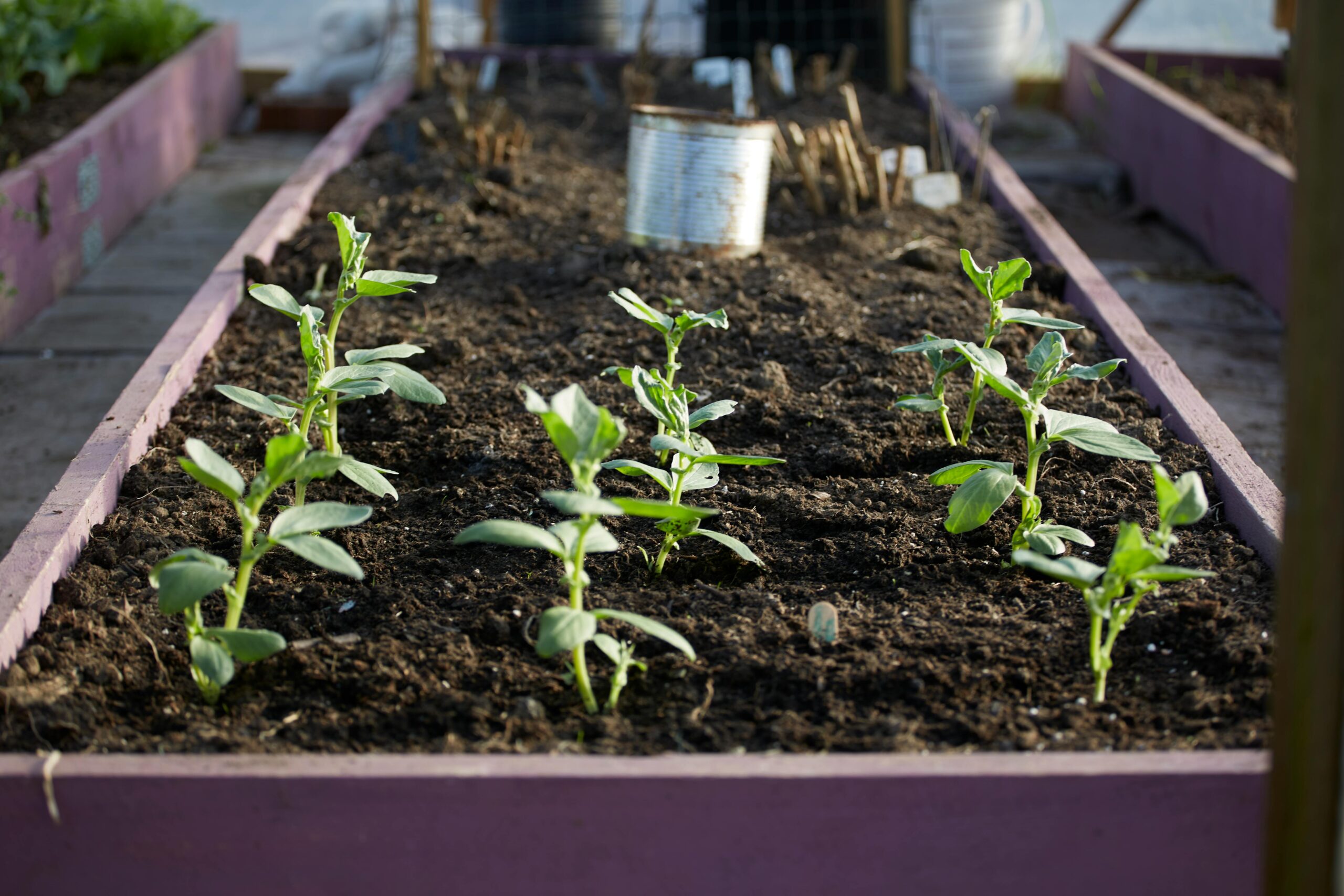
The top layer is where your plants will grow, so this is where you want your best soil.
Add about 8–12 inches of quality garden soil or a raised bed soil mix.
A great simple blend includes:
- Garden soil
- Compost
- Peat moss or coco coir
- A little sand for drainage (if needed)
This layer should be loose, rich, and easy for young roots to grow through.
Water the Bed Thoroughly
After filling the bed, give it a deep watering. This helps settle the layers, begin the decomposition process, and remove air pockets.
Over time, the materials underneath will slowly break down and the soil level may drop slightly. Simply top off with more compost or soil when needed.
How Much Money This Method Can Save
Using organic filler materials can reduce the amount of soil you need by 30–50% or more, especially in deeper beds.
Instead of buying all new soil, you’re using materials that are often free, already on your property, and headed for the compost pile anyway. It’s a simple homestead-style solution that turns yard waste into garden fertility.
Extra Tips for Filling Raised Beds
A few small tips can make a big difference in the long-term health of your garden.
Use what you have first.
Sticks, leaves, and garden debris work perfectly.
Avoid treated wood or diseased plants.
Water each layer lightly as you build the bed.
Add worms if possible. They will help break down organic matter quickly.
Top with compost each season to keep the soil rich and productive.
A Bed That Gets Better Every Year
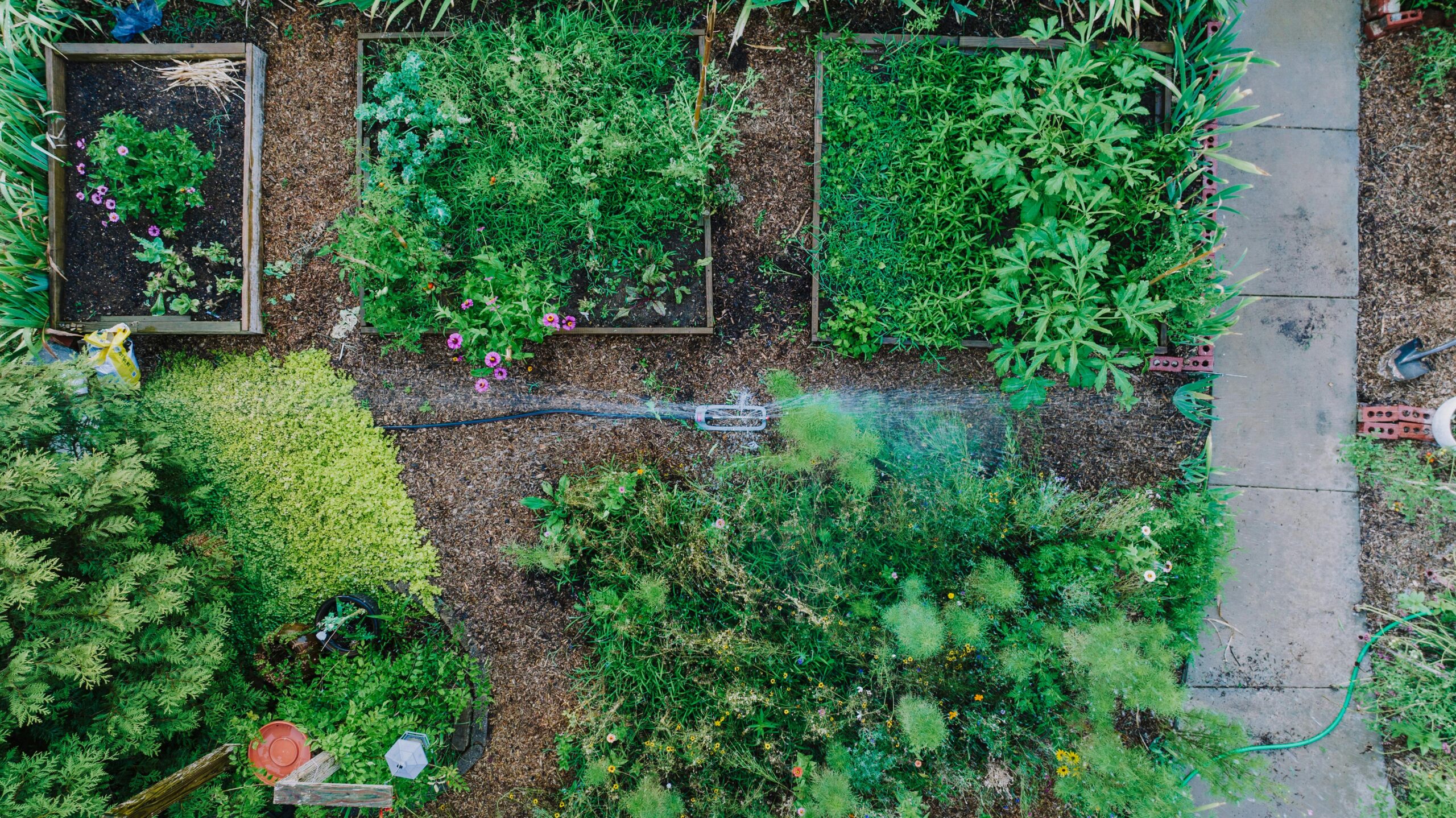
One of the best parts about filling raised beds this way is that your soil improves over time.
As the organic materials break down, they create rich humus, better water retention, and healthier soil biology. What starts as a simple raised bed slowly becomes a living ecosystem that feeds your plants naturally.
And that’s the beauty of a garden built with patience and a little rustic wisdom.

Hi, I’m Victoria!
I document our homesteading journey on YouTube: covering sourdough, fresh milled bread, gardening, and simple living. Click here to watch, learn, and be inspired to start your own homestead at home.



Comments
No Comments