

This post contains affiliate links. This means I earn a small commission at no cost to you. You can view my affiliate disclosure here.
A beautiful cottage garden feels like stepping into a storybook, where flowers spill over pathways and every corner bursts with color and life. Soft pathways winding through overflowing beds of flowers, bees drifting lazily between blooms, and vegetables tucked among herbs and blossoms in a way that feels both abundant and natural.
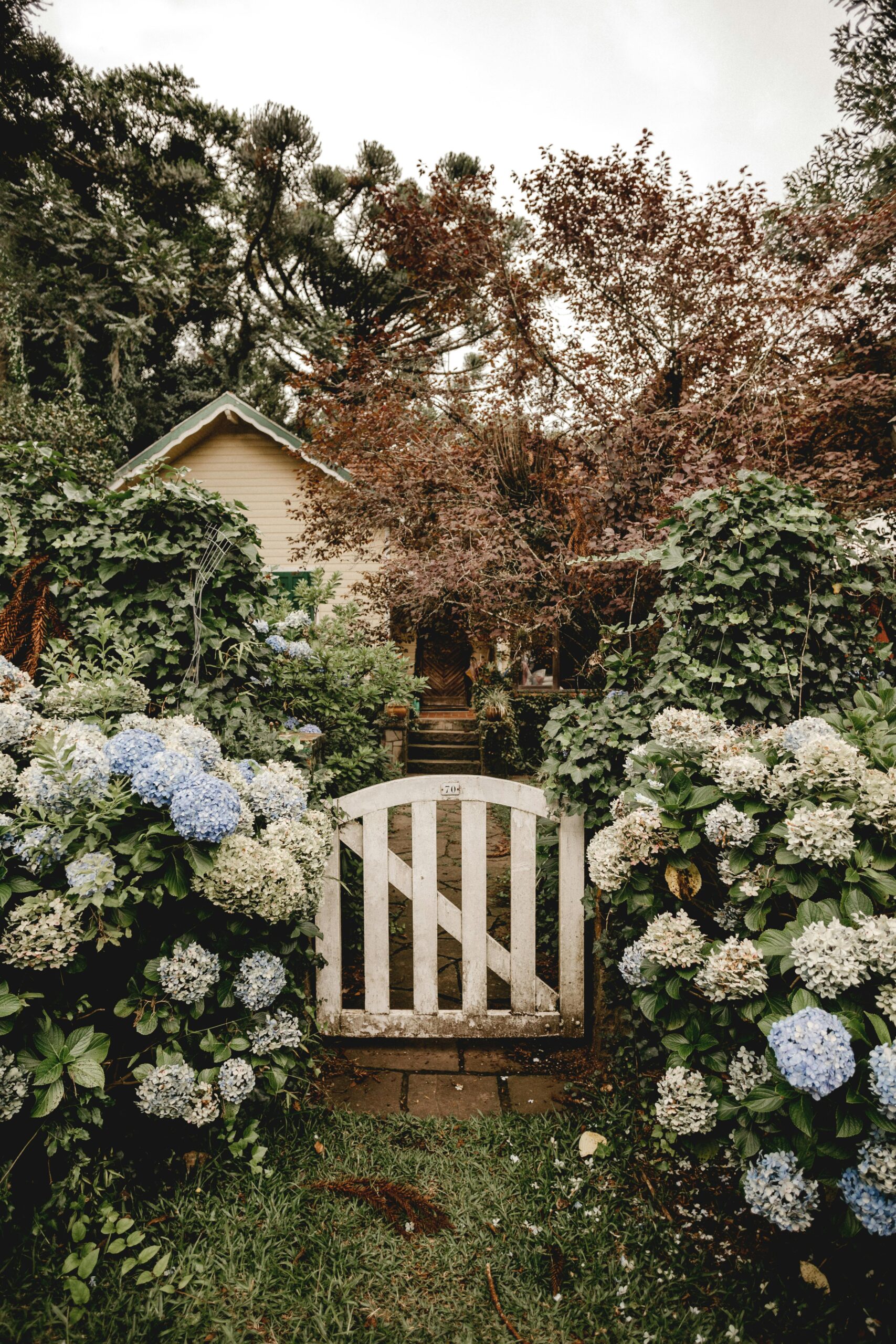
Unlike formal gardens with straight lines and perfect symmetry, a cottage garden feels alive. It grows fuller each year, layering color, texture, and fragrance into a space that invites you to linger.
If you’ve ever dreamed of creating that romantic, old-fashioned garden charm, these seven cottage garden secrets will help you build a space that feels both beautiful and welcoming.
My sourdough was flat and business was slow

When I first started homesteading, my sourdough was dense and flat, my garden struggled, and it seemed like I was scrambling to get people to notice my business, let alone, buy my products. And for a time, I burnt out.
After years of trial and error, analyzing hundreds of businesses from other sectors, and just pure grit...
I created a free Zero to Homestead Skool Community: a place where homesteaders of all levels share wins, troubleshoot challenges, and get guidance from experienced peers. By joining, you’ll access step-by-step guides to build traditional skills (sourdough, fresh milled flour, traditional foods, preserving, livestock, gardening, and more) plus full courses, workshops, and homestead business-building resources with a supportive network to help your homestead thrive.
1. Plant in Layers for Depth and Beauty
One of the defining characteristics of a cottage garden is the sense of fullness and depth. Plants are arranged in layers rather than strict rows.
Typically, gardeners place:
- Tall flowers and climbers in the back
- Medium-height plants in the middle
- Low-growing herbs and flowers along borders
For example, tall hollyhocks or sunflowers might rise behind a patch of lavender and coneflowers, while thyme or creeping flowers soften the edges of the path.
This layered approach gives the garden that charming, overflowing appearance.
2. Mix Flowers, Herbs, and Vegetables
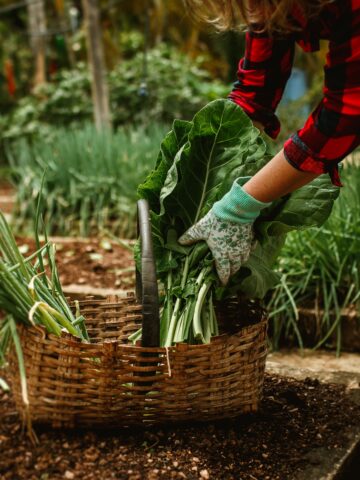
Traditional cottage gardens were never just for flowers. They were practical spaces where beauty and food were grown side by side.
You might find:
- Tomatoes growing beside marigolds
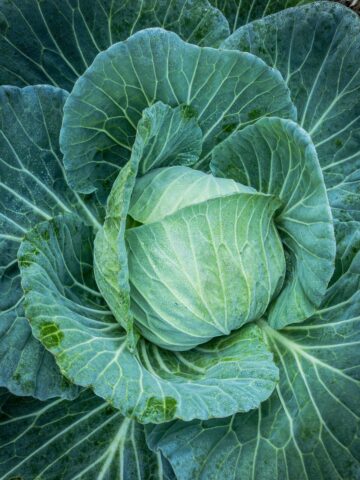
- Nasturtiums trailing around cabbage
- Herbs tucked between vegetables
This mixture not only looks beautiful, it also supports a healthier garden ecosystem by attracting pollinators and beneficial insects.
3. Choose Old-Fashioned, Easy-to-Grow Flowers
Cottage gardens are filled with flowers that have been grown for generations. These plants are typically hardy, long-blooming, and easy to care for.
Some classic cottage garden flowers include:
- Hollyhocks
- Foxglove
- Delphinium
- Shasta daisies
- Peonies
- Sweet peas
- Black-eyed Susans
- Lavender
Many of these plants also reseed themselves, helping your garden grow more abundant each year.
4. Let the Garden Feel Slightly Wild
A cottage garden should feel natural and relaxed, not overly controlled.
Rather than trimming every plant into tidy shapes, allow flowers to spill into pathways and mingle together. The beauty of this style comes from its gentle, organic look.
Of course, some maintenance is still necessary but the goal is to create a garden that feels lived in rather than perfectly manicured.
5. Add Garden Structures for Charm
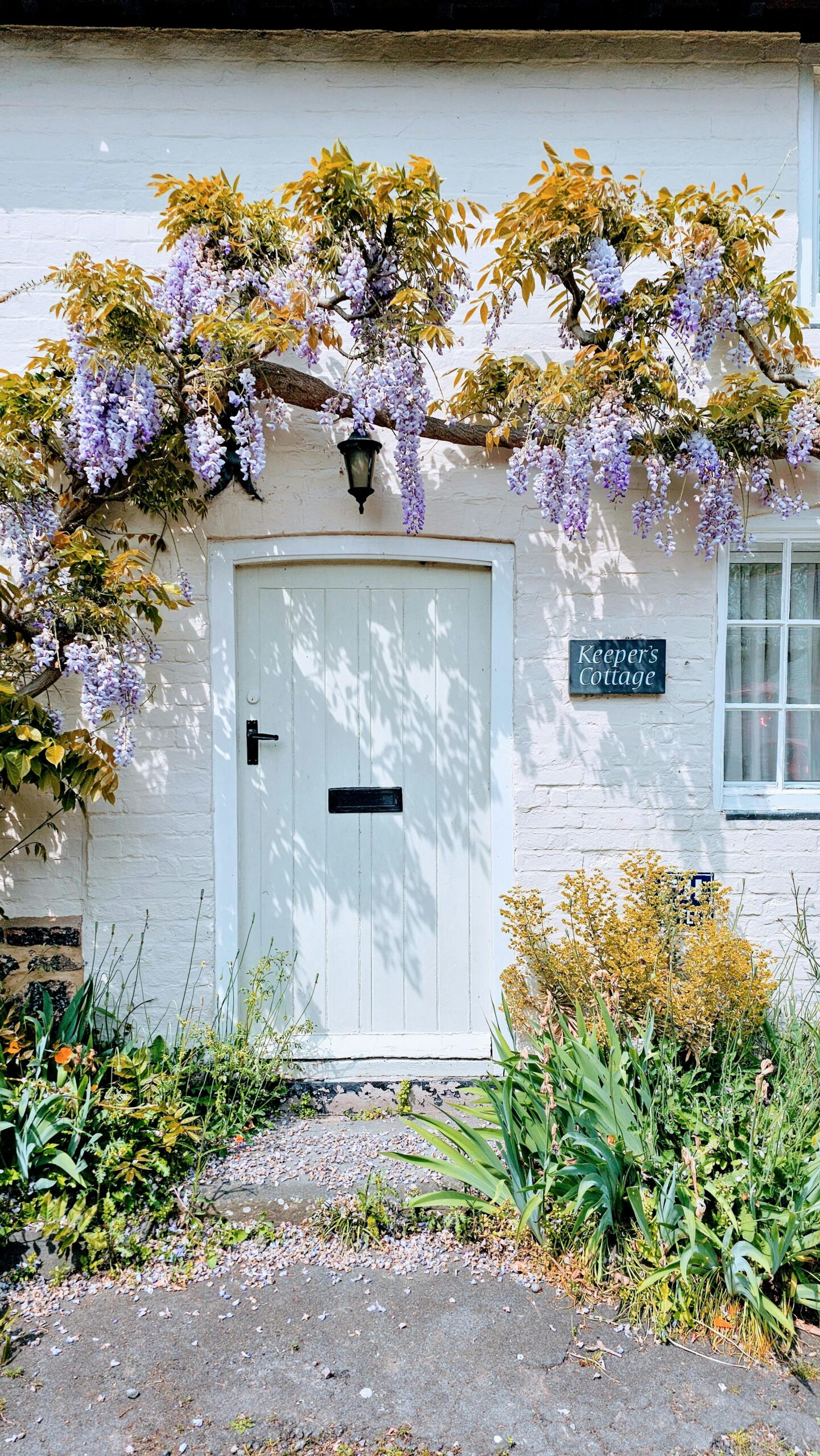
Simple garden structures help bring character and height to a cottage garden.
Consider adding elements such as:
- Wooden trellises for climbing flowers
- Garden arches covered in roses
- Rustic fences
- Arbors or gates
- Stone pathways
These features help create that storybook garden feeling while also supporting climbing plants.
6. Invite Pollinators Into Your Garden
A truly thriving cottage garden is filled with life.
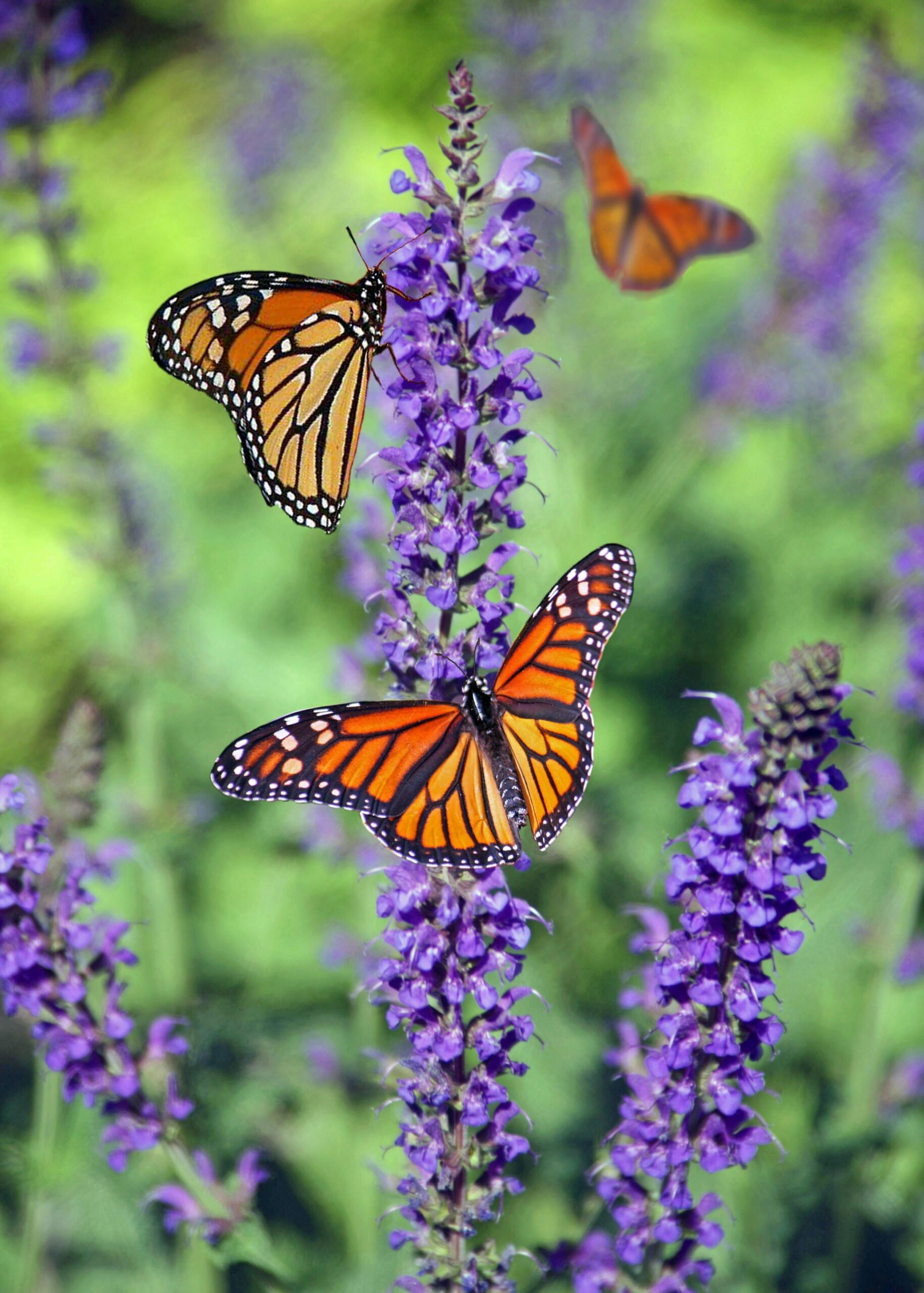
Bees, butterflies, and hummingbirds are drawn to gardens rich with nectar-producing flowers. These pollinators not only bring beauty and movement to the garden but also help vegetables produce more fruit.
Some excellent pollinator plants include:
- Bee balm
- Coneflowers
- Lavender
- Zinnias
- Cosmos
- Sunflowers
The more pollinators you welcome, the more vibrant your garden becomes.
7. Allow Your Garden to Grow and Evolve
Perhaps the most important secret of a beautiful cottage garden is patience.
Cottage gardens rarely appear perfect in the first year. They grow richer and more layered over time as plants spread, reseed, and find their place.
What begins as a small planting can slowly transform into a lush and abundant garden filled with color, fragrance, and life.
Each season adds something new.
Creating a Garden That Feels Like Home
A cottage garden is more than a collection of plants. It’s a space that invites you outside, slows your pace, and connects you with the rhythms of the seasons.
It’s where vegetables grow beside flowers, bees hum through the afternoon air, and the garden itself becomes a place of quiet joy.
And the beauty of cottage gardening is that it doesn’t require perfection—just a willingness to grow and let the garden unfold naturally.
Want to Create Your Own Cottage-Style Garden?
If you love the idea of blending flowers, vegetables, and herbs into one charming and productive space, my book The Cottage-Style Vegetable Garden was written to help you do exactly that.
Inside the book, you’ll learn how to:
- Design a beautiful cottage-style garden layout
- Combine vegetables and flowers naturally
- Create pollinator-friendly growing spaces
- Build a garden that is both productive and beautiful
If you're ready to turn your garden into a peaceful, abundant cottage garden, The Cottage-Style Vegetable Garden will guide you every step of the way.

Hi, I’m Victoria!
I document our homesteading journey on YouTube: covering sourdough, fresh milled bread, gardening, and simple living. Click here to watch, learn, and be inspired to start your own homestead at home.

Comments
No Comments