

There’s a quieter, gentler way to grow a garden: one that works with the soil instead of against it. No-till gardening is a simple, time-tested method that builds rich, living soil without the need for digging or heavy labor.
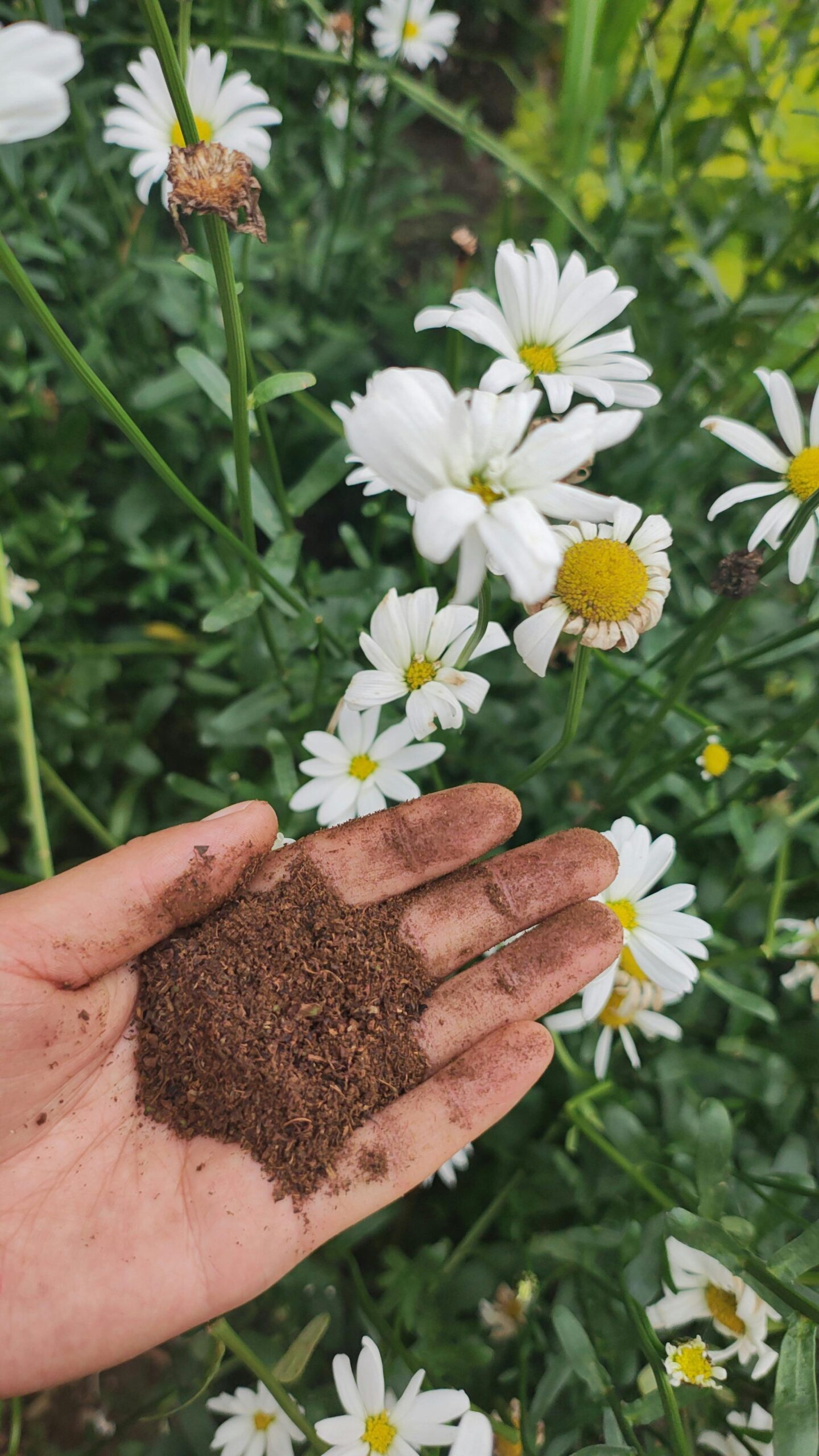
If you’ve ever felt overwhelmed by hard ground, constant weeding, or poor soil that just won’t cooperate, this approach may feel like a breath of fresh air. With no-till gardening, you can create a productive, beautiful garden while improving your soil year after year.
What Is No-Till Gardening?
No-till gardening is exactly what it sounds like: growing a garden without turning or disturbing the soil.
Instead of digging or tilling, you add layers of organic matter on top, let worms and microbes do the work, and build soil structure naturally over time. This method mimics how soil is built in nature: slowly, steadily, and full of life.
Why No-Till Gardening Works So Well
When you avoid tilling, you protect the natural structure of your soil. Beneath the surface, there’s an entire ecosystem at work: earthworms, fungi, and beneficial bacteria all helping your plants thrive.
No-till gardening helps:
- Preserve soil structure
- Retain moisture
- Reduce weeds over time
- Increase soil fertility naturally
- Support beneficial organisms
Over time, your soil becomes darker, softer, and easier to work with without the backbreaking effort.
The Benefits of No-Till Gardening
Many homesteaders find that once they switch to no-till, they never go back.
Healthier Soil
Soil becomes rich in organic matter and beneficial microbes, leading to stronger plant growth.
Fewer Weeds
Layering materials like cardboard and mulch suppresses weeds naturally.
Less Work
No digging, no heavy equipment, just steady, simple care.
Better Moisture Retention
Mulch and organic layers help soil hold water longer, reducing how often you need to water.
How to Start a No-Till Garden
Starting a no-till garden is simple, even if your soil is poor or compacted.
Step 1: Choose Your Garden Area
Pick a spot that receives 6–8 hours of sunlight each day.
You can start directly on grass, weedy areas, and even hard, compacted soil. No digging required.
Step 2: Lay Down a Weed Barrier
Cover the ground with cardboard and newspaper (several layers thick). This blocks weeds and grass while breaking down naturally over time.
Be sure to water the layer well so it stays in place.
Step 3: Add Organic Matter
This is where the transformation begins.
Layer on:
- Compost
- Aged manure
- Leaves
- Grass clippings
- Straw
Aim for 4–6 inches of organic material on top of your barrier.
Step 4: Top With Mulch
Add a final layer of mulch to protect the soil.
Good options include straw, wood chips, and shredded leaves. This helps retain moisture and continues feeding the soil as it breaks down.
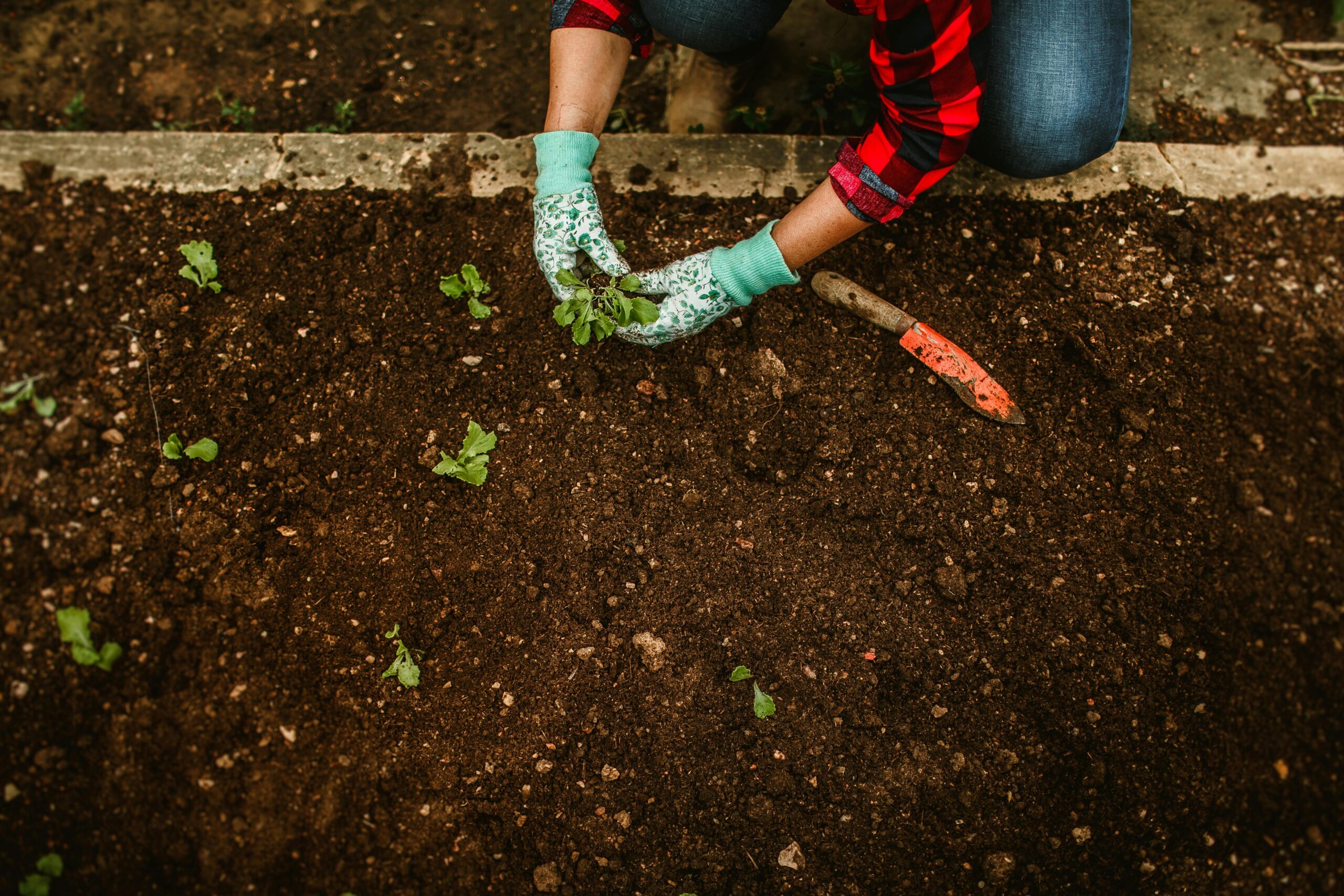
Step 5: Plant Directly Into the Layers
You can plant right into your no-till bed.
For transplants:
- Pull back the mulch
- Add a small amount of compost
- Plant directly into the bed
For seeds:
- Create a small row of compost or soil
- Sow seeds as usual
What to Plant in a No-Till Garden
Most vegetables thrive in a no-till system, especially as the soil improves over time.
Beginner-friendly options include:
- Tomatoes
- Zucchini
- Beans
- Lettuce
- Kale
- Peppers
Root crops like carrots and potatoes also do well once the soil becomes softer.
Maintaining a No-Till Garden
No-till gardening is low maintenance, but a few simple habits will keep your garden thriving.
Keep Adding Organic Matter
Each season, add compost or mulch to continue building soil.
Mulch Regularly
A fresh layer of mulch helps suppress weeds and protect soil.
Avoid Disturbing the Soil
Resist the urge to dig. Let nature do the work.
Rotate Crops
Plant different crops in different areas each year to maintain soil balance.
Common Mistakes to Avoid
Even though no-till gardening is simple, there are a few things to watch for.
Not Adding Enough Organic Material
Thin layers won’t suppress weeds effectively. Be generous.
Letting Soil Dry Out
Mulch helps, but regular watering is still important.
Expecting Instant Results
Soil improves over time. The first year may be good, but the second and third years are even better.
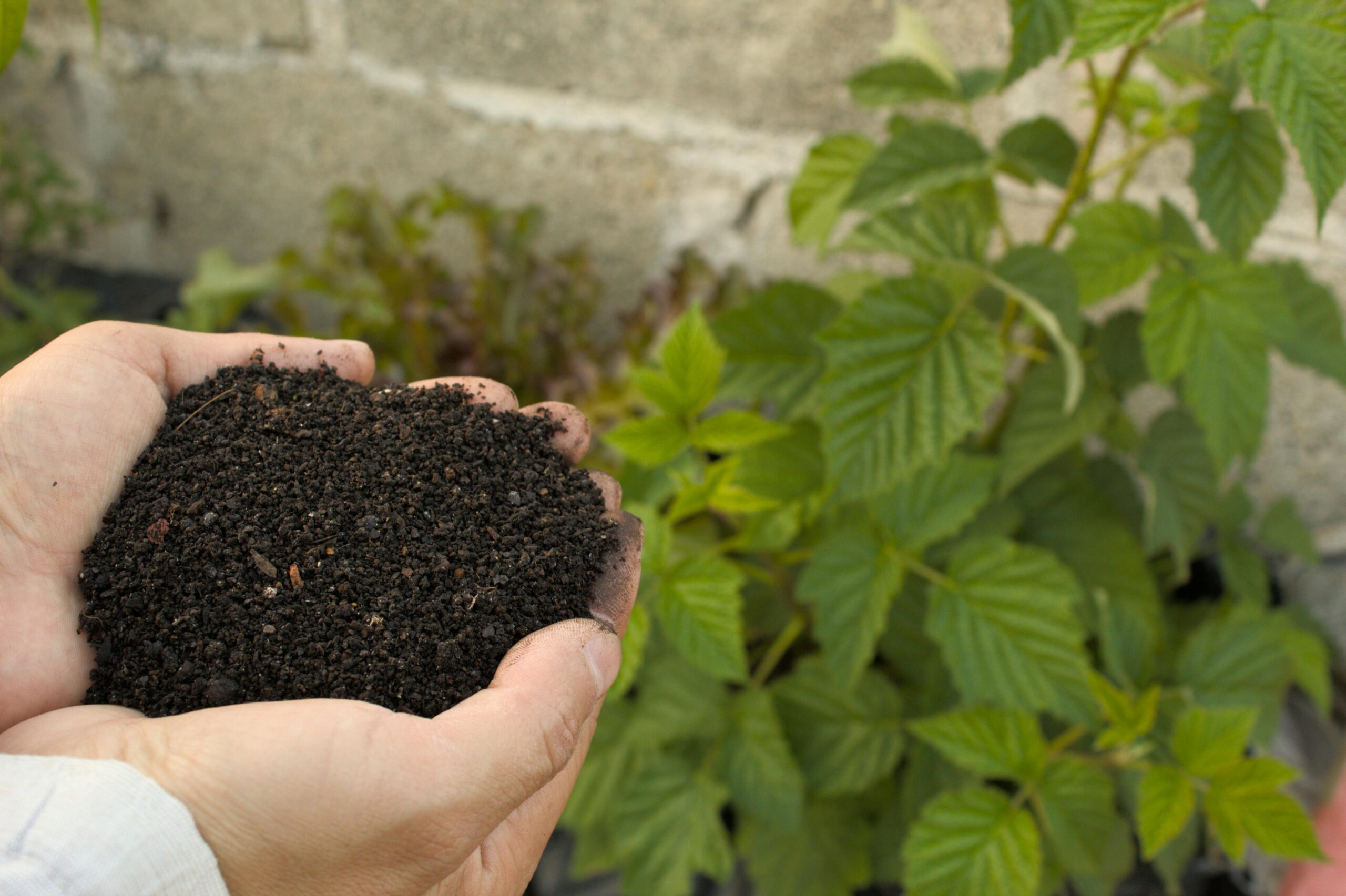
A Garden That Grows Better Each Year
One of the most beautiful things about no-till gardening is that it improves with time.
Each season:
- The soil becomes richer
- Plants grow stronger
- Weeds become easier to manage
- The garden feels more balanced
Instead of starting over each year, you’re building something lasting.
A Simpler Way to Garden
No-till gardening brings you back to the heart of what gardening is meant to be: working alongside nature, not against it.
It’s slower, quieter, and far more forgiving.
And whether you’re starting with poor soil or simply looking for a more sustainable way to grow, this method offers a path toward a garden that is both productive and deeply satisfying.

Hi, I’m Victoria!
I document our homesteading journey on YouTube: covering sourdough, fresh milled bread, gardening, and simple living. Click here to watch, learn, and be inspired to start your own homestead at home.

Comments
No Comments