
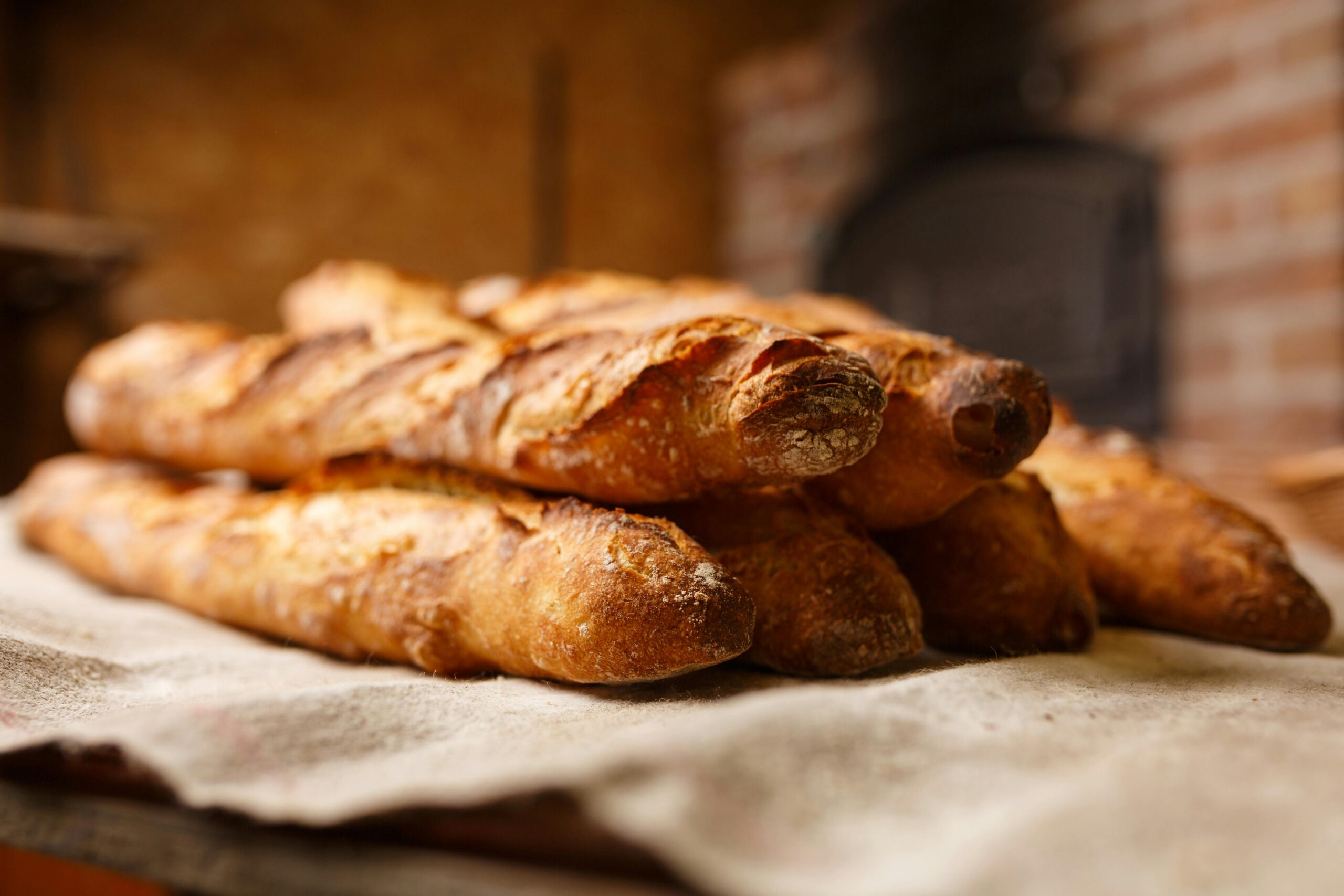
Pulling a loaf of sourdough from your oven is special, but even more special when that loaf finds its way into someone else’s home. For many home bakers, selling sourdough bread starts as a small idea and slowly grows into a meaningful homestead income.
But before you begin selling, it’s important to understand the rules that make it all possible: cottage food laws.
If you’ve been wondering how to legally sell sourdough bread from home, this guide will walk you through the basics in a simple, practical way, so you can move forward with confidence.
What Are Cottage Food Laws?
The information presented in this post is not presented as a source of legal advice. Always consult your local cottage food laws.
Cottage food laws are state-specific regulations that allow individuals to prepare and sell certain homemade foods from their own kitchens.
These laws are designed to:
- Support small, home-based food businesses
- Allow low-risk foods to be sold without a commercial kitchen
- Make it easier for homesteaders and bakers to earn income
Sourdough bread typically falls under “non-potentially hazardous foods,” which means it is often allowed under cottage food laws.
However, each state has its own rules, so it’s important to check your local requirements.
Can You Sell Sourdough Bread From Home?
In most states across the U.S., yes, you can sell sourdough bread from home under cottage food laws.
Because sourdough bread is shelf-stable, low moisture (compared to perishable foods), and not requiring refrigeration, it is commonly approved for home sale. That said, what you can sell, and where you can sell it, depends on your state.
Where Can You Sell Sourdough Bread?
Cottage food laws usually allow sales in a few specific places. Common options include farmers markets, roadside stands, direct sales from your home, and community events.
Some states also allow online orders with local pickup and/or delivery within your state. However, most cottage food laws do not allow shipping across state lines.
Basic Requirements for Selling Sourdough Bread
While the exact rules vary, most states require a few common steps before you begin selling.
1. Food Safety Training
Some states require a food handler’s permit or basic food safety course.
This helps ensure you understand proper handling, sanitation, and storage practices.
2. Approved Food List
You’ll need to confirm that sourdough bread is on your state’s approved cottage food list.
Plain sourdough bread is usually allowed, but certain add-ins (like cheese or meat) may not be.
3. Proper Labeling
Most states require clear labeling on all cottage food products.
A typical label includes:
- Product name
- Ingredients (listed by weight)
- Allergen information (such as wheat)
- Your name or business name
- Your city and state
- A statement such as:
“This product was made in a home kitchen not inspected by the health department.”
4. Annual Sales Limits
Many states place a cap on how much you can earn under cottage food laws.
This limit often ranges from:
- $10,000 to $50,000+ per year
If your business grows beyond that, you may need to transition to a commercial kitchen.
What You Can’t Do Under Cottage Food Laws
Understanding the limits is just as important as knowing what’s allowed.
Most cottage food laws prohibit:
- Selling perishable foods (like cream-filled pastries)
- Using a commercial kitchen without proper licensing
- Selling across state lines
- Selling to restaurants or retail stores (in some states)
Always check your state’s specific guidelines before expanding your offerings.
Tips for Starting a Sourdough Bread Business
Once you understand the legal side, the real fun begins: building your sourdough business.
Start Small
Begin with a few loaves per week and grow as you gain confidence.
Keep Your Recipe Consistent
Consistency builds trust with customers. Use the same ingredients, timing, and process each time.
Price for Profit
Don’t forget to account for ingredients, time, and packaging. Your bread should reflect the value of handmade, artisan quality.
Build Local Relationships
Selling at farmers markets or to your community helps you build loyal, repeat customers. Word-of-mouth is powerful in small food businesses.
Focus on Quality Over Quantity
A few excellent loaves will always outperform many inconsistent ones.
Is Selling Sourdough Bread Worth It?
For many homesteaders, selling sourdough bread becomes more than just a side income; it becomes a meaningful rhythm.
It’s early mornings, slow fermentation, and the quiet satisfaction of sharing something handmade with others.
And because cottage food laws make it accessible, you don’t need a commercial kitchen or a large investment to begin.
You just need:
- A reliable sourdough starter
- A consistent recipe
- A willingness to learn
- And a heart for sharing good food
A Simple Way to Turn Baking Into Income
Selling sourdough bread from home is one of the most approachable ways to start a homestead-based business.
With a little research and careful attention to your local cottage food laws, you can begin right where you are using your own kitchen, your own skills, and your own time.
And over time, what starts as a few loaves a week can grow into something steady, sustainable, and deeply rewarding.

Hi, I’m Victoria!
I document our homesteading journey on YouTube: covering sourdough, fresh milled bread, gardening, and simple living. Click here to watch, learn, and be inspired to start your own homestead at home.



Comments
No Comments