

This post contains affiliate links. This means I earn a small commission at no cost to you. You can view my affiliate disclosure here.
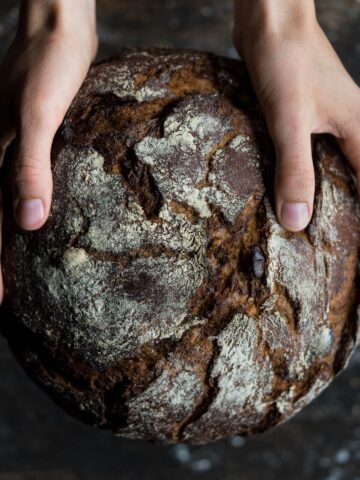
Dark, hearty, and deeply flavorful, sourdough pumpernickel bread is the kind of rustic loaf that turns simple meals into something memorable. The deep aroma of rye, the earthy richness, the hearty texture: it feels like the kind of bread meant to nourish generations gathered around a farmhouse table.
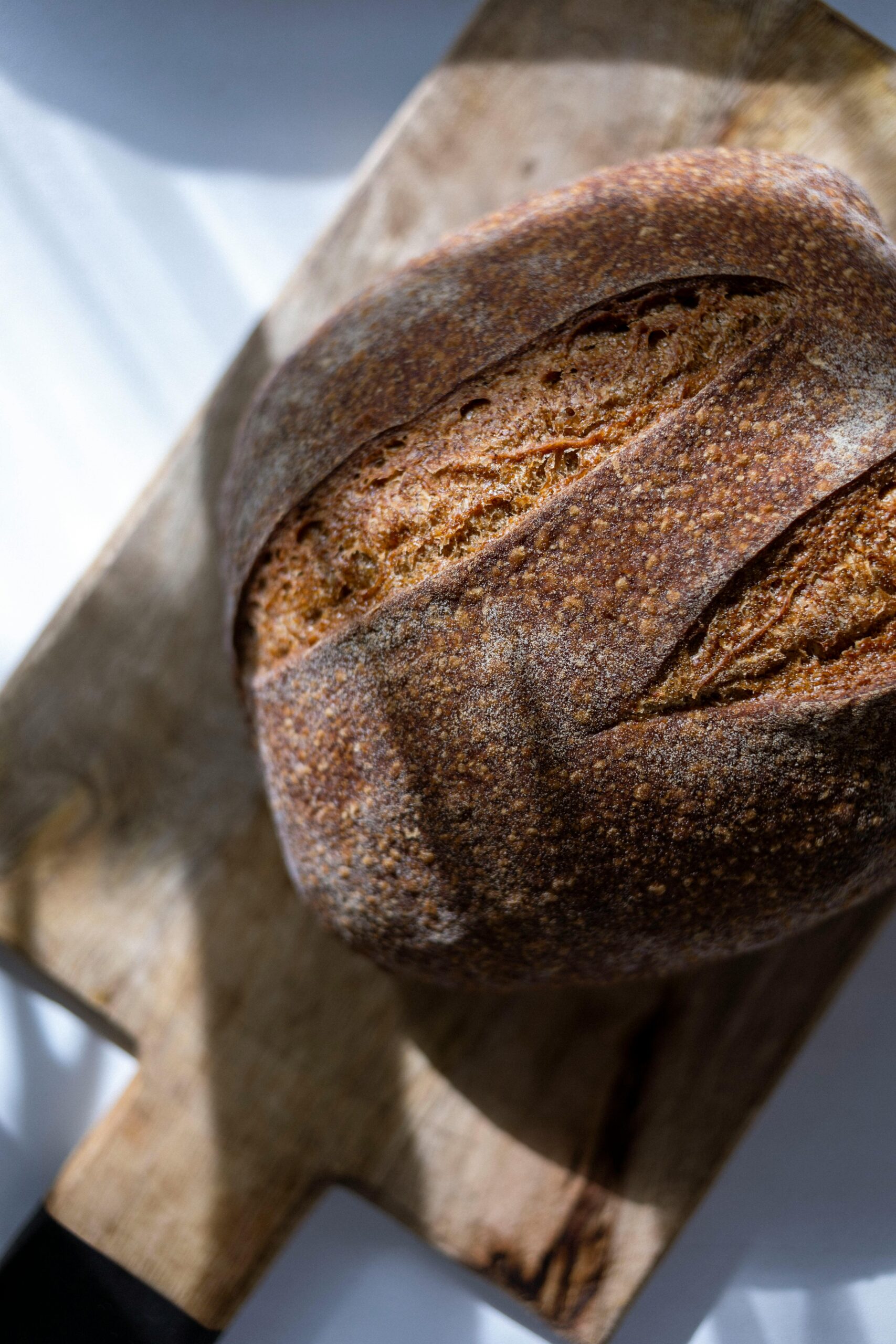
Sourdough pumpernickel bread is one of those old-world recipes that carries history in every slice. Slow-fermented and richly flavored, it’s a bread that asks for patience and rewards it generously. Whether spread with fresh butter, served beside a warm soup, or toasted the next morning, pumpernickel has a way of bringing comfort to even the simplest meal.
If you’ve wanted to try baking a hearty rye sourdough at home, this rustic loaf is a beautiful place to begin.
What Is Pumpernickel Bread?
Traditional pumpernickel bread is a dense, dark rye bread that originated in Germany. Authentic versions were often baked slowly for many hours, developing their characteristic deep flavor and dark color naturally over time.
Modern pumpernickel recipes vary widely, but most include rye flour, sourdough starter, molasses or dark sweetener, and long fermentation for flavor development.
The result is a rich, slightly tangy bread with earthy notes and a wonderfully hearty texture.
Why Make Pumpernickel Bread with Sourdough?
Sourdough and rye are a natural pairing. Rye flour ferments beautifully with natural starter cultures, creating a loaf with incredible depth of flavor and character.
Many home bakers love sourdough pumpernickel because it has a rich, complex flavor, uses traditional fermentation methods, and pairs beautifully with savory foods. It also keeps well for several days and feels hearty and deeply satisfying.
The slow fermentation also helps create a softer crumb and fuller flavor than quick-rise breads.
What Does Sourdough Pumpernickel Taste Like?
Pumpernickel bread has a flavor unlike standard white sandwich bread. It’s earthy, slightly tangy, mildly sweet, and rich and hearty.
The rye flour gives it a deep flavor, while sourdough fermentation adds complexity and subtle acidity. Molasses or cocoa powder are sometimes added for warmth and color, though traditional long-baked loaves develop their dark hue naturally.
Ingredients Commonly Used in Sourdough Pumpernickel Bread
While recipes vary, most rustic sourdough pumpernickel loaves include:
- Rye flour
- Bread flour or whole wheat flour
- Active sourdough starter
- Water
- Salt
- Molasses or dark honey
- Optional seeds like caraway
The combination creates a loaf that feels nourishing, sturdy, and rooted in traditional baking.
Tips for Baking with Rye Flour
Rye behaves differently than wheat flour, especially for bakers new to rustic breads.
A few helpful tips:
- Expect a stickier dough
- Avoid adding too much flour
- Allow adequate fermentation time
- Use wet hands when shaping
- Let the loaf cool fully before slicing
Patience is especially important with rye breads. Their flavor and texture continue developing even after baking.
Why Pumpernickel Belongs in a Homestead Kitchen
Pumpernickel bread feels perfectly at home in a traditional kitchen. It’s practical, filling, and made from simple pantry staples that have sustained families for generations.
This is the kind of bread that pairs beautifully with homemade butter, fermented vegetables, soup and stew, fresh cheese, and smoked meats. It’s humble food in the best possible way.
How to Serve Sourdough Pumpernickel Bread
One of the joys of pumpernickel is how versatile it is.
Serve it toasted with butter and jam, alongside hearty soups, as open-faced sandwiches, with eggs for breakfast, and spread with cream cheese or soft cheese.
Its rich flavor turns even simple meals into something memorable.
Frequently Asked Questions About Sourdough Pumpernickel Bread
What is sourdough pumpernickel bread?
Sourdough pumpernickel bread is a dark, hearty rye bread made with sourdough starter instead of commercial yeast. It has a rich, earthy flavor and is traditionally slow-fermented for deeper taste and texture.
Does pumpernickel bread taste sour?
Sourdough pumpernickel bread can have a mild tang from the natural fermentation process, but its flavor is usually more earthy, rich, and slightly sweet than strongly sour.
What makes pumpernickel bread dark?
Traditional pumpernickel bread develops its dark color from long, slow baking and rye flour. Some modern recipes also use molasses, cocoa powder, or coffee to deepen the color and flavor.
Is pumpernickel bread made with rye flour?
Yes, pumpernickel bread is traditionally made with rye flour. Many recipes combine rye flour with bread flour or whole wheat flour to create a lighter texture while still keeping the classic rye flavor.
Why use sourdough starter in pumpernickel bread?
Using a sourdough starter helps improve flavor, texture, and fermentation. Rye flour ferments beautifully with natural sourdough cultures, creating a more complex and rustic loaf.
Is sourdough pumpernickel bread dense?
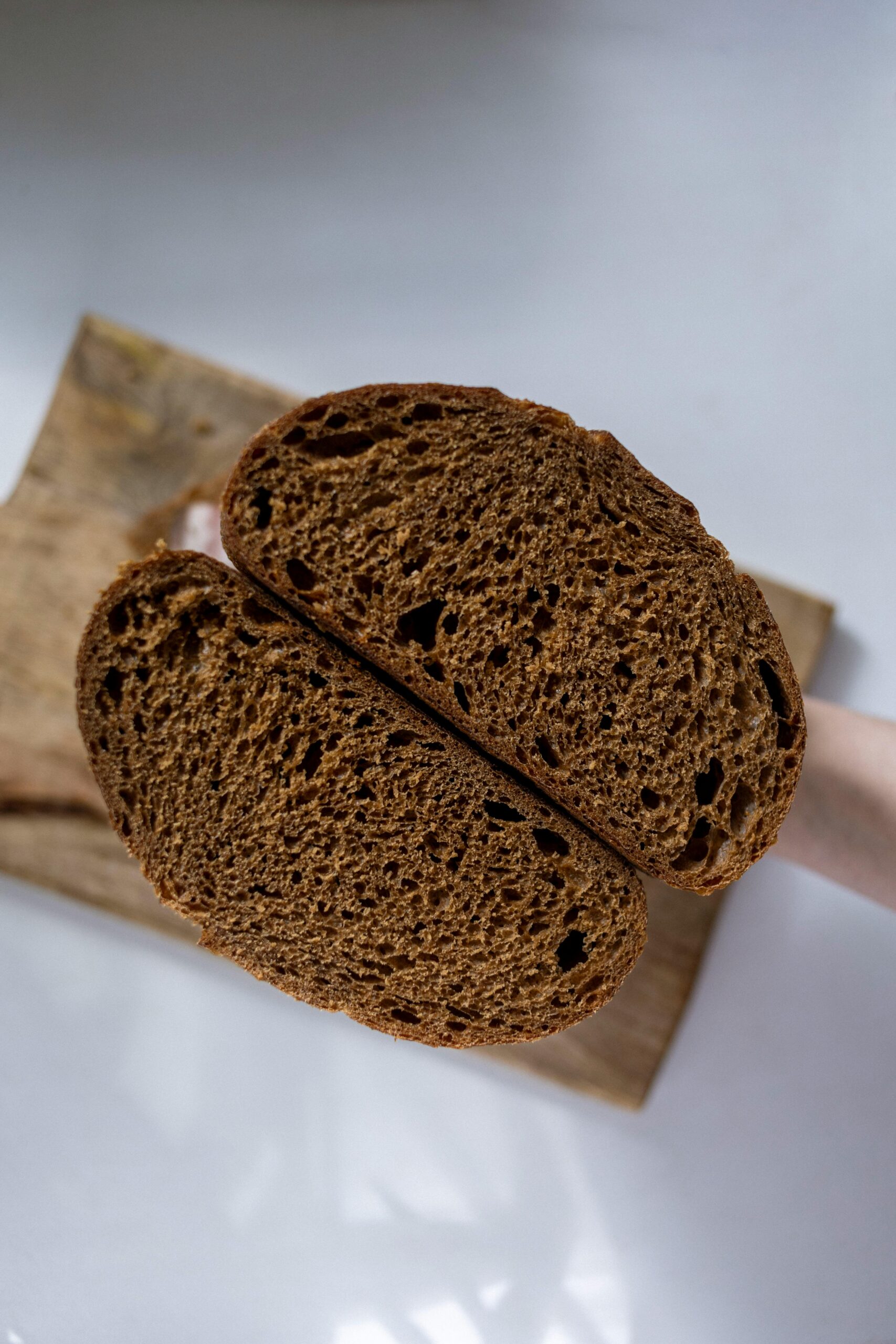
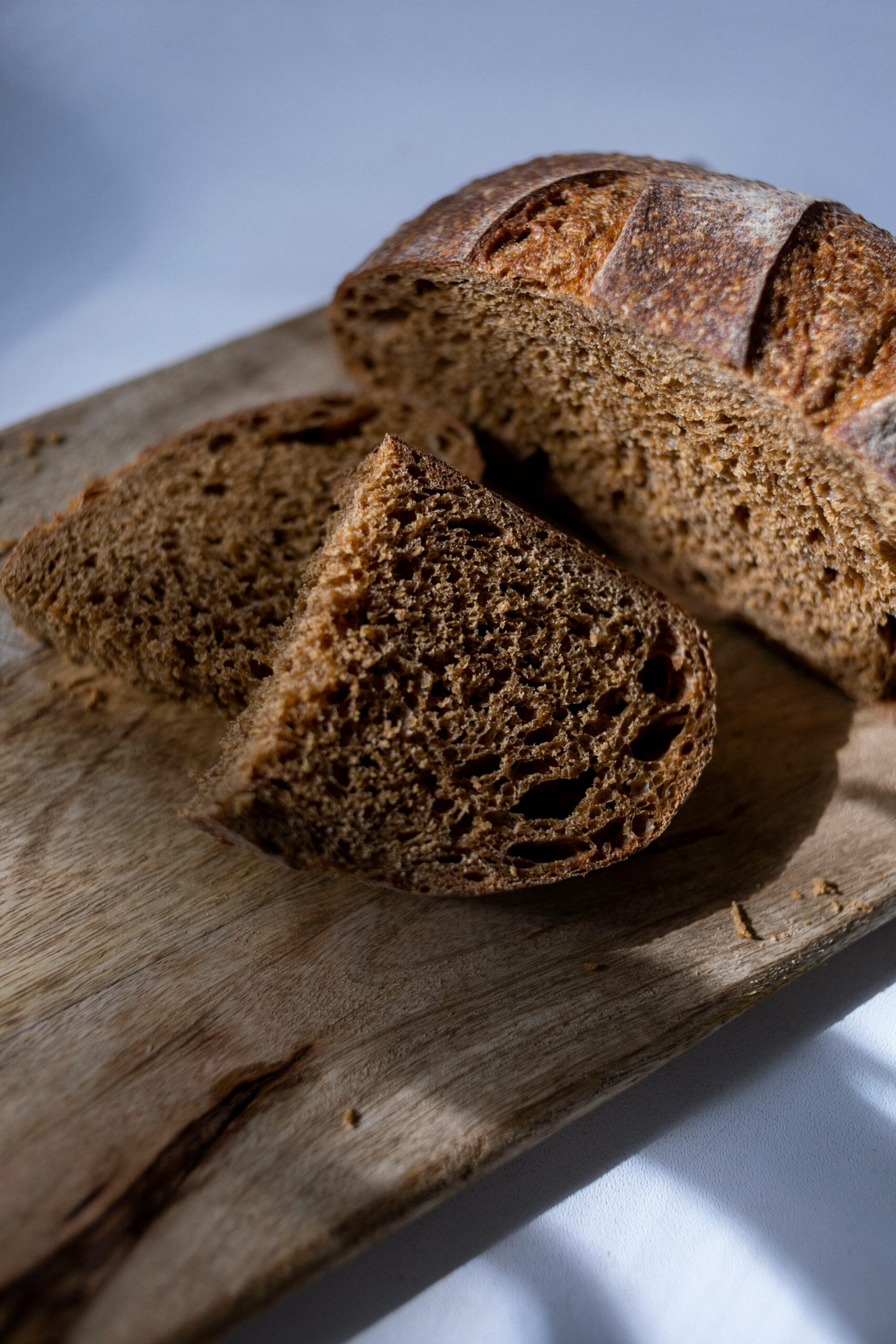
Yes, pumpernickel bread is naturally denser than white sandwich bread. Rye flour contains less gluten, which creates a hearty texture and moist crumb.
What pairs well with sourdough pumpernickel bread?
Sourdough pumpernickel bread pairs beautifully with:
- Homemade butter
- Soup and stew
- Smoked meats
- Soft cheeses
- Fermented vegetables
- Egg dishes
Its deep flavor works especially well with savory foods.
Can beginners make sourdough pumpernickel bread?
Absolutely. While rye dough behaves differently than wheat dough, beginner bakers can successfully make sourdough pumpernickel bread with patience and proper fermentation time.
How should sourdough pumpernickel bread be stored?
Store pumpernickel bread wrapped in a cloth or bread bag at room temperature for several days. It also freezes well for longer storage.
Why does rye dough feel sticky?
Rye flour absorbs moisture differently than wheat flour, making the dough naturally stickier. Wet hands and avoiding excess flour can help make handling easier.
Can you make sourdough pumpernickel bread without commercial yeast?
Yes. Traditional sourdough pumpernickel bread relies entirely on natural sourdough starter for fermentation and rising.
Is pumpernickel bread good for sandwiches?
Yes. Its sturdy texture makes it excellent for open-faced sandwiches, deli meats, cheeses, and hearty toppings.
A Bread Worth Slowing Down For
Sourdough pumpernickel bread is not rushed bread. It’s slow, steady, and deeply traditional: the kind of loaf that reminds us good food often takes time.
In a fast-moving world, there’s something comforting about mixing rye flour and starter together, shaping a dark rustic loaf, and waiting patiently while fermentation does its quiet work.
The reward is more than bread. It’s a connection to old skills, simple ingredients, and the timeless rhythm of baking from scratch.
If you make this recipe, be sure to leave me a star rating and a comment below. Share what you made and tag me on Instagram@keepingitholistic! For more simple sourdough recipes & guidance, small-space gardening tips, and cozy, slow living inspiration, subscribe to my newsletter and follow me on YouTube and Instagram!
📖 Recipe
Sourdough Pumpernickel Bread
Equipment
- large mixing bowl
- Wooden spoon or dough whisk
- Banneton basket or bowl lined with a towel
- Dutch oven or baking stone
- Sharp knife or bread lame
- cooling rack
Ingredients
- 1 cup active sourdough starter
- 1½ cups warm water
- 2 tablespoons molasses
- 1½ cups rye flour
- 2 cups bread flour
- 1 tablespoon cocoa powder optional, for color
- 1½ teaspoons sea salt
- 1 tablespoon caraway seeds optional
Instructions
Mix the Dough
- In a large bowl, combine sourdough starter, warm water, and molasses. Stir until well mixed.
Add Dry Ingredients
- Add rye flour, bread flour, cocoa powder (if using), salt, and caraway seeds. Mix until a shaggy dough forms.
Rest the Dough
- Cover and let the dough rest for 30 minutes.
Stretch and Fold
- Perform 3–4 rounds of stretch and folds over the next 1–2 hours, covering the dough between each round.
Bulk Fermentation
- Cover the dough and allow it to ferment at room temperature for 6–8 hours, or until slightly puffy.
Shape the Loaf
- Turn the dough onto a lightly floured surface and shape into a round or oval loaf.
Final Rise
- Place the dough into a floured banneton or towel-lined bowl. Cover and let rise 1–2 hours, or refrigerate overnight.
Preheat the Oven
- Preheat oven to 450°F with a Dutch oven inside for at least 30 minutes.
Score and Bake
- Carefully transfer dough onto parchment paper, score the top, and place into the hot Dutch oven.
Bake
- Bake covered for 25 minutes, then uncover and bake another 15–20 minutes until deep brown.
Cool Completely
- Allow bread to cool fully before slicing to help the crumb set properly.
Notes
Wet hands help when handling the dough.
Molasses deepens both flavor and color.
Allowing the loaf to rest overnight improves flavor even more.
Nutrition

Hi, I’m Victoria!
I document our homesteading journey on YouTube: covering sourdough, fresh milled bread, gardening, and simple living. Click here to watch, learn, and be inspired to start your own homestead at home.
Comments
No Comments