

This post contains affiliate links. This means I earn a small commission at no cost to you. You can view my affiliate disclosure here.
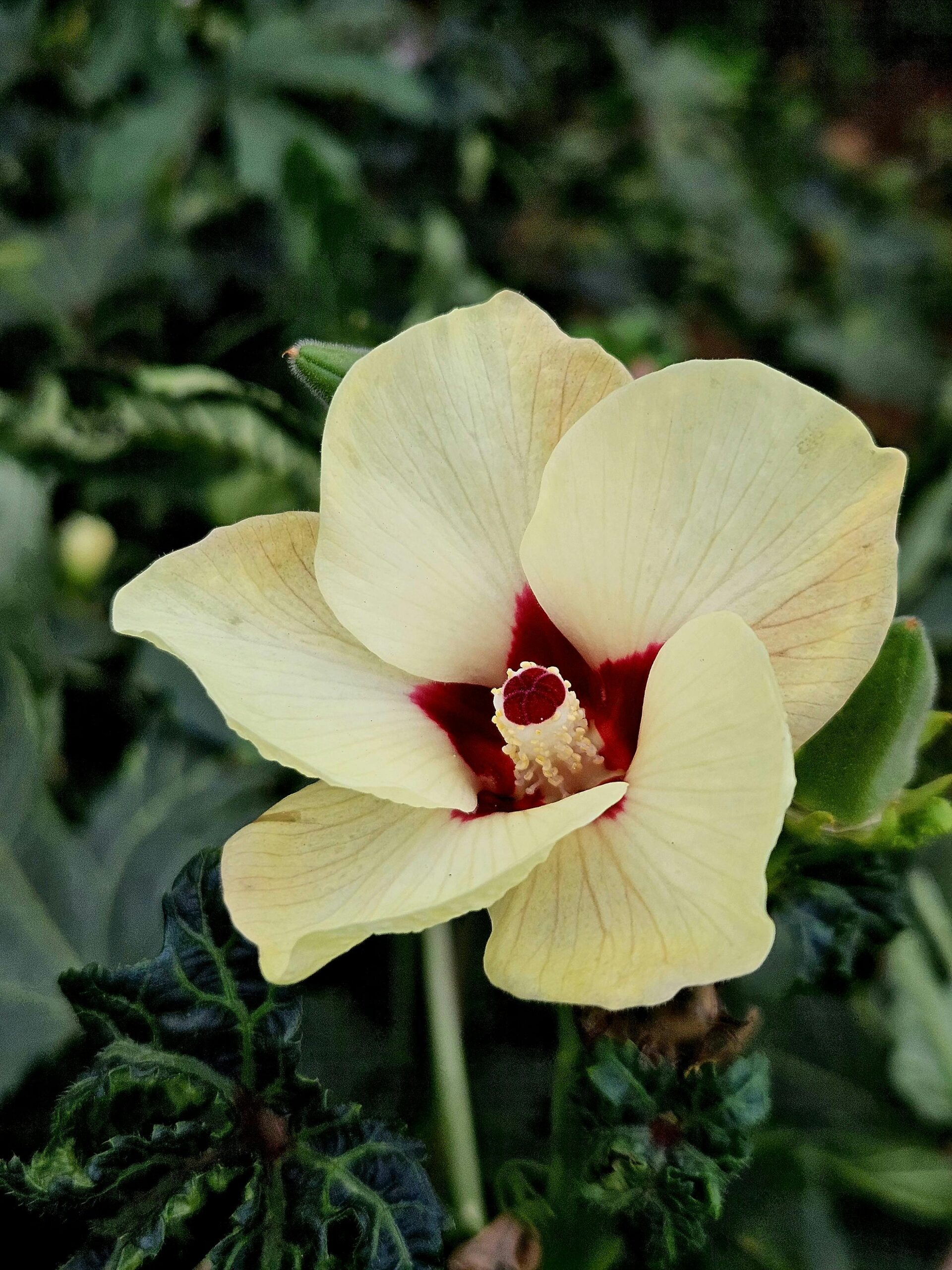
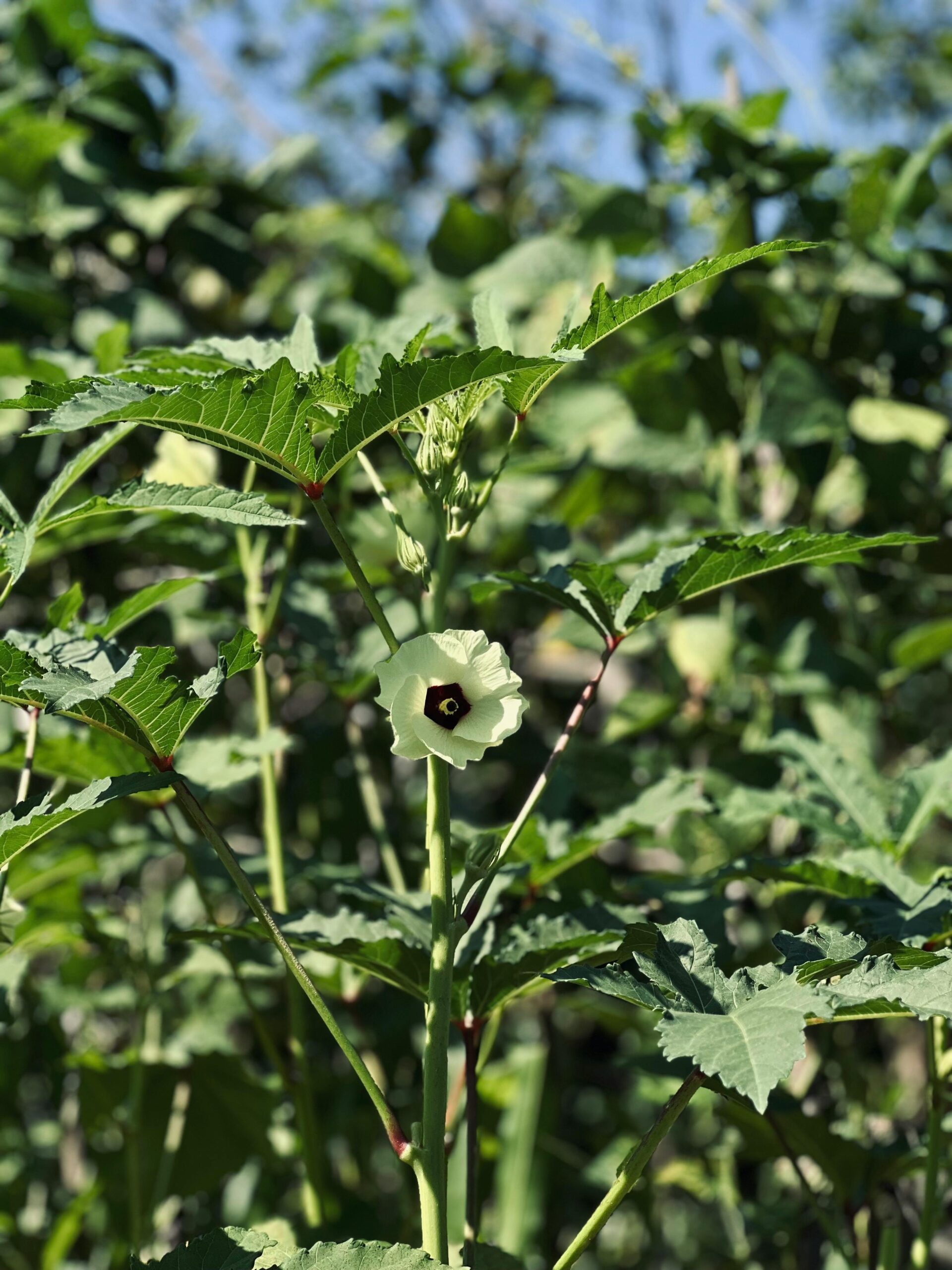
There are few vegetables that embrace the heat quite like okra. While many garden crops struggle through the hottest days of summer, okra stands tall, producing basket after basket of tender pods beneath cheerful hibiscus-like blooms. For homesteaders and gardeners in warm climates, okra is one of the most rewarding vegetables you can grow.
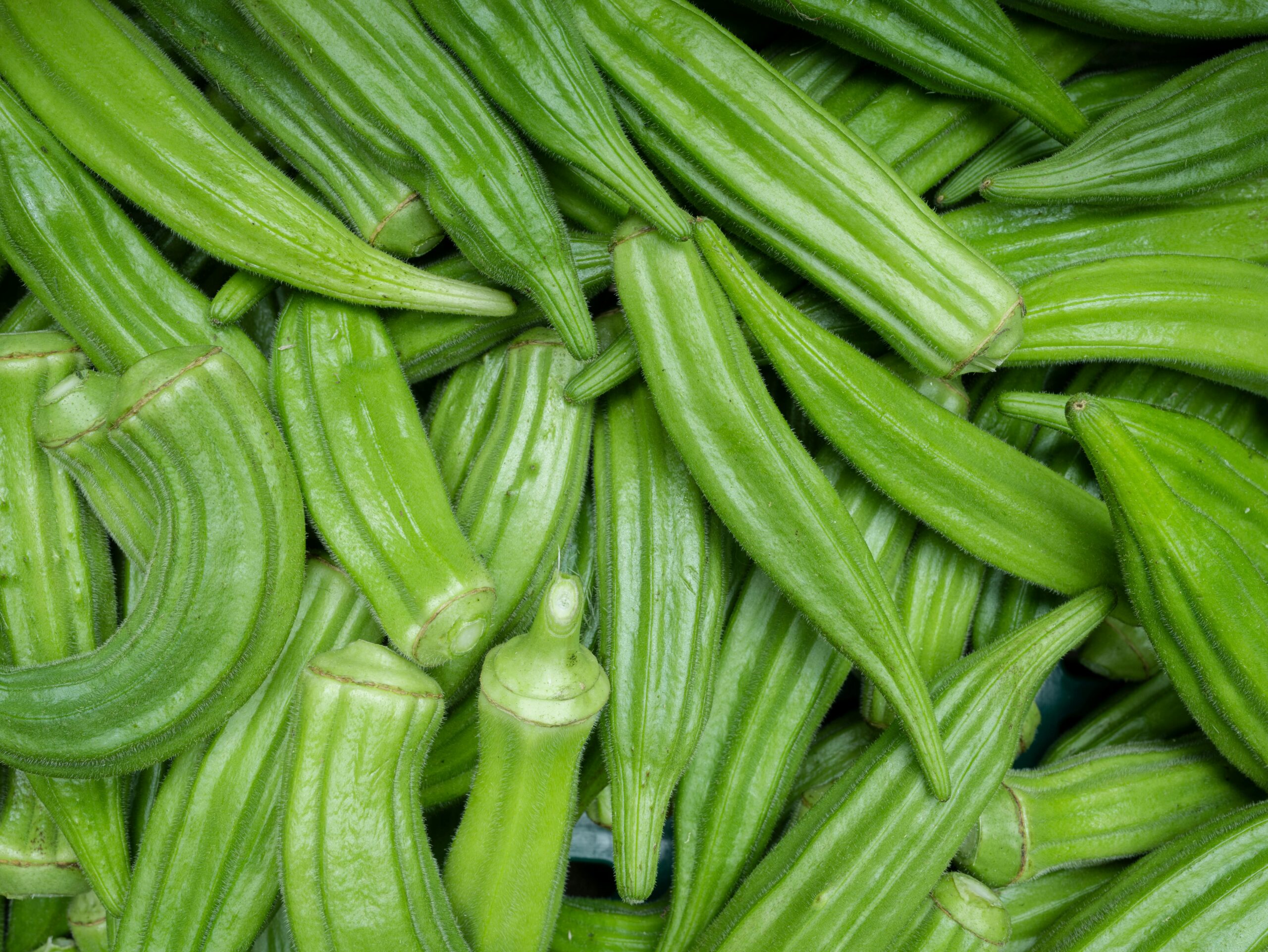
Whether you're planting your first garden or adding another dependable crop to your summer harvest, learning how to grow okra can provide months of fresh food with surprisingly little effort.
For more tips, check out my gardening book series, The Abundant Garden.
Why Grow Okra?
Okra is a warm-season vegetable that thrives when temperatures climb. Native to Africa and widely grown throughout the southern United States, it has earned a reputation as one of the easiest and most productive summer crops.
Gardeners love okra because it:
- Thrives in hot weather
- Produces continuously throughout summer
- Requires relatively little maintenance
- Attracts pollinators with beautiful flowers
- Can be eaten fresh, pickled, frozen, or dehydrated
- Performs well in small and large gardens
Once established, okra often becomes one of the hardest-working plants in the garden.
When to Plant Okra
Okra loves warm soil and warm air. Unlike cool-season crops, it should not be planted too early.
For best results:
- Wait until all danger of frost has passed
- Soil temperatures should be at least 65°F, preferably 70–80°F
- Plant in late spring or early summer
In hot climates, okra often continues producing until the first frost of autumn.
Choosing the Best Variety
There are many excellent okra varieties available, each with its own strengths.
Popular choices include:
Clemson Spineless
The most widely grown variety, known for high yields and spineless pods. My go-to okra variety.
Jambalaya
A compact variety ideal for smaller gardens and raised beds.
Burgundy
Produces beautiful deep red pods that add color and interest to the garden.
Emerald
Known for tender pods and reliable production.
For most beginners, Clemson Spineless is a dependable place to start.
Selecting the Right Location
Okra thrives in full sun and needs plenty of warmth to reach its potential.
Choose a location that receives:
- At least 6–8 hours of sunlight daily
- Good air circulation
- Well-draining soil
The more sun okra receives, the more productive it tends to be.
Preparing the Soil
Like most garden vegetables, okra performs best in fertile soil rich in organic matter.
Before planting:
- Add compost or well-rotted manure
- Loosen soil to improve drainage
- Remove weeds and debris
Okra tolerates less-than-perfect soil better than many vegetables, but rich soil will reward you with larger harvests.
How to Plant Okra
Okra seeds have a hard outer coating that can slow germination.
To improve sprouting:
- Soak seeds in warm water for 12–24 hours before planting.
- Sow seeds ½ to 1 inch deep.
- Space seeds about 4–6 inches apart.
- Thin plants to 12–18 inches apart after germination.
Rows should be spaced approximately 3 feet apart to allow room for mature plants.
Watering Okra
One of the reasons okra is so popular in southern gardens is its drought tolerance.
However, consistent watering encourages better production.
For best results:
- Water deeply once or twice per week
- Avoid shallow daily watering
- Mulch around plants to conserve moisture
Once established, okra can tolerate short dry periods better than many other vegetables.
Fertilizing for Healthy Growth
Okra is not a heavy feeder, but it benefits from nutrient-rich soil.
You can:
- Incorporate compost before planting
- Side-dress with compost mid-season
- Use a balanced organic fertilizer if needed
Avoid excessive nitrogen, which may encourage leafy growth at the expense of pod production.
Harvesting Okra
One of the secrets to productive okra plants is harvesting often.
Pods are best harvested when they are:
- 2–4 inches long
- Tender and easy to cut
- Bright and fresh-looking
Most varieties reach harvest size within just a few days of flowering.
Check plants daily during peak production.
The more frequently you harvest, the more pods the plant typically produces.
Common Problems When Growing Okra
Fortunately, okra is relatively trouble-free.
Occasional issues include:
Tough Pods
Usually caused by waiting too long to harvest.
Aphids
Often controlled naturally by beneficial insects.
Powdery Mildew
Can occur during humid weather. Proper spacing improves airflow.
Slow Germination
Usually due to cool soil temperatures.
Most problems can be prevented by planting in warm weather and harvesting regularly.
Growing Okra in Raised Beds
Okra grows exceptionally well in raised beds.
Benefits include:
- Better drainage
- Warmer soil temperatures
- Easier harvesting
- Improved weed control
Even a small raised bed can produce a surprising amount of okra throughout the summer.
Saving Okra Seeds
At the end of the season, allow a few pods to mature fully on the plant.
When the pods become dry and brown:
- Harvest the pods.
- Remove the seeds.
- Store in a cool, dry place.
Properly stored seeds can remain viable for several years.
A Summer Garden Favorite
There is something deeply satisfying about growing okra. It asks very little once established and gives generously throughout the hottest months of the year. Its towering stems, cheerful flowers, and steady harvests make it a valuable addition to any homestead garden.
If you've struggled with summer gardening in the past, okra may be the crop that changes everything. Plant a few seeds, give them sunshine and warmth, and you'll soon discover why generations of southern gardeners have relied on this humble vegetable.

Hi, I’m Victoria!
I document our homesteading journey on YouTube: covering sourdough, fresh milled bread, gardening, and simple living. Click here to watch, learn, and be inspired to start your own homestead at home.


Comments
No Comments