

As summer begins to fade and the days slowly shorten, many gardeners assume the growing season is winding down. But on a productive homestead, late summer is often the beginning of a whole new season.
While tomatoes, peppers, and cucumbers may still be producing, it's also time to think ahead to cooler weather crops. In fact, some vegetables grow better in the crisp days of fall than they do during the heat of summer.
Planting a fall garden allows you to extend your harvest, make the most of your garden space, and enjoy fresh vegetables long after many gardeners have packed away their tools for the season.
If you're wondering what to plant in late summer, these 15 crops are excellent choices for a thriving fall garden.
Why Plant a Fall Garden?
Fall gardening offers several advantages:
- Fewer pest problems
- Cooler working conditions
- Reduced weed pressure
- Improved flavor in many crops
- Extended harvest season
- Better growing conditions for cool-weather vegetables
Many leafy greens and root crops actually become sweeter after a light frost, making fall one of the most rewarding gardening seasons of the year.
1. Lettuce
Lettuce is one of the easiest and fastest crops to grow for a fall harvest.
Many varieties mature in just 30–60 days and thrive in cooler temperatures.
Try:
- Butterhead lettuce
- Romaine lettuce
- Leaf lettuce
Successive sowings every two weeks can provide a continuous harvest.
2. Spinach
Spinach loves cool weather and often struggles during summer heat.
Late summer planting allows spinach to mature during ideal conditions.
In many climates, spinach can survive light frosts and continue producing into winter.
3. Kale
Kale is one of the stars of the fall garden.
In fact, many gardeners believe kale tastes better after frost because cold temperatures increase natural sugars in the leaves.
Popular varieties include:
- Lacinato kale
- Red Russian kale
- Curly kale
4. Radishes
Radishes are among the quickest vegetables you can grow.
Most varieties mature in just 25–35 days, making them perfect for filling empty garden spaces in late summer.
They also perform much better in cool weather than they do in summer heat.
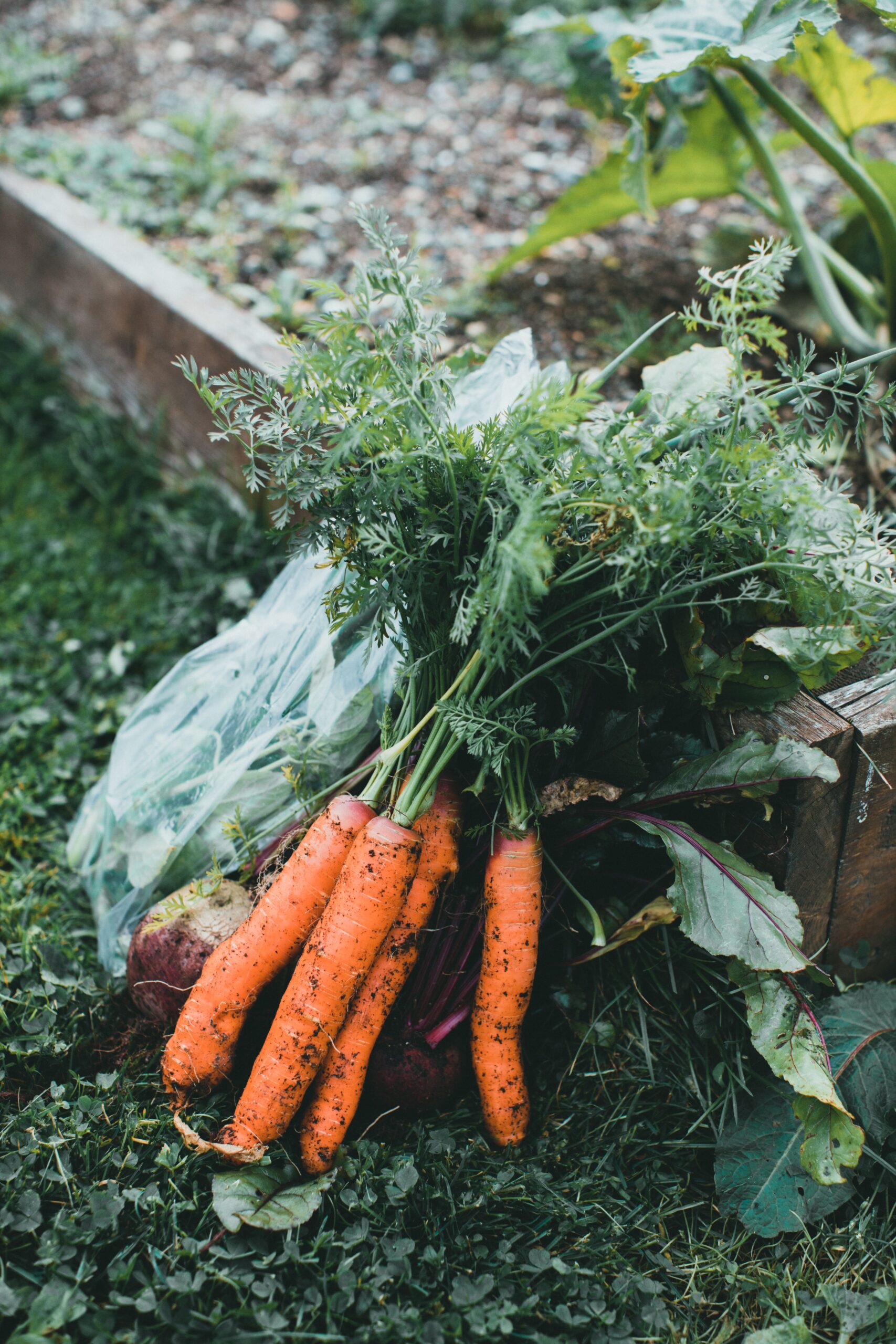
5. Carrots
Carrots planted in late summer often produce sweeter roots than spring plantings.
Cool temperatures encourage sugar development and improve flavor.
Mulching helps maintain soil moisture during germination.
6. Beets
Beets are versatile, productive, and ideal for fall growing.
Both the roots and leafy tops are edible, making them an excellent dual-purpose crop.
Most varieties mature in 50–70 days.
7. Swiss Chard
Swiss chard tolerates a wide range of temperatures and continues producing for months.
Its colorful stems also add beauty to the autumn garden.
Unlike spinach, chard can handle occasional warm days while still thriving in cooler weather.
8. Turnips
Turnips are often overlooked but deserve a place in every fall garden.
They mature quickly and provide both edible roots and greens.
Small turnips harvested young are especially sweet and tender.
9. Arugula
Arugula grows quickly and develops a milder flavor in cooler weather.
Many gardeners enjoy planting multiple successions throughout late summer and fall.
Its peppery flavor makes it a favorite for salads and sandwiches.
10. Green Onions
Green onions are easy to grow and require very little space.
Late summer plantings often provide harvests well into fall and early winter in mild climates.
They're perfect for raised beds and small gardens.
11. Bok Choy
Bok choy thrives in cool temperatures and grows rapidly.
Many varieties mature in just 30–45 days.
Fall conditions help prevent the bolting that often occurs during spring heat.
12. Mustard Greens
Mustard greens bring bold flavor and excellent cold tolerance to the fall garden.
The leaves become more tender and flavorful as temperatures cool.
They also grow remarkably fast.
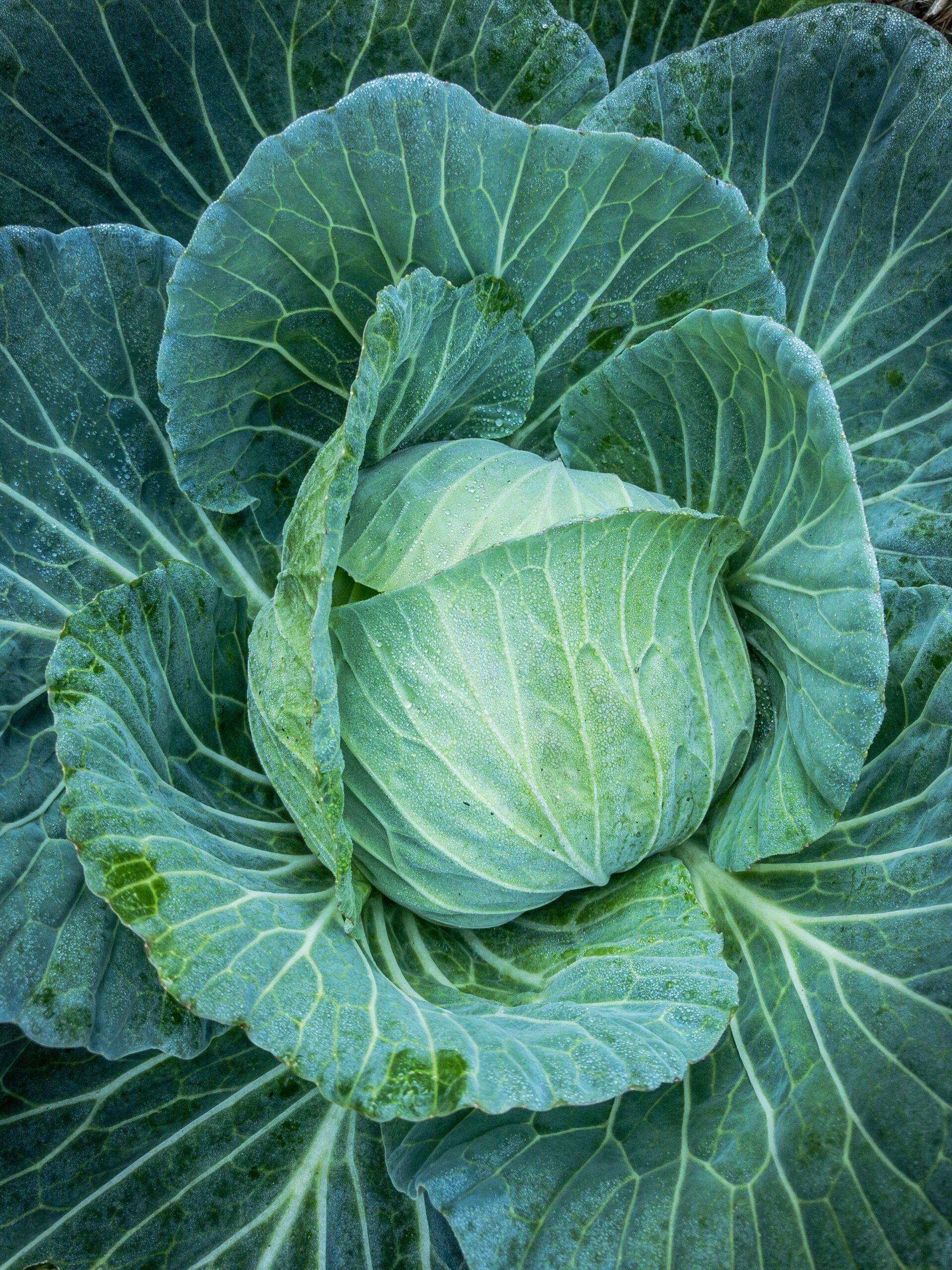
13. Cabbage
Fall is often the best season for growing cabbage.
Cool temperatures produce tighter heads and fewer pest problems than spring crops.
Start seeds indoors or purchase transplants for a fall harvest.
14. Broccoli
Broccoli frequently performs better as a fall crop than a spring crop.
The cooler weather encourages larger heads and improved flavor.
Many gardeners find fall broccoli to be their most successful broccoli crop of the year.
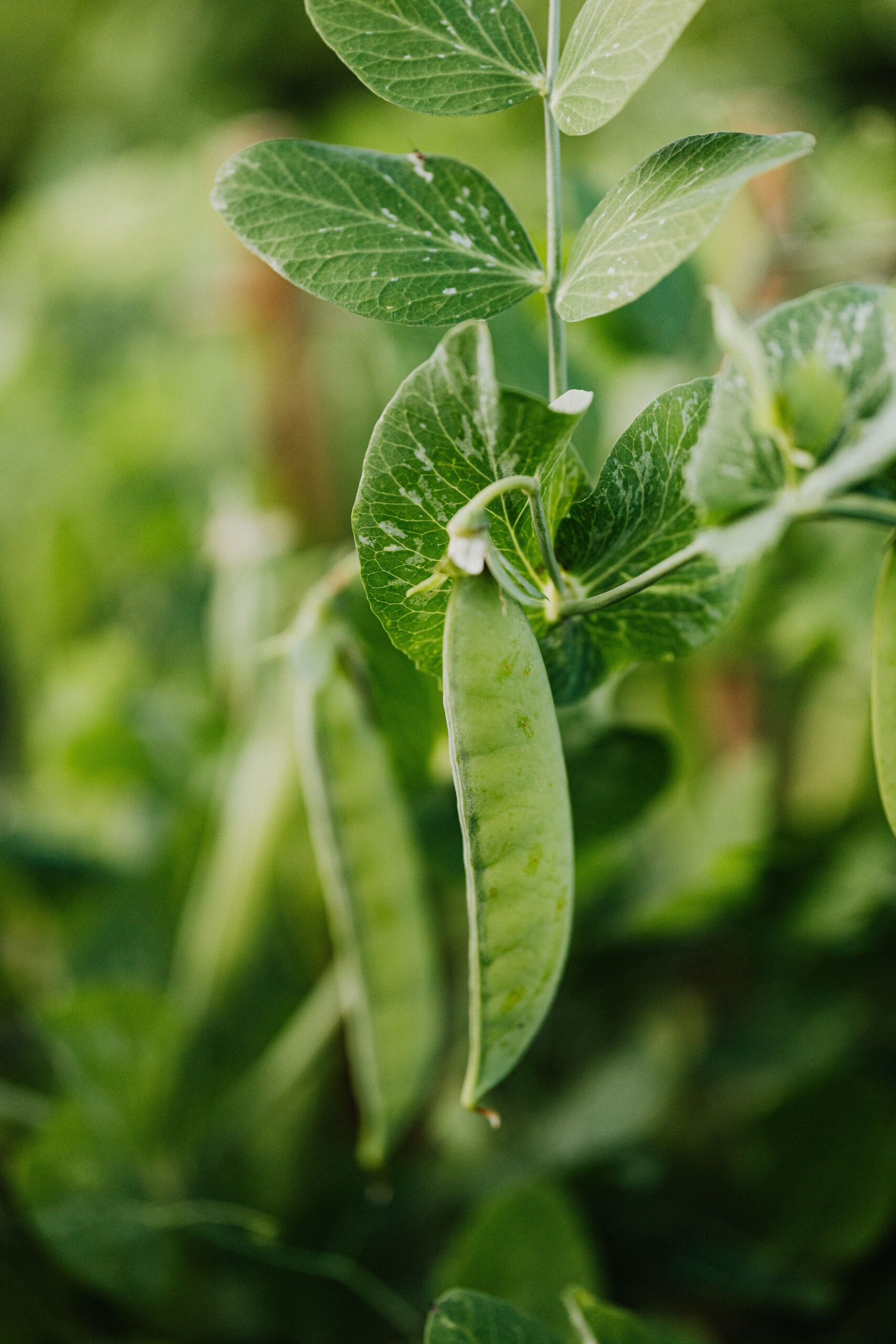
15. Peas
In regions with long growing seasons, peas can be planted in late summer for a fall harvest.
Cool temperatures encourage strong growth and sweet, tender pods.
Snow peas and sugar snap peas are particularly well suited for fall gardens.
Tips for Successful Fall Gardening
Start Earlier Than You Think
Many fall crops need to be planted during the hottest part of summer.
Count backward from your average first frost date to determine planting times.
Keep Soil Moist
Late summer heat can make germination difficult.
Water consistently and consider using shade cloth until seedlings become established.
Add Compost Before Planting
Fresh compost helps replenish nutrients after summer crops have finished producing.
Mulch Generously
Mulch helps regulate soil temperature and conserve moisture during hot weather.
Extending Your Harvest Even Further
Simple season extension techniques can keep your garden producing well into winter.
Consider using:
- Row covers
- Cold frames
- Low tunnels
- Frost blankets
Even a small amount of protection can add weeks, or months, to your harvest season.
A Second Season of Abundance
One of the greatest surprises in gardening is discovering that fall can be even more productive than spring. The cooler weather, fewer pests, and sweeter harvests make it a favorite season for many experienced gardeners.
While others are putting their gardens to bed, you can be sowing seeds for another season of fresh food. A few late-summer plantings can provide salads, soups, roasted vegetables, and harvest baskets long after the summer garden begins to fade.
Fall gardening reminds us that the growing season isn't ending—it's simply changing.

Hi, I’m Victoria!
I document our homesteading journey on YouTube: covering sourdough, fresh milled bread, gardening, and simple living. Click here to watch, learn, and be inspired to start your own homestead at home.
Comments
No Comments