

This post contains affiliate links. This means I earn a small commission at no cost to you. You can view my affiliate disclosure here.
If you've been searching for how to press flowers, this simple guide will show you how to preserve garden blooms beautifully. There’s something magical about gathering flowers from the garden on a warm afternoon and finding a way to preserve their beauty long after the blooms have faded. Pressing flowers is one of those timeless homestead traditions that invites us to slow down, appreciate the changing seasons, and save a little piece of summer to enjoy all year long.
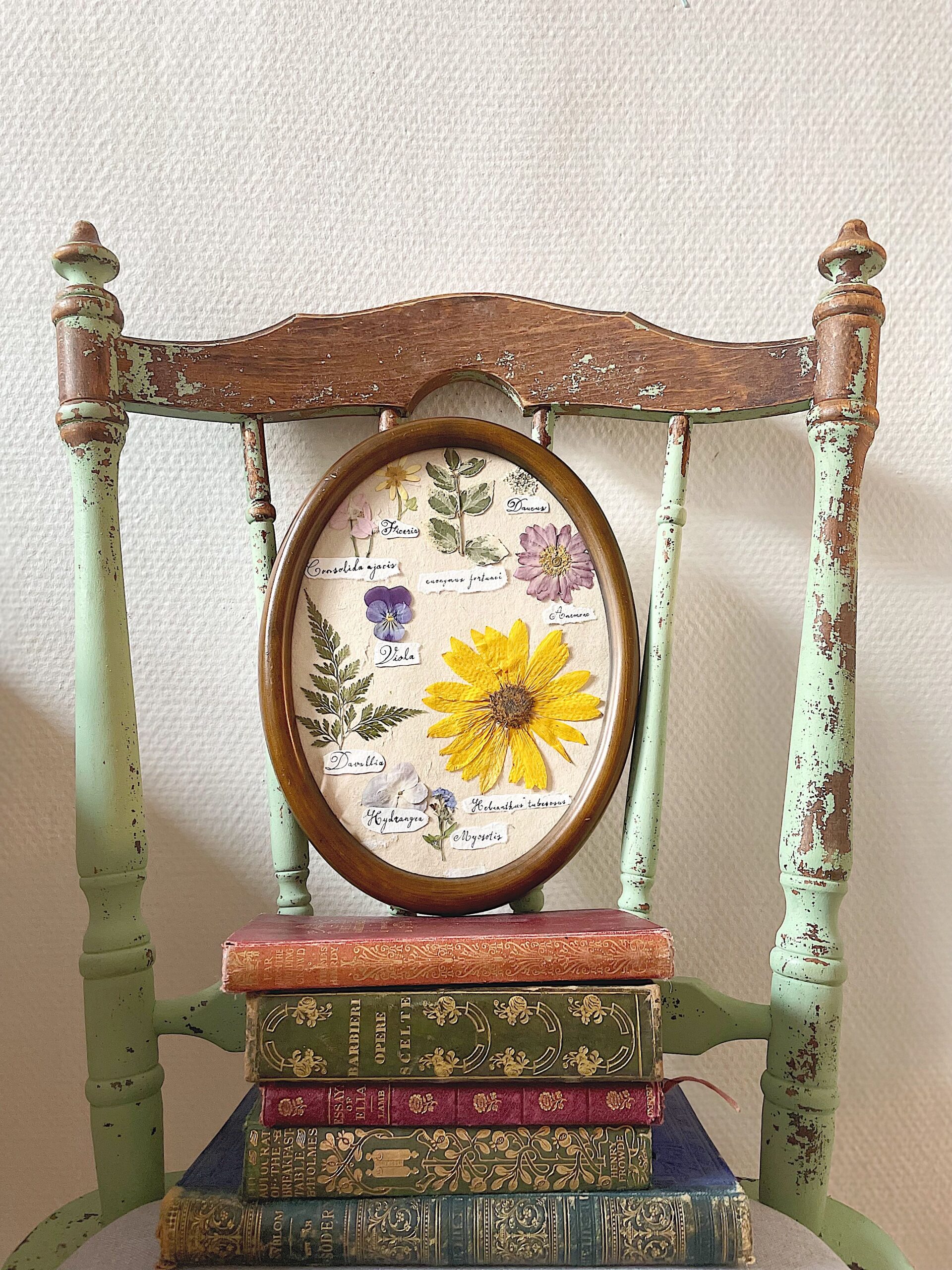
Whether you've gathered wildflowers from a country walk, clipped blooms from your cottage garden, or want to preserve flowers from a special occasion, learning how to press flowers is an easy and rewarding craft. Best of all, pressed flowers can be transformed into beautiful handmade gifts, home décor, stationery, and keepsakes.
If you've ever wondered how to press flowers at home, this guide will walk you through everything you need to know.
Why Press Flowers?
Flower pressing has been practiced for centuries, and it's easy to see why. It's an inexpensive way to preserve the colors and delicate details of your favorite blooms while creating something beautiful.
Pressing flowers allows you to:
- Preserve flowers from your garden
- Save wedding or anniversary bouquets
- Create handmade gifts
- Decorate journals and scrapbooks
- Make seasonal home décor
- Enjoy your favorite blooms year-round
It's also a wonderful craft to enjoy with children or on a quiet afternoon when the garden work is done.
The Best Flowers for Pressing
Not every flower presses equally well. Thin, naturally flat blooms usually produce the best results.
Some excellent choices include:
- Pansies
- Violas
- Daisies
- Cosmos
- Lavender
- Queen Anne's Lace
- Baby's Breath
- Ferns
- Yarrow
- Black-eyed Susans
- Calendula
- Coreopsis
- Sweet Alyssum
- Bachelor Buttons
- Wildflowers
Leaves, herbs, grasses, and delicate vines also make beautiful additions to pressed flower projects.
When Should You Pick Flowers?
For the best results harvest flowers in the morning after the dew has dried, choose blooms that are freshly opened, avoid flowers that are beginning to wilt, and pick flowers on a dry day whenever possible.
Fresh, healthy flowers hold their color much better during the pressing process.
Equipment You'll Need
One of the joys of flower pressing is how simple it is.
You'll need:
- Fresh flowers
- Heavy books or a flower press
- Parchment paper or plain printer paper
- Tweezers (optional)
That's it!
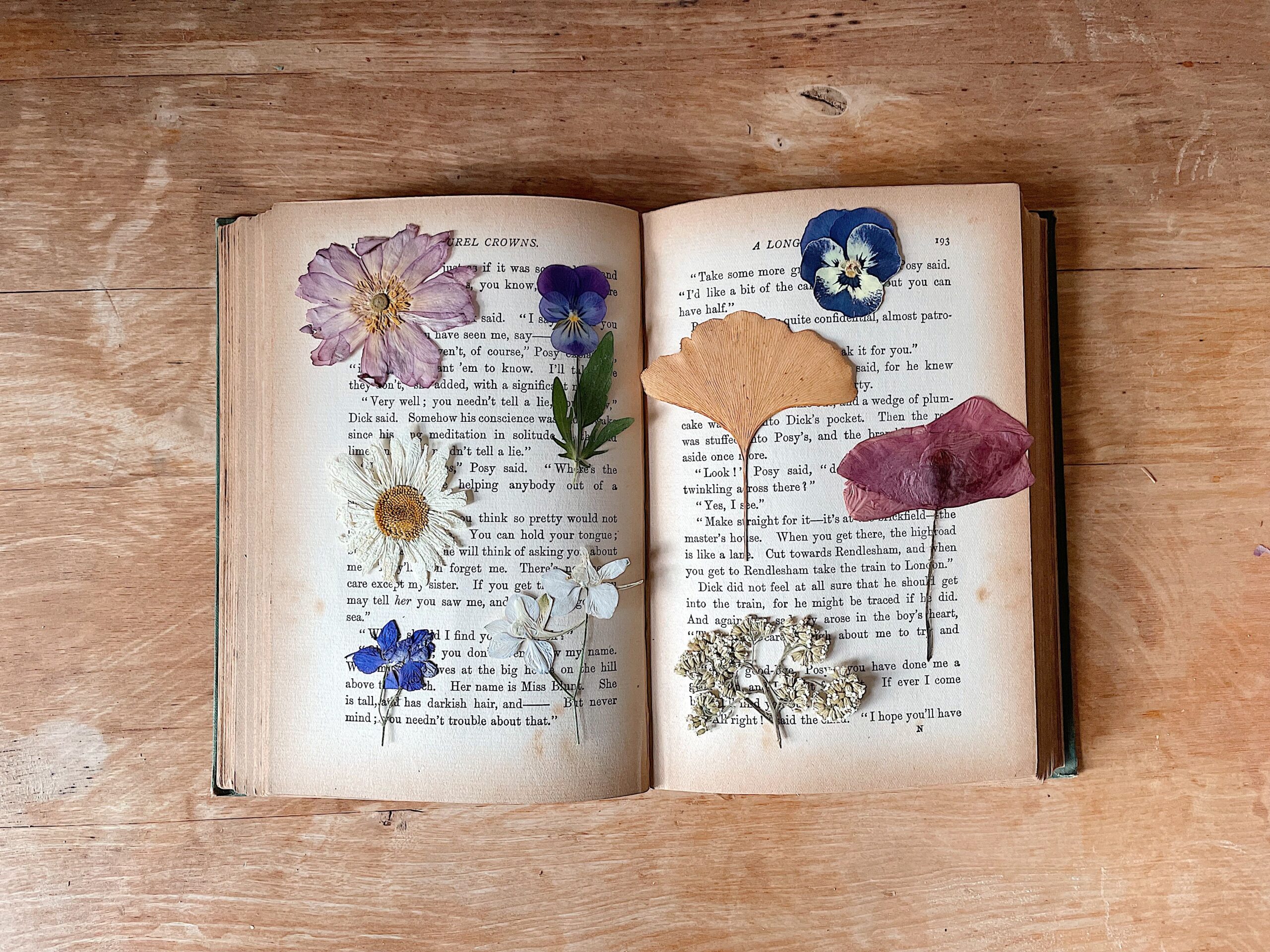
How to Press Flowers in a Book
The traditional book method remains one of the easiest ways to preserve flowers.
Step 1: Prepare the Flowers
Remove damaged petals and trim long stems.
If flowers are especially thick, slice them in half before pressing.
Step 2: Arrange the Flowers
Place each flower between two sheets of parchment paper or plain paper.
Arrange petals carefully, as they'll dry exactly as they're positioned.
Step 3: Place Inside a Heavy Book
Lay the paper inside a large, heavy book.
Close the book carefully to avoid shifting the flowers.
Stack additional heavy books on top for extra pressure.
Step 4: Wait Patiently
Leave the flowers undisturbed for 2–4 weeks.
Once completely dry, they'll be ready for crafting.
How to Use a Wooden Flower Press
A wooden flower press works much like the book method but applies more even pressure.
Simply:
- Layer cardboard and blotting paper.
- Arrange flowers.
- Tighten the press.
- Wait several weeks.
Many gardeners enjoy using a flower press for larger collections.
Tips for Beautiful Pressed Flowers
Pick Flowers at Their Peak
Fresh blooms retain more vibrant color.
Avoid Moisture
Wet flowers may develop mold.
Don't Overlap Flowers
Press each bloom individually for the best results.
Be Patient
Flowers need adequate drying time before they're removed.
How Long Do Pressed Flowers Last?
When stored properly, pressed flowers can last for many years. Keep them away from direct sunlight, in dry conditions, inside frames or books, and protected from humidity.
Proper storage helps preserve their delicate colors.
Creative Ways to Use Pressed Flowers
One of the best parts of flower pressing is deciding how to use your finished blooms.
1. Frame Botanical Art
Arrange pressed flowers inside floating glass frames for timeless wall décor.
A collection of garden flowers makes beautiful cottage-style artwork.
2. Decorate Handmade Greeting Cards
Pressed flowers add a thoughtful, handmade touch to birthday cards, thank-you notes, and holiday greetings.
3. Create Bookmarks
Laminate pressed flowers between clear sheets or tuck them inside resin bookmarks for beautiful handmade gifts.
4. Press Flowers Into Journals
Nature journals become even more meaningful when decorated with flowers gathered from your own garden.
Label each flower with the date and variety for a botanical keepsake.
5. Make Resin Coasters
Encapsulate dried flowers in clear resin to create one-of-a-kind coasters and serving trays.
6. Decorate Candles
Carefully adhere pressed flowers to pillar candles using melted wax for rustic home décor.
7. Design Homemade Gift Tags
Pressed flowers instantly elevate simple gift wrapping and make thoughtful handmade touches for birthdays, weddings, or holidays.
8. Create Botanical Wall Art
Arrange flowers into seasonal designs, wreaths, or bouquets before framing them.
Each piece becomes a lasting reminder of your garden.
9. Embellish Scrapbooks
Pressed flowers preserve memories from vacations, weddings, family gardens, and special occasions.
10. Make Handmade Jewelry
Tiny pressed flowers can be preserved in resin pendants, earrings, and keychains.
They make meaningful keepsakes and beautiful gifts.
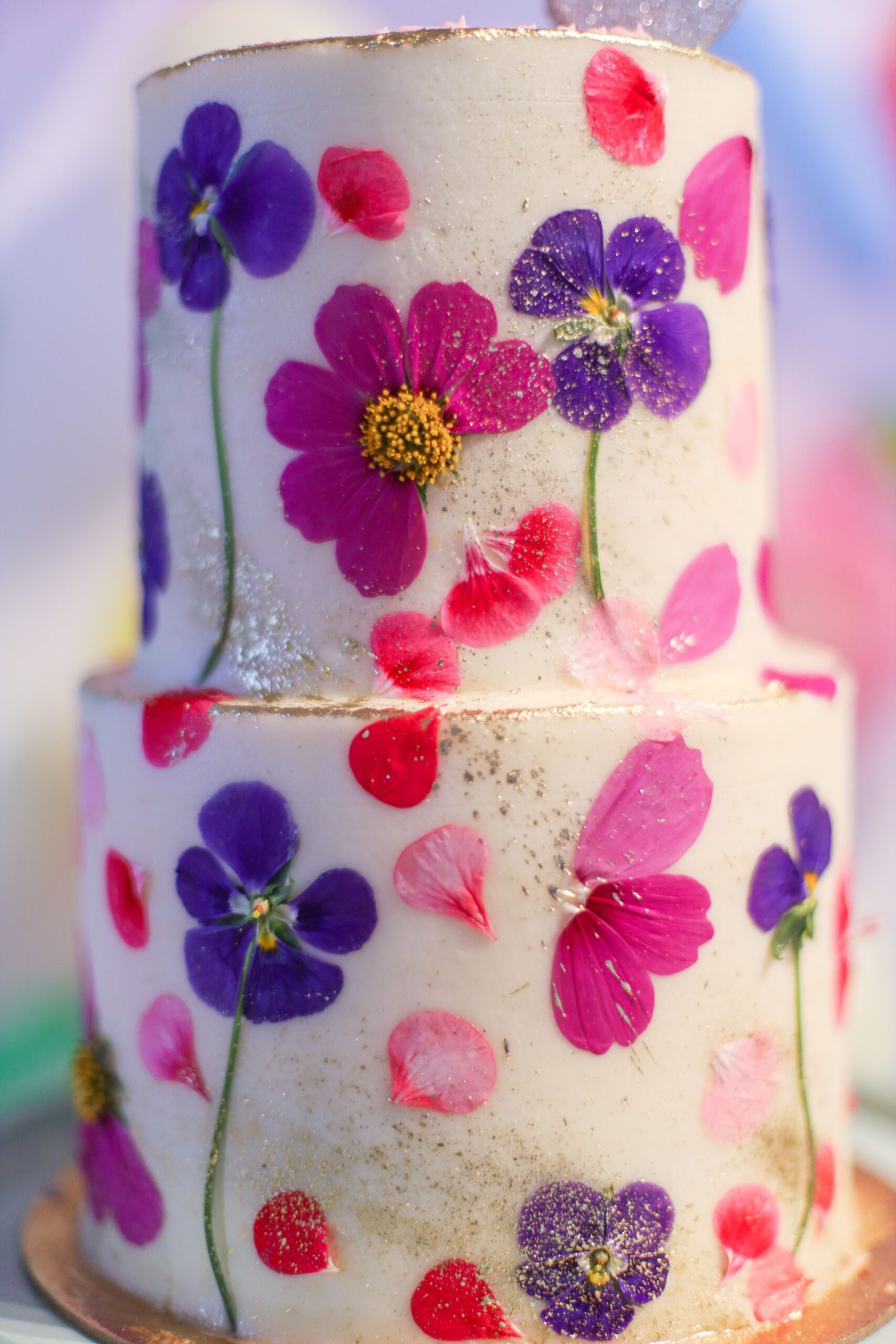
A Beautiful Way to Preserve the Seasons
Gardening teaches us that every season is fleeting, but flower pressing allows us to hold onto a small piece of its beauty. Each bloom tells the story of a spring morning, a summer afternoon, or a garden lovingly tended through the changing months.
Whether tucked inside a favorite book, framed on the wall, or transformed into a handmade gift, pressed flowers remind us that beauty often lingers in the simplest things. They invite us to slow down, notice the details, and preserve a little bit of the garden to brighten the quieter seasons ahead.
Frequently Asked Questions
How long does it take to press flowers?
Most flowers take between 2 and 4 weeks to dry completely using the traditional book or flower press method.
What flowers are easiest to press?
Pansies, violas, daisies, cosmos, lavender, Queen Anne's lace, baby's breath, and ferns are among the easiest flowers to press because they are naturally thin.
Can I press roses?
Yes, but large roses should be separated into individual petals or sliced in half before pressing because they are too thick to dry evenly.
Why did my pressed flowers turn brown?
Flowers often turn brown if they were picked while damp, were too mature, or dried too slowly. Harvest fresh blooms on a dry day for the best color retention.
Can I press leaves and herbs too?
Absolutely! Ferns, eucalyptus, herbs, grasses, and colorful leaves all press beautifully and add wonderful texture to botanical crafts.
Do pressed flowers fade over time?
Some fading is natural, especially when flowers are exposed to sunlight. Keeping them in a cool, dry place and out of direct light helps preserve their color for years.

Hi, I’m Victoria!
I document our homesteading journey on YouTube: covering sourdough, fresh milled bread, gardening, and simple living. Click here to watch, learn, and be inspired to start your own homestead at home.
Comments
No Comments