

A well-organized homestead pantry is the quiet backbone of a self-sufficient kitchen where every jar, grain, and preserved harvest has its place and purpose. But if your homestead pantry feels more chaotic than cozy, you’re not alone.
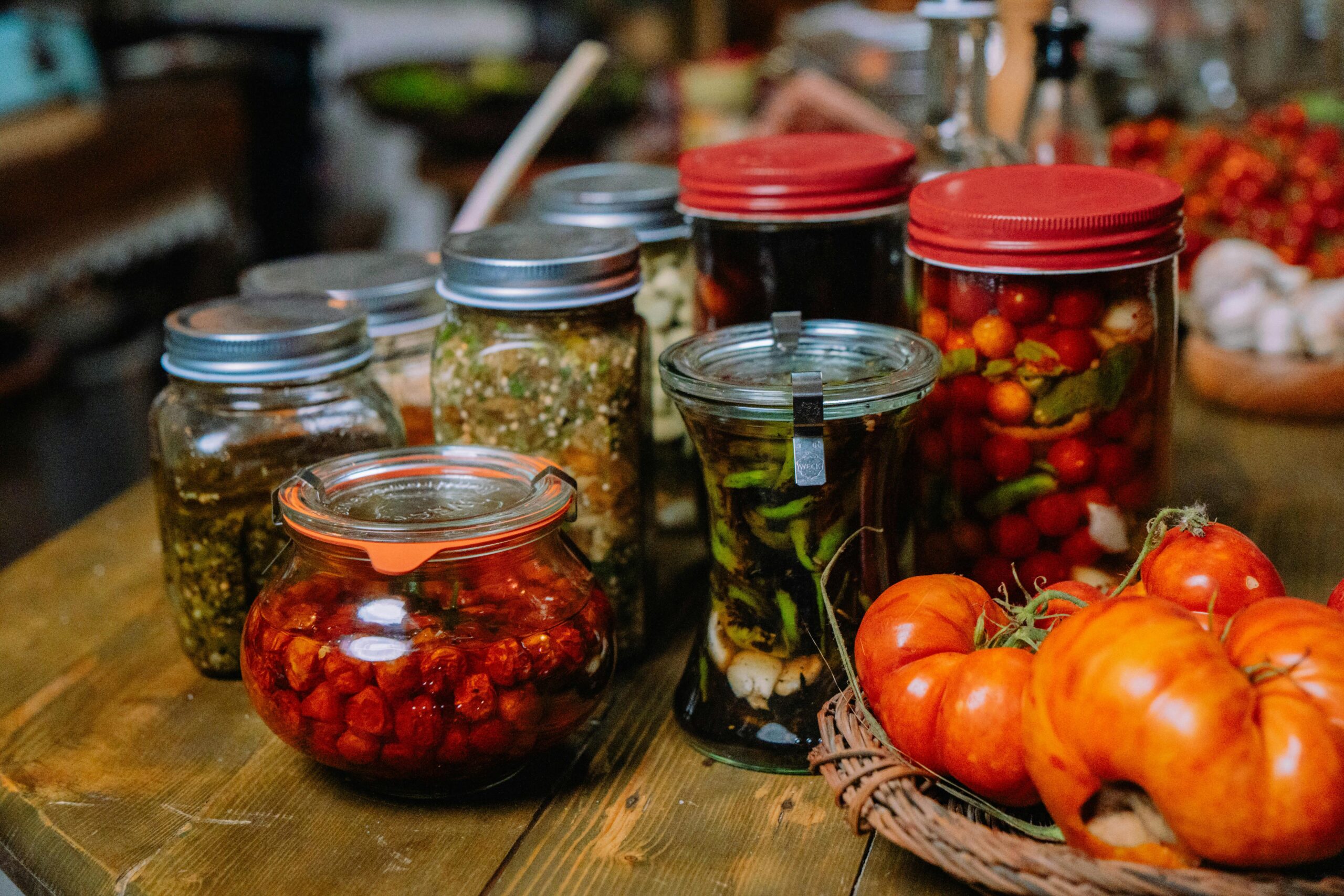
Between bulk grains, home-canned goods, and everyday kitchen staples, it’s easy for things to pile up faster than you can keep track. The good news? With a few practical systems in place, you can create a pantry that not only looks beautiful, but truly works for your daily life.
Let’s walk through how to organize a homestead pantry that’s functional, sustainable, and easy to maintain.
Start with a Full Pantry Reset
Before organizing, you need a clean slate. Take everything out: yes, everything.
This step helps you see exactly what you have, identify duplicates and forgotten items, and check for expired or spoiled goods. As you sort, create simple piles: keep, use soon, and donate or discard.
This alone can transform how your pantry feels.
Group Like Items Together
A working pantry is built on simple categories. When everything has a “home,” it’s easier to find what you need and put it back.
Organize your pantry into zones like:
- Grains & flours (especially fresh milled flour)
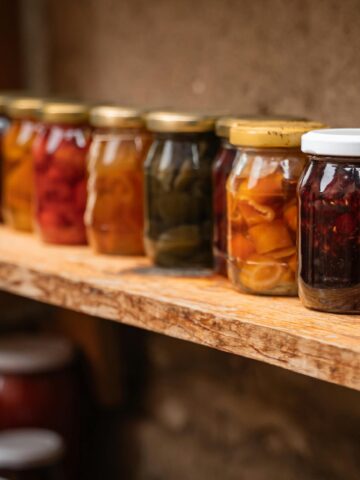
- Canned goods (home-canned and store-bought)
- Baking supplies
- Dry goods (beans, rice, pasta)
- Snacks
- Preserving supplies
Think in terms of how you cook and bake daily. Your pantry should reflect your rhythm, not someone else’s system.
Use Clear, Practical Storage
On a homestead, storage needs to be both functional and durable.
Consider:
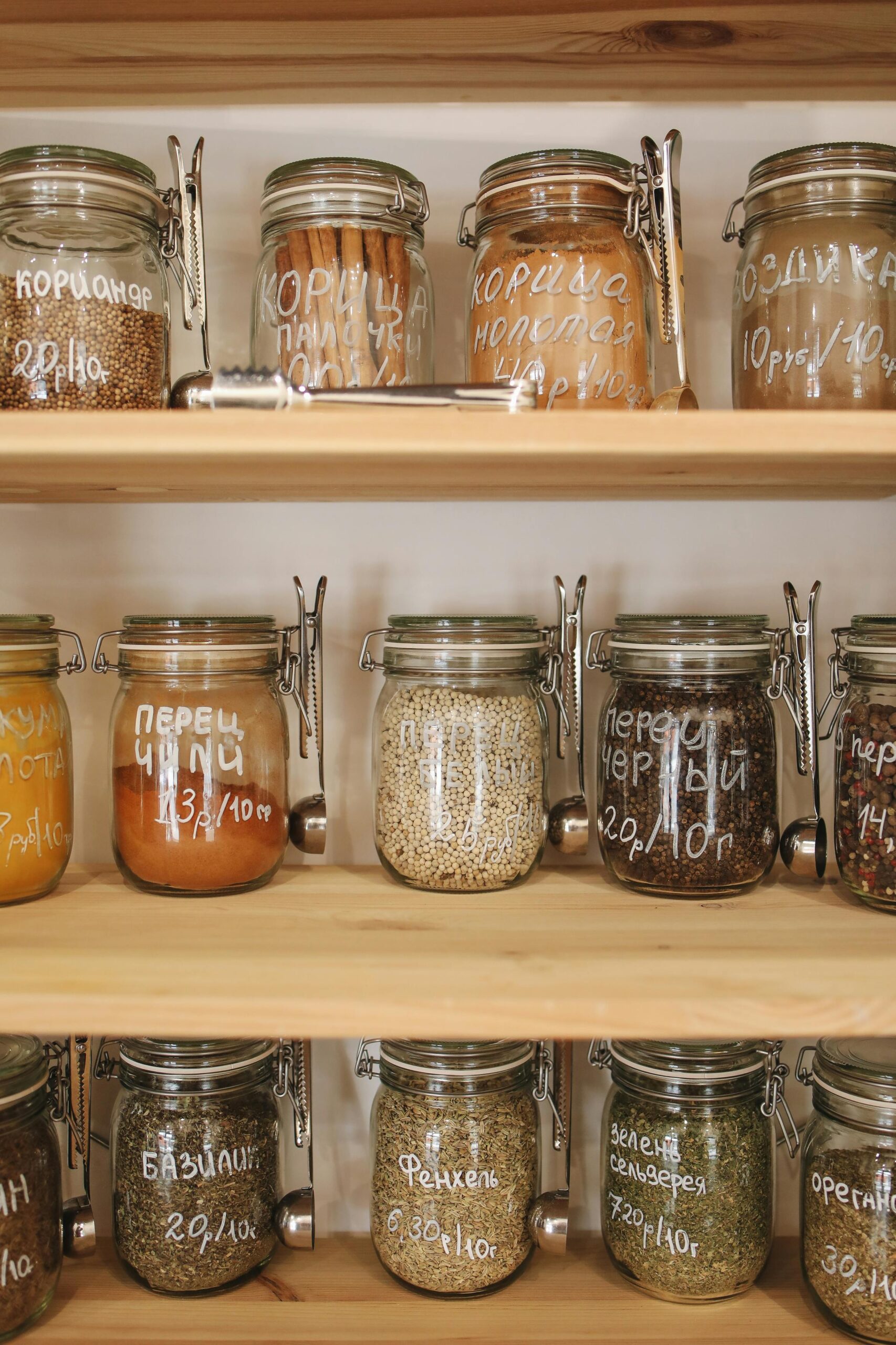
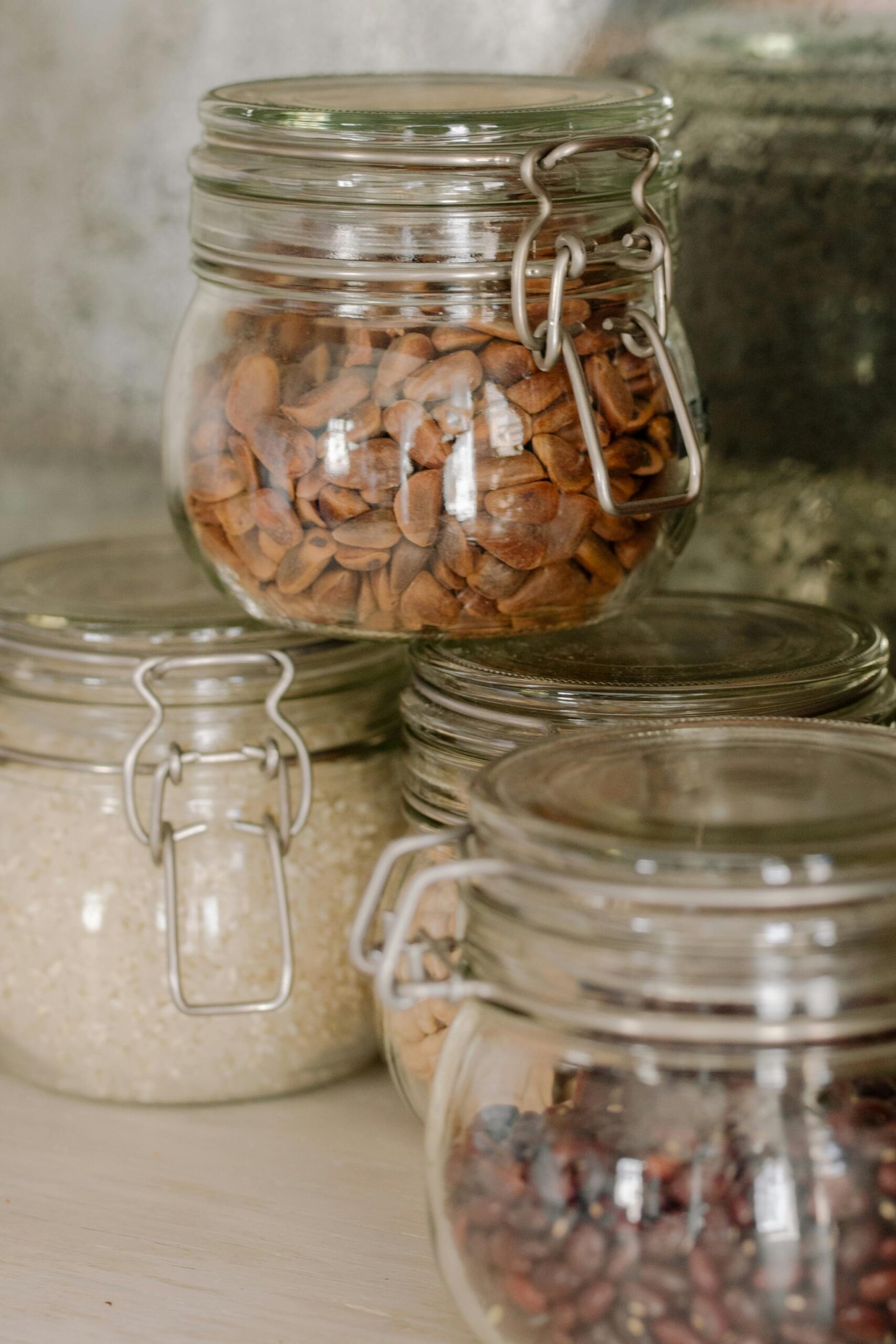
- Glass jars for dry goods (easy to see inventory)
- Food-grade buckets for bulk storage
- Baskets or wooden crates for grouping items
- Labels (simple handwritten or printed)
Clear containers reduce waste because you can quickly see when you’re running low.
Practice FIFO (First In, First Out)
This is one of the most important pantry systems and the most overlooked.
FIFO means using older items first before newer ones.
Here’s how to do it:
- Place newer items behind older ones
- Rotate canned goods regularly
- Keep a “use soon” section front and center
This is especially important for:
- Home-canned foods
- Fresh milled flour
- Bulk grains
A simple rotation habit prevents spoilage and saves money.
Create a Working Inventory System
You don’t need anything fancy, just something you’ll actually use.
Options include:
- A notebook on a pantry shelf
- A printable pantry inventory sheet
- A chalkboard or whiteboard
Track:
- What you have
- What you’re running low on
- What needs to be used soon
This keeps you from overbuying and helps with meal planning.
Design for Everyday Use (Not Perfection)
A beautiful pantry is nice but a usable pantry is better.
Ask yourself:
- What do I reach for daily?
- What do I use weekly?
- What gets stored long-term?
Then organize accordingly: keep everyday items at eye level, store bulk items higher or lower, and place heavy items where they’re easy to lift safely.
Your pantry should work with your lifestyle, not against it.
Make Space for Seasonal Rotation
Homestead pantries naturally shift with the seasons.
In summer: fresh produce and canning supplies take center stage. In fall: preserved goods and bulk staples increase. In winter: pantry reliance is at its highest. Leave room to rotate items in and out as your needs change. Flexibility is key to a system that actually lasts.
Keep a Simple Weekly Reset Routine
Even the best pantry systems need a little upkeep.
Once a week do a quick tidy, check for items running low, and rotate anything that needs using soon. This small habit keeps things from becoming overwhelming again.
Add Rustic Charm Without Sacrificing Function
A homestead pantry should feel warm and inviting, but never cluttered.
Simple touches can make a big difference like wooden shelves or crates, handwritten labels, and neutral tones and natural textures. But remember: function comes first. Beauty follows naturally when things are in order.
Final Thoughts: A Pantry That Serves Your Homestead
A well-organized homestead pantry isn’t about perfection. It’s about peace of mind.
It means knowing what you have, reducing waste, cooking with ease, and feeling prepared for whatever the season brings.
Start simple. Build systems that fit your life. And over time, your pantry will become one of the most reliable and satisfying parts of your homestead.

Hi, I’m Victoria!
I document our homesteading journey on YouTube: covering sourdough, fresh milled bread, gardening, and simple living. Click here to watch, learn, and be inspired to start your own homestead at home.
Comments
No Comments