

There comes a point in almost every gardener's journey when the excitement of spring gives way to exhaustion. The weeds seem to grow overnight, the tomatoes need tying up again, the zucchini won't stop producing, and suddenly the garden that once felt like a peaceful retreat begins to feel like another chore on an already full to-do list.
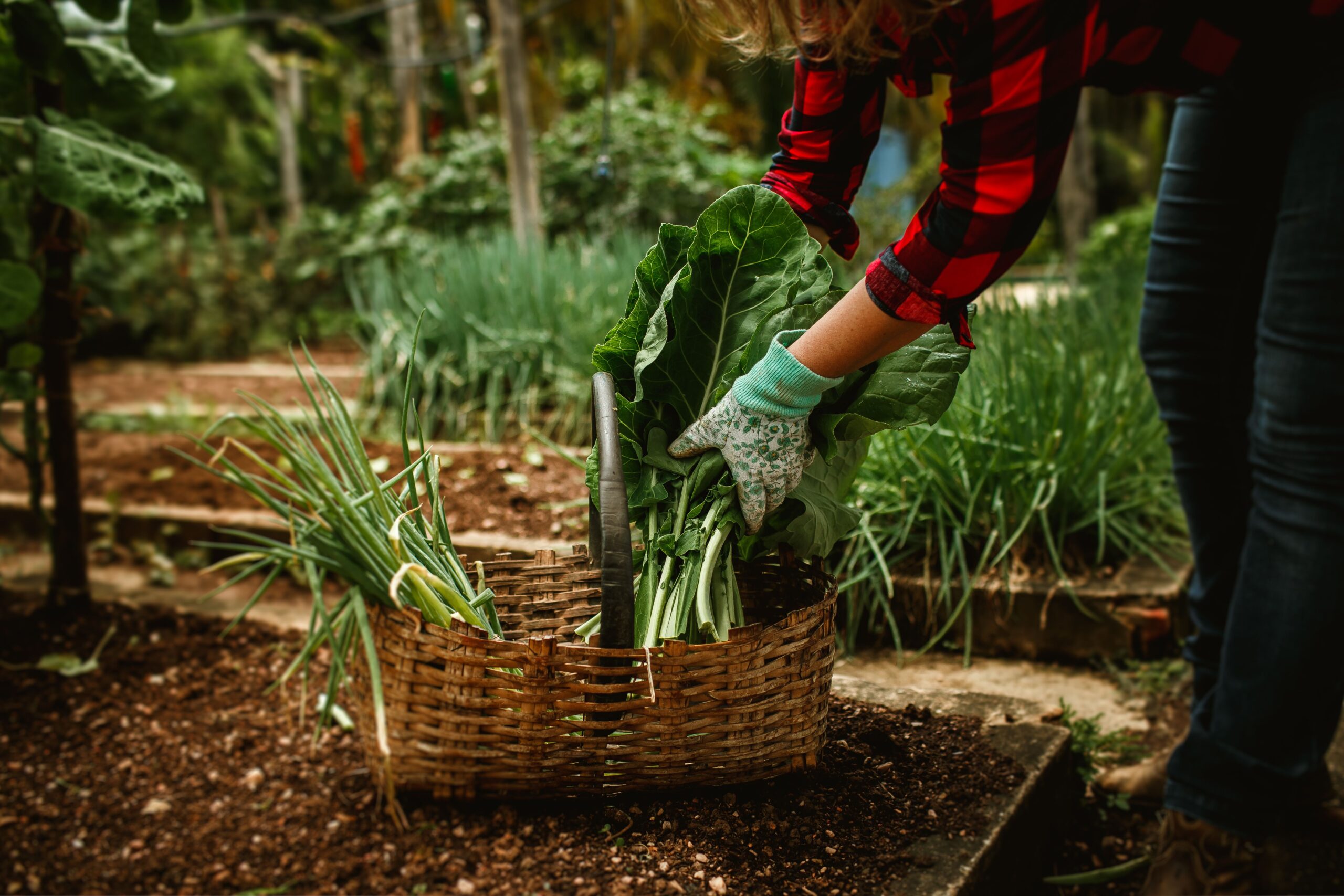
If you've ever found yourself avoiding the garden, you're not alone. This is something I've honestly been experiencing gradually over the last few years. Between a hot climate, bugs, disease, hail (and small humans snacking heavily on what's left), I am considering planting more flowers next year than veggies. Gardening burnout is real, and it happens to beginners and seasoned gardeners alike.
The good news is that burnout doesn't mean you've failed as a gardener. More often, it's simply a sign that your garden has grown beyond the season of life you're currently in. With a few thoughtful changes, you can rediscover the joy that first drew you to gardening in the first place.
What Is Gardening Burnout?
Gardening burnout happens when the physical and mental demands of maintaining a garden begin to outweigh the enjoyment it brings.
Instead of looking forward to watering, harvesting, or planting, you may find yourself feeling:
- Overwhelmed by endless garden tasks
- Guilty about neglected plants
- Frustrated by weeds or pests
- Tired of constant watering
- Discouraged by crop failures
- Unmotivated to spend time outside
It's especially common during the hottest months of summer when gardens demand the most attention.
Why So Many Gardeners Experience Burnout
One of the beautiful things about gardening is that there's always something new to learn.
Ironically, that's also one reason so many gardeners become overwhelmed.
Social media and gardening videos often showcase sprawling vegetable gardens, perfectly weed-free flower beds, and overflowing harvest baskets. While they're inspiring, they can also create unrealistic expectations.
It's easy to believe that a "successful" garden has to be bigger, more productive, and more beautiful every year.
But gardens aren't competitions.
They're living spaces meant to nourish both our bodies and our souls.
Signs You May Be Experiencing Gardening Burnout
You may be dealing with gardening burnout if you find yourself:
- Avoiding the garden altogether
- Feeling stressed every time you look outside
- Letting weeds pile up because you don't know where to start
- Skipping harvests because it feels like too much work
- Losing excitement for seed catalogs and new projects
- Thinking about quitting gardening entirely
These feelings are more common than you might think.
Remember Why You Started Gardening
Before making any changes, pause for a moment and ask yourself why you started gardening.
Maybe it was to:
- Grow healthier food
- Spend more time outdoors
- Feed your family
- Slow down
- Connect with nature
- Create beauty around your home
Those reasons still matter.
Sometimes we simply need to remove the pressure we've added along the way.
1. Shrink Your Garden Without Guilt
One of the hardest lessons many gardeners learn is that bigger isn't always better.
A smaller, well-maintained garden often produces more food than a large garden that's difficult to keep up with.
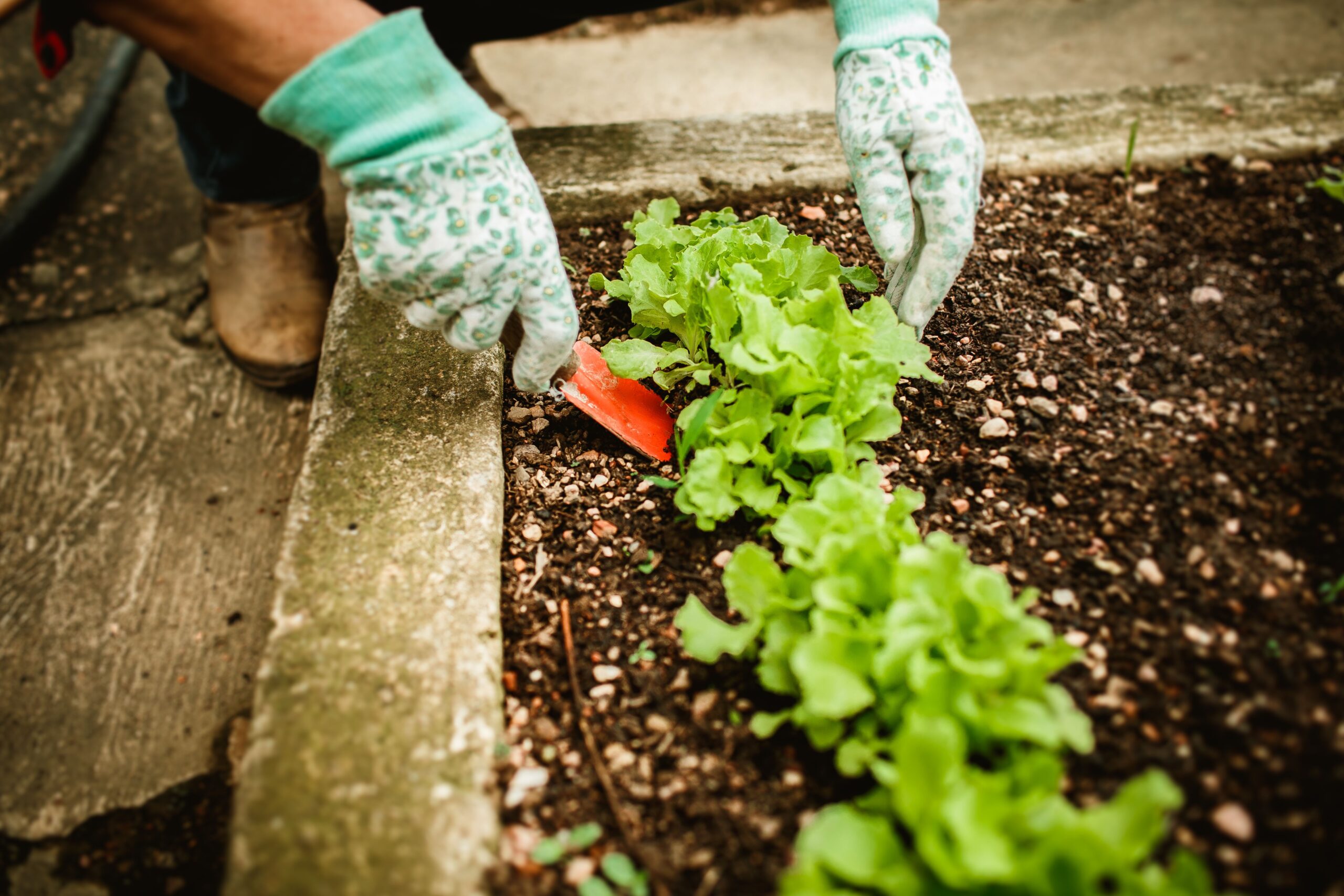
If maintaining your current space feels overwhelming reduce the number of beds, grow fewer varieties, focus on your favorite crops, and skip vegetables your family rarely eats.
There's no prize for growing the biggest garden.
2. Grow What You Love
It's tempting to grow every exciting variety in the seed catalog.
Instead, ask yourself:
"What does my family actually enjoy eating?"
Fill your garden with crops you truly love.
If nobody enjoys eggplant, you don't have to grow it.
If everyone devours cherry tomatoes, plant more of those.
A garden should serve your family, not your social media feed.
3. Embrace Imperfection
Every healthy garden has a few weeds, insect damage, uneven harvests, and plants that don't survive.
Perfection isn't the goal.
A thriving garden is one that's alive.
Butterflies, bees, earthworms, and even a few chewed leaves are signs that your garden is part of a healthy ecosystem.
4. Build Simple Garden Systems
One of the best ways to prevent burnout is to make everyday tasks easier.
Consider adding:
- Drip irrigation
- Thick mulch
- Raised beds
- Trellises
- Compost bins near the garden
- Garden carts or wagons
Small systems save countless hours over the course of a season.
5. Let Some Flowers Grow
Not every square foot needs to produce food.
This has been one of my larger transformations as a gardener. For years, I focused on trying to produce as much food as I could. Yet, my flowers tend to outperform the veggies and bring me more joy.
Planting flowers among your vegetables invites pollinators, softens the landscape, and reminds you that gardens are meant to be beautiful as well as productive.
A handful of zinnias or cosmos can lift your spirits after a long day of weeding.
6. Leave Room for Rest
Some afternoons, the best thing you can do for your garden is simply sit in it.
Take a cup of tea to the porch.
Watch the bees move from blossom to blossom.
Listen to the birds.
Notice how much beauty already surrounds you.
The garden doesn't always need your hands.
Sometimes it simply needs your presence.
7. Accept That Every Season Looks Different
There are seasons for expanding a garden.
There are also seasons for simplifying it.
Young children, caring for aging parents, health challenges, busy work schedules, or welcoming a new baby into the family can all change what you're realistically able to maintain.
And that's okay.
Your garden can grow with you.
It doesn't have to stay the same forever.
8. Celebrate Small Harvests
It's easy to overlook the little victories.
But a single bowl of tomatoes...
A bouquet of fresh flowers...
A handful of herbs for dinner...
They're all reminders that your efforts matter.
Abundance isn't measured only by overflowing baskets.
Sometimes it's found in the simple joy of gathering enough.
How to Prevent Gardening Burnout Next Season
As you plan next year's garden, ask yourself:
- What crops brought me the most joy?
- Which ones created unnecessary work?
- Could I simplify my layout?
- Where could I automate tasks?
- What can I let go of?
Gardening should fit your life... not consume it.
The best garden is the one that leaves room for family dinners, slow mornings, and quiet evenings on the porch.
Finding Joy in the Garden Again
One of the greatest lessons gardening teaches is that growth isn't always measured by how much we produce. Sometimes growth looks like learning to let go of unrealistic expectations and embracing the beauty of enough.
A garden doesn't have to be flawless to be fruitful. It doesn't need to resemble the carefully curated images we scroll past online to be worthwhile. The tomatoes with cracked skins, the slightly crooked carrots, and the flower bed with a few cheerful weeds still tell a story of abundance.
If you're feeling burned out, give yourself permission to simplify. Plant fewer seeds. Pull a few weeds, then sit beneath the shade with a glass of iced tea. Watch the bees, admire the butterflies, and remember why you started gardening in the first place.
Because the best gardens aren't the ones that demand every ounce of your energy: they're the ones that nourish both your table and your soul.

Hi, I’m Victoria!
I document our homesteading journey on YouTube: covering sourdough, fresh milled bread, gardening, and simple living. Click here to watch, learn, and be inspired to start your own homestead at home.


Comments
No Comments