

There can be nothing more discouraging than digging into your garden soil for the first time only to find hard clay, dry dust, or lifeless ground that doesn’t seem fit for growing much of anything. But here’s the truth: you can learn how to start a garden in poor soil.
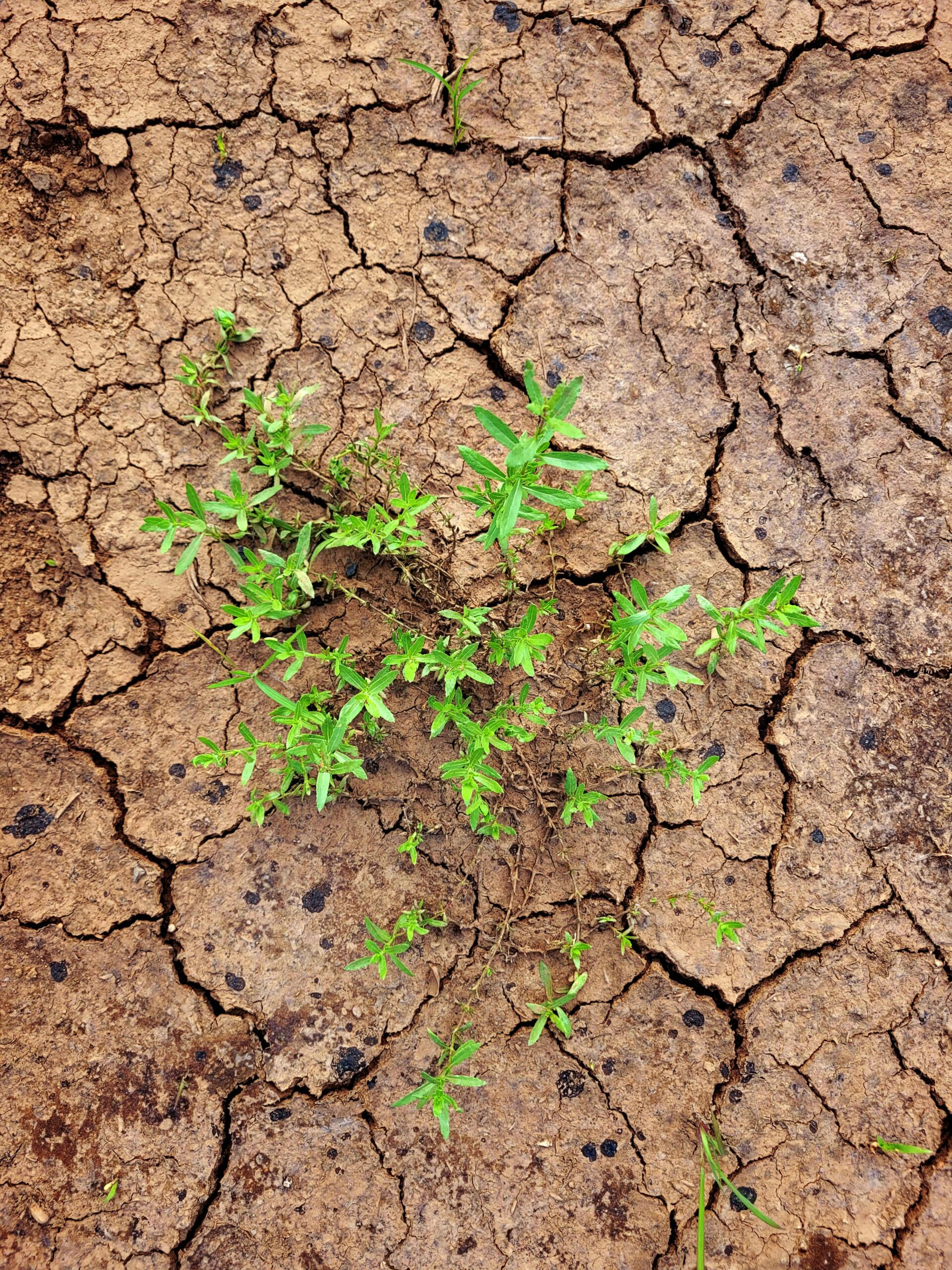
Some of the most abundant, productive gardens begin with less-than-ideal conditions. With a little patience and a few practical methods, you can turn tired soil into rich, living ground that supports healthy plants year after year.
If you’re wondering how to start a garden with poor soil, this guide will walk you through simple, effective steps to build fertility and grow successfully from the very beginning.
What Is “Poor Soil,” Really?
Before you can improve your soil, it helps to understand what you’re working with.
Poor soil often looks like:
- Hard, compacted clay
- Sandy soil that won’t hold moisture
- Dry, dusty ground with little organic matter
- Soil that drains too quickly or not at all
Healthy soil, by contrast, is dark, crumbly, and full of life: rich with nutrients and beneficial organisms.
The good news is that soil can always be improved.
Step 1: Don’t Try to Fix Everything at Once
One of the biggest mistakes beginners make is trying to completely overhaul their soil in a single season.
Instead, think of soil building as a slow, steady process.
Focus on adding organic matter, improving structure over time, and supporting beneficial microbes. Even small improvements can lead to noticeable results.
Step 2: Add Organic Matter (This Changes Everything)
If there’s one secret to improving poor soil, it’s this: add organic matter and keep adding it. Organic matter helps break up heavy clay, improve water retention in sandy soil, feed beneficial soil organisms, and increase nutrient availability.
The best options include:
- Compost (learn more here)
- Aged manure
- Leaf mold
- Grass clippings (dried)
- Kitchen scraps (composted)
Spread 2–4 inches of compost over your garden beds and gently work it into the top few inches of soil. Over time, this simple practice transforms soil structure completely.
Step 3: Use Raised Beds (If Needed)
If your soil is extremely poor or compacted, raised beds can give you a fresh start.
Raised beds allow you to control soil quality immediately, improve drainage, warm soil faster in spring, and reduce compaction from foot traffic. Fill beds with a mix of compost, topsoil, and organic matter.
This creates a fertile growing environment while your native soil improves underneath.
Step 4: Try the “No-Dig” Gardening Method
No-dig gardening is one of the easiest and most effective ways to build soil health.
Instead of tilling, you simply:
- Lay down cardboard or newspaper over the soil
- Add layers of compost and organic material on top
- Plant directly into the new layer
This method protects soil structure, encourages earthworms, builds fertility naturally, and reduces weeds over time. It’s especially helpful for beginners working with difficult soil conditions.
Step 5: Mulch Generously
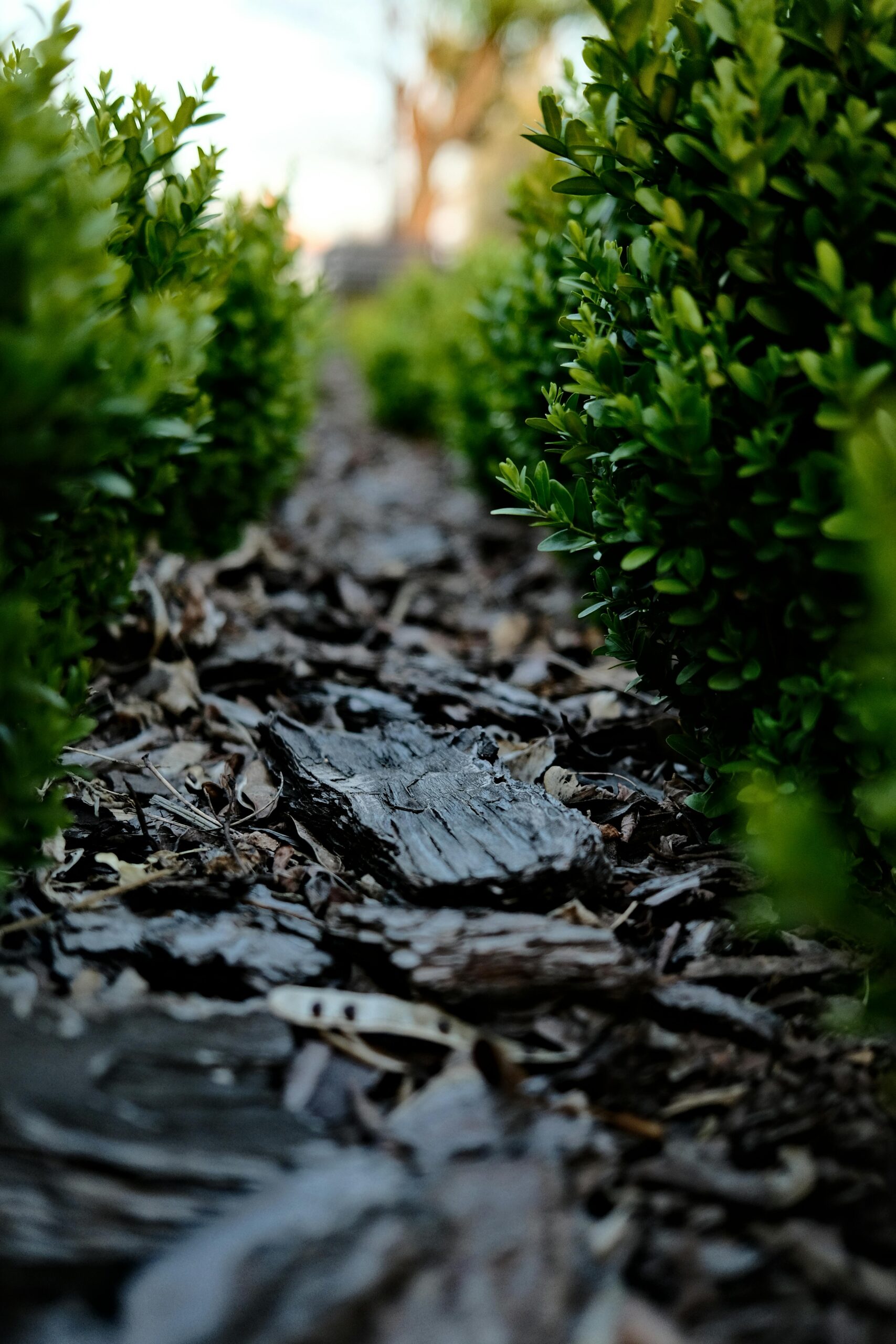
Mulch is often overlooked, but it plays a huge role in improving soil. A thick layer of mulch helps retain moisture, regulate soil temperature, suppress weeds, and break down into organic matter over time.
Good mulch options include:
- Straw
- Wood chips
- Leaves
- Grass clippings
Aim for 2–4 inches of mulch around your plants.
Step 6: Choose Plants That Thrive in Poor Soil
While you’re improving your soil, it helps to grow plants that are naturally more forgiving.
Beginner-friendly crops for poor soil include:
- Zucchini
- Potatoes
- Beans
- Kale
- Sunflowers
These plants are resilient and can still produce well as your soil improves.
Step 7: Avoid Over-Tilling
Tilling might seem like a quick fix, but it can actually damage soil over time.
Excessive tilling breaks down soil structure, disrupts beneficial microbes, and leads to compaction later. Instead, focus on adding organic matter and letting natural processes do the work.
Step 8: Feed Your Soil, Not Just Your Plants
Healthy gardens begin with healthy soil.
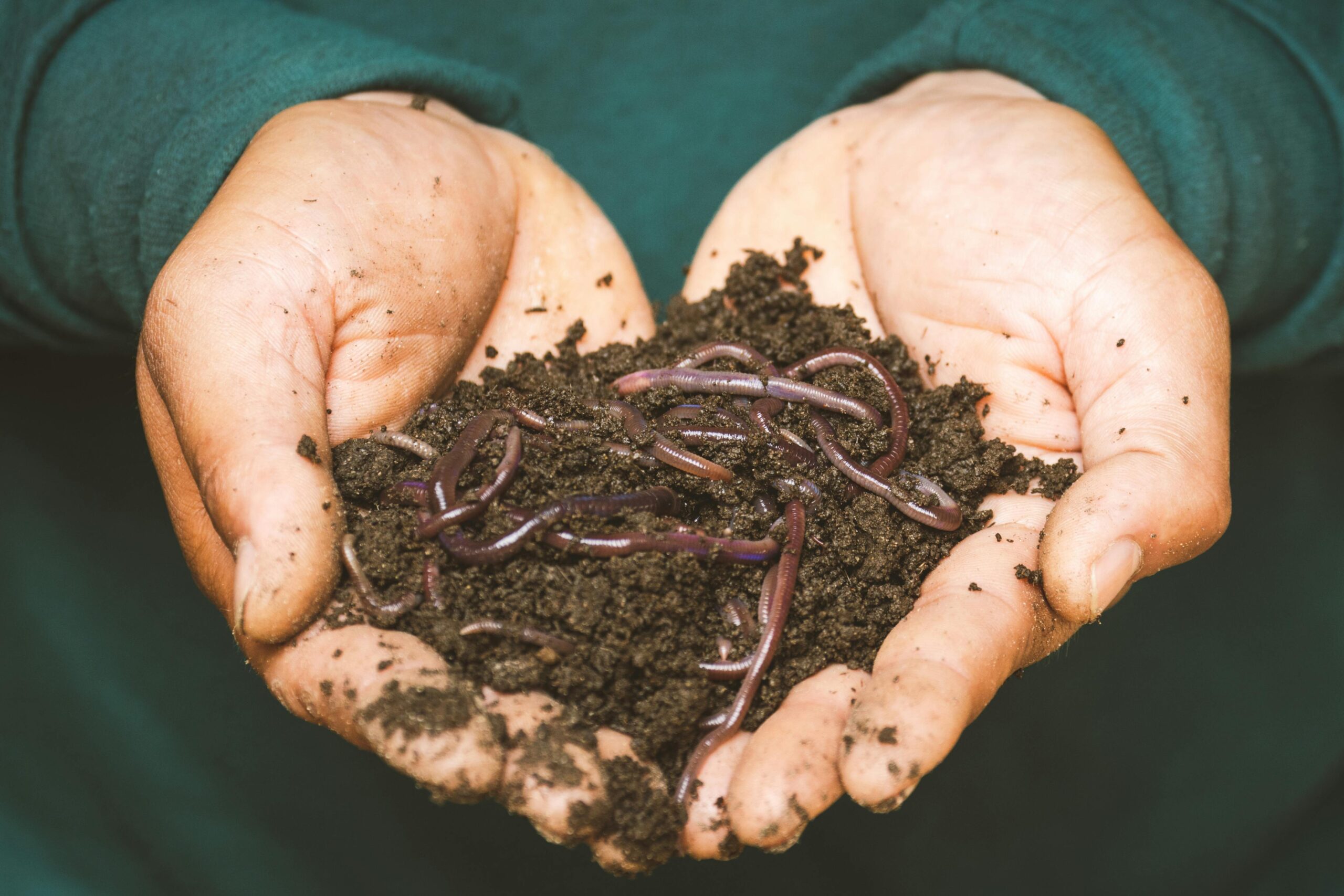
Rather than relying heavily on synthetic fertilizers, focus on feeding the soil itself. Ways to build living soil include adding compost regularly, planting cover crops, using natural fertilizers, and encouraging earthworms.
When the soil is healthy, plants naturally grow stronger and more productive.
Step 9: Be Patient (This Is a Long-Term Investment)
Improving poor soil doesn’t happen overnight. But with each season, you’ll begin to notice softer, darker soil, better water retention, stronger plant growth, and higher yields.
What once felt like lifeless ground slowly becomes rich, living soil.
A Garden That Grows With You
Starting a garden in poor soil can feel discouraging at first, but it’s also an opportunity.
You get to build your soil from the ground up, learning how it changes, improves, and supports life over time. And in many ways, that’s what gardening is all about: Working with what you have, nurturing it, and watching something beautiful grow.
Even the poorest soil can become something abundant with care, patience, and steady effort.

Hi, I’m Victoria!
I document our homesteading journey on YouTube: covering sourdough, fresh milled bread, gardening, and simple living. Click here to watch, learn, and be inspired to start your own homestead at home.


Comments
No Comments