

This post contains affiliate links. This means I earn a small commission at no cost to you. You can view my affiliate disclosure here.
There’s nothing quite like the quiet magic of fermentation happening on a kitchen counter. A jar of cucumbers, water, salt, and dill are simple ingredients slowly transforming into crisp, tangy pickles just as they have for generations.
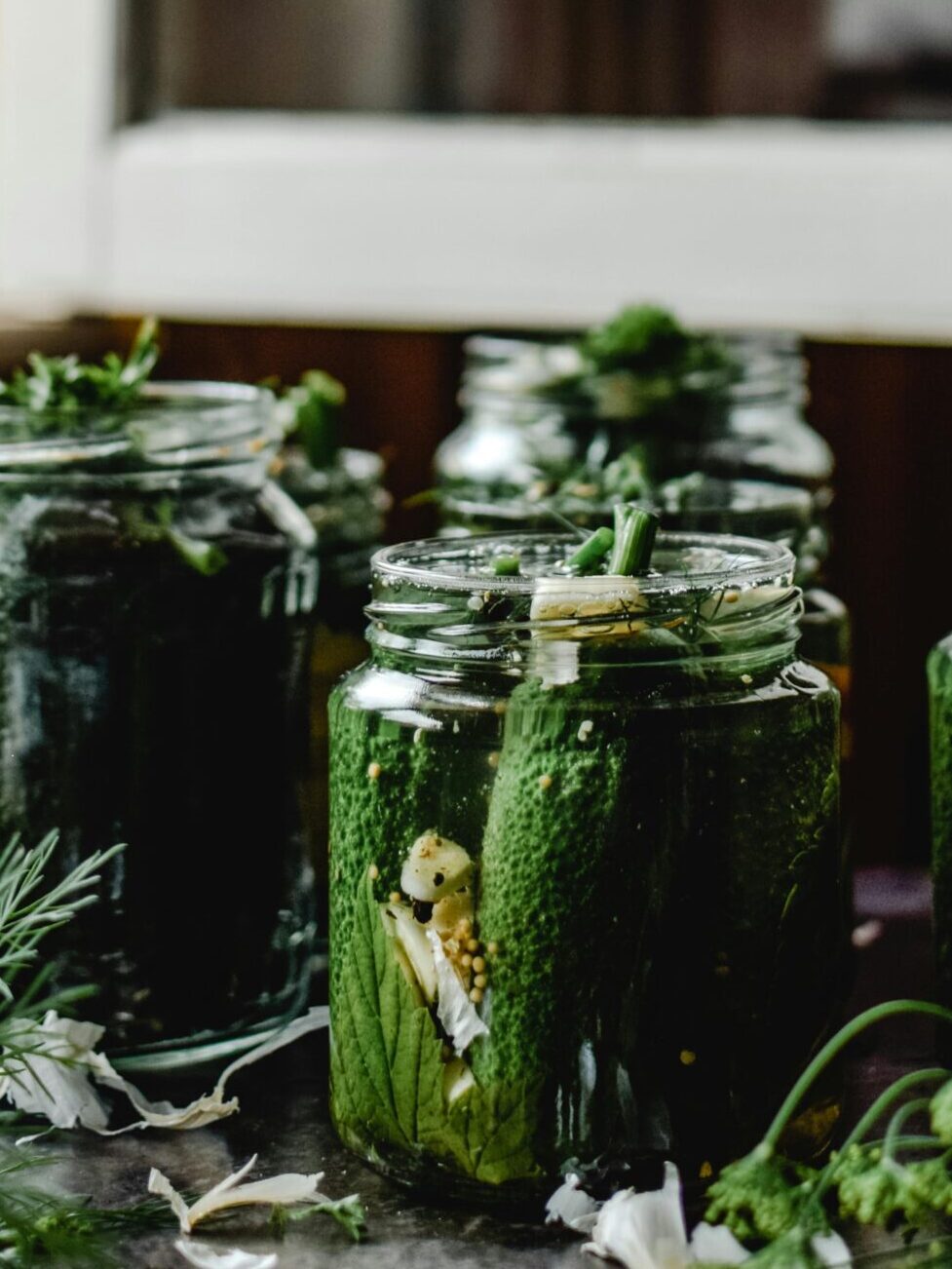
Lacto-fermented dill pickles are one of the most traditional ways to preserve cucumbers, long before vinegar brines and store-bought jars lined grocery shelves. These old-fashioned pickles rely on time, beneficial bacteria, and patience, creating a naturally preserved food that feels right at home in a rustic kitchen.
My sourdough was flat and business was slow

When I first started homesteading, my sourdough was dense and flat, my garden struggled, and it seemed like I was scrambling to get people to notice my business, let alone, buy my products. And for a time, I burnt out.
After years of trial and error, analyzing hundreds of businesses from other sectors, and just pure grit...
I created a free Zero to Homestead Skool Community: a place where homesteaders of all levels share wins, troubleshoot challenges, and get guidance from experienced peers. By joining, you’ll access step-by-step guides to build traditional skills (sourdough, fresh milled flour, traditional foods, preserving, livestock, gardening, and more) plus full courses, workshops, and homestead business-building resources with a supportive network to help your homestead thrive.
What Are Lacto-Fermented Dill Pickles?
Lacto-fermented pickles are cucumbers preserved in a saltwater brine rather than vinegar. During fermentation, naturally occurring lactic acid bacteria convert sugars in the cucumbers into lactic acid, creating their signature tangy flavor and crisp texture.
Despite the name, lacto fermentation does not involve dairy. The term refers to lactic acid, the natural byproduct of fermentation.
This traditional method has been used across cultures for centuries to preserve vegetables safely and naturally.
Why Choose Lacto-Fermentation Over Vinegar Pickles?
While vinegar pickles have their place, lacto-fermented dill pickles offer something different: deeper flavor, natural preservation, and a connection to traditional foodways.
Many home fermenters love lacto-fermented pickles because they:
- Preserve cucumbers naturally
- Develop complex, tangy flavor over time
- Require no heat processing
- Use simple, whole ingredients
- Fit seamlessly into a traditional foods lifestyle
These pickles are living foods, slowly changing and deepening as they ferment.
Ingredients for Traditional Fermented Dill Pickles
The beauty of fermented pickles lies in their simplicity. You don’t need special starters or complicated steps: just fresh ingredients and clean jars.
Typical ingredients include:
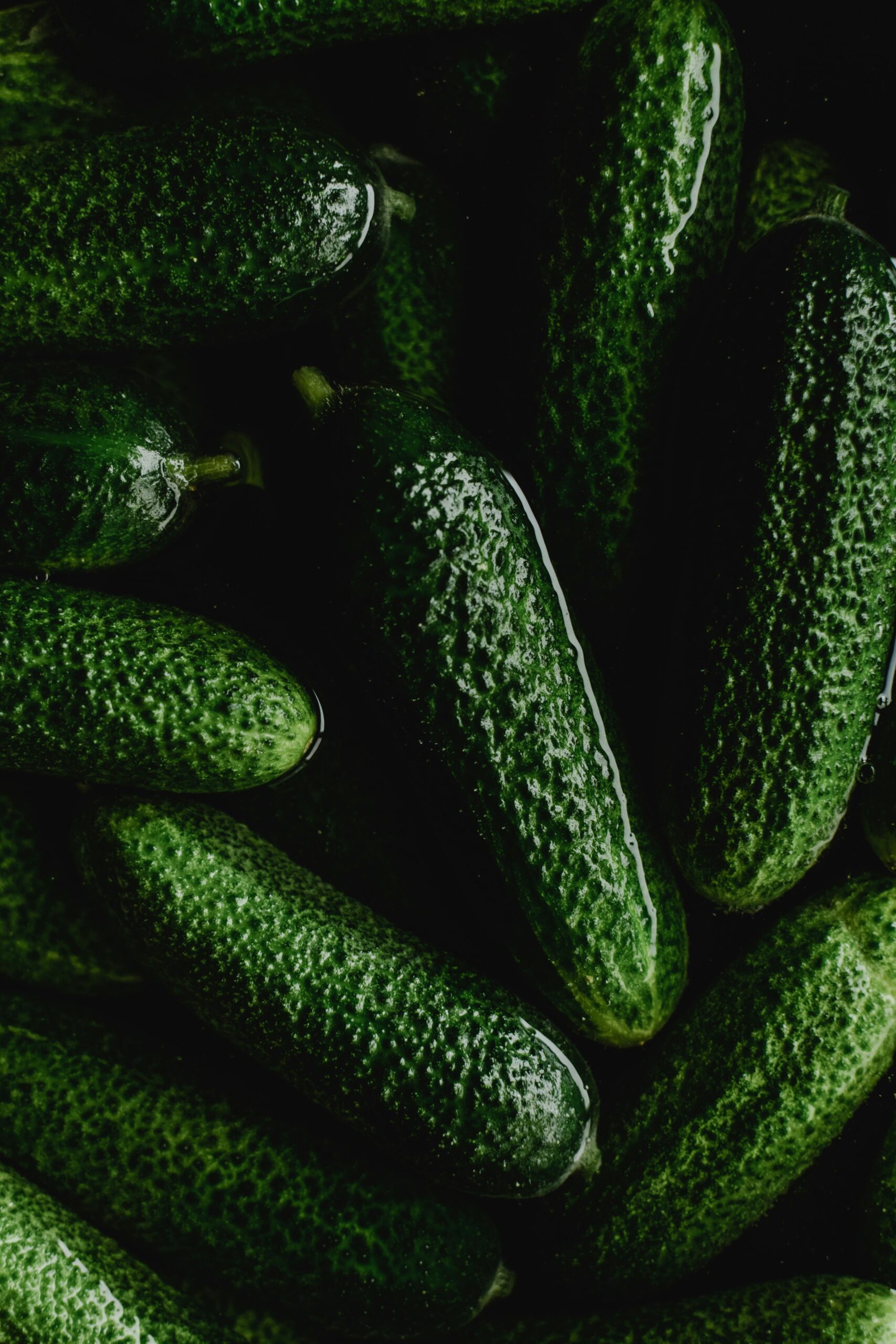
- Fresh cucumbers (pickling cucumbers work best)
- Water
- Salt (unrefined sea salt or kosher salt)
- Fresh dill
- Garlic
- Optional spices
Quality matters here. Fresh, firm cucumbers and clean water will give you the best results.
How Lacto-Fermented Dill Pickles Are Made
Making fermented dill pickles is more about observation than precision.
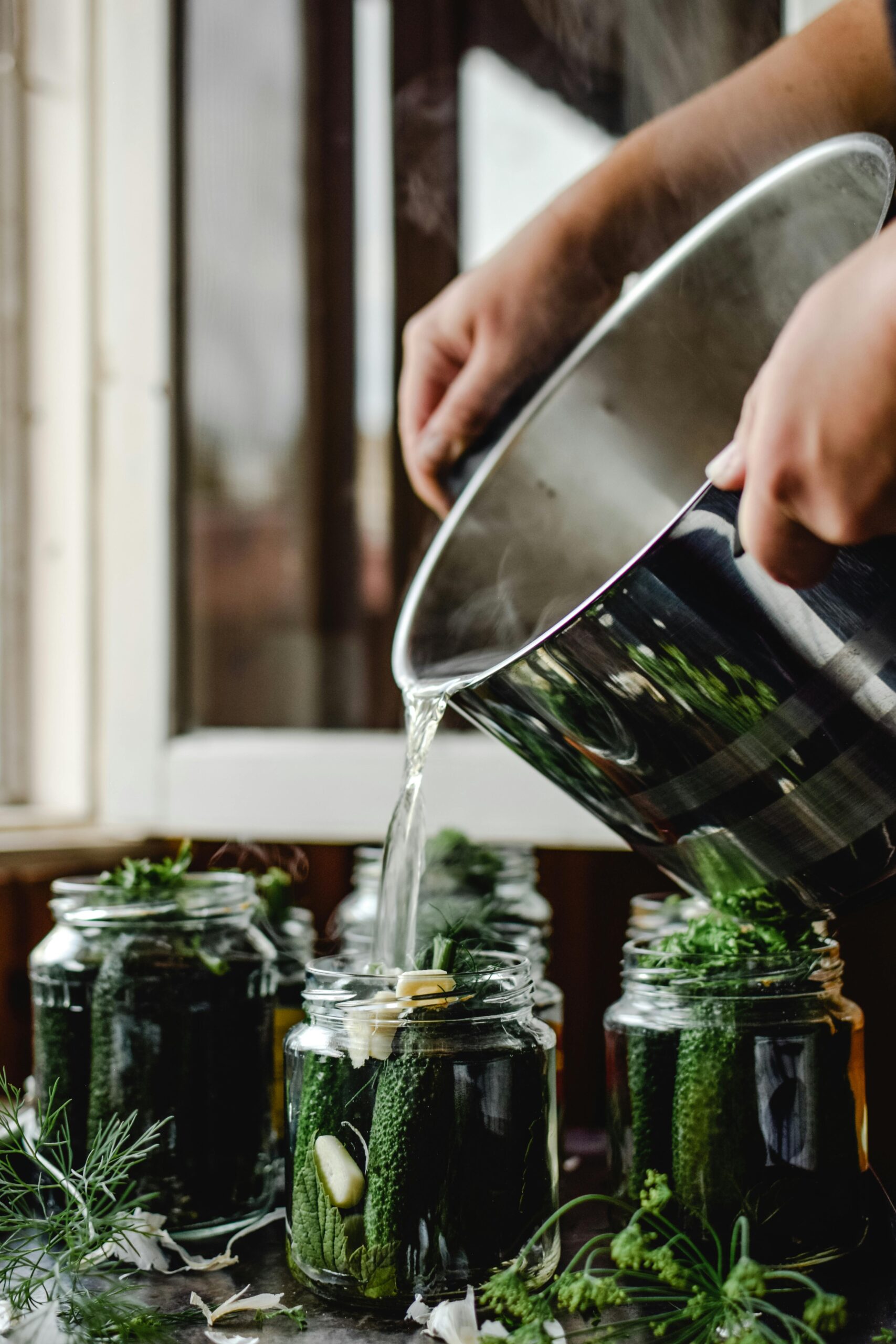
Cucumbers are packed tightly into a jar with dill and garlic, then covered with a saltwater brine. The vegetables must remain fully submerged to ferment properly (optionally, you can use a fermentation weight to keep the cucumbers submerged). Over the next few days, natural fermentation begins, creating bubbles and cloudiness: signs that the process is working.
After several days to a few weeks, depending on taste preference, the pickles develop their familiar sour flavor and crisp bite.
How Long Do Fermented Pickles Take?
Fermentation time varies based on temperature and personal taste.
- 3–5 days: Lightly fermented, mild flavor
- 7–10 days: Classic sour dill
- 2–4 weeks: Fully fermented, bold and tangy
Once fermented to your liking, the pickles can be moved to the refrigerator to slow the process.
Tips for Crisp, Successful Fermented Pickles
A few simple practices can make all the difference:
- Use very fresh cucumbers
- Trim the blossom end to prevent softening
- Keep cucumbers fully submerged in brine
- Ferment at room temperature, out of direct sunlight
- Skim off surface yeast if it appears
Fermentation is forgiving, but attentiveness helps ensure success.
How to Store Lacto-Fermented Dill Pickles
Once fermented, pickles can be stored in the refrigerator for several months. Cold storage slows fermentation while preserving flavor and texture.
Always use clean utensils when removing pickles to maintain freshness.
A Jar of Tradition on the Counter
Lacto-fermented dill pickles are more than a condiment. They’re a return to the way food was once made. No rushing. No shortcuts. Just simple ingredients, time, and trust in natural processes.
There’s something grounding about twisting open a jar you made yourself, hearing that gentle hiss, and tasting the work of days gone by. It’s a small act, but one that brings tradition back into the everyday kitchen.
If you make this recipe, be sure to leave me a star rating and a comment below. Share what you made and tag me on Instagram@keepingitholistic! For more simple sourdough recipes & guidance, small-space gardening tips, and cozy, slow living inspiration, subscribe to my newsletter and follow me on YouTube and Instagram!
📖 Recipe
Lacto-Fermented Dill Pickles (Traditional Method)
Equipment
- Quart-size glass jar
- Fermentation weight or small clean jar
- Cloth cover or loose-fitting lid
- Measuring cup
Ingredients
- 1 pound fresh pickling cucumbers
- 1 tablespoon unrefined sea salt or kosher salt
- 2 cups filtered water
- 2-3 fresh dill sprigs
- 2 cloves garlic lightly crushed
- ½ teaspoon black peppercorns optional
- ½ teaspoon mustard seed or red pepper flakes optional
Instructions
Prepare the Cucumbers
- Wash cucumbers well and trim the blossom ends to help maintain crispness.
Make the Brine
- Dissolve salt completely in filtered water to create a saltwater brine.
Pack the Jar
- Place dill and garlic in the bottom of the jar. Pack cucumbers tightly on top, adding spices if using.
Add the Brine
- Pour brine over cucumbers until fully submerged. Leave about 1 inch of headspace.
Weigh Down Cucumbers
- Use a fermentation weight or small jar to keep cucumbers completely under the brine.
Cover and Ferment
- Cover loosely and place the jar at room temperature, out of direct sunlight.
Check Daily
- Skim off any surface yeast if it forms. Bubbles and cloudiness are normal.
Taste and Store
- After 7–10 days, taste for desired sourness. Once fermented to your liking, seal and refrigerate.


Comments
No Comments