

This post contains affiliate links. This means I earn a small commission at no cost to you. You can view my affiliate disclosure here.
A loaf of sandwich bread cooling on the counter can be quietly comforting. Not crusty or bold, but soft, tender, and made to be sliced thick for lunches and toasted slow in the morning. This soft sourdough sandwich bread is leavened naturally, no commercial yeast, no shortcuts, just time, patience, and a healthy sourdough starter.
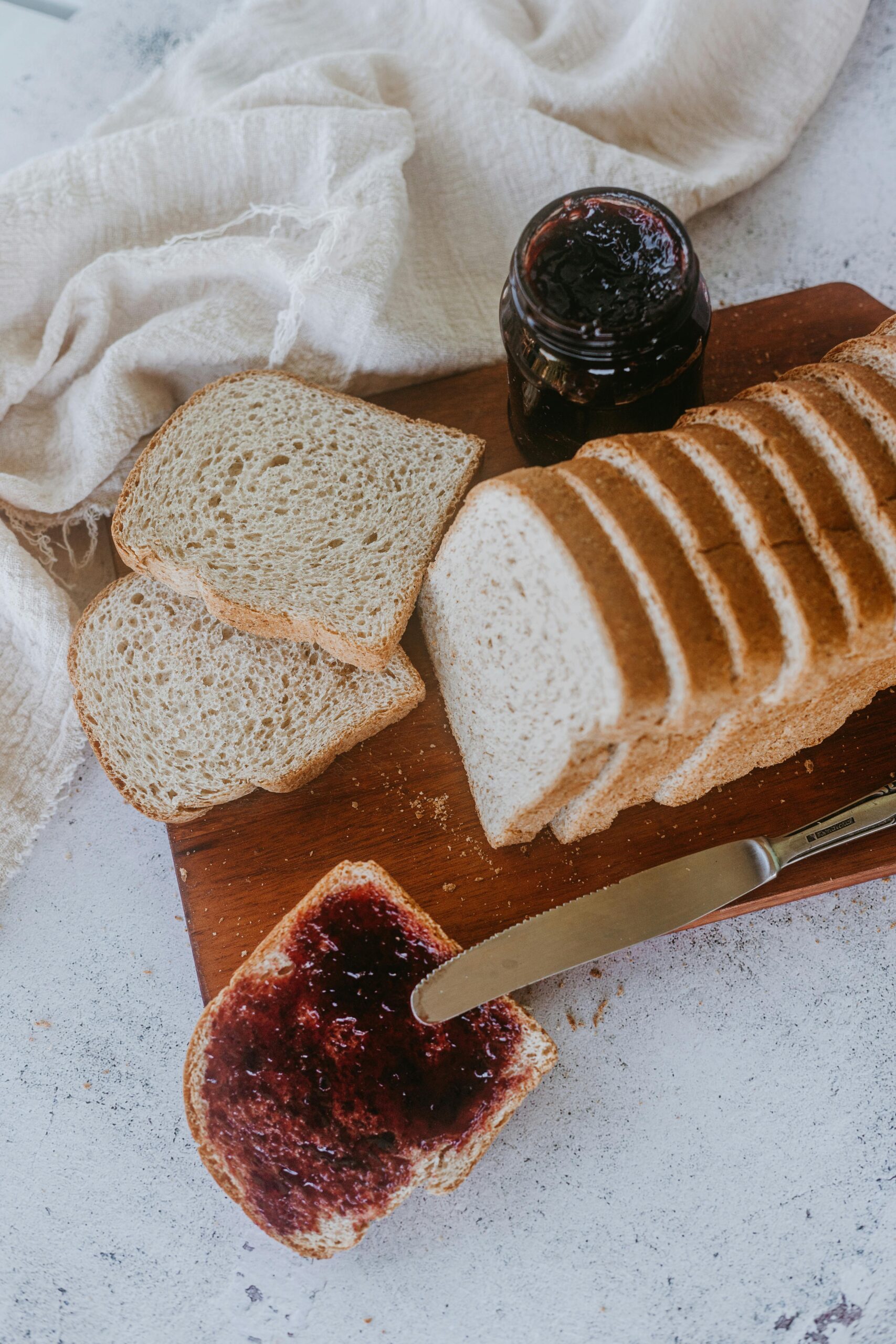
I honestly make this bread more than my artisan loaves. Why? Because it’s the kind of bread that fits seamlessly into everyday life. Gentle in flavor, sturdy enough for sandwiches, and nourishing in the way only naturally fermented bread can be.
Over in my online homesteading community, I share this recipe plus many other everyday recipes and help you troubleshoot if you need assistance.
My sourdough was flat and business was slow

When I first started homesteading, my sourdough was dense and flat, my garden struggled, and it seemed like I was scrambling to get people to notice my business, let alone, buy my products. And for a time, I burnt out.
After years of trial and error, analyzing hundreds of businesses from other sectors, and just pure grit...
I created a free Zero to Homestead Skool Community: a place where homesteaders of all levels share wins, troubleshoot challenges, and get guidance from experienced peers. By joining, you’ll access step-by-step guides to build traditional skills (sourdough, fresh milled flour, traditional foods, preserving, livestock, gardening, and more) plus full courses, workshops, and homestead business-building resources with a supportive network to help your homestead thrive.
Why Make Soft Sourdough Sandwich Bread Without Yeast?
Many sourdough loaves are rustic and crusty, but sandwich bread asks for something different. It needs to be soft, flexible, and dependable without losing the benefits of natural fermentation.
By skipping commercial yeast, this loaf:
- Relies entirely on a strong sourdough starter
- Develops deeper flavor through slow fermentation
- Is easier to digest for many people
- Aligns with traditional, old-world bread methods
This is true sourdough, adapted for modern, everyday meals.
What Makes This Sandwich Bread Soft?
Soft sourdough sandwich bread is all about balance. A bit of fat, gentle hydration, and proper fermentation create a tender crumb without sacrificing structure.
This loaf uses:
- Milk or water for hydration
- Butter or oil for softness
- Honey for subtle sweetness
- A long, steady rise for strength and flavor
The result is a loaf that slices beautifully and stays soft for days.
Soft Sourdough Sandwich Bread Recipe (No Yeast)
Ingredients (Makes 1 Loaf)
- ½ cup (120g) active sourdough starter, bubbly and fed
- 3 cups (360g) all-purpose or bread flour
- ¾ cup (180g) warm milk or water
- 2 tablespoons honey or maple syrup
- 2 tablespoons melted butter or olive oil
- 1 ½ teaspoons sea salt
Instructions
1. Mix the Dough
In a large bowl, combine sourdough starter, warm milk, honey, and melted butter. Stir until smooth. Add flour and salt, mixing until a soft dough forms.
2. Knead
Turn dough onto a lightly floured surface and knead for 8–10 minutes until smooth and elastic. The dough should be soft and slightly tacky, not sticky.
3. Bulk Fermentation
Place dough in a greased bowl, cover, and allow to rise at room temperature for 6–8 hours, or until doubled in size.
4. Shape
Gently deflate the dough and shape into a loaf. Place seam-side down into a greased loaf pan.
5. Final Rise
Cover and let rise for 2–4 hours, until the dough rises just above the rim of the pan.
6. Bake
Preheat oven to 375°F (190°C). Bake for 35–40 minutes, until golden and the internal temperature reaches about 200°F.
7. Cool
Remove from pan and cool completely on a wire rack before slicing.

Tips for the Best Sourdough Sandwich Bread
- Use a strong, active starter because this bread depends on it
- Don’t rush the rise; slower fermentation builds structure
- For extra softness, brush the top with butter after baking
- Store in a bread bag or cloth to keep the crumb tender
How to Store and Freeze Soft Sourdough Sandwich Bread
Once your loaf has cooled completely, proper storage will keep it soft and flavorful for days to come.
For short-term storage, keep the bread in a cloth bread bag, linen towel, or paper bag at room temperature. This helps the loaf breathe while protecting the crust and crumb. Avoid airtight plastic bags on the counter, as they can trap moisture and lead to mold.
If you plan to store the bread longer, freezing is the best option. Slice the loaf first so you can remove only what you need. Wrap tightly in parchment paper or plastic wrap, then place in a freezer-safe bag or container.
Frozen sourdough sandwich bread keeps well for up to 3 months. To enjoy, thaw slices at room temperature or pop them straight into the toaster for a quick, cozy breakfast or lunch.
Soft Sourdough Sandwich Bread FAQs
Can I freeze sourdough sandwich bread?
Yes. Sourdough bread freezes beautifully. Slice before freezing for convenience, and thaw as needed. The flavor and texture hold up especially well due to natural fermentation.
How long does sourdough sandwich bread last?
At room temperature, this bread stays fresh for 3–4 days when stored properly. For longer storage, freezing is recommended.
Why is my sourdough sandwich bread dense?
A dense loaf often means the starter wasn’t active enough or the dough didn’t ferment long enough. Make sure your starter is bubbly and passes the float test, and allow adequate rise time.
Can I make this bread with whole wheat flour?
Yes. You can replace up to 1 cup of all-purpose flour with whole wheat flour. Expect a slightly denser loaf with a heartier, more rustic flavor.
Is this bread good for sandwiches?
Absolutely. This recipe was designed specifically for sandwiches. The crumb is soft and flexible, yet sturdy enough to hold fillings without falling apart.
Can I bake this in a pullman or loaf pan with a lid?
Yes. A lidded loaf pan works well for this recipe and creates an evenly shaped sandwich loaf. Remove the lid during the last 10 minutes of baking if you want a lightly golden top.

Perfect for Everyday Meals
This soft sourdough sandwich bread is made for real life. Peanut butter and jelly lunches, grilled cheese at the stove, toast with butter and jam: it holds up without crumbling and tastes just as good the next day.
It’s a loaf you can bake weekly and trust every time.
Final Thoughts
Soft sourdough sandwich bread without yeast is proof that simple food can still be deeply nourishing. With just a handful of ingredients and a little patience, you can create a loaf that supports both your family and the rhythm of slow, intentional living.
Once you bake this bread, it’s hard to go back to anything else.
If you make this recipe, be sure to leave me a star rating and a comment below. Share what you made and tag me on Instagram@keepingitholistic! For more simple sourdough recipes & guidance, small-space gardening tips, and cozy, slow living inspiration, subscribe to my newsletter and follow me on YouTube and Instagram!
📖 Recipe

Soft Sourdough Sandwich Bread (No Yeast)
Equipment
- 1 Large bowl
- 1 9x5 inch loaf pan
Ingredients
- ½ cup 120g active sourdough starter, fed and bubbly
- 3 cups 360g all-purpose or bread flour
- ¾ cup 180g warm milk or water
- 2 tablespoons honey or maple syrup
- 2 tablespoons melted butter or olive oil
- 1 ½ teaspoons sea salt
Instructions
Mix the Dough
- In a large bowl, whisk together sourdough starter, warm milk, honey, and melted butter. Add flour and salt and mix until a soft dough forms.
Knead
- Turn dough onto a lightly floured surface and knead for 8–10 minutes, until smooth and elastic. Dough should be soft and slightly tacky, not sticky.
Bulk Fermentation
- Place dough in a lightly greased bowl, cover, and let rise at room temperature for 6–8 hours, or until doubled in size.
Shape
- Gently deflate the dough and shape into a loaf. Place seam-side down into a greased 9×5-inch loaf pan.
Final Rise
- Cover and let rise for 2–4 hours, until the dough rises just above the rim of the pan.
Bake
- Preheat oven to 375°F (190°C). Bake for 35–40 minutes, until golden brown and the internal temperature reaches about 200°F (93°C).
Cool
- Remove from pan and cool completely on a wire rack before slicing.


Comments
No Comments