
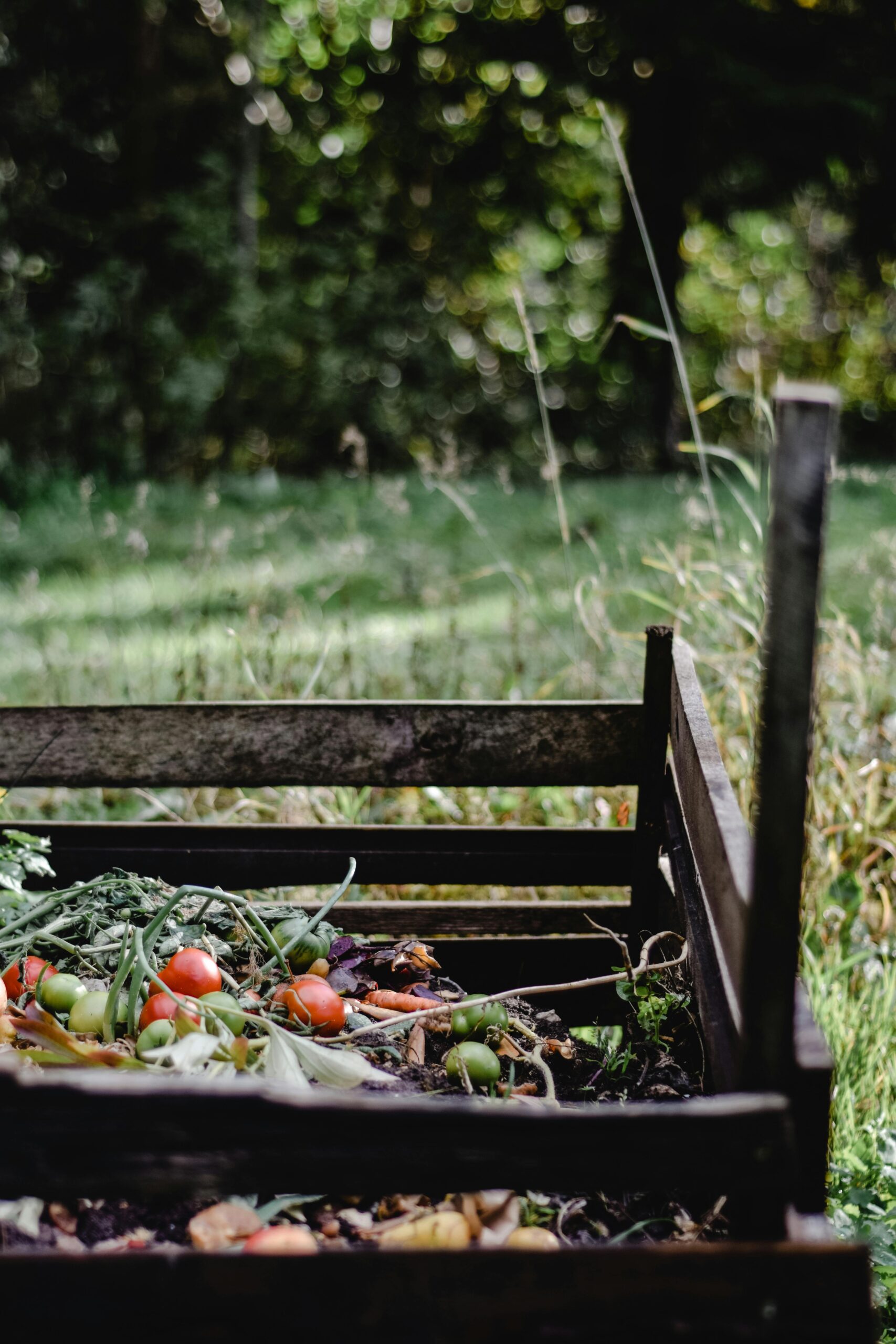
Composting at home is one of the simplest, most life-giving ways to turn everyday kitchen scraps and garden waste into rich, nourishing soil for your garden. Banana peels, eggshells, garden trimmings, the very things we’d normally toss, quietly becoming rich, dark compost that feeds next season’s tomatoes.
If you’re building a homestead rhythm (even in the suburbs), composting is one of the simplest, most powerful systems you can start.
And the best part? It doesn’t have to be complicated.
Let’s walk through how to compost at home: simply, practically, and in a way that fits real life.
My sourdough was flat and business was slow
When I first started homesteading, my sourdough was dense and flat, my garden struggled, and it seemed like I was scrambling to get people to notice my business, let alone, buy my products. And for a time, I burnt out.
After years of trial and error, analyzing hundreds of businesses from other sectors, and just pure grit...
I created a free Zero to Homestead Skool Community: a place where homesteaders of all levels share wins, troubleshoot challenges, and get guidance from experienced peers. By joining, you’ll access step-by-step guides to build traditional skills (sourdough, fresh milled flour, traditional foods, preserving, livestock, gardening, and more) plus full courses, workshops, and homestead business-building resources with a supportive network to help your homestead thrive.
What Is Composting?
Composting is the natural process of turning organic waste into nutrient-rich soil. Microorganisms, oxygen, moisture, and time work together to break down materials into what gardeners lovingly call “black gold.”
Good compost improves soil structure, water retention, nutrient availability, plant health, and garden yields.
It’s not just about reducing waste. It’s about building life into your soil.
Why Every Homestead Should Compost
Whether you’re growing in raised beds, rows, or containers, compost is foundational.
Benefits of composting at home:
- Reduces household waste
- Saves money on fertilizers
- Improves soil naturally (no chemicals needed)
- Supports healthier plants
- Builds long-term garden resilience
If you’re trying to grow more of your own food, compost is one of the first systems to establish.
The 3 Essentials of Composting
Composting is about balance, not perfection.
1. Greens (Nitrogen-Rich Materials)
These are fresh, moist materials that heat up the pile.
Examples:
- Fruit and vegetable scraps
- Coffee grounds
- Fresh grass clippings
- Garden trimmings
2. Browns (Carbon-Rich Materials)
These are dry materials that provide structure and airflow.
Examples:
- Dry leaves
- Straw
- Cardboard
- Paper (non-glossy)
- Wood chips
3. Air + Moisture
Your compost pile should feel like a wrung-out sponge: damp but not soggy.
Turn your pile every 1–2 weeks to introduce oxygen and speed up decomposition.
What NOT to Compost
To keep your compost healthy and pest-free, avoid:
- Meat
- Dairy
- Oily foods
- Diseased plants
- Pet waste
Keep it simple and plant-based for best results.
How to Start Composting (Step-by-Step)
Step 1: Choose Your Method
You can compost in a simple backyard pile, a compost bin, a tumbling composter, or a three-bin system for larger homesteads.
If you’re just starting, a basic pile tucked in a corner works beautifully.
Step 2: Start with Browns
Lay down a base of dry leaves, straw, or cardboard to help airflow.
Step 3: Add Greens + Browns in Layers
Aim for roughly 2–3 parts browns to 1 part greens.
It doesn’t need to be exact. Just avoid having a pile that’s mostly kitchen scraps.
Step 4: Water Lightly
If your pile is dry, give it a gentle sprinkle.
Step 5: Turn Regularly
Use a pitchfork or shovel to mix it every week or two.
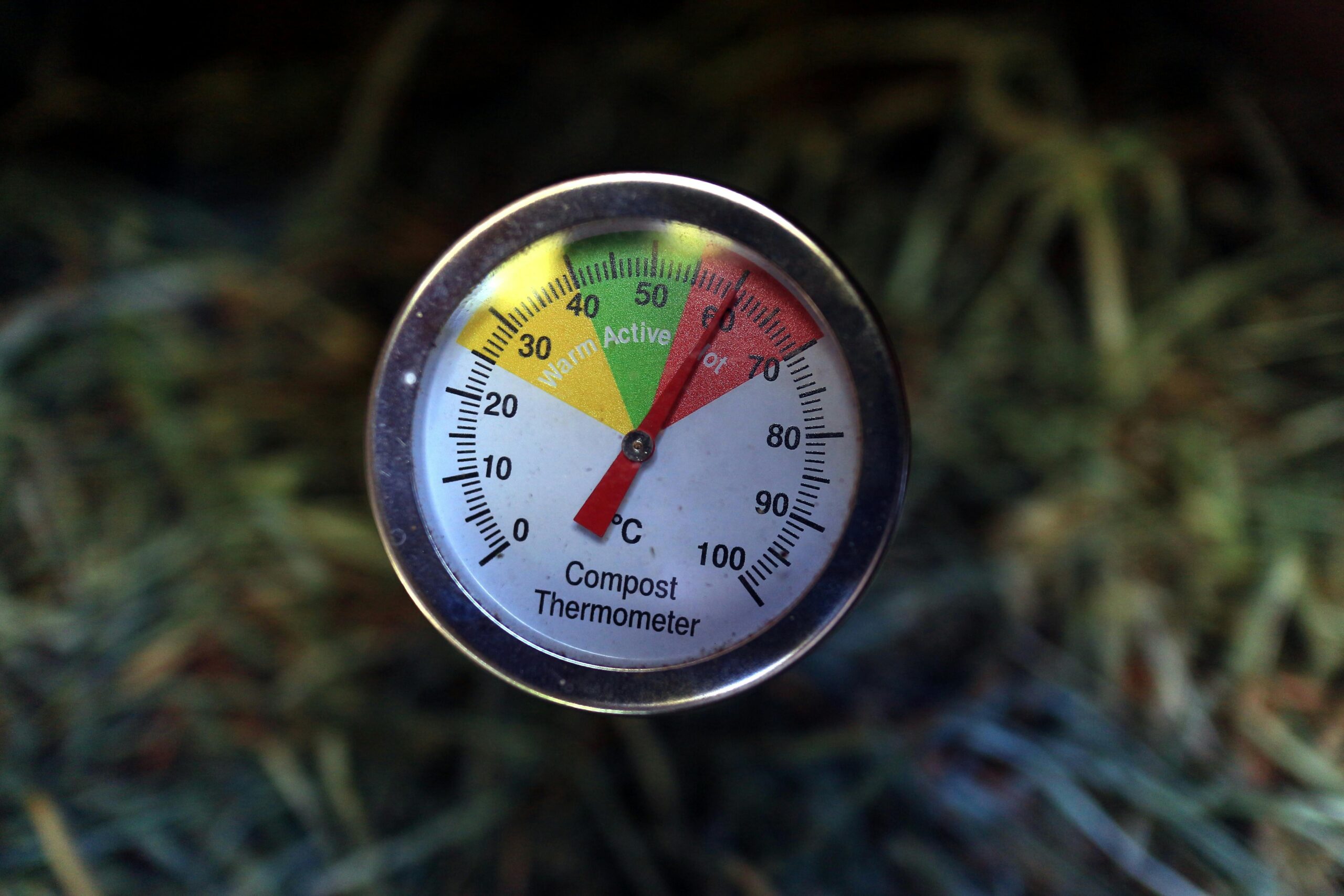
Within 2–4 months (sometimes sooner in warm weather), you’ll have finished compost that looks dark, crumbly, and earthy.
Common Composting Problems (And Easy Fixes)
Smells bad?
Too many greens. Add more browns and turn it.
Not breaking down?
Too dry or not enough nitrogen. Add water or greens.
Attracting pests?
Avoid food scraps on top. Bury them in the center of the pile.
Composting is forgiving. Adjust and keep going.
Can You Compost in the City?
Absolutely. Even if you live in town, you can use a small compost bin, try a tumbler, start vermicomposting (worm composting), or partner with a local compost drop-off.
You don’t need acreage, just intention.
When Is Compost Ready?
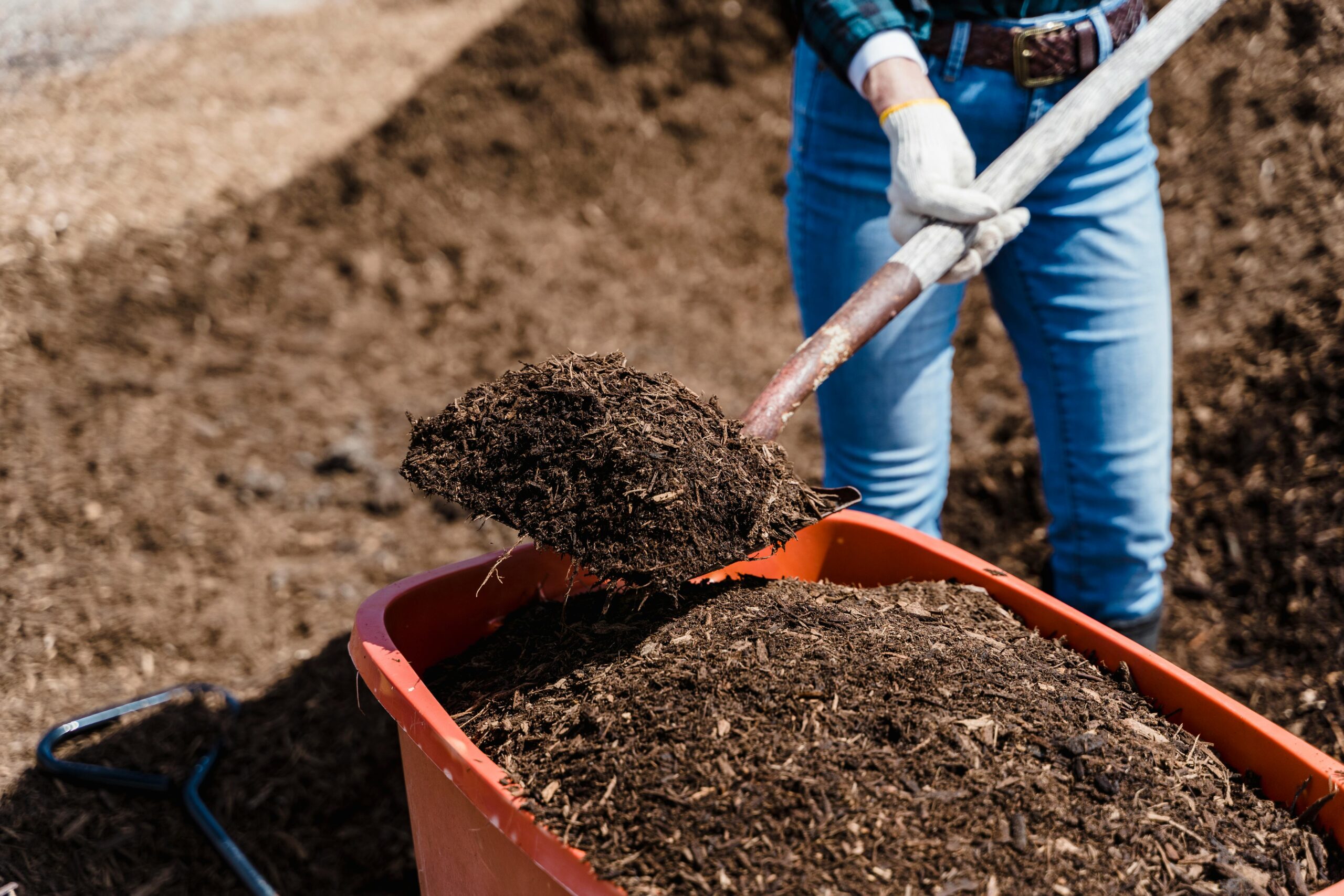
Finished compost: Is dark brown or black, smells earthy (like forest soil), has no visible food scraps, and crumbles easily in your hand. Use it to top dress garden beds, mix into potting soil, feed fruit trees, and boost raised beds before planting.
Want Help Building Simple Garden Systems?
If you’re working toward a more self-sufficient home whether that’s growing food, building soil, or creating rhythms that actually stick, I’d love to support you.
Inside my free Skool community, we talk through:
- Garden systems that reduce overwhelm
- Soil-building strategies
- Practical homestead rhythms
- Step-by-step seasonal guidance
If you don’t want to figure this out alone, come join us. We’re building gardens and lives that are rooted and intentional. Join the community and start building systems that last.

Hi, I’m Victoria!
I document our homesteading journey on YouTube: covering sourdough, fresh milled bread, gardening, and simple living. Click here to watch, learn, and be inspired to start your own homestead at home.


Comments
No Comments