
This post contains affiliate links. This means I earn a small commission at no cost to you. You can view my affiliate disclosure here.
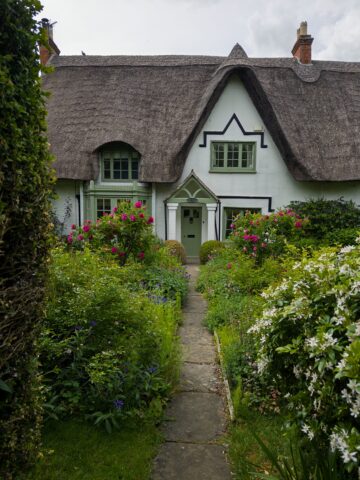
There’s something timeless about a cottage garden. Soft paths lined with flowers, bees humming lazily through the blooms, and a patchwork of color spilling gently over beds and fences. If you’ve ever dreamed of creating that romantic, old-fashioned garden charm, planting classic cottage garden flowers is the perfect place to begin.
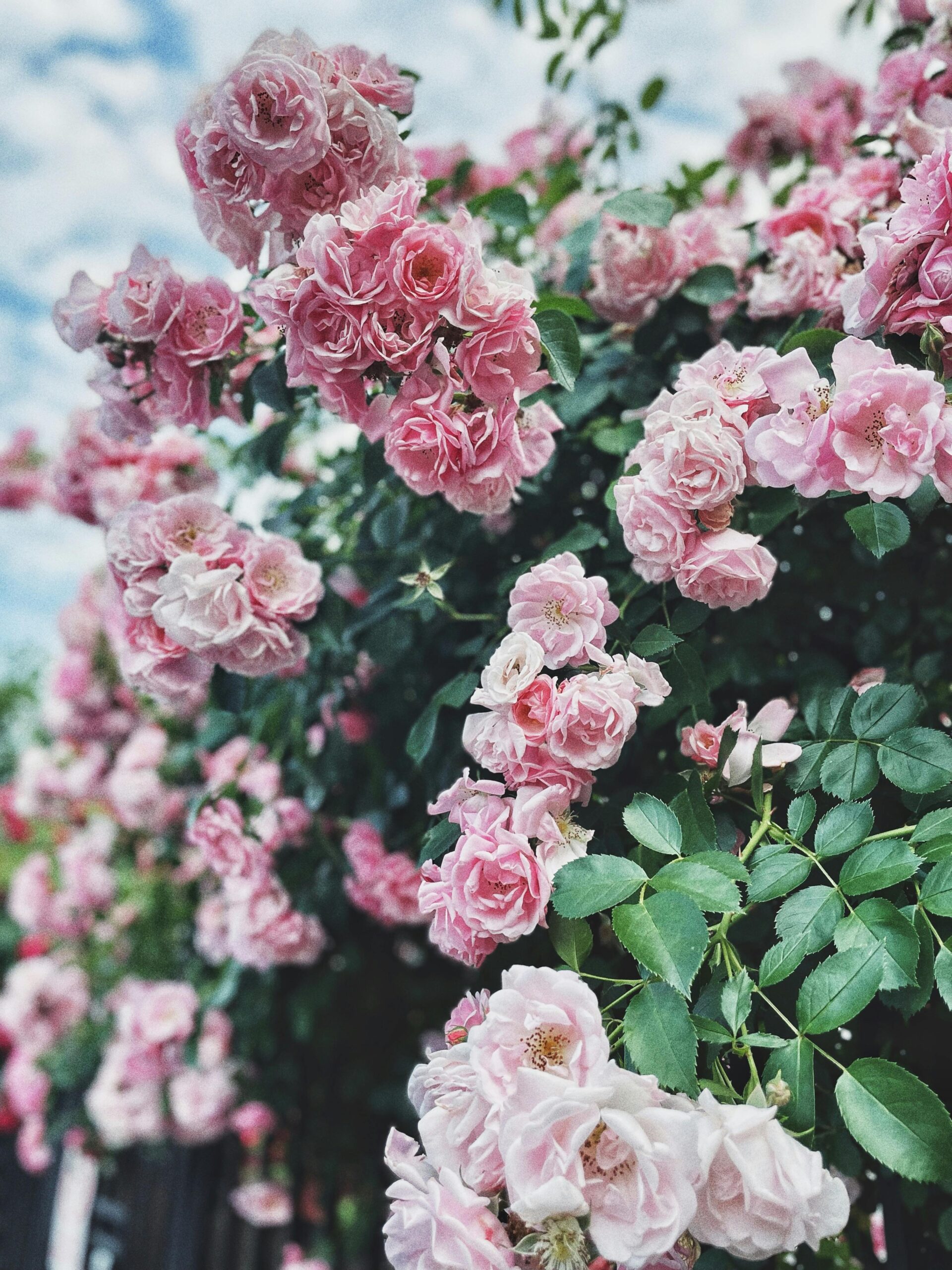
Cottage gardens are known for their abundant, slightly wild beauty: a blend of flowers, herbs, and vegetables growing together in a way that feels natural and welcoming. The secret is choosing plants that bloom generously, attract pollinators, and layer beautifully throughout the growing season.
If you're planning a cottage-style garden, these 20 classic cottage garden flowers will help you create that soft, overflowing look that feels straight out of an English countryside garden.
What Makes a Cottage Garden Flower?
Before choosing your plants, it helps to understand the spirit of cottage gardening.
Cottage garden flowers are typically:
- Easy to grow
- Long blooming
- Pollinator-friendly
- Self-seeding or perennial
- Soft and romantic in appearance
Rather than formal rows, these flowers are usually planted in loose clusters and layers, creating a garden that looks full, colorful, and slightly untamed.
My sourdough was flat and business was slow
When I first started homesteading, my sourdough was dense and flat, my garden struggled, and it seemed like I was scrambling to get people to notice my business, let alone, buy my products. And for a time, I burnt out.
After years of trial and error, analyzing hundreds of businesses from other sectors, and just pure grit...
I created a free Zero to Homestead Skool Community: a place where homesteaders of all levels share wins, troubleshoot challenges, and get guidance from experienced peers. By joining, you’ll access step-by-step guides to build traditional skills (sourdough, fresh milled flour, traditional foods, preserving, livestock, gardening, and more) plus full courses, workshops, and homestead business-building resources with a supportive network to help your homestead thrive.
20 Classic Cottage Garden Flowers
1. Hollyhocks
Tall and striking, hollyhocks are a cottage garden staple. Their towering flower spikes add height along fences and walls.
They attract pollinators and come in shades of pink, red, yellow, and cream.
2. Delphinium
Delphiniums bring vertical elegance to cottage gardens with their tall blue and purple flower spikes.
They pair beautifully with roses and foxglove.
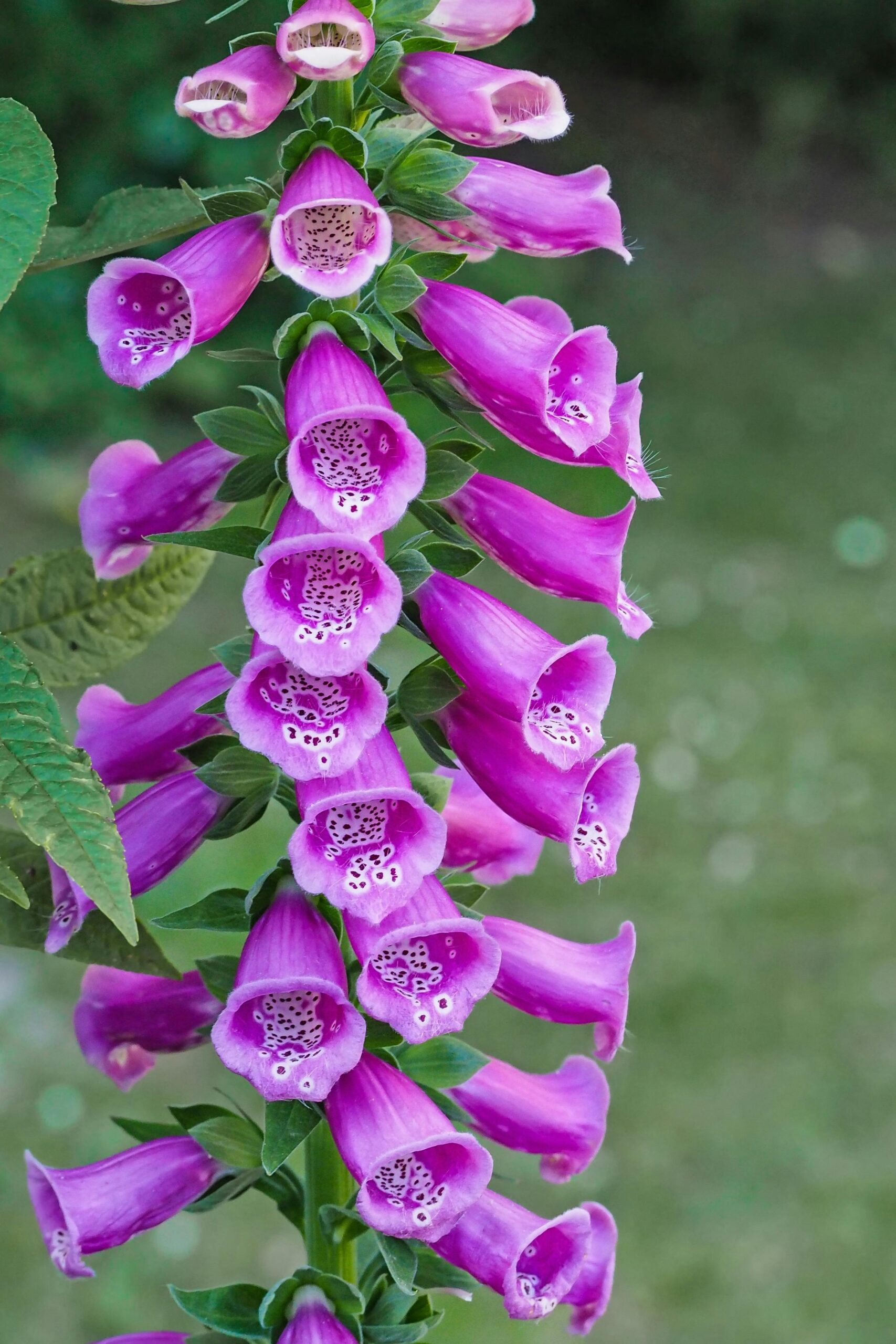
3. Foxglove
Foxglove creates a dreamy woodland feel with tall stems covered in bell-shaped flowers.
Bees absolutely love them.
4. Peonies
Peonies are beloved for their lush, fragrant blooms that appear in late spring.
Once established, they can thrive for decades.
5. Lavender
Lavender adds both beauty and fragrance to a cottage garden.
It attracts bees, butterflies, and beneficial insects while offering calming scent and herbal uses.
6. Shasta Daisies
Bright and cheerful, Shasta daisies bring a classic white bloom that pairs well with nearly every other flower.
They bloom reliably throughout the summer.
7. Sweet Peas
Sweet peas are climbing flowers known for their delicate fragrance and pastel blooms.
They grow beautifully along trellises or garden arches.
8. Coneflowers (Echinacea)
Coneflowers are hardy perennials that attract bees and butterflies.
They’re especially valued for their resilience and long blooming season.
9. Black-Eyed Susans
These sunny yellow flowers bring warmth and brightness to cottage gardens.
They’re extremely easy to grow and bloom generously.
10. Bee Balm
Bee balm produces vibrant red, pink, or purple flowers that attract hummingbirds and pollinators.
It also adds wonderful height and color to garden beds.
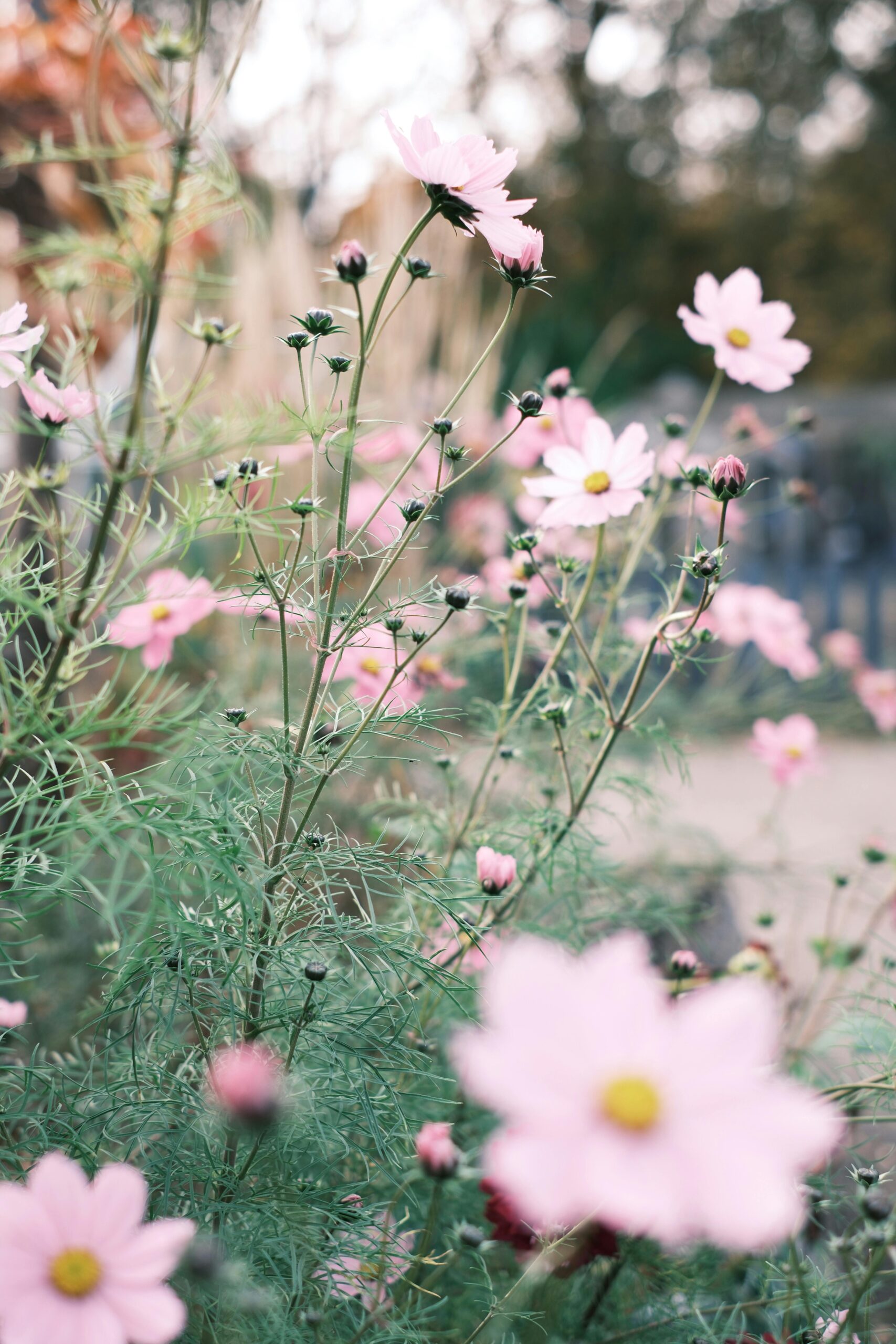
11. Cosmos
Cosmos create that airy, wildflower look cottage gardens are known for.
They’re incredibly easy to grow from seed.
12. Zinnias
Zinnias bloom in vibrant colors all summer long and are fantastic cut flowers.
They’re also excellent for attracting butterflies.
13. Nasturtiums
Nasturtiums are both beautiful and edible.
Their bright blooms and trailing growth spill gracefully over garden beds and containers.
14. Calendula
Calendula brings soft golden blooms that brighten the garden and offer herbal benefits as well.
They reseed easily and bloom for months.
15. Dianthus
Dianthus offers delicate pink, white, and red flowers with a lovely clove-like scent.
They’re perfect for garden borders.
16. Phlox
Phlox creates clouds of color in summer and attracts butterflies.
It’s especially beautiful when planted in large clusters.
17. Larkspur
Larkspur looks similar to delphinium and adds vertical interest to the garden.
It grows easily from seed and often reseeds itself.
18. Yarrow
Yarrow is a hardy perennial with flat-topped flower clusters.
It thrives in many climates and adds texture to flower beds.
19. Roses
No cottage garden feels complete without roses.
Climbing roses along a fence or archway instantly create that classic romantic look.
20. Sunflowers
Sunflowers add warmth, height, and cheerful color.
They also attract pollinators and birds to the garden.
How to Design a Cottage Flower Garden
Once you’ve chosen your flowers, arranging them in a natural way is the key to creating the cottage garden look.
A few helpful tips include:
Plant in layers
Place taller flowers like hollyhocks, delphiniums, and sunflowers toward the back of beds.
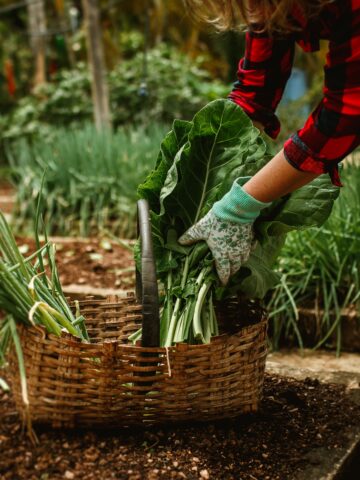
Mix flowers with herbs and vegetables
Traditional cottage gardens often include plants like lavender, calendula, and nasturtiums alongside vegetables.
Allow plants to self-seed
Many cottage flowers reseed naturally, helping the garden grow fuller each year.
Create soft pathways
Stone paths, gravel walkways, or simple garden stepping stones add charm and function.
Flowers That Support Your Vegetable Garden
One of the beautiful things about cottage gardens is how flowers and vegetables grow together.
Many cottage flowers help your garden by attracting pollinators, repelling pests, and encouraging beneficial insects.
For example:
- Nasturtiums help deter aphids
- Calendula attracts pollinators
- Bee balm supports bees and butterflies
Planting flowers among your vegetables helps create a healthier and more balanced garden ecosystem.
Bringing the Cottage Garden Dream to Life
Cottage gardens aren’t about perfection; they’re about abundance, color, and the simple joy of growing.
A few well-chosen flowers can transform an ordinary garden into a place that feels welcoming, peaceful, and full of life.
Over time, the flowers will spread, bees will find their way to your garden, and your little patch of earth will begin to feel like something out of a storybook.
Ready to Create Your Own Cottage-Style Garden?
If you love the idea of blending flowers, vegetables, and herbs into one beautiful and productive space, I’d love to help you take the next step.
In my book The Cottage-Style Vegetable Garden, I walk through how to design a garden that combines classic cottage charm with practical food production.
Inside, you’ll learn how to:
- Design a romantic cottage-style garden layout
- Combine vegetables and flowers naturally
- Create beautiful garden paths and borders
- Grow a productive and pollinator-friendly space
If you’re ready to turn your garden into a peaceful, thriving cottage garden, The Cottage-Style Vegetable Garden will guide you every step of the way.

Hi, I’m Victoria!
I document our homesteading journey on YouTube: covering sourdough, fresh milled bread, gardening, and simple living. Click here to watch, learn, and be inspired to start your own homestead at home.
Comments
No Comments