

This post contains affiliate links. This means I earn a small commission at no cost to you. You can view my affiliate disclosure here.
Few things can dampen a gardener's excitement quite like spotting powdery mildew creeping across healthy leaves. One day your zucchini, cucumbers, pumpkins, or squash look vibrant and thriving, and the next they seem dusted with a mysterious white powder.

The good news is that powdery mildew is one of the most common garden diseases and one of the easiest to manage naturally.
With a few simple organic methods and a little garden wisdom, you can slow its spread, protect your harvest, and help your plants stay productive through the growing season.
If you're looking for effective ways to treat powdery mildew organically, this guide will walk you through everything you need to know.
What Is Powdery Mildew?
Powdery mildew is a fungal disease that appears as a white or gray powdery coating on plant leaves, stems, and sometimes fruit.
It commonly affects:
- Zucchini
- Squash
- Pumpkins
- Cucumbers
- Melons
- Tomatoes
- Beans
- Roses
- Phlox
- Zinnias
- Bee balm
Unlike many fungal diseases, powdery mildew doesn't require wet leaves to spread. It often thrives during warm days, cool nights, and periods of high humidity.
What Causes Powdery Mildew?
Several factors can encourage powdery mildew to develop:
- Poor air circulation
- Overcrowded plants
- High humidity
- Plant stress
- Warm temperatures
- Lack of sunlight
The spores spread easily through the air and can quickly move throughout the garden if left untreated.
Signs of Powdery Mildew
Early detection makes treatment much easier.
Watch for:
- White powdery spots on leaves
- Yellowing foliage
- Distorted new growth
- Premature leaf drop
- Reduced plant vigor
The disease often begins on older leaves before spreading throughout the plant.
Can Plants Recover from Powdery Mildew?
In many cases, yes.
While heavily infected leaves may not recover fully, healthy new growth can often be protected if action is taken quickly.
The goal is to slow the spread, improve plant health, and preserve as much productive foliage as possible.
How to Treat Powdery Mildew Organically
1. Remove Affected Leaves
Begin by carefully removing heavily infected leaves. This helps reduce spore levels, improve airflow, and slow disease spread.
Dispose of infected plant material away from the garden rather than composting it.
2. Improve Air Circulation
Good airflow is one of the best defenses against powdery mildew. Consider pruning overcrowded growth, removing excess foliage, proper plant spacing, and trellising vining crops.
A little extra breathing room can make a big difference.
3. Use a Baking Soda Spray
One of the most popular organic treatments is a simple baking soda solution.
Mix:
- 1 tablespoon baking soda
- 1 gallon water
- 1 teaspoon mild liquid soap
Spray affected plants thoroughly, coating both the tops and undersides of leaves.
Reapply every 7–10 days as needed.
4. Try a Milk Spray
Many organic gardeners swear by milk as a natural treatment.
Mix:
- 1 part milk
- 2 parts water
Spray leaves weekly during active outbreaks.
Researchers believe compounds in milk may help suppress fungal growth when exposed to sunlight.
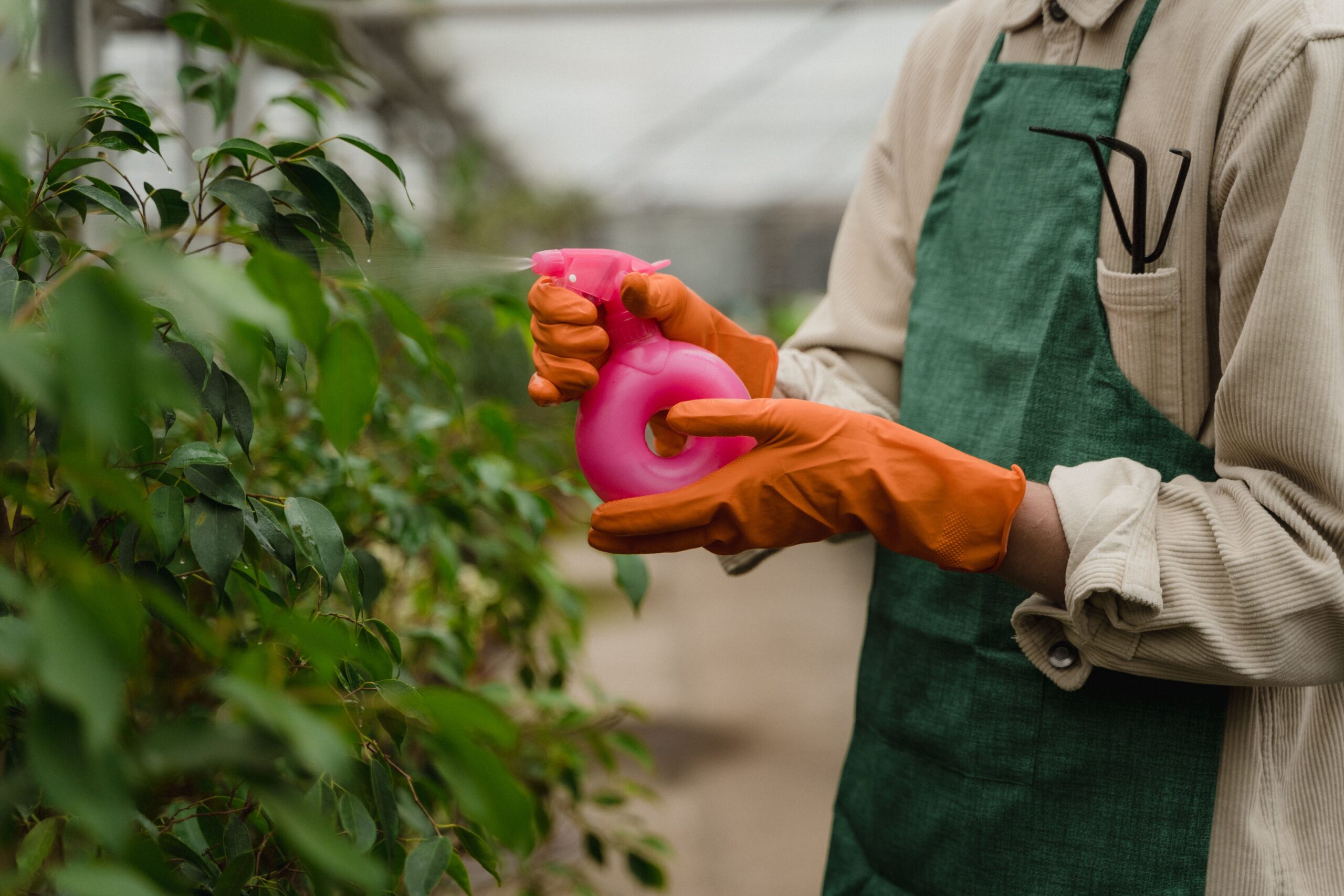
5. Apply Neem Oil
Neem oil is a popular organic garden remedy that can help manage powdery mildew.
Follow label directions carefully and apply during cooler parts of the day to avoid leaf burn.
Neem works best as both a preventative and an early treatment.
6. Use Potassium Bicarbonate
Potassium bicarbonate is another organic option that can help stop powdery mildew on contact.
Unlike baking soda, it can kill fungal spores directly and is often used by organic growers for more severe outbreaks.
How to Prevent Powdery Mildew Naturally
Prevention is often easier than treatment.
Plant Resistant Varieties
Many seed companies now offer powdery mildew-resistant varieties of zucchini, cucumbers, pumpkins, and melons.
Choosing resistant varieties can dramatically reduce problems.
Water at the Base
Avoid overhead watering whenever possible.
Drip irrigation and soaker hoses help keep foliage dry while providing consistent moisture.
Avoid Excess Nitrogen
Too much nitrogen encourages lush, tender growth that is more susceptible to disease.
Feed plants moderately and focus on healthy soil.
Provide Full Sun
Powdery mildew tends to thrive in shady conditions.
Most vegetable crops benefit from at least 6–8 hours of sunlight daily.
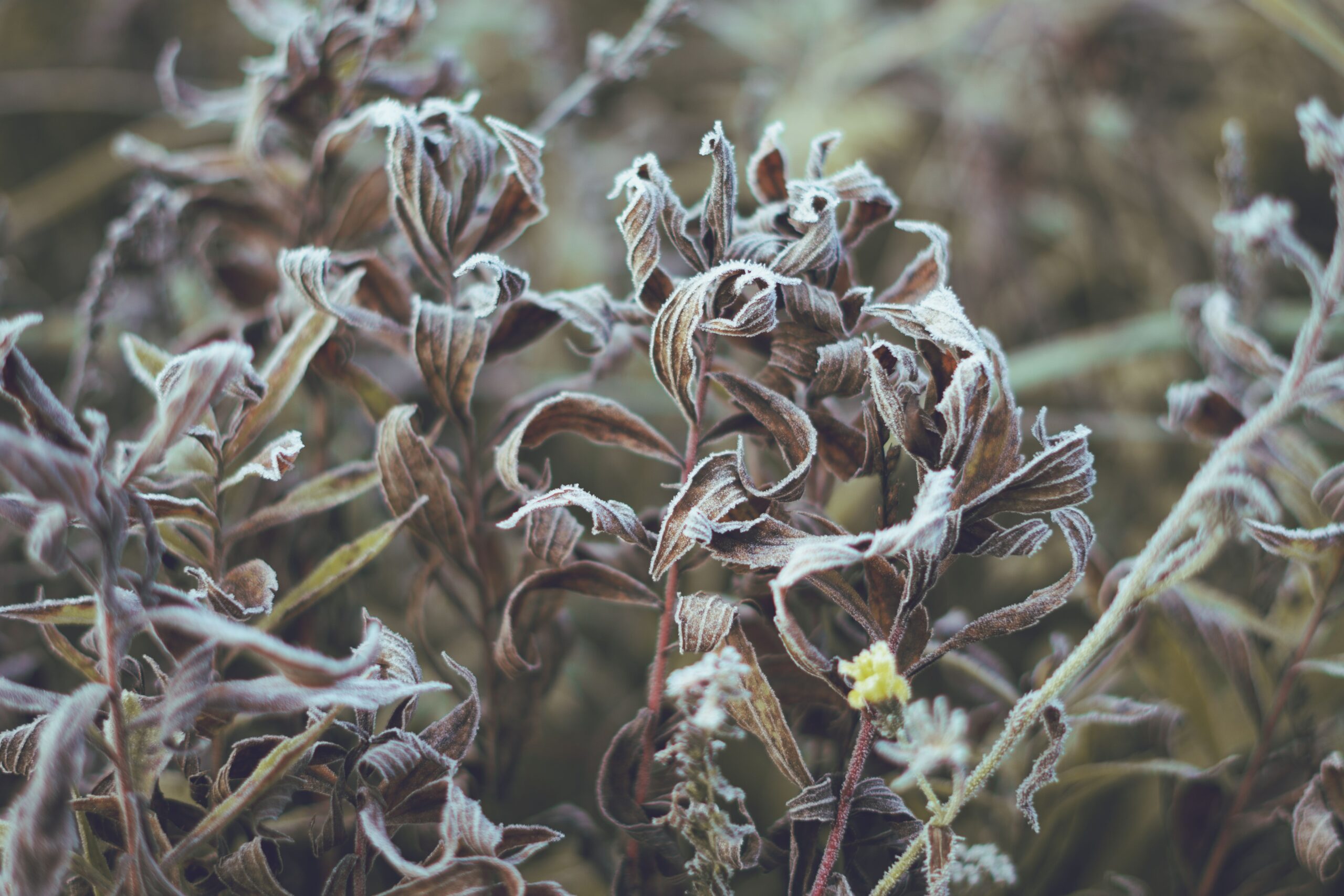
Clean Up Garden Debris
At the end of the season remove infected plant material, clean trellises, and dispose of diseased foliage.
Good garden sanitation helps reduce overwintering spores.
Which Plants Are Most Susceptible?
Some crops seem especially prone to powdery mildew.
Common victims include zucchini, yellow squash, pumpkins, cucumbers, and melons.
For many gardeners, powdery mildew on squash plants becomes an annual challenge, especially during humid summers.
Is Powdery Mildew Dangerous to Humans?
Powdery mildew is generally not harmful to humans.
Vegetables from affected plants are usually safe to eat, although severely infected foliage may reduce yields and plant health.
Always wash produce thoroughly before consuming.
A Natural Approach to Garden Health
Every gardener encounters challenges, and powdery mildew is one of the most common. Fortunately, it doesn't have to mean the end of your harvest.
With good airflow, healthy soil, and a few simple organic treatments, you can often keep powdery mildew under control and continue harvesting from your garden well into the season.
Like many aspects of homesteading, success comes from observation, patience, and working with nature rather than against it. A healthy garden isn't necessarily a perfect garden; it's one that continues to grow, adapt, and produce despite occasional setbacks.
FAQ About Treating Powdery Mildew Organically
What is the best organic treatment for powdery mildew?
Many gardeners find baking soda sprays, milk sprays, and neem oil to be effective organic treatments when applied early.
Can powdery mildew be cured completely?
Heavily infected leaves may not recover, but the spread can often be slowed or stopped, allowing healthy new growth to continue.
Does milk really work on powdery mildew?
Yes. Studies have shown that diluted milk sprays can help suppress powdery mildew under certain conditions.
Should I remove leaves with powdery mildew?
Removing heavily infected leaves can help reduce spores and improve airflow around plants.
Can I eat vegetables from plants with powdery mildew?
Yes. Fruits and vegetables from affected plants are generally safe to eat after washing thoroughly.

Hi, I’m Victoria!
I document our homesteading journey on YouTube: covering sourdough, fresh milled bread, gardening, and simple living. Click here to watch, learn, and be inspired to start your own homestead at home.


Comments
No Comments