

Bringing home your first flock is more than adding chickens to the yard; it’s the beginning of fresh eggs at sunrise, steady rhythms, and a deeper step into homestead living. Choosing the right chicken breeds for your homestead isn’t just about eggs or meat. It’s about building a flock that fits your climate, your goals, and your way of life.

Whether you're raising backyard chickens for fresh eggs, sustainable meat production, or both, this guide will help you choose the best chicken breeds for your homestead in a practical, from-scratch way. If you're looking for more of a general introduction to backyard chickens, check out this post.
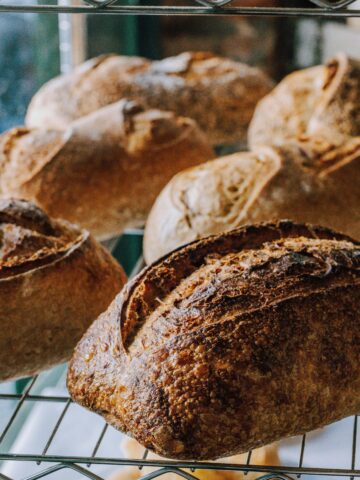
My sourdough was flat and business was slow
When I first started homesteading, my sourdough was dense and flat, my garden struggled, and it seemed like I was scrambling to get people to notice my business, let alone, buy my products. And for a time, I burnt out.
After years of trial and error, analyzing hundreds of businesses from other sectors, and just pure grit...
I created a free Zero to Homestead Skool Community: a place where homesteaders of all levels share wins, troubleshoot challenges, and get guidance from experienced peers. By joining, you’ll access step-by-step guides to build traditional skills (sourdough, fresh milled flour, traditional foods, preserving, livestock, gardening, and more) plus full courses, workshops, and homestead business-building resources with a supportive network to help your homestead thrive.
Why Choosing the Right Chicken Breed Matters
Not all chickens are created equal. Some lay generously year-round, others thrive in cold winters, and some are better suited for meat production. The right breed can mean:
- Consistent egg production
- Hardy birds that handle your climate
- Better feed efficiency
- Calmer temperaments for families
- Dual-purpose value for eggs and meat
Let’s walk through the most reliable options for a rustic, productive homestead flock.
Best Egg-Laying Chicken Breeds
If your main goal is a steady basket of eggs, these dependable layers are hard to beat:
Rhode Island Red
A classic homestead favorite. Hardy, adaptable, and consistent layers of brown eggs (250–300 per year). Excellent for beginners.
Leghorn
Efficient and prolific white egg layers. They’re active and great for free-ranging but can be a bit more independent.
Australorp
Calm, friendly, and heavy brown egg producers. Known for setting impressive laying records.
Best Dual-Purpose Chicken Breeds (Eggs & Meat)
For homesteaders wanting both eggs and table birds, dual-purpose breeds offer excellent balance.
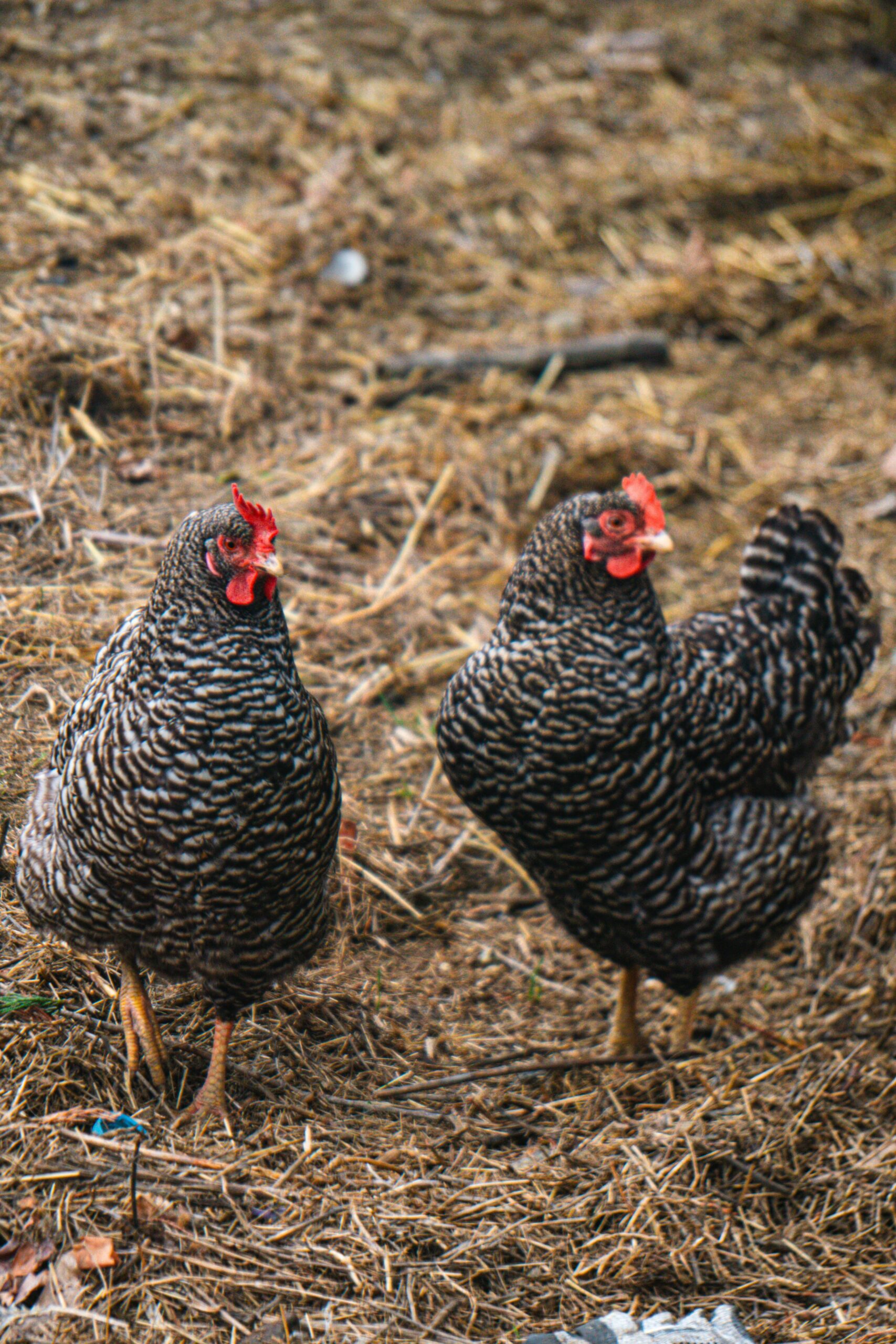
Plymouth Rock
Dependable layers with solid meat yield. Gentle temperament and beautiful barred feathers.
Orpington
Orpingtons are my personal favorite and go-to breed for beginners. They're large, fluffy birds that are docile and cold-hardy. Great for families and steady egg production.
Sussex
Curious and friendly, Sussex chickens adapt well and provide both eggs and quality meat.
Best Meat Chicken Breeds
If your primary goal is raising meat chickens efficiently:
Cornish Cross
Fast-growing and feed-efficient. Ready for processing in 8–10 weeks.
Freedom Ranger
Slower-growing than Cornish Cross but hardier and better suited for pasture systems.
Best Cold-Hardy Chicken Breeds
If you live in a northern climate, these breeds handle winter well:
- Wyandotte
- Orpington
- Rhode Island Red
Look for smaller combs (less frostbite risk) and dense feathering.
Best Heat-Tolerant Chicken Breeds
For warmer regions, consider:
- Leghorn
- Ancona
- Easter Egger
Lighter body types and larger combs help dissipate heat.
How Many Chickens Should You Start With?
For beginners, 4–6 hens is a comfortable starting point. This usually provides:
- 16–24 eggs per week (depending on breed and season)
- Manageable feed costs
- Simple coop setup
As your confidence grows, you can expand your flock intentionally.
Heritage vs. Hybrid Breeds
Heritage breeds are slower growing, more sustainable long-term, and capable of natural reproduction. Hybrid breeds are often optimized for high egg production or rapid growth but may not breed true.
Many homesteaders prefer heritage breeds for resilience and sustainability.

Choosing Chicken Breeds by Egg Color
One of the simple joys of raising backyard chickens is gathering a basket filled with different shades: creamy browns, bright whites, soft blues, and even olive greens. If a colorful egg basket is part of your homestead dream, choosing breeds by egg color is a practical (and beautiful) place to start.
Here’s a guide to popular chicken breeds organized by the color eggs they lay.
White Egg Layers
White eggs are classic, clean, and often associated with high-production hens.
- Leghorn – Prolific layers, efficient and active
- Ancona – Hardy Mediterranean breed, dependable production
Best for: High egg output and feed efficiency.
Brown Egg Layers
Brown eggs are the homestead staple: warm, rich, and dependable.
- Rhode Island Red – Reliable and hardy
- Australorp – Calm temperament, heavy production
- Plymouth Rock – Great dual-purpose option
- Orpington – Cold-hardy and family-friendly
Best for: Consistency, hardiness, and traditional homestead flocks.
Blue Egg Layers
Blue eggs add a soft, unexpected beauty to your basket.
- Ameraucana – True blue egg layer
- Easter Egger – Often lays blue or green eggs
Best for: Adding variety and charm.
Green & Olive Egg Layers
Olive eggs come from crosses between blue and dark brown egg layers.
- Olive Egger – Deep green to olive-colored eggs
- Easter Egger – Can also produce green shades
Best for: Creating a colorful “rainbow egg basket.”
Speckled & Tinted Egg Layers
Some breeds produce lightly tinted or speckled eggs that feel especially rustic.
- Welsummer – Dark brown eggs with speckles
- Marans – Deep chocolate brown eggs
Best for: Rich, dark tones and farmhouse-style egg cartons.
Final Thoughts: Build the Flock That Fits Your Life
The best chicken breeds for your homestead depend on your goals, climate, and lifestyle. Start simple. Choose hardy birds. Focus on sustainability over perfection.
Chickens teach patience, consistency, and stewardship. These are lessons that run deeper than a full egg basket.
Join My Skool Community
If you’re building a homestead, whether it’s sourdough in the kitchen or chickens in the yard, I’d love to invite you into my Skool community. Inside, we talk practical skills, from-scratch cooking, raising animals, and building a simpler, more self-sufficient life step by step.
Come join a group of like-minded homesteaders who are learning, growing, and building together. Your flock and your confidence will thank you.

Hi, I’m Victoria!
I document our homesteading journey on YouTube: covering sourdough, fresh milled bread, gardening, and simple living. Click here to watch, learn, and be inspired to start your own homestead at home.

Comments
No Comments