

If you’re looking for a simple, time-tested way to boost your flock’s health and stretch your feed budget, learning how to make fermented chicken feed is one of the best homesteading skills you can add to your routine. This old-fashioned method transforms ordinary grain into a nutrient-rich, probiotic feed your chickens will absolutely love.
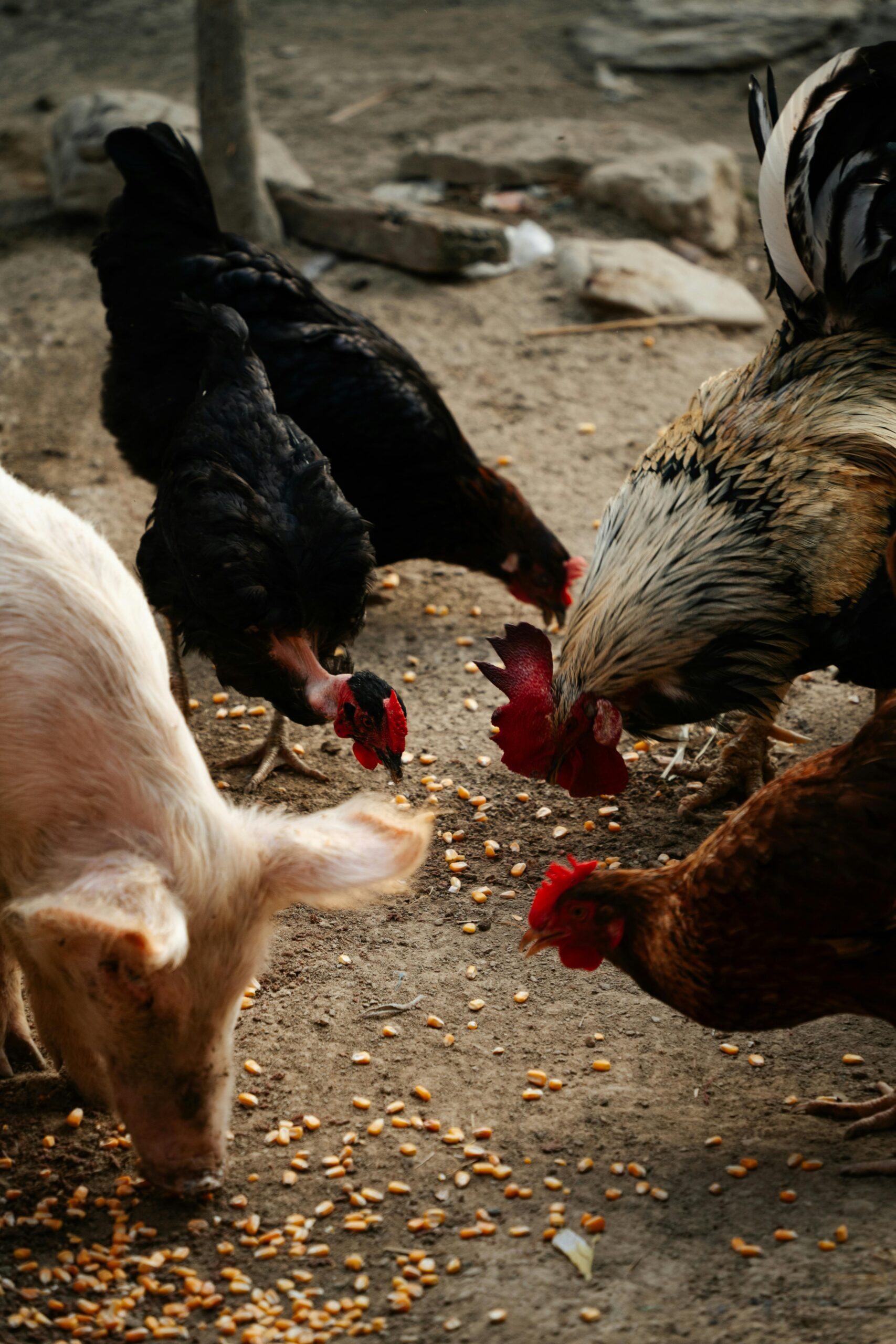
It’s easy, affordable, and fits beautifully into a from-scratch, sustainable lifestyle.
What Is Fermented Chicken Feed?
Fermented chicken feed is simply regular feed that has been soaked in water and allowed to naturally ferment over a few days. During this process:
- Beneficial bacteria (like lactobacillus) grow
- Nutrients become more bioavailable
- Anti-nutrients in grains are reduced
The result? A softer, tangy-smelling feed that’s easier for chickens to digest and more nourishing overall.
Benefits of Fermenting Chicken Feed
- Improved digestion: Probiotics support gut health
- Better nutrient absorption: Chickens get more from the same feed
- Less waste: Birds tend to eat every last bit
- Cost savings: Feed stretches further
- Healthier flock: Many homesteaders report shinier feathers and better egg production
What You’ll Need
- 1–2 cups dry chicken feed (layer feed, whole grains, or mix)
- Non-chlorinated water (filtered or left out overnight)
- A glass jar, food-grade bucket, or crock
- A loose lid or cloth cover
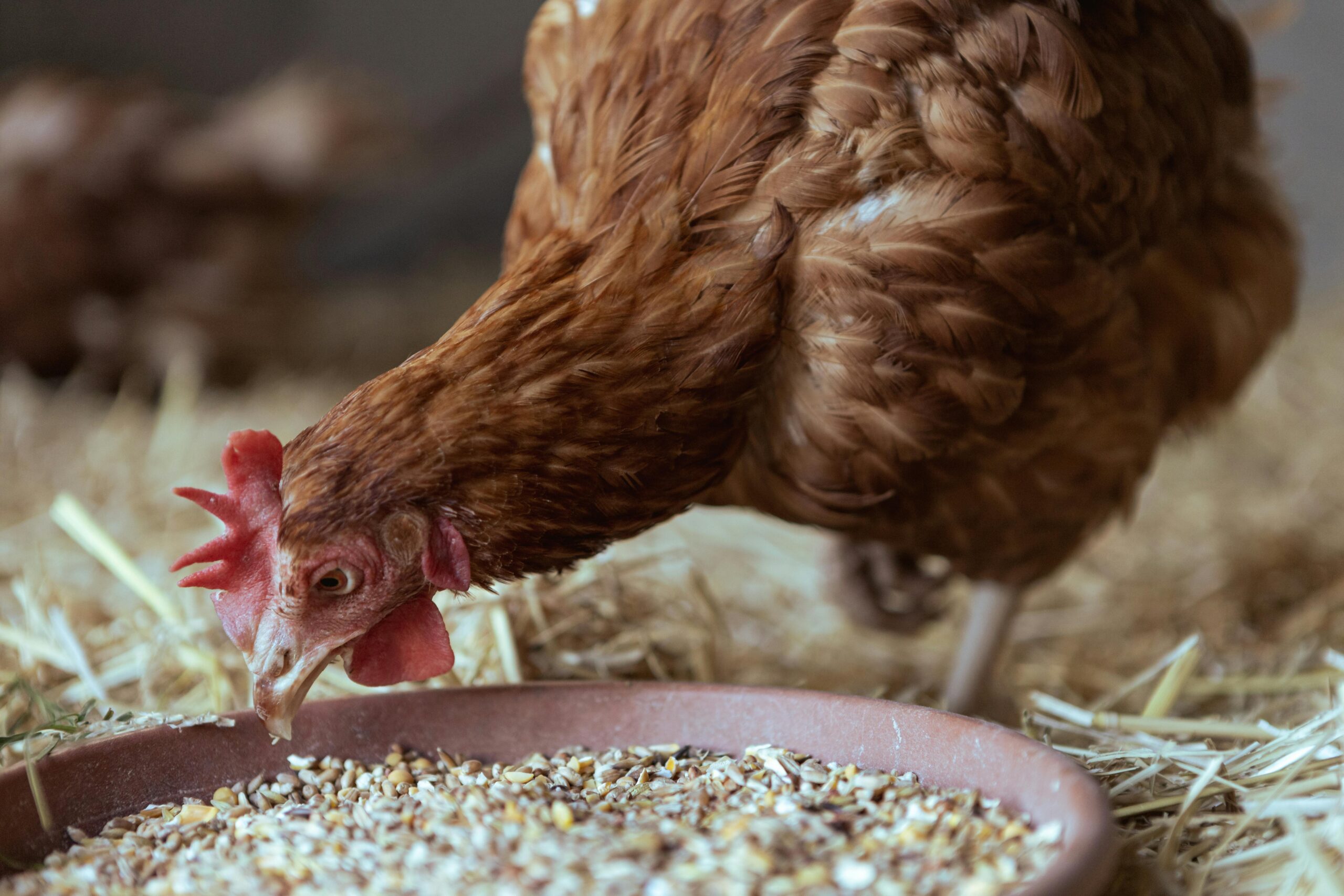
How to Make Fermented Chicken Feed
1. Add Feed to Your Container
Pour your dry chicken feed into a clean jar or bucket. Start small until you get the hang of it.
2. Cover with Water
Add enough water to fully submerge the feed, plus an extra inch or two. The grains will expand as they soak.
3. Cover Loosely
Place a loose lid or cloth over the container. This keeps debris out while allowing airflow.
4. Let It Ferment
Set the container in a warm spot (out of direct sunlight) and let it sit for 2–3 days.
- Stir once or twice daily
- Add more water if needed to keep feed submerged
You’ll notice bubbles forming and a slightly sour smell: this means fermentation is happening.
5. Feed Your Chickens
Once fermented, scoop out what you need and feed it to your chickens.
- Only give what they can eat in about 20–30 minutes
- Discard leftovers to prevent spoilage
Continuous Ferment Method (Low-Maintenance Option)
Once you get started, you don’t have to begin from scratch each time:
- Scoop out fermented feed daily
- Leave a little behind (this acts as a starter)
- Add more dry feed and water
This creates an ongoing fermentation system: perfect for busy homesteaders.
Tips for Success
- Avoid mold: If you see fuzzy growth or a rotten smell, toss it and start over
- Use the right smell test: It should smell sour, not putrid
- Keep it submerged: Exposure to air can cause spoilage
- Start small: Especially if your chickens are new to fermented feed
Common Questions About Fermented Chicken Feed
Can I use any type of feed?
Yes! Pellets, crumbles, or whole grains all work well.
Is fermented feed safe year-round?
Yes, but in hot weather, fermentation happens faster so check it more often.
Will my chickens like it?
Most chickens love it right away, but a few may need time to adjust.
Final Thoughts
Making your own chicken feed carries with it a certain pride in feeding your flock something you’ve prepared yourself: something wholesome, living, and rooted in tradition. Making fermented chicken feed is one of those small homestead rhythms that pays off in healthier birds, lower costs, and a deeper connection to your animals.
Once you start, you may never go back to dry feed again.

Hi, I’m Victoria!
I document our homesteading journey on YouTube: covering sourdough, fresh milled bread, gardening, and simple living. Click here to watch, learn, and be inspired to start your own homestead at home.




Comments
No Comments