

If you’re wondering how many chickens a beginner should start with, the answer isn’t about filling a coop. It’s about building a small, steady flock that fits your home and your rhythm.
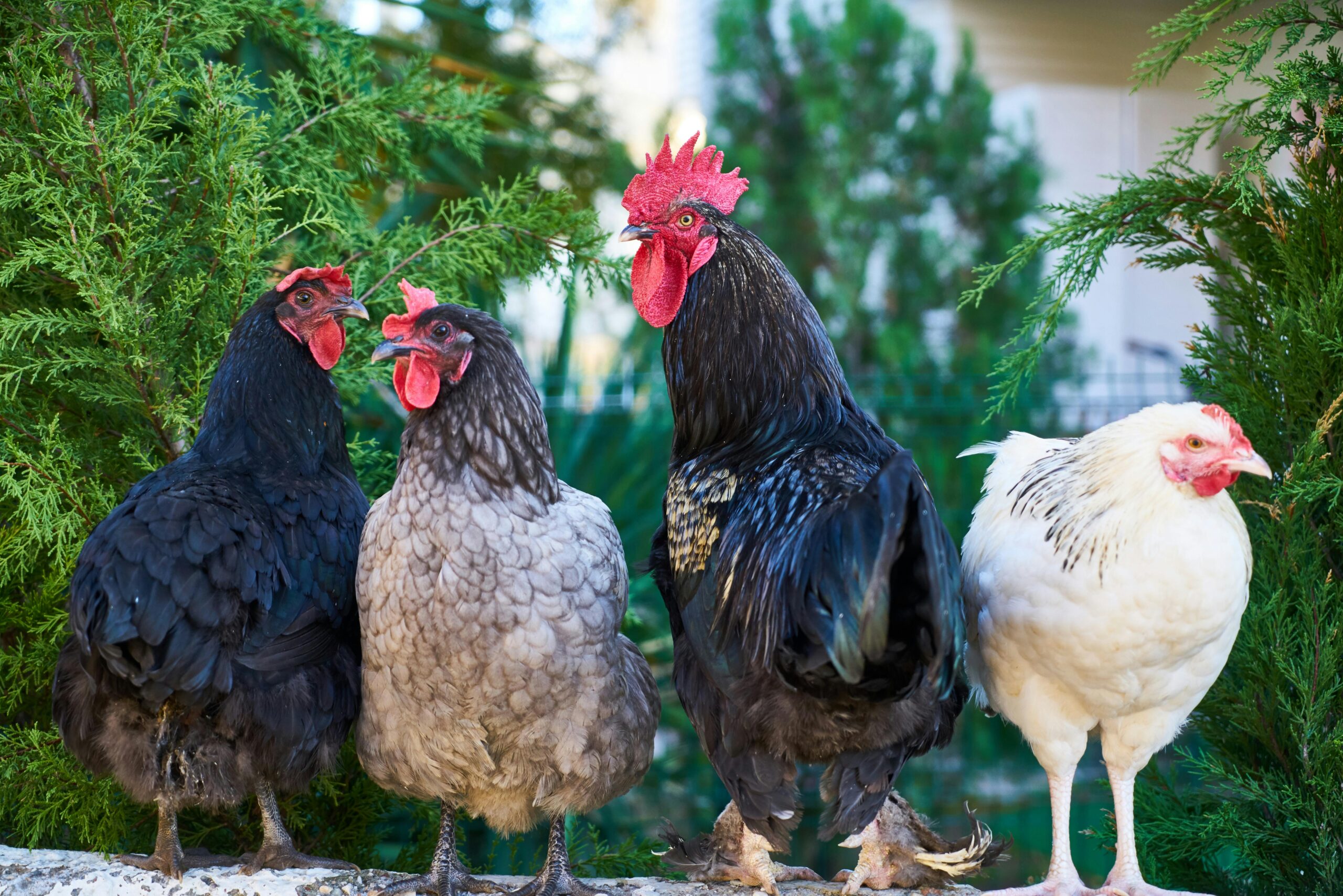
If you’re dreaming of fresh eggs and backyard hens but aren’t sure how many birds to bring home, this guide will help you decide with clarity and confidence. Starting with the right number of chickens makes all the difference between feeling overwhelmed… and building a peaceful, sustainable routine.
Let’s walk through it together.
My sourdough was flat and business was slow
When I first started homesteading, my sourdough was dense and flat, my garden struggled, and it seemed like I was scrambling to get people to notice my business, let alone, buy my products. And for a time, I burnt out.
After years of trial and error, analyzing hundreds of businesses from other sectors, and just pure grit...
I created a free Zero to Homestead Skool Community: a place where homesteaders of all levels share wins, troubleshoot challenges, and get guidance from experienced peers. By joining, you’ll access step-by-step guides to build traditional skills (sourdough, fresh milled flour, traditional foods, preserving, livestock, gardening, and more) plus full courses, workshops, and homestead business-building resources with a supportive network to help your homestead thrive.
The Short Answer: Start With 4 to 6 Chickens
For most beginners, 4 to 6 hens is the sweet spot.
Why?
Because chickens are flock animals. They need companionship to feel safe and behave normally. Starting with fewer than three hens can create stress within the flock.
At the same time, jumping straight to a dozen birds can feel like too much work for someone just learning daily care routines.
Four to six chickens gives you enough eggs for a small family, a manageable daily workload, healthy flock dynamics, and room to learn without overwhelm. It’s a practical, steady beginning.
Why You Shouldn’t Start With Just Two Chickens
While it might seem simple to start small, two hens can create challenges:
- If one becomes ill or passes away, the remaining hen is alone (which is stressful for chickens).
- Pecking order tension is more noticeable in very small flocks.
- Egg production may not meet your expectations.
Chickens thrive in groups and a slightly larger flock often creates more balance.
How Many Eggs Do You Actually Need?
Most standard laying hens produce 4–6 eggs per week, depending on breed, age, and season.
Here’s a simple estimate:
- 4 hens = 16–24 eggs per week
- 6 hens = 24–36 eggs per week
If your household eats a dozen eggs per week, 4 hens is typically plenty. If you bake often or share with neighbors, 6 may be ideal.
Keep in mind that production slows during winter unless you supplement light (which many homesteaders choose not to do).

Consider Your Space First
Before choosing flock size, ask:
- How much coop space do I have?
- How large is my run?
- Are free-range options available?
General guidelines:
- 4 square feet per chicken inside the coop
- 8–10 square feet per chicken in the run
Overcrowding leads to stress, feather picking, and health problems. A smaller, well-managed flock is always better than too many birds in tight quarters.
The Real Workload of Backyard Chickens
Many beginners underestimate daily care.
Chickens require:
- Fresh water daily
- Feed refills
- Egg collection
- Regular coop cleaning
- Predator checks
- Occasional health monitoring
Four to six chickens keeps chores reasonable: usually 10–20 minutes per day plus weekly cleaning. Start with a number that fits your current season of life.
What About Starting With Chicks?
If you’re raising day-old chicks, remember:
Not all chicks survive to adulthood. Some beginners choose to start with 6–8 chicks, expecting to end up with 4–6 laying hens.
However, chicks require:
- Brooder setup
- Heat lamp or brooder plate
- Careful monitoring
- Gradual transition outdoors
If you want a simpler start, purchasing started pullets (young hens close to laying age) reduces early-stage stress.
Local Regulations Matter
Before bringing home chickens, check:
- Local zoning laws
- HOA restrictions
- Rooster allowances (many areas prohibit roosters)
- Maximum flock size limits
It’s better to plan ahead than to rehome birds later.
The Emotional Side of Flock Size
Chickens are surprisingly personable. Each hen has her own temperament: some bold, some shy, some bossy, some gentle.
Starting with 4–6 gives you space to observe, learn personalities, and understand flock behavior without feeling stretched thin.
You’ll quickly discover: who rules the roost, who lays the biggest eggs, and who follows you around the yard.
When to Expand Your Flock
After one full year, many beginners feel ready to grow.
You’ll understand:
- Seasonal egg production
- Feed costs
- Coop maintenance
- Predator pressures
- Your true egg needs
If everything feels manageable, you can gradually add 2–3 hens at a time while carefully integrating them into the existing flock.
Expansion is best done slowly.
The Truth About Starting Chickens
You don’t need a massive flock to begin, you don’t need a picture-perfect coop, and you don’t need acres of land.
You need a secure setup, a realistic plan, a manageable number of birds, and a willingness to learn.
Four to six hens can transform your backyard into something steady and productive. Think of fresh eggs in the morning, scratch in the garden beds, and a small rhythm of responsibility that roots you deeper into home.

Final Recommendation
If you’re just starting out:
Begin with 4–6 hens.
It’s enough to experience abundance without feeling overwhelmed. Chickens are one of the most beginner-friendly homestead additions when started wisely. And wisdom always begins with moderation.
Join My Skool Community
If you’re building your first flock, planning a coop, learning about egg production, or exploring other homestead skills like gardening, sourdough, and food preservation, I’d love to invite you into my Skool community.
Inside, we share:
- Beginner-friendly flock guidance
- Coop setup tips
- Breed selection advice
- Seasonal homestead planning
- Practical systems that actually work
It’s a space for steady growth not comparison. If you’re ready to start your homestead journey with confidence and clarity, come join us. Let’s build something lasting, one hen at a time.

Hi, I’m Victoria!
I document our homesteading journey on YouTube: covering sourdough, fresh milled bread, gardening, and simple living. Click here to watch, learn, and be inspired to start your own homestead at home.



Comments
No Comments