

This post contains affiliate links. This means I earn a small commission at no cost to you. You can view my affiliate disclosure here.
The flavor and aroma of sourdough can be unbeatable. The tangy aroma, the golden crust, the soft, airy crumb: it’s the kind of bread that feels like home with every slice. But if you’ve been baking for a while, you know that sourdough can also be a little… temperamental. A dough that refuses to rise, a loaf that’s dense instead of fluffy, or a crust that cracks in all the wrong ways can make even the most patient baker sigh.
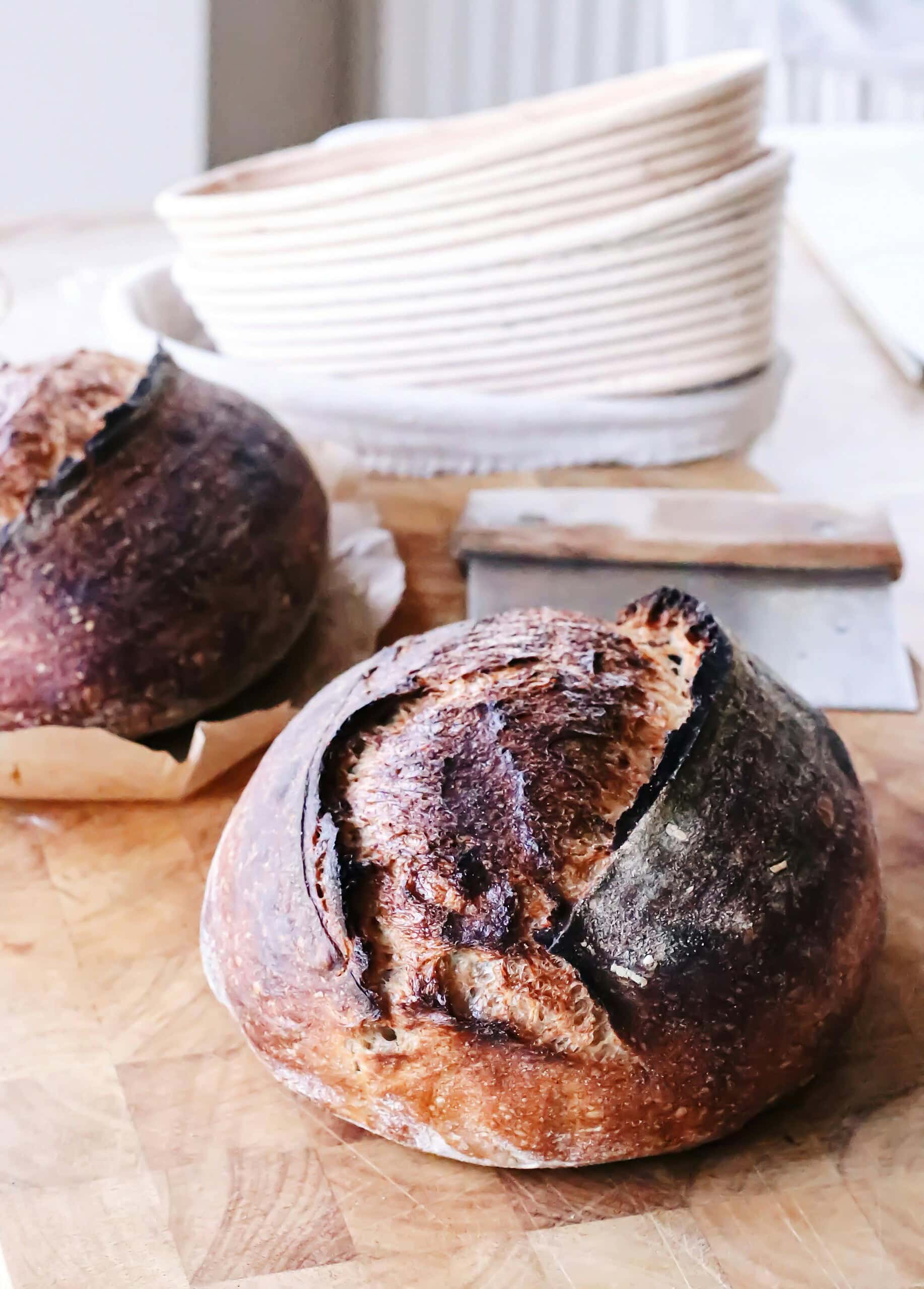
I'll admit that I made a lot of these mistakes when I first starting making sourdough bread. One of the main things I couldn't seem to get over was dense and flat loaves of bread no matter what I tried. But don’t worry. These challenges are part of the journey. Today, we’ll walk through the most common sourdough mistakes and share gentle, rustic solutions to help your loaves shine.
My sourdough was flat and business was slow

When I first started homesteading, my sourdough was dense and flat, my garden struggled, and it seemed like I was scrambling to get people to notice my business, let alone, buy my products. And for a time, I burnt out.
After years of trial and error, analyzing hundreds of businesses from other sectors, and just pure grit...
I created a free Zero to Homestead Skool Community: a place where homesteaders of all levels share wins, troubleshoot challenges, and get guidance from experienced peers. By joining, you’ll access step-by-step guides to build traditional skills (sourdough, fresh milled flour, traditional foods, preserving, livestock, gardening, and more) plus full courses, workshops, and homestead business-building resources with a supportive network to help your homestead thrive.
1. Your Starter Isn’t Active Enough
The mistake: Your sourdough starter is sluggish, smells off, or just doesn’t bubble.
The fix:
- Feed your starter regularly (every 12–24 hours, depending on your kitchen temperature).
- Use filtered or bottled water if your tap water is heavily chlorinated.
- Give it the right balance of flour and water which is usually a 1:1 ratio by weight is a safe bet.
- Keep it warm (ideally around 75°F / 24°C) to encourage activity.
Tip: A healthy starter should double in size within 4–6 hours after a feeding and have a pleasantly tangy aroma.
2. Your Dough Won’t Rise
The mistake: Despite hours of waiting, your dough barely puffs up.
The fix:
- Check your starter. If it’s underactive, your dough won’t rise.
- Be patient; sourdough rises more slowly than yeasted bread. Cooler kitchens mean longer bulk fermentation.
- Try a slightly warmer proofing spot or a proofing box to encourage growth.
Rustic wisdom: Sometimes the dough just needs time. Treat it like a slow-cooked stew: it can’t be rushed.
3. Over or Under-Kneading
The mistake: Your dough feels like glue or is impossibly stiff.
The fix:
- Sourdough often benefits from stretch and fold rather than aggressive kneading. Every 30 minutes during bulk fermentation, gently stretch the dough and fold it over itself.
- Trust the dough’s elasticity. Overworking can make it tight, underworking can leave it slack.
Pro tip: Your dough should be slightly tacky, soft, and spring back slowly when poked.
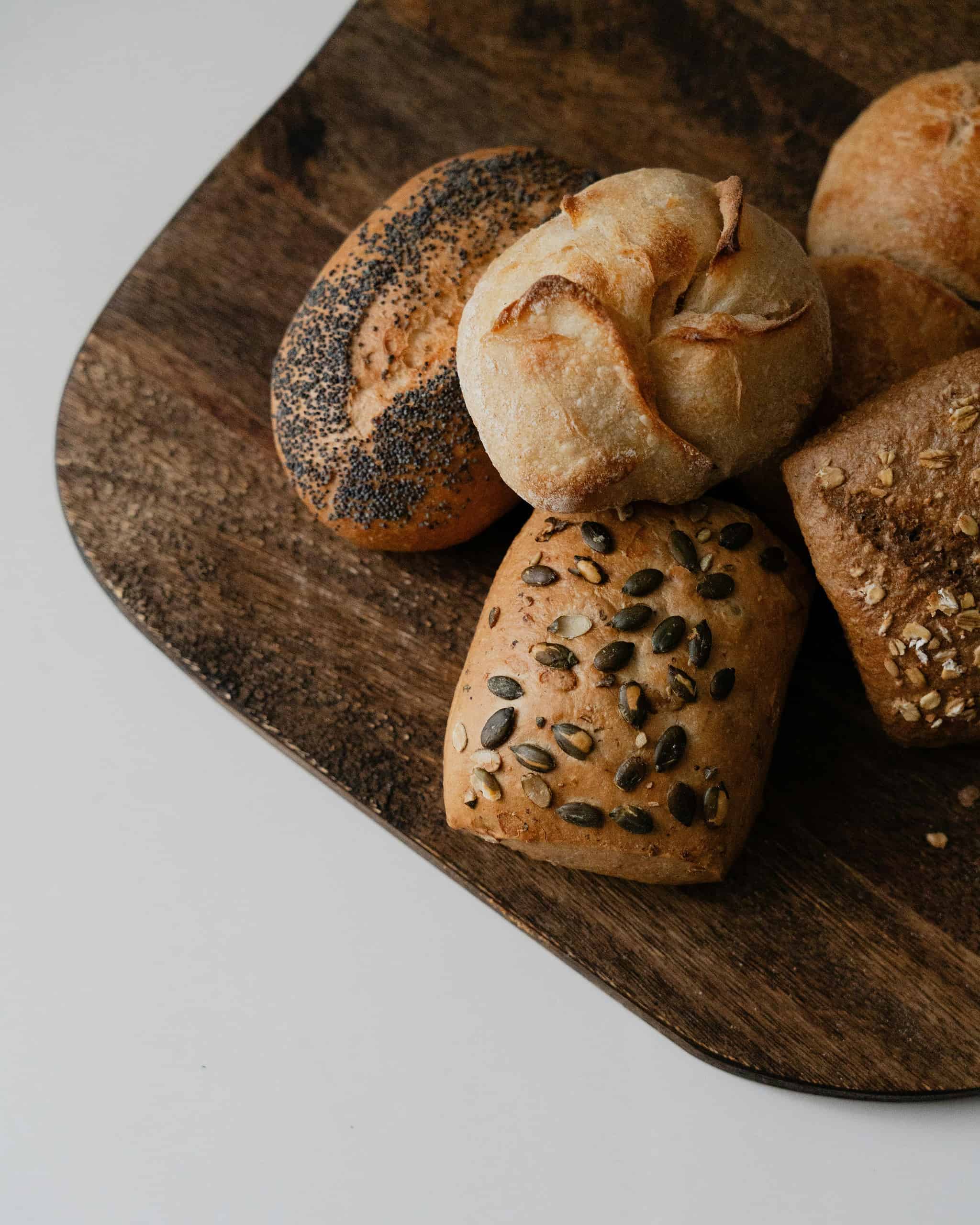
4. Crust Cracks or Splits
The mistake: Your bread bursts unpredictably in the oven, ruining its rustic shape.
The fix:
- Score your dough with a sharp blade just before baking.
- Ensure the dough isn’t too cold or overproofed because both can cause tearing.
- Bake with steam (a tray of water in the oven or a Dutch oven with the lid on) to help the crust expand beautifully.
Tip: Rustic, uneven cracks add charm, but controlled scoring makes a loaf feel like a work of art.
5. Dense or Gummy Crumb
The mistake: You bite into your loaf, and it’s heavy or gummy inside.
The fix:
- Make sure your dough is fully fermented. Underproofed dough stays dense.
- Don’t overload it with flour during shaping; too dry a dough yields a tight crumb.
- Bake long enough at the right temperature; a golden crust often hides an undercooked interior.
Rustic note: Some sourdoughs are naturally denser depending on hydration, flour type, and starter activity. Adjust gradually and embrace the journey.
6. Bread Tastes Bland
The mistake: You pull the bread from the oven, and it tastes… well, meh.
The fix:
- A mature starter gives the best flavor. Feed your starter consistently and allow it to peak before mixing.
- Extend fermentation slightly to develop tang and depth.
- Experiment with different flours: whole wheat or rye can boost flavor naturally.
Tip: A pinch of patience and a dash of rustic creativity is the secret ingredient.

Final Thoughts
Sourdough baking is as much about rhythm and intuition as it is about measurements. Each mistake is a lesson, each loaf a story. Keep a baking journal, observe your dough, and tweak gently. Soon, those stubborn loaves will transform into golden, crackling masterpieces that smell like a warm kitchen on a crisp morning.
Remember: Every sourdough baker has faced these mistakes. The magic is in learning, adjusting, and enjoying each slice along the way.
If you're looking for more sourdough guidance and tips, check out my ultimate beginner's guide to sourdough and if you want in-depth help and a supportive community, please join us over in my online homesteading community and we'll assist you over there (don't worry we see a lot of flat loaves and burnt bread, no judgement).


Comments
No Comments