
How to build a home-focused homestead: no acres required
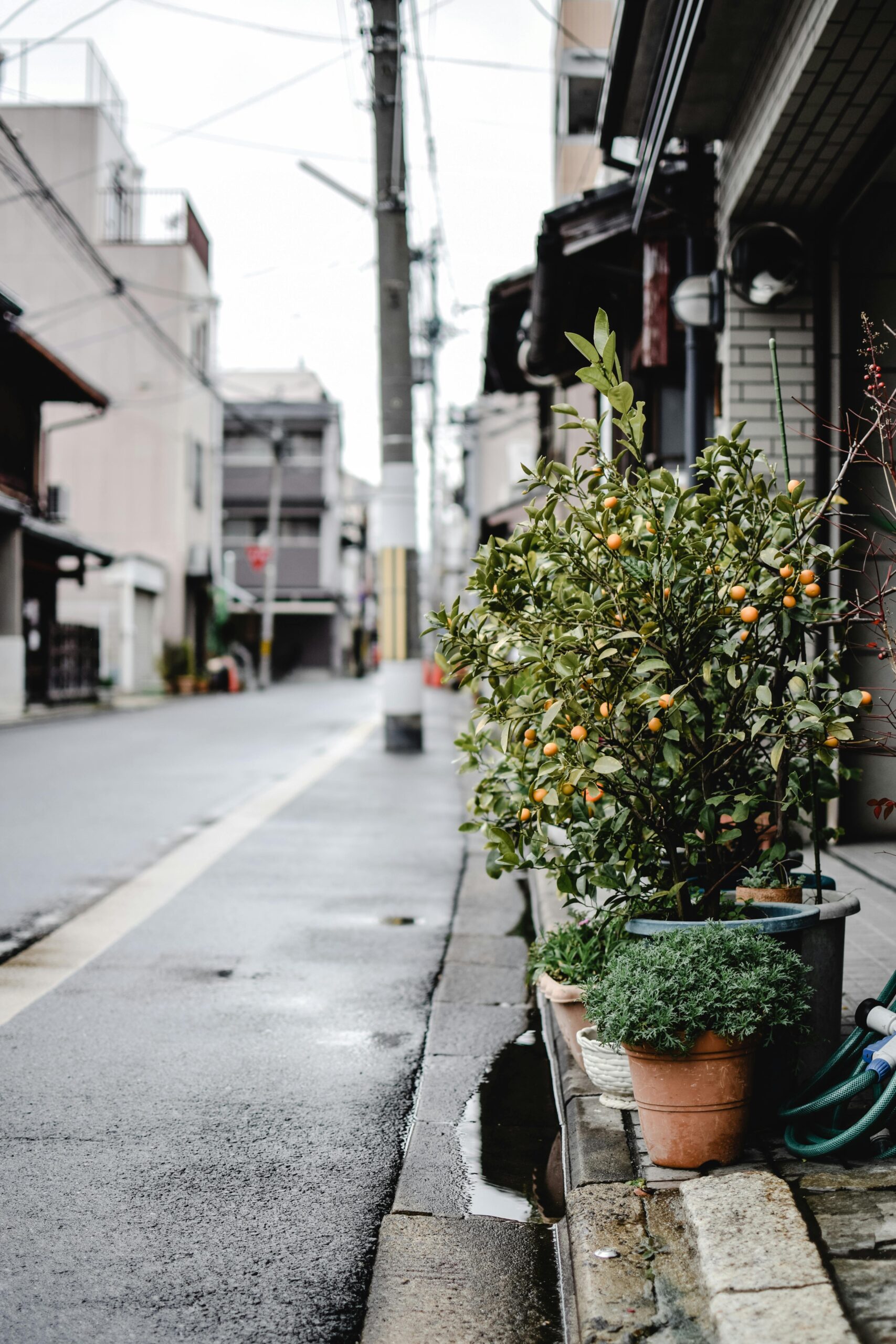
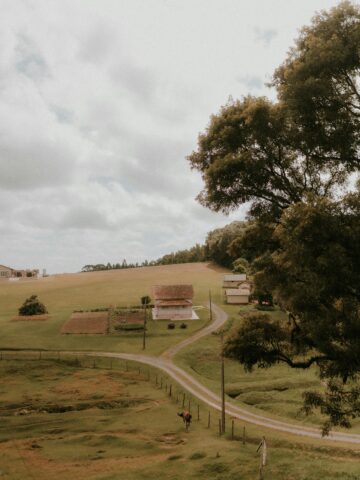
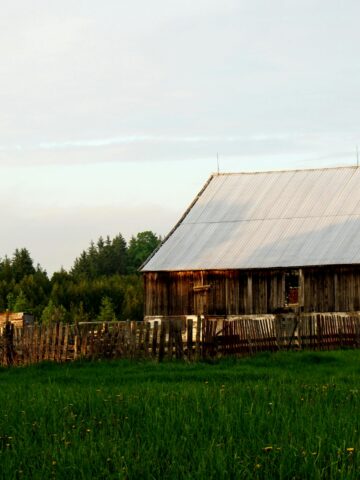
When most people picture a homestead, they imagine rolling fields, weathered barns, and long gravel driveways. But the truth is, a small-scale homestead can begin anywhere: on a quiet suburban lot, in a rented home, or even on a small patio with a few pots of herbs.

Homesteading isn’t about how much land you have. It’s about how you choose to live. This beginner’s guide will walk you through practical, realistic steps to start homesteading in a small space, creating a home-centered life that grows with you.
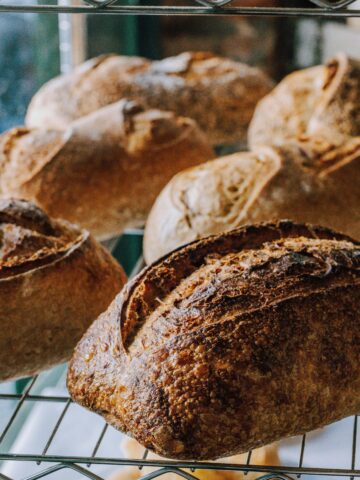
My sourdough was flat and business was slow
When I first started homesteading, my sourdough was dense and flat, my garden struggled, and it seemed like I was scrambling to get people to notice my business, let alone, buy my products. And for a time, I burnt out.
After years of trial and error, analyzing hundreds of businesses from other sectors, and just pure grit...
I created a free Zero to Homestead Skool Community: a place where homesteaders of all levels share wins, troubleshoot challenges, and get guidance from experienced peers. By joining, you’ll access step-by-step guides to build traditional skills (sourdough, fresh milled flour, traditional foods, preserving, livestock, gardening, and more) plus full courses, workshops, and homestead business-building resources with a supportive network to help your homestead thrive.
What Is a Small-Scale Homestead?
A small-scale homestead focuses on self-sufficiency at a manageable level. Instead of trying to do everything at once, you build skills slowly and intentionally.
A small homestead might include:
- A kitchen garden or raised beds
- Backyard chickens or quail (where allowed)
- Sourdough baking and from-scratch meals
- Simple food preservation
- Seasonal routines that support daily life
This approach is ideal for homesteading for beginners, especially those balancing work, family, or limited space.
Step 1: Start With Your Why
Before buying seeds or supplies, take time to define what homesteading means to you.
Ask yourself:
- Do I want to grow some of my own food?
- Am I seeking a slower, more intentional home life?
- Do I want to reduce grocery costs or eat more simply?
Your answers will shape the kind of homestead you build. When your “why” is clear, it’s easier to start a homestead in a small space without feeling scattered or overwhelmed.
Step 2: Take Inventory of Your Space
You don’t need acres; you need awareness.
Look at what you already have:
- A backyard, side yard, or balcony
- Sunny windows for herbs or starter plants
- Storage space for jars, tools, or pantry staples
Even a small patio can support a small-scale homestead when used intentionally.
Step 3: Choose One Skill to Learn First
One of the most common beginner mistakes is trying to do too much too quickly. Instead, choose one foundational skill.
Great starting points include:
- Growing a few easy vegetables
- Baking sourdough or simple breads
- Learning basic food preservation
- Creating a weekly homestead routine
Mastering one skill builds confidence and creates momentum. This is an essential part of homesteading for beginners.
Step 4: Build Simple Daily and Weekly Routines
Homesteading becomes manageable when it’s woven into everyday life.
Daily routines might include:
- Watering plants
- Feeding animals
- Feeding your sourdough starter
Weekly rhythms could include:
- Harvesting and meal planning
- Garden maintenance
- Baking or preserving
These gentle routines help your small-scale homestead support your life instead of overwhelming it.

Step 5: Grow What You’ll Actually Use
It’s tempting to grow everything, but the most successful homesteads grow what fits their kitchen and lifestyle.
Start with:
- Herbs you cook with often
- Vegetables your family already loves
- Projects that feel enjoyable, not stressful
This is one of the most practical ways to start homesteading in a small space and avoid burnout.
Step 6: Learn to Think Seasonally
Even small homesteads follow the rhythm of the seasons.
- Spring: Planting and preparation
- Summer: Tending, harvesting, preserving
- Fall: Storing, slowing down, planning
- Winter: Rest, learning, and dreaming
Seasonal thinking helps beginners build a small-scale homestead that grows naturally over time.
Step 7: Give Yourself Permission to Start Small
Homesteading is not a race. You don’t need to be “fully self-sufficient” to call yourself a homesteader.
Starting small allows you to:
- Learn without pressure
- Adjust as your life changes
- Build habits that last
The most beautiful homesteads are built slowly, one skill and one season at a time.
Final Thoughts
Creating your first small-scale homestead doesn’t require acres of land: just intention, patience, and a willingness to begin. By focusing on what fits your home and life right now, you can enjoy the heart of homesteading for beginners while laying a strong foundation for the future.
Your homestead doesn’t have to be big to be meaningful. It just has to be yours.
Comments
No Comments