

Raising chickens on a homestead is about more than fresh eggs: it’s about independence, resilience, and making the most of what you already have. One of the biggest ongoing costs of keeping chickens is feed, but here’s the good news: you can grow a surprising amount of your own chicken feed right on your homestead.

Whether you’re working with a backyard garden or several acres, growing your own chicken feed helps lower costs, improves flock health, and brings you one step closer to a truly sustainable homestead.
Let’s walk through how to do it: simply, practically, and without overwhelm.
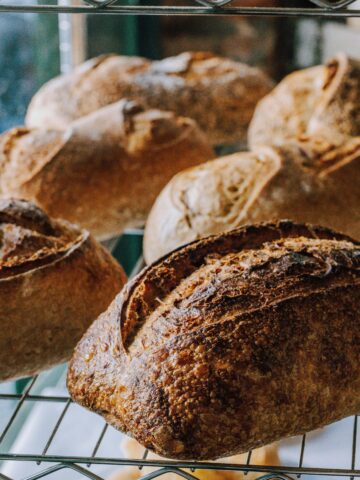
My sourdough was flat and business was slow

When I first started homesteading, my sourdough was dense and flat, my garden struggled, and it seemed like I was scrambling to get people to notice my business, let alone, buy my products. And for a time, I burnt out.
After years of trial and error, analyzing hundreds of businesses from other sectors, and just pure grit...
I created a free Zero to Homestead Skool Community: a place where homesteaders of all levels share wins, troubleshoot challenges, and get guidance from experienced peers. By joining, you’ll access step-by-step guides to build traditional skills (sourdough, fresh milled flour, traditional foods, preserving, livestock, gardening, and more) plus full courses, workshops, and homestead business-building resources with a supportive network to help your homestead thrive.
Why Grow Your Own Chicken Feed?
Store-bought feed is convenient, but it’s also one of the most expensive parts of raising chickens. Growing even part of your flock’s diet can make a big difference.
Benefits of growing your own chicken feed include:
- Reduced feed costs over time
- Healthier eggs with deeper yolks
- More nutrient-dense, natural foods
- Less reliance on outside supply chains
- Better use of garden scraps and unused land
On a homestead, every system works best when it supports another and chicken feed is no exception.
What Chickens Can (and Should) Eat
Before planting anything, it helps to understand what chickens naturally thrive on. Chickens are omnivores and do best with a varied diet that includes:
- Grains
- Seeds
- Greens
- Insects and protein sources
While you’ll still want a balanced base feed (especially for laying hens), growing supplemental feed can replace a large portion of store-bought rations.
Best Crops to Grow for Chicken Feed
1. Corn (for Energy)
Corn is a classic chicken feed staple and easy to grow on many homesteads.
Why it’s great:
- High-energy food, especially helpful in winter
- Stores well when dried
- Chickens love it
Grow dent corn or flint corn for feed purposes, dry it fully, and crack it before feeding.
2. Sunflowers (for Protein & Fats)
Sunflowers are one of the best dual-purpose homestead crops.
Benefits:
- High in protein and healthy fats
- Easy to grow
- Beautiful in the garden
- Heads can be fed whole or seeds removed
Black oil sunflower seeds are especially valuable for laying hens.
3. Wheat, Barley, or Oats
Grains grow well in many climates and are excellent for chickens.
Tips:
- Grow small plots and rotate yearly
- Can be sprouted for extra nutrition
- Stores well when kept dry
Sprouted grains are easier to digest and stretch your harvest even further.
4. Fodder & Sprouts (Small Space Friendly)
If space is limited, fodder is a game-changer.
Popular fodder options:
- Barley
- Wheat
- Oats
In just 7–10 days, you can turn a small amount of grain into lush green mats that chickens go crazy for.
5. Greens & Garden Extras
Chickens thrive on leafy greens and garden abundance.
Great options include:
- Kale
- Swiss chard
- Lettuce (non-iceberg)
- Beet greens
- Comfrey
- Pumpkin and squash vines
Let chickens clean up garden beds at the end of the season for built-in pest control and fertilizer.
Don’t Forget Protein Sources
Protein is essential for egg production.
Homestead-friendly options:
- Mealworms (easy to raise at home)
- Soldier fly larvae
- Kitchen scraps (in moderation)
- Free-ranging when possible
Even a few hours of free-ranging a week can significantly reduce protein costs.

How Much Feed Can You Really Grow?
Most homesteaders aim to supplement 25–50% of their chicken feed, not replace it entirely and that’s a realistic, sustainable goal.
Start small:
- One grain crop
- One protein source
- A handful of greens
Over time, you can layer systems and grow more as your confidence builds.
Frequently Asked Questions About Growing Your Own Chicken Feed
Can I completely replace store-bought chicken feed?
Most homesteaders don’t fully replace commercial feed, especially for laying hens. A more realistic and healthy goal is supplementing 25–50% of your flock’s diet with homegrown feed while using a quality base ration to ensure proper nutrition.
What is the easiest chicken feed to grow for beginners?
Fodder and sprouts are the easiest place to start. They require very little space, grow quickly, and can be done indoors year-round. Sunflowers are another beginner-friendly option that produces a high return with minimal effort.
How much land do I need to grow chicken feed?
You don’t need acres of land. Many homesteaders grow chicken feed in:
- Small garden beds
- Raised beds
- Trays or shelves indoors
- Along fence lines or unused spaces
Even a small backyard can support meaningful feed supplementation.
Is growing chicken feed actually cheaper?
Yes, especially over time. While there may be some upfront costs for seeds or supplies, growing even part of your chicken feed can significantly reduce monthly feed bills and protect you from price increases or shortages.
What should I never feed my chickens?
Avoid feeding chickens:
- Moldy or spoiled food
- Dry beans (must be cooked)
- Green potato peels or leaves
- Avocado skins and pits
- Highly processed or salty foods
When in doubt, stick to whole, natural foods.
Is homegrown chicken feed nutritionally complete?
Homegrown feed is excellent for supplementation, but most flocks still benefit from a balanced commercial feed especially laying hens that need consistent protein and calcium. Think of homegrown feed as a powerful addition, not a total replacement.
How long does it take to grow fodder for chickens?
Most fodder systems take 7–10 days from seed to feeding. Barley, wheat, and oats are popular choices and can be grown continuously with a simple rotation.
Can chickens forage year-round?
Chickens can forage during warmer months, but winter usually requires more stored feed and supplements. Growing fodder indoors during winter is one of the best ways to keep feed costs down when free-ranging isn’t an option.
What’s the best protein source to grow at home?
Mealworms and black soldier fly larvae are two of the easiest protein sources to raise on a homestead. Both are high in protein and require very little space once established.
Will growing my own feed affect egg production?
When done correctly, supplementing with homegrown feed often improves egg quality and yolk color. Just be sure your hens are still getting enough protein, calcium, and balanced nutrients especially during peak laying seasons.
Is growing chicken feed worth it for a small flock?
Absolutely. Even with just a few chickens, growing supplemental feed builds skills, reduces waste, and creates more self-sufficiency. Many homesteaders start small and expand as they see how well it works.
A Sustainable Homestead System
Growing your own chicken feed isn’t about perfection; it’s about progress.
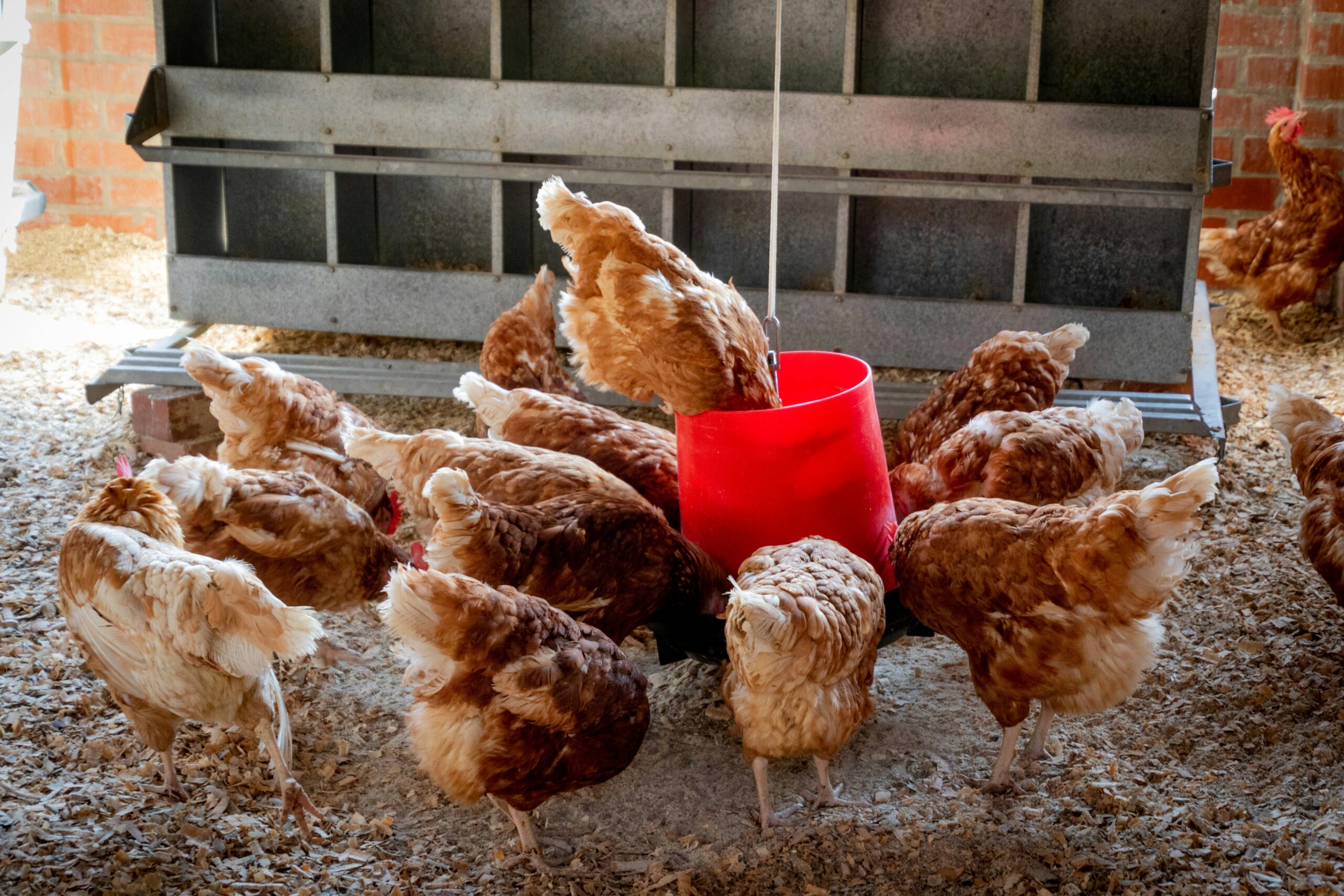
Every sunflower you grow, every tray of fodder you sprout, and every garden scrap you redirect builds a more resilient homestead. Chickens turn that effort into eggs, compost, and fertility for the soil, completing the cycle.
This is the heart of homesteading: simple systems working together.
Want Step-By-Step Help From Other Homesteaders?
If you’re building your homestead one system at a time and want real-life guidance, support, and accountability, I’d love to invite you into my Skool community.
Inside, you’ll find:
- Homesteaders growing food in all climates and space sizes
- Practical, experience-based advice
- Step-by-step challenges and systems
- Encouragement when things don’t go perfectly
Join the Skool community here and grow your homestead with confidence together.
You don’t have to figure this out alone.

Hi, I’m Victoria!
I document our homesteading journey on YouTube: covering sourdough, fresh milled bread, gardening, and simple living. Click here to watch, learn, and be inspired to start your own homestead at home.

Comments
No Comments