
You don’t need 20 acres, a red barn, or a trust fund to start homestead on a budget; you just need a willingness to begin with what you have.

If you’ve been dreaming of growing your own food, baking from scratch, raising chickens, or building a slower, more self-sufficient life, this guide will walk you through how to start a homestead on a budget without overwhelm, debt, or burnout.
Because homesteading isn’t about perfection. It’s about progress, and progress can start in a backyard, on a balcony, or even in a small rental kitchen.
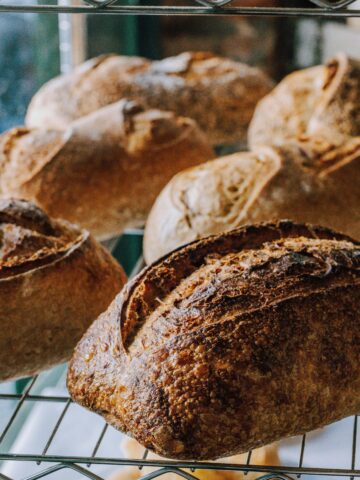
My sourdough was flat and business was slow
When I first started homesteading, my sourdough was dense and flat, my garden struggled, and it seemed like I was scrambling to get people to notice my business, let alone, buy my products. And for a time, I burnt out.
After years of trial and error, analyzing hundreds of businesses from other sectors, and just pure grit...
I created a free Zero to Homestead Skool Community: a place where homesteaders of all levels share wins, troubleshoot challenges, and get guidance from experienced peers. By joining, you’ll access step-by-step guides to build traditional skills (sourdough, fresh milled flour, traditional foods, preserving, livestock, gardening, and more) plus full courses, workshops, and homestead business-building resources with a supportive network to help your homestead thrive.
What Is a Budget Homestead?
A budget homestead focuses on:
- Using what you already have
- Building skills before buying equipment
- Growing slowly and sustainably
- Prioritizing systems over aesthetics
- Avoiding unnecessary debt
You don’t need everything at once. You need a plan, patience, and practical steps.
Step 1: Start With Skills, Not Stuff
Before buying tools, animals, or raised beds, start with skills that cost very little.
High-Impact Homestead Skills to Learn First
- Baking sourdough bread
- Cooking from scratch
- Basic gardening
- Canning and food preservation
- Composting
- Meal planning
- Budgeting
These skills immediately reduce grocery bills without requiring land or livestock.
And they build confidence.
Step 2: Grow Food Where You Are
One of the best ways to start homesteading on a budget is to grow food in small, manageable ways.
You don’t need a huge garden.
Start with:
- Herbs in pots
- Leaf lettuce in containers
- Tomatoes in buckets
- Zucchini in a small raised bed
- Green onions from kitchen scraps
Focus on high-yield crops that your family actually eats. Small gardens teach you timing, soil care, watering habits, and pest control without a large financial investment.

Step 3: Build Soil for Free
Healthy soil is the foundation of any homestead.
Instead of buying expensive amendments:
- Start composting kitchen scraps
- Collect leaves in fall
- Use grass clippings (untreated lawns only)
- Make your own compost pile or simple bin
Soil fertility improves year after year when you invest in organic matter and it costs almost nothing.
Step 4: Add Chickens Later (Not First)
It’s tempting to start with animals, but chickens require secure housing, feed, time, daily care, and predator protection. So start with food production first.
Once you have basic garden systems working, then consider adding a small flock. Buying quality birds once is cheaper than replacing losses later.
Budget homesteading is about timing.
Step 5: Preserve What You Grow
Growing food is powerful and preserving it is life-changing. Learn simple preservation methods like freezing, water bath canning (for high-acid foods), dehydrating, and fermenting.
Preserving even small harvests stretches grocery savings into winter months, and you don’t need industrial equipment to begin.
Step 6: Repurpose Before You Purchase
Before buying something new, ask:
Can I repurpose something I already own?
Examples:
- Buckets become planters
- Old fencing becomes trellis
- Mason jars store dry goods
- Scrap wood builds simple beds
Creativity reduces startup costs dramatically.
Step 7: Focus on Systems, Not Aesthetic
Social media makes homesteading look expensive, but real homesteads are practical.
Prioritize functional garden beds, efficient watering systems, organized pantry shelves, and simple meal routines.
Step 8: Avoid Debt for Homestead Dreams
Going into debt to “look like” a homesteader creates pressure.
Instead save for major purchases, expand slowly, upgrade tools over time, and build income streams alongside growth.
Homesteading should reduce stress not create it.

Step 9: Create Small Income Streams
A budget homestead becomes sustainable when it also produces income.
Beginner-friendly homestead income ideas:
- Selling extra eggs
- Selling sourdough bread (check cottage food laws)
- Garden seedlings in spring
- Canned goods (where legally allowed)
- Digital homestead resources
Even small income streams help fund future expansion.
Step 10: Redefine What “Homestead” Means
Homesteading is not about acreage, but about stewardship.
It’s about:
- Cooking real food
- Growing something
- Reducing waste
- Learning self-reliance
- Creating a resilient household
A one-bedroom apartment can be a homestead.
A suburban backyard can be a homestead.
A rural farm can be a homestead.
The heart of it is intentional living.
Realistic Budget Breakdown to Start
Here’s a simple, realistic starting point:
- Seeds: $20–40
- Basic soil/compost: $50–100
- Simple containers or one raised bed: $50–150
- Basic canning supplies: $100–200 (optional first year)
You can start homesteading for a few hundred dollars, not thousands.
And you can start even smaller.
The Rustic Truth About Starting Small
The first year won’t be perfect.
You’ll overwater something.
Underwater something else.
Plant too early once.
Too late another time.
That’s part of the process. Every mistake becomes skill and every season builds resilience.
You Don’t Need Everything
The biggest mistake new homesteaders make is trying to do everything at once. Instead grow one thing well, learn one skill deeply, and add one new system each season.
Small steps compound into real self-sufficiency.
Join My Skool Community
If you’re serious about building a practical, budget-friendly homestead, without overwhelm, I’d love to invite you into my Skool community.
Inside, we focus on:
- Step-by-step seasonal plans
- Garden systems that actually work
- Sourdough and from-scratch cooking
- Food preservation safety
- Realistic homestead budgeting
- Building small income streams
If you’re ready to start where you are and build something lasting, come join us.

Hi, I’m Victoria!
I document our homesteading journey on YouTube: covering sourdough, fresh milled bread, gardening, and simple living. Click here to watch, learn, and be inspired to start your own homestead at home.
Alisha Kuhic says
My neighbor Zoa has one of these. She works as a scribe and she says it looks wide.