
Mindset, routines, and the beauty of intentional, small-scale living
Slow living and homesteading go hand in hand. When you’re tending a garden, feeding animals, or baking bread from scratch, life naturally asks you to move at a gentler pace. For small-scale homesteaders especially, slowing down isn’t a luxury; it’s the secret to sustainability, joy, and longevity.

In a world that glorifies hustle, the slow living homestead offers something different: an intentional home life rooted in rhythm, presence, and purpose. Let’s explore why slow living works so well for small-scale homesteaders and how you can embrace it without falling behind.
The Mindset Shift That Changes Everything
At its heart, slow living is about choosing depth over speed. It’s learning to value what’s happening right in front of you instead of constantly chasing what’s next.
For homesteaders, this mindset shift means:
- Letting go of unrealistic productivity expectations
- Working with the seasons instead of against them
- Measuring success by nourishment and peace, not output
A slow living homestead isn’t about doing less. It’s about doing what matters most, with intention.
Why Small-Scale Homesteading Thrives at a Slower Pace
Small-scale homesteading works best when it’s woven gently into everyday life. Unlike large operations, small homesteads rely on consistency, care, and attention to detail.
Slow living allows you to:
- Notice when plants or animals need extra care
- Adjust routines naturally as seasons change
- Prevent burnout by honoring rest
This approach supports a sustainable homesteading lifestyle that can grow with you, not exhaust you.

Building Daily Routines That Support an Intentional Home Life
Routines are the backbone of both homesteading and slow living. Not rigid schedules, but soft rhythms that guide your day.
Simple daily routines might include:
- Morning chores done quietly, before the world wakes
- A mid-day pause to check the garden or water seedlings
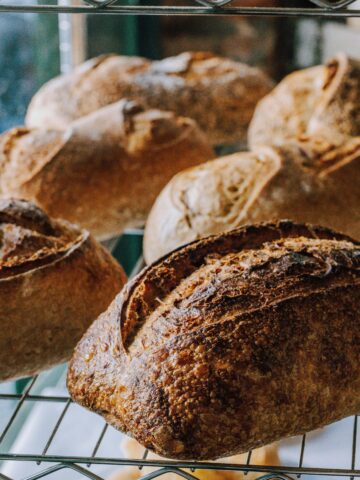
- Evening kitchen rituals like sourdough feeding or meal prep
These small habits create an intentional home life where homesteading feels integrated, not overwhelming.
Weekly and Seasonal Rhythms That Reduce Stress
Slow living encourages you to zoom out and plan ahead. Instead of tackling everything at once, you work in layers.
Weekly rhythms might include:
- One day for preserving or baking
- One day for deeper cleaning or animal care
- One day reserved for rest and reflection
Seasonal rhythms help you:
- Focus on planting in spring
- Preserve and harvest in summer
- Prepare and store in fall
- Rest, plan, and learn in winter
These rhythms are some of the most practical homesteading lifestyle tips you can adopt.
The Benefits of Slow Living on a Small Homestead
When you slow down, everything else falls into place.
A slow living homestead offers:
- Less overwhelm and decision fatigue
- Stronger connection to food and land
- More time for family, creativity, and rest
- Deeper satisfaction in everyday work
You begin to see homesteading not as a list of chores, but as a way of living fully and intentionally.
Slow Living Is Not Falling Behind
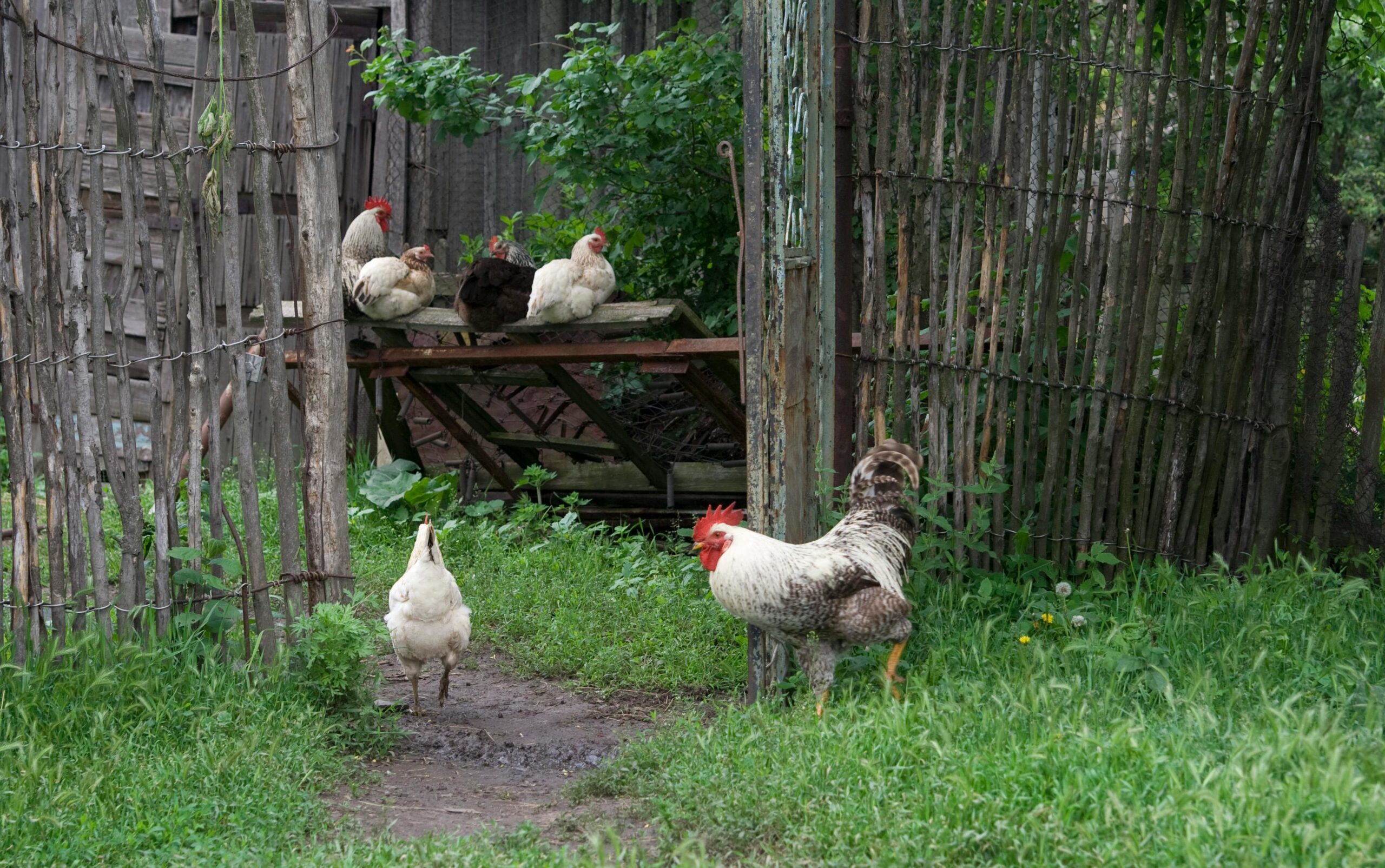
One of the biggest myths about slow living is that it means you’ll accomplish less. In reality, slow living helps you accomplish what truly matters without burning out.
For small-scale homesteaders, this means:
- Sustainable routines you can maintain year after year
- A homestead that fits your life, not controls it
- The freedom to grow slowly and intentionally
Final Thoughts
Slow living isn’t a trend. It’s a return to what works. For small-scale homesteaders, it offers a grounded, realistic path forward. By embracing a slow living homestead, building an intentional home life, and following simple homesteading lifestyle tips, you create a life that’s not only productive, but deeply fulfilling.
The harvest may be small, but the life it supports is rich.
Comments
No Comments