

This post contains affiliate links. This means I earn a small commission at no cost to you. You can view my affiliate disclosure here.
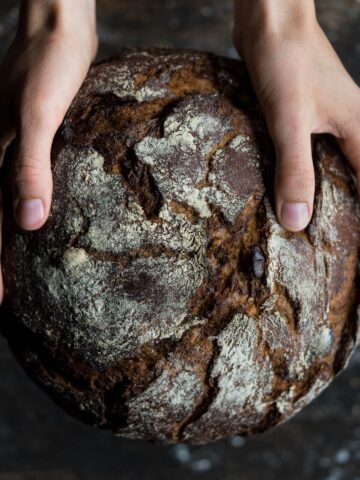
A homemade sourdough bread bowl turns a simple pot of soup into a hearty farmhouse meal, complete with a crisp, golden crust and rich, tangy flavor. A crisp, golden crust gives way to a soft, chewy interior, creating the perfect vessel for creamy soups, hearty stews, and rich chowders. It's the kind of meal that feels right at home on a farmhouse table, especially when the weather turns cool and the garden harvest begins to slow.
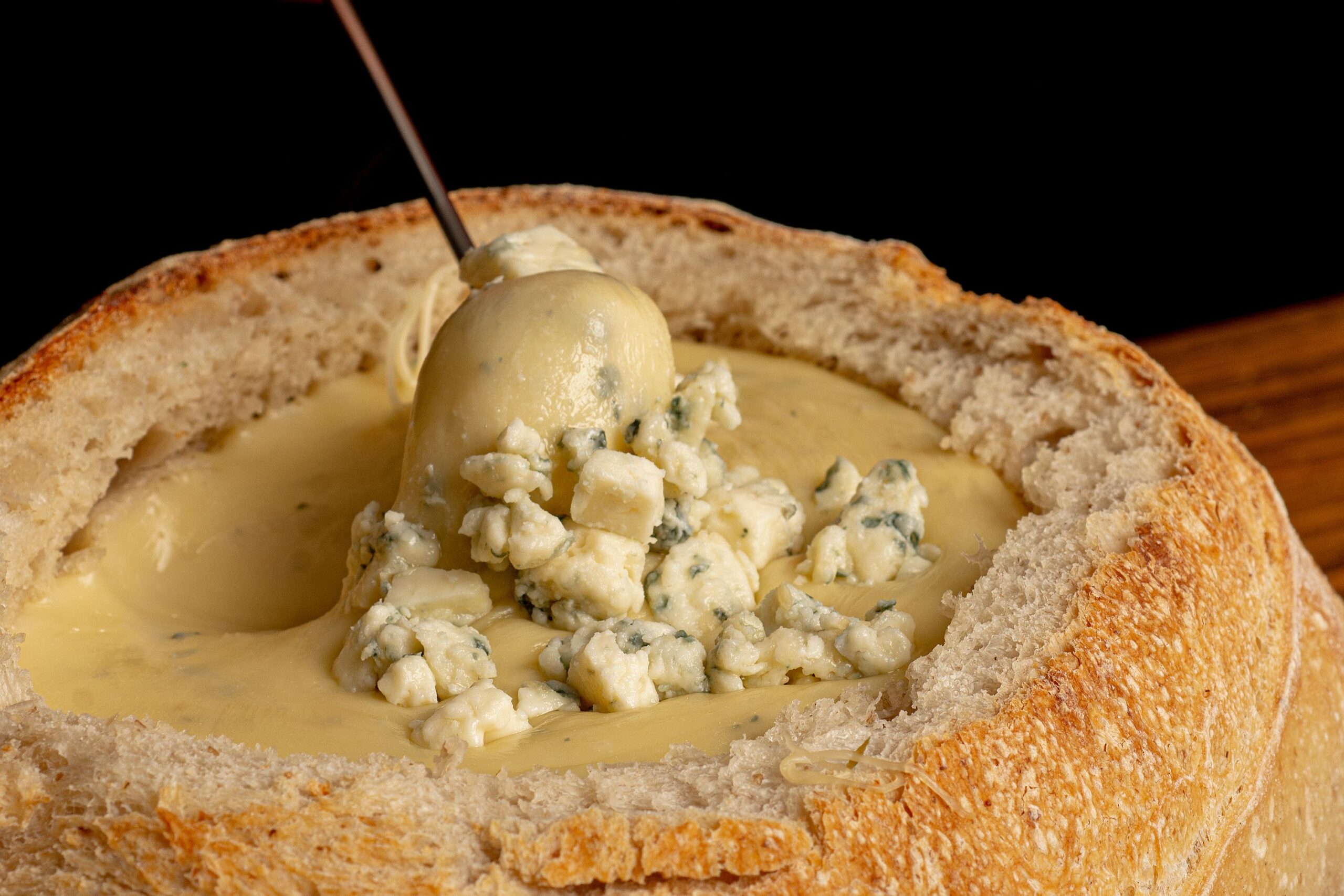
Making a sourdough bread bowl from scratch combines two of life's simple pleasures: homemade bread and comforting meals. Best of all, it's easier than you might think.
Why You'll Love Sourdough Bread Bowls
Sourdough bread bowls are more than just a fun way to serve soup. They bring flavor, texture, and rustic charm to any meal.
These homemade bread bowls:
- Have a sturdy crust that holds soup well
- Feature the rich flavor of natural fermentation
- Use simple pantry ingredients
- Make ordinary meals feel special
- Can be customized for different serving sizes
Whether you're serving potato soup, broccoli cheddar soup, chili, or clam chowder, a sourdough bread bowl transforms dinner into an experience.
What Makes a Good Bread Bowl?
Not every loaf of bread is suitable for a bread bowl.
A good sourdough bread bowl should have:
- A thick, sturdy crust
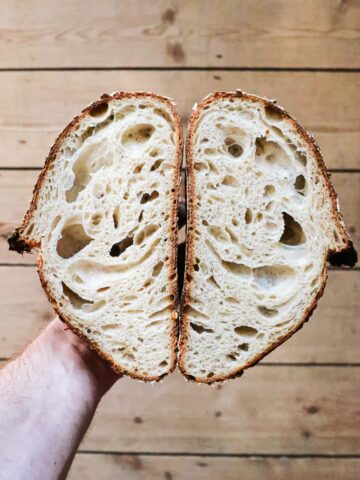
- A chewy interior
- Strong gluten development
- A round shape
- Enough structure to hold liquid
Traditional sourdough naturally creates these qualities, making it one of the best breads for bread bowls.
Ingredients for Sourdough Bread Bowls
One of the beauties of sourdough baking is its simplicity.
Most sourdough bread bowl recipes use:
- Active sourdough starter
- Bread flour
- Water
- Salt
These humble ingredients create a loaf with incredible flavor and texture.
Why Natural Fermentation Matters
The long fermentation process used in sourdough baking develops flavor that simply can't be rushed.
Natural fermentation helps:
- Strengthen the dough
- Improve texture
- Create a crisp crust
- Develop a deeper flavor
The result is a bread bowl that complements your soup rather than merely holding it.
Best Soups for Sourdough Bread Bowls
Almost any thick soup works beautifully in a sourdough bread bowl.
Popular choices include:
Broccoli Cheddar Soup
The creamy texture pairs perfectly with chewy sourdough.
Potato Soup
A classic comfort food combination.
Clam Chowder
A traditional favorite often served in bread bowls.
Chili
A hearty option that turns the bread bowl into a complete meal.
Creamy Tomato Soup
Perfect alongside a simple green salad.
Avoid very thin broths, which can soak through the bread too quickly.
How to Shape Sourdough Bread Bowls
Instead of making one large loaf, divide your dough into individual portions.
For best results:
- Shape into tight rounds
- Allow adequate proofing time
- Create surface tension during shaping
- Bake until deeply golden brown
Smaller loaves develop a stronger crust and hold fillings better.
Tips for the Best Sourdough Bread Bowls
Bake Them Fully
A darker crust helps the bread bowl remain sturdy.
Cool Before Hollowing
Allow bread bowls to cool completely before cutting.
Save the Bread Centers
The removed bread makes excellent croutons, breadcrumbs, or dipping pieces.
Serve Immediately
Fill bread bowls just before serving to maintain their structure.
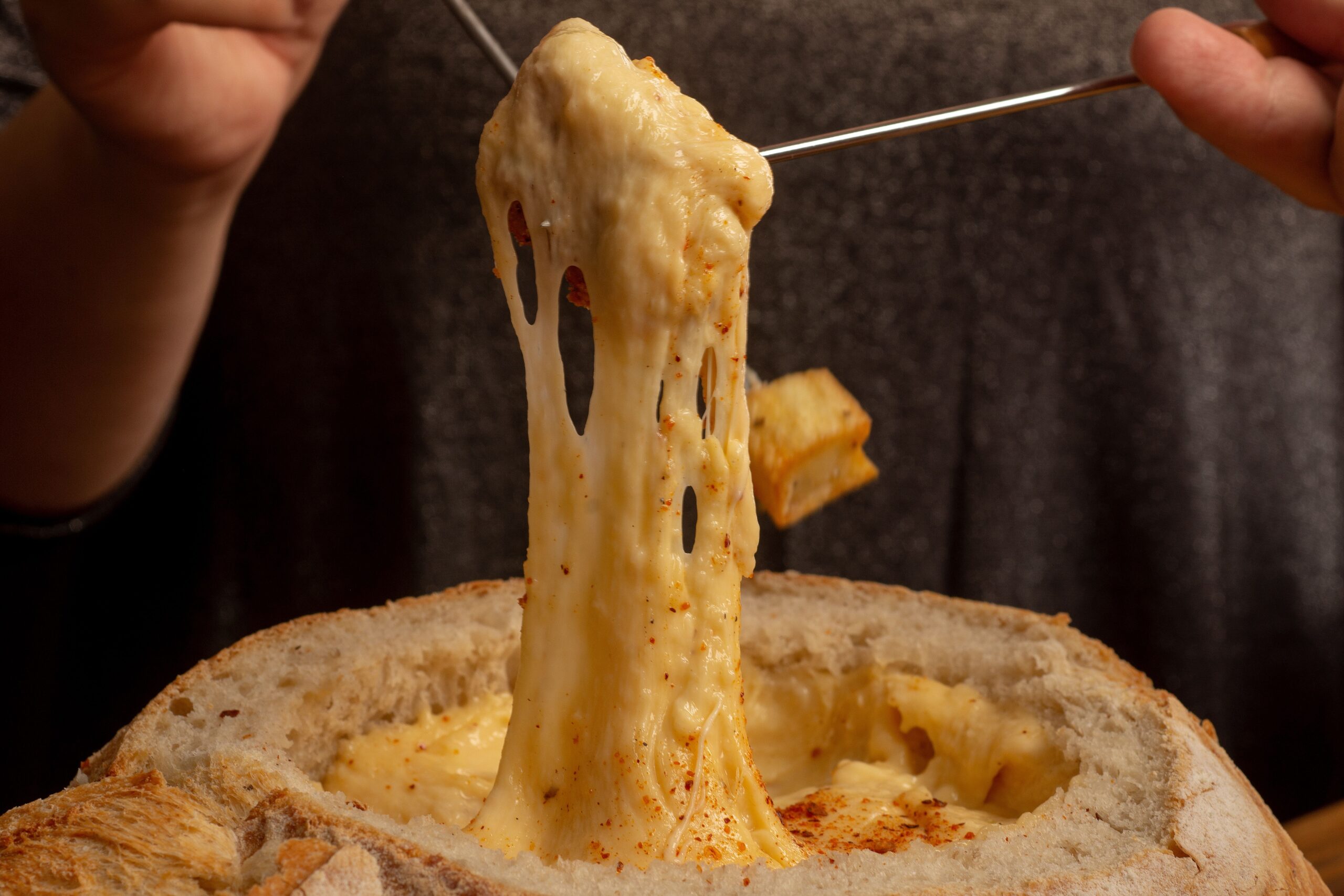
Can You Make Bread Bowls Ahead of Time?
Yes.
Sourdough bread bowls can be:
- Baked one day ahead
- Stored at room temperature
- Frozen for later use
Simply reheat briefly before serving if desired.
A Beautiful Way to Serve Homemade Soup
Few meals feel as welcoming as a homemade soup served in fresh-baked bread. The aroma of sourdough mingles with the warmth of the soup, creating a meal that encourages everyone to slow down and linger at the table.
Whether you're serving a weeknight dinner or hosting family and friends, sourdough bread bowls add a touch of old-fashioned hospitality that never goes out of style.
Bringing Rustic Comfort to the Table
Sourdough bread bowls embody everything many of us love about traditional cooking: simple ingredients, slow methods, and meals meant to be shared.
The next time you simmer a pot of soup, consider baking a batch of sourdough bread bowls alongside it. The combination is comforting, practical, and deeply satisfying—a reminder that some of the best meals are also the simplest.
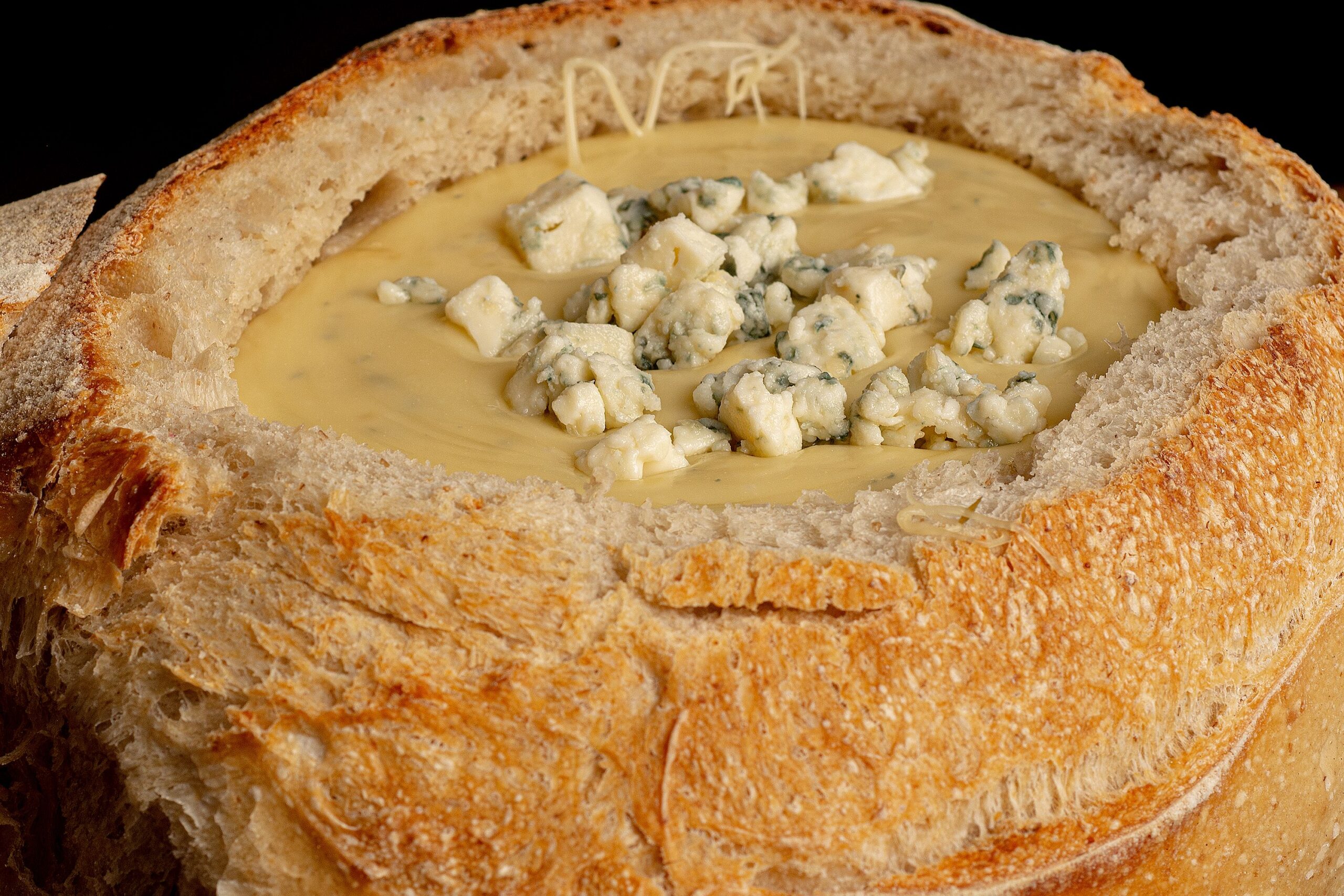
FAQ About Sourdough Bread Bowls
What bread is best for bread bowls?
Sourdough bread is one of the best choices because its sturdy crust and chewy texture help hold soup without becoming soggy too quickly.
Can I make sourdough bread bowls with discard?
For the best rise and structure, active sourdough starter is recommended. Discard recipes often need additional leavening.
How do you keep a bread bowl from getting soggy?
Use thick soups, bake the bread bowls until deeply golden, and fill them immediately before serving.
Can sourdough bread bowls be frozen?
Yes. Baked bread bowls freeze well for up to three months when stored in an airtight freezer bag.
What soups work best in sourdough bread bowls?
Broccoli cheddar soup, potato soup, clam chowder, chili, and creamy tomato soup are all excellent choices.
If you make this recipe, be sure to leave me a star rating and a comment below. Share what you made and tag me on Instagram@keepingitholistic! For more simple sourdough recipes & guidance, small-space gardening tips, and cozy, slow living inspiration, subscribe to my newsletter and follow me on YouTube and Instagram!
📖 Recipe
Sourdough Bread Bowls
Equipment
- large mixing bowl
- Dough whisk or wooden spoon
- Bench scraper
- Kitchen scale (recommended)
- Baking sheet or Dutch oven
- Bread lame or sharp knife
- cooling rack
Ingredients
- 100 grams active sourdough starter
- 350 grams warm water
- 500 grams bread flour
- 10 grams sea salt
Instructions
Mix the Dough
- In a large bowl, combine the active sourdough starter and warm water.
- Stir until the starter is mostly dissolved.
- Add the bread flour and salt.
- Mix until a shaggy dough forms and no dry flour remains.
Rest the Dough
- Cover and allow the dough to rest for 30 minutes.
Stretch and Fold
- Perform 4 sets of stretch and folds every 30 minutes over the next 2 hours.
Bulk Fermentation
- Cover and allow the dough to ferment at room temperature for 6–10 hours, or until noticeably puffy.
Shape the Bread Bowls
- Turn the dough onto a lightly floured surface.
- Divide into 4 equal portions.
- Shape each portion into a tight round ball, creating surface tension.
- Place on a parchment-lined baking sheet or in proofing baskets.
Final Rise
- Cover and allow to rise for 1–2 hours.
Bake
- Preheat oven to 450°F.
- Score each loaf with a sharp knife or bread lame.
- Bake for 25–30 minutes until deep golden brown and crusty.
Cool
- Transfer to a cooling rack and allow to cool completely.
Create the Bread Bowls
- Slice off the top of each loaf.
- Carefully hollow out the center, leaving about 1 inch of bread around the sides and bottom.
- Fill with your favorite soup, chowder, or chili and serve immediately.
Notes
Bake the loaves until deeply golden for maximum soup-holding strength.
Thick soups work best and help prevent sogginess.
Bread bowls can be frozen for up to 3 months before hollowing and serving.
Nutrition

Hi, I’m Victoria!
I document our homesteading journey on YouTube: covering sourdough, fresh milled bread, gardening, and simple living. Click here to watch, learn, and be inspired to start your own homestead at home.
Comments
No Comments