
This post contains affiliate links. This means I earn a small commission at no cost to you. You can view my affiliate disclosure here.
There is something almost magical about a loaf of wild yeast bread. Flour, water, and time come together through a process that has nourished families for thousands of years. Long before packets of commercial yeast lined grocery store shelves, bakers relied on the naturally occurring wild yeasts found in the air, on grain, and in their kitchens to create beautiful, flavorful loaves.
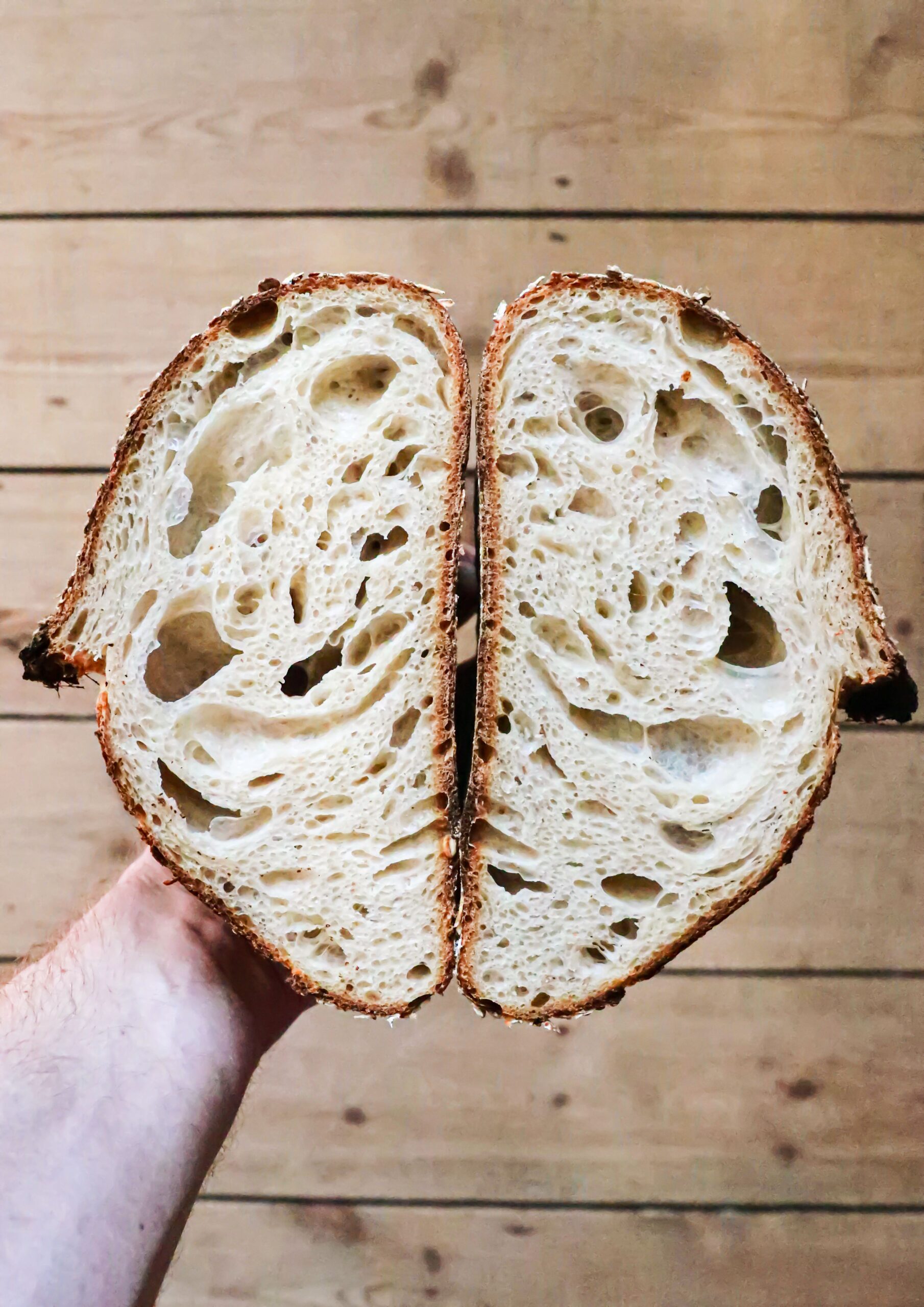
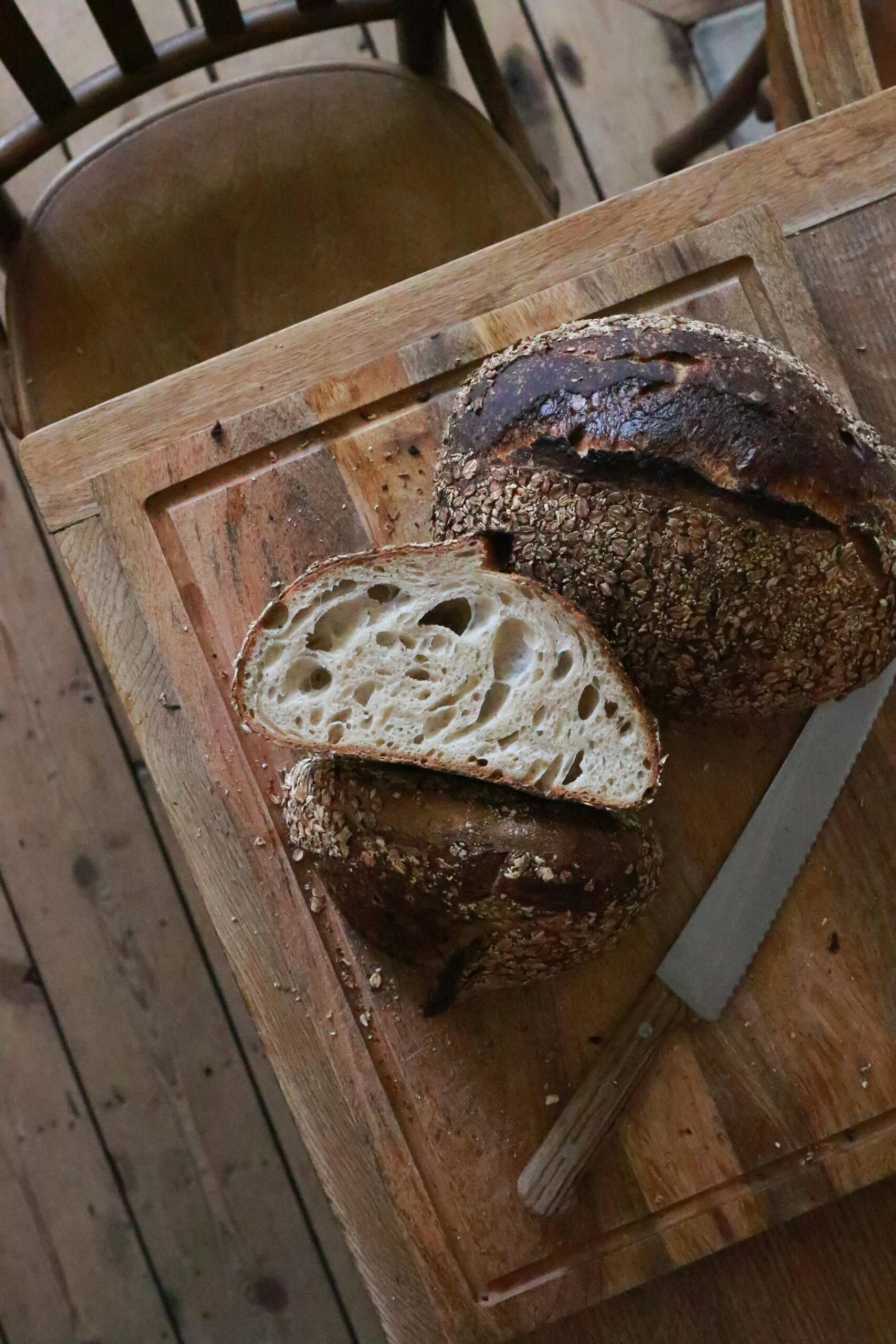
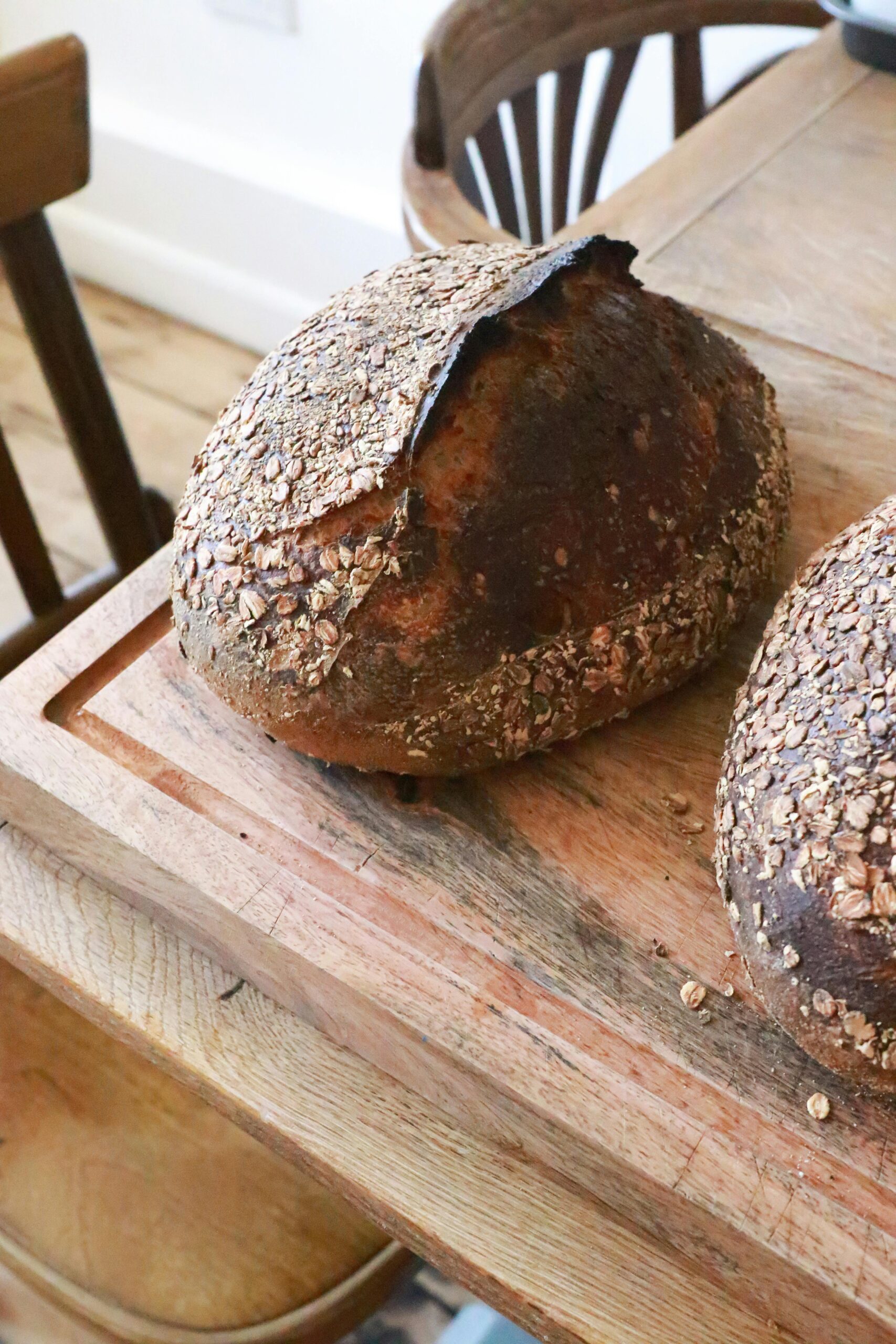
Today, wild yeast bread is enjoying a revival among homesteaders, traditional food enthusiasts, and home bakers seeking a slower, more intentional way to bake. With its rich flavor, rustic crust, and connection to old-world methods, wild yeast bread is much more than food; it's a tradition worth preserving.
What Is Wild Yeast Bread?
Wild yeast bread is bread leavened using naturally occurring yeasts rather than commercial baker's yeast. These wild yeasts are cultivated in a sourdough starter, a simple mixture of flour and water that captures beneficial microorganisms from the environment.
As the starter ferments, wild yeast and beneficial bacteria work together to create the natural rise that gives bread its airy texture and complex flavor.
Unlike commercial yeast breads, wild yeast bread develops slowly, allowing time for flavor and texture to deepen.
The History of Wild Yeast Bread
Wild yeast bread has been baked for thousands of years. Ancient civilizations relied on natural fermentation long before modern baking methods existed.
For generations, families maintained their own starters, often passing them down from one baker to the next. These starters became treasured kitchen heirlooms, unique to each household and shaped by local conditions.
In many ways, baking wild yeast bread connects us to these older traditions and reminds us that good bread doesn't require complicated ingredients.
Why Bakers Love Wild Yeast Bread
There are many reasons wild yeast bread remains popular today.
Home bakers appreciate it because it:
- Develops rich, complex flavor
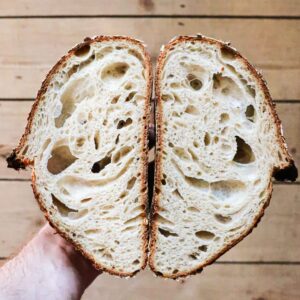
- Creates a beautiful crust and crumb
- Uses simple ingredients
- Eliminates the need for commercial yeast
- Fits naturally into traditional food lifestyles
- Encourages slower, more intentional baking
Many people also enjoy the satisfaction of maintaining a living sourdough starter and watching it transform simple flour and water into bread.
How Wild Yeast Works
Wild yeast is naturally present in the environment. When flour and water are combined, these microorganisms begin feeding on the natural sugars in the flour.
Over time wild yeast produces carbon dioxide, helping bread rise, beneficial bacteria contribute flavor and acidity, and fermentation improves the dough's texture and character.
This partnership creates the distinctive qualities that make wild yeast bread so beloved.
Creating a Wild Yeast Starter
A wild yeast starter begins with only two ingredients: flour and water.
Over several days, regular feedings encourage the growth of natural yeast and beneficial bacteria.
Once active, the starter can be maintained indefinitely with simple care.
Many homesteaders consider their starter one of the most valuable tools in the kitchen, providing an ongoing source of leavening for bread, pancakes, biscuits, and more.
What Does Wild Yeast Bread Taste Like?
One of the greatest differences between wild yeast bread and commercial yeast bread is flavor.
Wild yeast bread often has a mild tanginess, nutty undertones, greater depth of flavor, and a more developed aroma.
The exact flavor varies depending on the starter, flour, fermentation time, and baking method.
No two starters are exactly alike, which makes every loaf unique.
Benefits of Long Fermentation
Wild yeast bread relies on a slower fermentation process than conventional breads. This slower rise enhances flavor, improves texture, creates a more open crumb, and allows the dough to develop naturally.
Many bakers find that the waiting becomes part of the reward, transforming bread making into a comforting rhythm rather than a rushed task.
Common Types of Wild Yeast Bread
Wild yeast can be used to make many different breads, including:
- Rustic country loaves
- Sandwich bread
- Whole wheat bread
- Rye bread
- Dinner rolls
- Baguettes
- Focaccia
Once you learn the basics of natural fermentation, the possibilities are nearly endless.
Tips for Successful Wild Yeast Baking
Keep Your Starter Healthy
Feed your starter regularly and store it according to your baking schedule.
Be Patient
Wild yeast works more slowly than commercial yeast. Give the dough plenty of time to ferment.
Watch the Dough, Not the Clock
Temperature and humidity affect fermentation. Learn to recognize when the dough is ready rather than relying solely on timing.
Use Quality Flour
Fresh, high-quality flour helps support a healthy starter and flavorful bread.
Why Wild Yeast Bread Belongs on the Homestead
Wild yeast bread embodies many of the values that draw people to homesteading in the first place. It is simple, practical, and rooted in tradition. It teaches patience, self-reliance, and the beauty of working with natural processes rather than rushing them.
A jar of bubbling starter on the counter and a loaf cooling on the rack are reminders that some of life's most rewarding things cannot be hurried.
Frequently Asked Questions About Wild Yeast Bread
What is wild yeast bread?
Wild yeast bread is bread that is naturally leavened using a sourdough starter instead of commercial yeast. The starter contains naturally occurring wild yeasts and beneficial bacteria that help the dough rise and develop flavor.
Is wild yeast bread the same as sourdough bread?
Yes, most wild yeast bread is considered sourdough bread. Sourdough uses a wild yeast starter to ferment and leaven the dough naturally rather than relying on packaged yeast.
How does wild yeast get into a sourdough starter?
Wild yeast is naturally present on flour, grains, and in the environment. When flour and water are mixed together and fed regularly, wild yeast and beneficial bacteria begin to grow and create an active starter.
Does wild yeast bread taste sour?
Not necessarily. While some wild yeast breads have a noticeable tang, many have only a mild sour flavor. The taste depends on the starter, fermentation time, flour used, and baking method.
Can you make wild yeast bread without commercial yeast?
Yes. Traditional wild yeast bread relies entirely on a sourdough starter for leavening and does not require any commercial yeast.
How long does wild yeast bread take to rise?
Wild yeast bread typically takes longer to rise than bread made with commercial yeast. Depending on temperature and starter activity, fermentation can take anywhere from 4 to 24 hours.
Is wild yeast bread healthier than regular bread?
Many people prefer wild yeast bread because the longer fermentation process may improve flavor, texture, and digestibility. However, nutritional benefits can vary depending on ingredients and preparation methods.
How do I know if my wild yeast starter is active?
An active starter will:
- Double in size after feeding
- Show plenty of bubbles throughout
- Have a pleasant, slightly tangy aroma
- Float in water when fully active (though the float test is not always necessary)
What flour works best for wild yeast bread?
Many flours work well, including bread flour, all-purpose flour, whole wheat flour, and rye flour.
Whole grain flours often help establish a new starter more quickly because they contain more natural microorganisms.
Why didn't my wild yeast bread rise?
Common reasons include:
- An inactive starter
- Cold room temperatures
- Under-fermentation
- Over-fermentation
- Weak gluten development
Healthy starter activity and proper fermentation are key to a successful loaf.
How do I store wild yeast bread?
Store wild yeast bread in a bread bag, linen bag, or airtight container at room temperature for 2–4 days. For longer storage, slice and freeze the loaf for up to 3 months.
Can I keep a wild yeast starter forever?
Yes. With regular feedings and proper care, a sourdough starter can last indefinitely. Some starters have been maintained and passed down through families for generations.
What can I make besides bread with a wild yeast starter?
A wild yeast starter can be used to make:
- Sandwich bread
- Dinner rolls
- Biscuits
- Pancakes
- Waffles
- Pizza dough
- Focaccia
- Crackers
Many homesteaders use their starter in a wide variety of everyday recipes.
A Timeless Baking Tradition
In a world that often prioritizes speed and convenience, wild yeast bread invites us to slow down. It asks us to trust time, nurture a living starter, and participate in a practice that has sustained families for centuries.
Whether you're just beginning your sourdough journey or have baked for years, wild yeast bread offers a deeper connection to food, tradition, and the simple pleasures of the homestead kitchen.
If you make this recipe, be sure to leave me a star rating and a comment below. Share what you made and tag me on Instagram@keepingitholistic! For more simple sourdough recipes & guidance, small-space gardening tips, and cozy, slow living inspiration, subscribe to my newsletter and follow me on YouTube and Instagram!
📖 Recipe
Wild Yeast Bread
Equipment
- large mixing bowl
- Dough whisk or wooden spoon
- Bench scraper
- Banneton basket or bowl lined with a tea towel
- Dutch oven with lid
- Bread lame or sharp knife
- cooling rack
- Kitchen scale (recommended)
Ingredients
- 100 grams active wild yeast starter fed and bubbly
- 350 grams warm water
- 500 grams bread flour
- 10 grams sea salt
Instructions
Mix the Dough
- In a large bowl, combine the active starter and warm water. Stir until mostly dissolved.
- Add the flour and salt. Mix until a shaggy dough forms and no dry flour remains.
Rest the Dough
- Cover and allow the dough to rest for 30 minutes.
Stretch and Fold
- Perform a series of stretch and folds every 30 minutes for 2 hours (4 sets total).
- Cover between each set.
Bulk Fermentation
- Cover the dough and allow it to ferment at room temperature for 6–10 hours, or until noticeably puffy and increased in volume.
Shape the Dough
- Turn the dough onto a lightly floured surface.
- Shape into a tight round loaf and place seam-side up in a floured banneton or towel-lined bowl.
Final Rise
- Cover and allow to rise for 1–3 hours at room temperature, or refrigerate overnight for deeper flavor.
Preheat Oven
- Place a Dutch oven in the oven and preheat to 450°F for at least 30 minutes.
Score and Bake
- Turn the dough onto parchment paper.
- Score the top with a bread lame or sharp knife.
- Carefully transfer into the hot Dutch oven.
- Bake covered for 25 minutes.
- Remove the lid and bake for an additional 15–20 minutes until deep golden brown.
Cool Completely
- Transfer bread to a cooling rack and allow it to cool for at least 1 hour before slicing.
Notes
For a more sour flavor, refrigerate the shaped loaf overnight before baking.
Bread flour creates the best structure, but a portion of whole wheat flour may be substituted.
Do not slice the loaf while hot, as the crumb continues setting during cooling.
Nutrition

Hi, I’m Victoria!
I document our homesteading journey on YouTube: covering sourdough, fresh milled bread, gardening, and simple living. Click here to watch, learn, and be inspired to start your own homestead at home.
Comments
No Comments