
This post contains affiliate links. This means I earn a small commission at no cost to you. You can view my affiliate disclosure here.
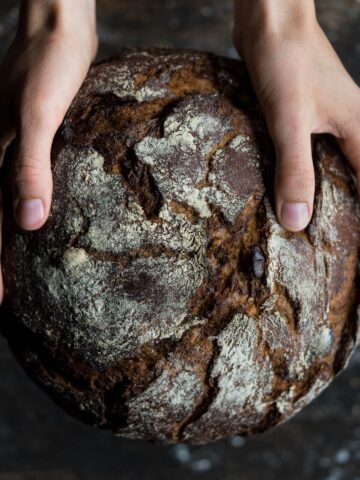
There’s a quiet kind of joy that comes from baking bread the old-fashioned way. The slow rise, the feel of dough beneath your hands, and the scent of a loaf cooling on the counter all connect us to a simpler rhythm of life. Sourdough einkorn bread is just that kind of recipe: deeply nourishing, gently fermented, and rooted in tradition.

Made with einkorn, one of the world’s oldest cultivated grains, this loaf has a tender crumb, a naturally golden hue, and a mild, slightly nutty flavor that pairs beautifully with butter, honey, or a bowl of warm soup.
If you like baking with einkorn, be sure to check out my einkorn cinnamon raisin bread (not sourdough, but still cozy and rustic) and if you are looking for feedback and community with other sourdough and einkorn enthusiasts, I invite you to join us over in our online community: Zero to Homestead.
My sourdough was flat and business was slow
When I first started homesteading, my sourdough was dense and flat, my garden struggled, and it seemed like I was scrambling to get people to notice my business, let alone, buy my products. And for a time, I burnt out.
After years of trial and error, analyzing hundreds of businesses from other sectors, and just pure grit...
I created a free Zero to Homestead Skool Community: a place where homesteaders of all levels share wins, troubleshoot challenges, and get guidance from experienced peers. By joining, you’ll access step-by-step guides to build traditional skills (sourdough, fresh milled flour, traditional foods, preserving, livestock, gardening, and more) plus full courses, workshops, and homestead business-building resources with a supportive network to help your homestead thrive.
Why Bake with Einkorn Flour?
Einkorn is an ancient wheat that hasn’t been hybridized like modern varieties. Many home bakers love einkorn flour because it’s easier to digest and rich in protein, vitamins, and minerals. When combined with sourdough fermentation, einkorn becomes even more gentle on the gut while developing rich, complex flavor.
Why this loaf is a farmhouse favorite:
- Naturally fermented for better digestion
- Made with ancient grain einkorn flour
- Soft, tender crumb with rustic character
- Perfect for everyday slicing or hearty toast
What Makes Sourdough Einkorn Different?
Einkorn flour behaves differently than modern wheat. It absorbs less liquid and forms a weaker gluten structure, which means this dough is softer, stickier, and better suited to gentle handling. Instead of heavy kneading, einkorn dough benefits from rest and careful shaping making it ideal for slow, intentional baking.

Ingredients for Sourdough Einkorn Bread
- 3½ cups einkorn flour (all-purpose or freshly milled)
- 1 cup active sourdough starter
- ¾ cup warm water
- 1½ teaspoons salt
How to Make Rustic Sourdough Einkorn Bread
1. Mix the Dough
In a large bowl, combine sourdough starter and warm water. Add einkorn flour and salt, mixing until a soft, sticky dough forms. Einkorn dough should feel loose and supple.
2. Rest and Ferment
Cover the bowl and let the dough rest for 30 minutes. Then gently fold the dough over itself once or twice. Cover again and allow it to ferment at room temperature for 4–6 hours, until slightly puffy and expanded.
3. Shape the Loaf
Turn the dough onto a lightly floured surface. Shape gently into a round loaf, handling as little as possible to maintain structure.
4. Final Proof
Place the shaped dough into a floured banneton or bowl lined with a towel. Cover and proof for 1–2 hours, or refrigerate overnight for deeper flavor.
5. Bake
Preheat oven to 450°F (230°C) with a Dutch oven inside. Carefully transfer dough to parchment, score the top, and place into the hot Dutch oven. Bake covered for 25 minutes, then uncover and bake another 15–20 minutes until golden brown.
6. Cool Completely
Allow the loaf to cool fully before slicing. Einkorn bread sets as it cools and slices best once completely cooled.

Tips for Baking with Einkorn Flour
- Avoid over-kneading; einkorn thrives with gentle handling
- Dough will be stickier than modern wheat (this is normal)
- Reduce hydration if dough feels overly loose
- Use a kitchen scale for consistent results
How to Serve Sourdough Einkorn Bread
This rustic loaf shines in simple moments:
- Toasted with butter and raw honey
- Served alongside soups and stews
- Used for sandwiches or avocado toast
- Paired with soft cheeses or homemade jam
Why Sourdough Einkorn Bread Belongs in Your Kitchen
Baking sourdough einkorn bread is about slowing down and honoring time-tested ingredients. With its ancient grain roots and naturally fermented goodness, this loaf offers both nourishment and comfort: perfect for those who love rustic baking and wholesome food.
Once you bake with einkorn, it’s hard not to fall in love with its gentle texture and old-world flavor.
If you make this recipe, be sure to leave me a star rating and a comment below. Share what you made and tag me on Instagram@keepingitholistic! For more simple sourdough recipes & guidance, small-space gardening tips, and cozy, slow living inspiration, subscribe to my newsletter and follow me on YouTube and Instagram!
📖 Recipe

Sourdough Einkorn Bread
Equipment
- 1 Large bowl
Ingredients
- 3½ cups einkorn flour all-purpose or freshly milled
- 1 cup active sourdough starter
- ¾ cup warm water
- 1½ teaspoons salt
Instructions
Mix the Dough
- In a large bowl, combine sourdough starter and warm water. Add einkorn flour and salt. Mix until a soft, sticky dough forms.
Rest and Fold
- Cover the bowl and let dough rest for 30 minutes. Gently fold the dough over itself once or twice.
Bulk Ferment
- Cover and allow dough to ferment at room temperature for 4–6 hours, until slightly puffy and expanded (it will not double like modern wheat).
Shape
- Turn dough onto a lightly floured surface. Gently shape into a round loaf, handling carefully to preserve structure.
Final Proof
- Place dough into a floured banneton or towel-lined bowl. Cover and proof for 1–2 hours, or refrigerate overnight for deeper flavor.
Bake
- Preheat oven to 450°F (230°C) with a Dutch oven inside. Transfer dough to parchment, score the top, and place into hot Dutch oven. Bake covered for 25 minutes.
Finish Baking
- Remove lid and bake an additional 15–20 minutes until golden brown.
Cool
- Transfer loaf to a wire rack and cool completely before slicing.
Notes

Hi, I’m Victoria!
I document our homesteading journey on YouTube: covering sourdough, fresh milled bread, gardening, and simple living. Click here to watch, learn, and be inspired to start your own homestead at home.

Comments
No Comments