

Every sourdough baker, no matter how seasoned, has lifted the lid of a Dutch oven only to find a loaf that didn’t rise as hoped, sliced into a crumb that felt heavy, or tasted a tang that overpowered the wheat. These moments are part of the journey, and in a way, they’re some of the best teachers. In a quiet kitchen with flour-dusted counters and a living starter on the shelf, each loaf tells a story and each “mistake” shows you what the dough was trying to say.
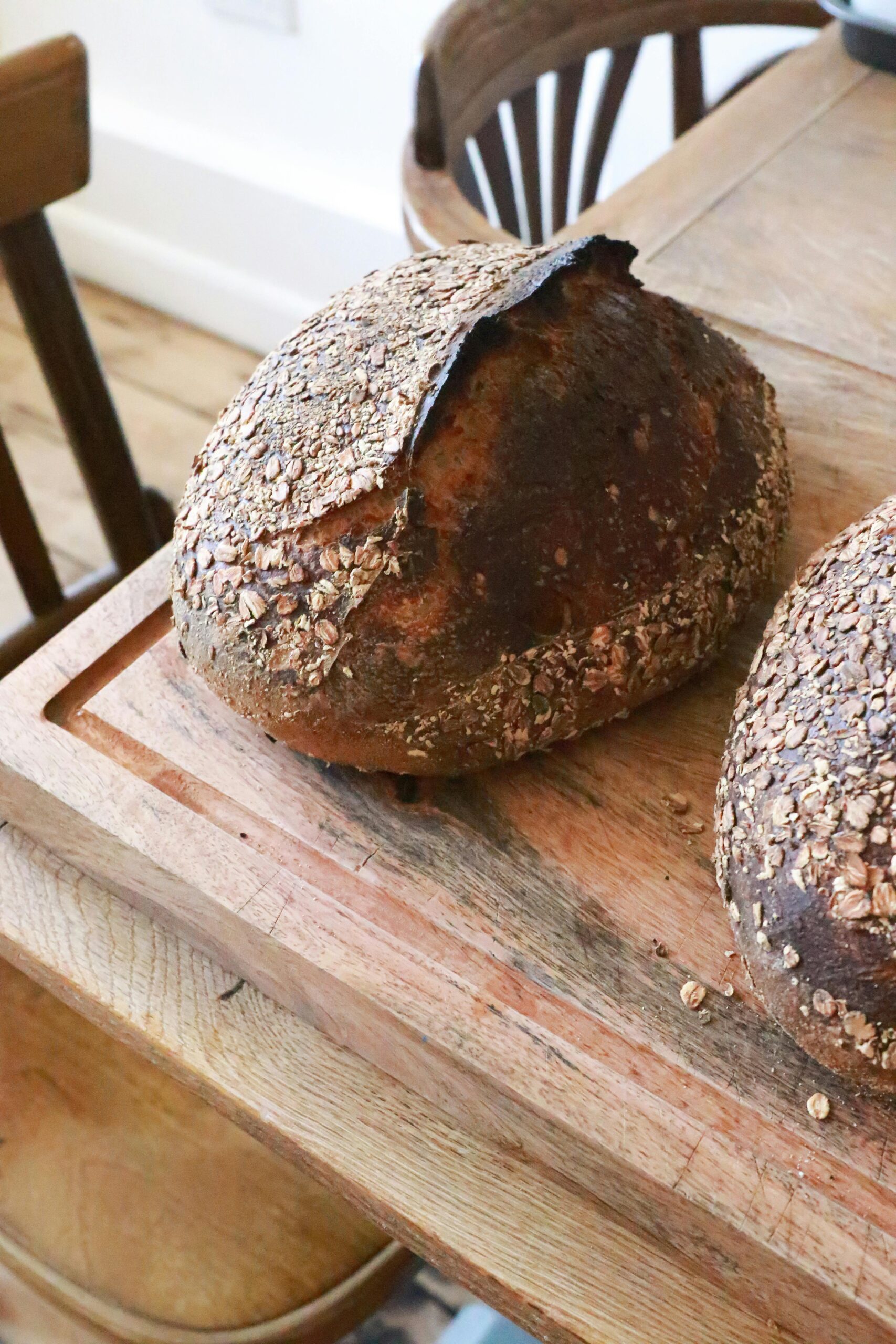
This ultimate sourdough troubleshooting guide will help you understand the most common problems, flat, dense, gummy, and overly sour loaves, and show you how to correct them so your next bake comes out light, flavorful, and beautifully risen. If you are looking for more tips on how to get started with sourdough, I have a beginner guides for sourdough bread, creating a starter, and common sourdough mistakes.
My sourdough was flat and business was slow

When I first started homesteading, my sourdough was dense and flat, my garden struggled, and it seemed like I was scrambling to get people to notice my business, let alone, buy my products. And for a time, I burnt out.
After years of trial and error, analyzing hundreds of businesses from other sectors, and just pure grit...
I created a free Zero to Homestead Skool Community: a place where homesteaders of all levels share wins, troubleshoot challenges, and get guidance from experienced peers. By joining, you’ll access step-by-step guides to build traditional skills (sourdough, fresh milled flour, traditional foods, preserving, livestock, gardening, and more) plus full courses, workshops, and homestead business-building resources with a supportive network to help your homestead thrive.
1. Flat Sourdough Loaves
Common Causes
- Weak or underfed starter
- Overproofing during bulk or final rise
- Not enough gluten development
- Too much hydration for the flour type

How to Fix It
- Feed your starter regularly and bake when it peaks.
- Watch the dough, not the clock; look for a 30–50% rise, not a full doubling, for many whole-grain or fresh milled loaves.
- Add more stretch-and-folds early in bulk fermentation.
- Slightly reduce water if the dough cannot hold its shape.
2. Dense Crumb
Common Causes
- Underfermentation
- Dough too cold
- Insufficient hydration
- Flour with heavy bran content (fresh milled) without enough rest
How to Fix It
- Extend bulk fermentation and ensure the dough is warm enough (around 75°F / 24°C).
- Increase hydration by 5–10%.
- Add an autolyse or soaker step to fully hydrate whole grain flour.
- Strengthen the dough with gentle folds.
3. Gummy or Sticky Interior
Common Causes
- Underbaked loaf
- Cutting while still hot
- Overhydration
- Too much starch gel from long, cool fermentation without enough bake time
How to Fix It
- Bake longer and ensure internal temperature reaches about 205–210°F (96–99°C).
- Allow the loaf to cool completely before slicing.
- Slightly reduce hydration if the crumb stays wet.
- Increase oven temperature during the first part of the bake for better oven spring.

4. Overly Sour Flavor
Common Causes
- Long cold fermentation
- High percentage of starter
- Warm fermentation temperatures
- Mature, acidic starter
How to Fix It
- Shorten bulk or cold proof time.
- Reduce starter amount by 10–20%.
- Ferment at slightly cooler temperatures.
- Feed your starter more frequently to keep it mild.
Reading the Dough Like a Baker
Learning sourdough is less about rigid timing and more about listening: to the dough’s feel, its rise, its aroma. A strong dough feels elastic and alive. A well-fermented dough smells mildly sweet and wheaty with a gentle tang. These cues, more than the clock, guide you toward consistent success.
A Journey Worth Taking
Every flat loaf, dense crumb, or overly sour slice is simply a stepping stone on the path to mastery. With patience, observation, and a few small adjustments, your sourdough will become lighter, more flavorful, and more predictable. The process is slow, but the reward, a loaf that crackles as it cools and fills the kitchen with warmth, is worth every lesson learned.
Join Our Sourdough & Homestead Baking Community
If you’d like hands-on help, deeper lessons, and a supportive place to ask questions, I’d love to invite you into my Skool community. Inside, you’ll find step-by-step sourdough classes, fresh milled flour guides, troubleshooting support, and a group of homesteaders walking this baking journey together. Come learn, share your loaves, and build confidence in your kitchen one beautifully fermented dough at a time.


Comments
No Comments