

Urban homesteading doesn’t require acres of land, a farmhouse kitchen, or a flock of chickens scratching in the yard. It begins much smaller: with a pot of soil, a windowsill, a balcony rail, or a quiet corner of a backyard.

If you’ve ever felt the pull to grow your own food, slow down, or live a little more self-sufficiently right where you are, urban homesteading might already be calling your name.
This beginner-friendly guide will walk you through exactly how to start urban homesteading, even if your space is small, your budget is tight, and your experience is limited.
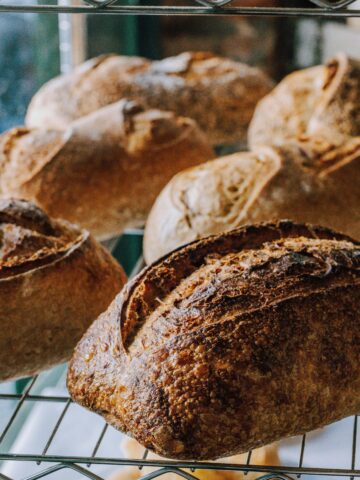
My sourdough was flat and business was slow
When I first started homesteading, my sourdough was dense and flat, my garden struggled, and it seemed like I was scrambling to get people to notice my business, let alone, buy my products. And for a time, I burnt out.
After years of trial and error, analyzing hundreds of businesses from other sectors, and just pure grit...
I created a free Zero to Homestead Skool Community: a place where homesteaders of all levels share wins, troubleshoot challenges, and get guidance from experienced peers. By joining, you’ll access step-by-step guides to build traditional skills (sourdough, fresh milled flour, traditional foods, preserving, livestock, gardening, and more) plus full courses, workshops, and homestead business-building resources with a supportive network to help your homestead thrive.
What Is Urban Homesteading?
Urban homesteading is the practice of growing food, cooking from scratch, and living more intentionally within city or suburban limits.
Instead of focusing on livestock and large plots of land, urban homesteaders:
- Grow food in containers, raised beds, or balconies
- Bake bread and cook whole foods at home
- Preserve what they can in small batches
- Reduce waste and rely less on store-bought convenience
Urban homesteading isn’t about doing everything; it’s about doing what fits your life.
Can You Really Homestead in a Small Space?
Absolutely.
Some of the most productive homesteads are no larger than a patio or porch. With the right approach, even a small space can provide:
- Fresh herbs year-round
- Seasonal vegetables
- Homemade bread and pantry staples
- A sense of independence and rhythm
The key is working with your space instead of against it.
Step 1: Start Where You Are (Not Where You Wish You Were)
One of the biggest beginner mistakes is waiting for “someday.”
Someday when you have land.
Someday when you have more time.
Someday when everything feels perfect.
Urban homesteading begins today with what you already have.
Ask yourself:
- Do I have a balcony, patio, or windowsill?
- Do I have a small backyard or shared outdoor space?
- Do I have a kitchen where I can cook from scratch?
That’s enough to begin.
Step 2: Choose One Simple Starting Point
You don’t need to do everything at once. In fact, starting small is what keeps homesteading sustainable.
Here are a few beginner-friendly urban homesteading starting points:
Grow Herbs in Containers
Herbs are forgiving, productive, and perfect for small spaces.
- Basil
- Rosemary
- Thyme
- Mint
- Chives
Even a single pot can change how you cook.
Grow One Easy Vegetable
Choose something reliable and rewarding:
- Lettuce
- Radishes
- Cherry tomatoes
- Green onions
- Peppers
Learn One From-Scratch Skill
Cooking is just as much a part of homesteading as gardening.
- Sourdough bread
- Homemade broth
- Yogurt or simple ferments
- Scratch meals using seasonal ingredients

Step 3: Use Containers and Vertical Space Wisely
Small-space homesteading thrives on creativity.
Try:
- Fabric grow bags
- Five-gallon buckets
- Window boxes
- Vertical planters
- Trellises for vining plants
Growing up instead of out allows you to maximize harvests without needing more space.
Step 4: Focus on High-Yield Plants
Urban homesteaders benefit most from plants that give generously.
High-yield favorites include:
- Cut-and-come-again greens
- Cherry tomatoes
- Zucchini (one plant goes a long way)
- Herbs
- Pole beans
These plants reward consistent care and make small spaces feel abundant.
Step 5: Build Simple Daily Rhythms
Urban homesteading isn’t about perfection; it’s about rhythm.
A few minutes each day is enough:
- Morning watering
- Harvesting herbs before dinner
- Feeding a sourdough starter
- Planning meals around what you grow
These small moments bring grounding and joy to everyday life.
Step 6: Keep It Affordable and Sustainable
You don’t need fancy tools to homestead well.
Save money by:
- Reusing containers
- Starting seeds instead of buying plants
- Composting kitchen scraps
- Growing what you already eat
Urban homesteading thrives on resourcefulness, not excess.
Common Urban Homesteading Mistakes to Avoid
- Trying to grow too much at once
- Ignoring sunlight needs
- Overwatering containers
- Comparing your space to others
- Waiting until everything feels “ready”
Progress comes from starting small and learning as you go.

Why Urban Homesteading Is Worth It
Urban homesteading offers more than food.
It offers:
- Confidence in your ability to provide
- A deeper connection to seasons
- Healthier meals made with intention
- A slower, more meaningful rhythm of life
And it all begins with one small step.
Ready to Start Your Urban Homestead?
You don’t need land, livestock, or perfection.
You need curiosity, patience, and a willingness to begin.
Whether it’s a pot of herbs on the balcony or a loaf of bread cooling on the counter, urban homesteading starts right where you are.

Comments
No Comments