
Homesteading isn’t all golden sunsets, spotless aprons, and perfectly styled sourdough loaves cooling by an open window.

Real homesteading looks more like muddy boots by the back door, a sink full of canning jars, half-finished fencing projects, and a garden that doesn’t always cooperate. It’s beautiful but not in the polished, filtered way social media often portrays.
If you’ve ever wondered what homesteading really looks like behind the scenes, this is the honest version.
My sourdough was flat and business was slow
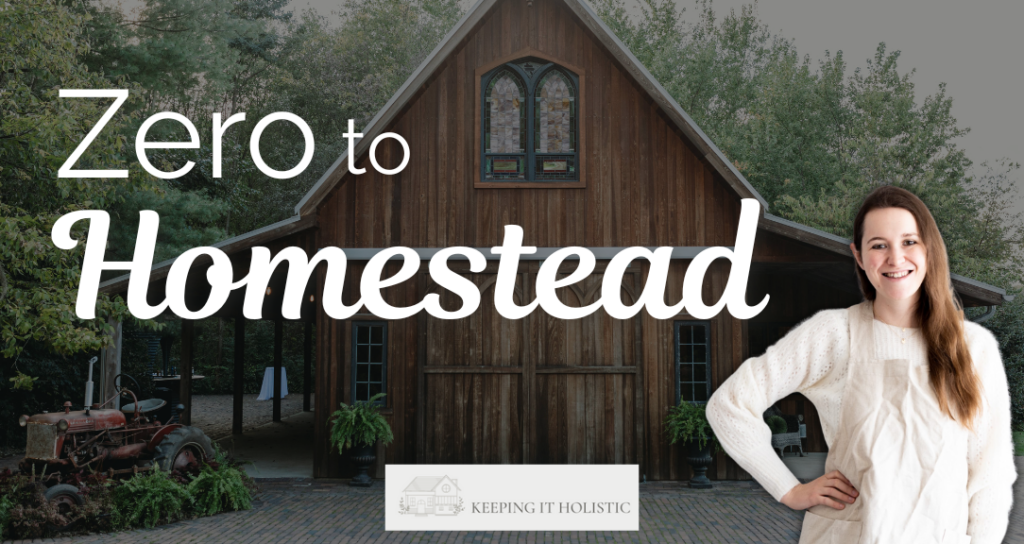
When I first started homesteading, my sourdough was dense and flat, my garden struggled, and it seemed like I was scrambling to get people to notice my business, let alone, buy my products. And for a time, I burnt out.
After years of trial and error, analyzing hundreds of businesses from other sectors, and just pure grit...
I created a free Zero to Homestead Skool Community: a place where homesteaders of all levels share wins, troubleshoot challenges, and get guidance from experienced peers. By joining, you’ll access step-by-step guides to build traditional skills (sourdough, fresh milled flour, traditional foods, preserving, livestock, gardening, and more) plus full courses, workshops, and homestead business-building resources with a supportive network to help your homestead thrive.
Homesteading Is Slow, Not Instant
On Instagram, it can seem like everyone is harvesting overflowing baskets, pulling perfect loaves from the oven, building barns in a weekend, and living completely self-sufficient overnight.
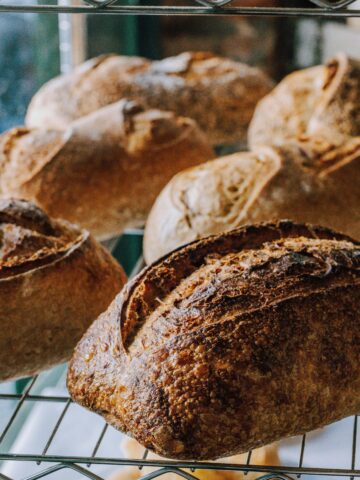
I've often struggled in this respect. My garden, for example, often only yields about 30% of what I plant every year due to bugs and my extreme climate. I used to have consistently flat and dense loaves (as you see above). And I still have many things to learn.
But real homesteading is built one skill at a time.
It’s learning to start seeds after a few failed trays.
It’s baking bread that sometimes turns out dense.
It’s fixing mistakes and trying again next season.
True self-sufficiency grows slowly and that’s a good thing.
The Garden Doesn’t Always Thrive
There are seasons when late frosts wipe out seedlings, hail shreds tender leaves, pests arrive overnight, and tomatoes struggle despite your best effort
Homesteading means working with weather you can’t control. It means replanting. Adjusting. Learning.
The harvest photos are real, but so are the setbacks that came before them.
It’s Not Always Aesthetic
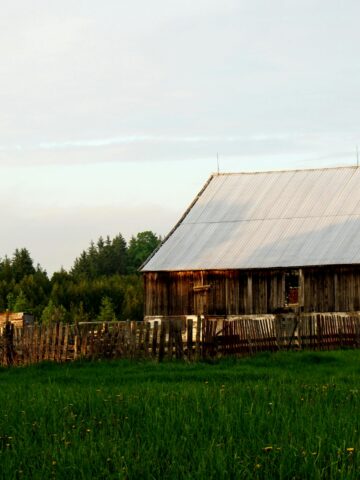
Real homesteads have tools left where you dropped them, soil tracked across the floor, fencing patched together, and laundry hanging beside raised beds.
It’s functional before it’s beautiful.
And sometimes, the most meaningful work doesn’t photograph well.

Homesteading Is Repetitive
Feeding animals happens every day.
Watering seedlings happens every day.
Dishes pile up every day.
It’s less about grand projects and more about consistent, ordinary rhythms.
The work is steady. Quiet. Faithful.
There Are Hard Days
There are days when you question whether it’s worth it, the workload feels heavy, projects take longer than expected, and you feel behind everyone else
Comparison steals joy faster than crop failure ever could.
Social media shows highlights, not the learning curves, the financial realities, or the exhaustion that sometimes comes with growing your own food.
But It’s Still Worth It
Because real homesteading also looks like fresh eggs collected at sunrise, bread made from grain you milled yourself, children learning where food comes from, and a pantry slowly filling through the summer.
It looks like capability.
It looks like resilience.
It looks like choosing a slower, more intentional life even when it’s inconvenient.
Homesteading Is a Skill Set, Not a Scene
It’s not about recreating an aesthetic.
It’s about building systems that feed your family.
You don’t need acres of land.
You don’t need a picture-perfect farmhouse.
You don’t need to do everything at once.
You just need to start where you are.
Plant a few seeds.
Bake one loaf.
Learn one skill at a time.
That’s real homesteading.
Building a Life That’s Sustainable (Not Performative)
The quiet truth is this: homesteading is less about performance and more about preparation.
It’s learning how to:
- Grow food consistently
- Preserve what you harvest
- Cook from scratch
- Reduce dependency
- Build practical systems
Not for likes. Not for applause.
But for stability.

Join My Skool Community
If you’re craving honest, practical homesteading, without the pressure of perfection, I’d love to invite you into my Skool community.
Inside, we focus on real-life skills: seed starting, soil blocking, fresh milled baking, sourdough, fruit tree pruning, seasonal planning, and building systems that actually work in everyday life.
No filters. No comparison. Just steady growth and shared experience.
If you’re ready to build real skills and a resilient home, come join us.
Let’s create a homestead life that’s grounded, capable, and truly sustainable not just Instagram-worthy.

Hi, I’m Victoria!
I document our homesteading journey on YouTube: covering sourdough, fresh milled bread, gardening, and simple living. Click here to watch, learn, and be inspired to start your own homestead at home.
Comments
No Comments