

This post contains affiliate links. This means I earn a small commission at no cost to you. You can view my affiliate disclosure here.
If you’ve ever stood in your kitchen holding a jar of freshly milled flour, you already know it feels different.

There’s a quiet satisfaction in grinding whole wheat berries into flour right before baking. The smell is richer. The bread is heartier. And somehow, the whole process feels more rooted, more intentional.
But once you decide to mill your own flour, the next question always comes up: where do you actually buy wheat berries?
Let’s walk through the best places to find them, what to look for, and how to choose wheat berries that truly belong in a homestead kitchen.
My sourdough was flat and business was slow

When I first started homesteading, my sourdough was dense and flat, my garden struggled, and it seemed like I was scrambling to get people to notice my business, let alone, buy my products. And for a time, I burnt out.
After years of trial and error, analyzing hundreds of businesses from other sectors, and just pure grit...
I created a free Zero to Homestead Skool Community: a place where homesteaders of all levels share wins, troubleshoot challenges, and get guidance from experienced peers. By joining, you’ll access step-by-step guides to build traditional skills (sourdough, fresh milled flour, traditional foods, preserving, livestock, gardening, and more) plus full courses, workshops, and homestead business-building resources with a supportive network to help your homestead thrive.
What Are Wheat Berries?
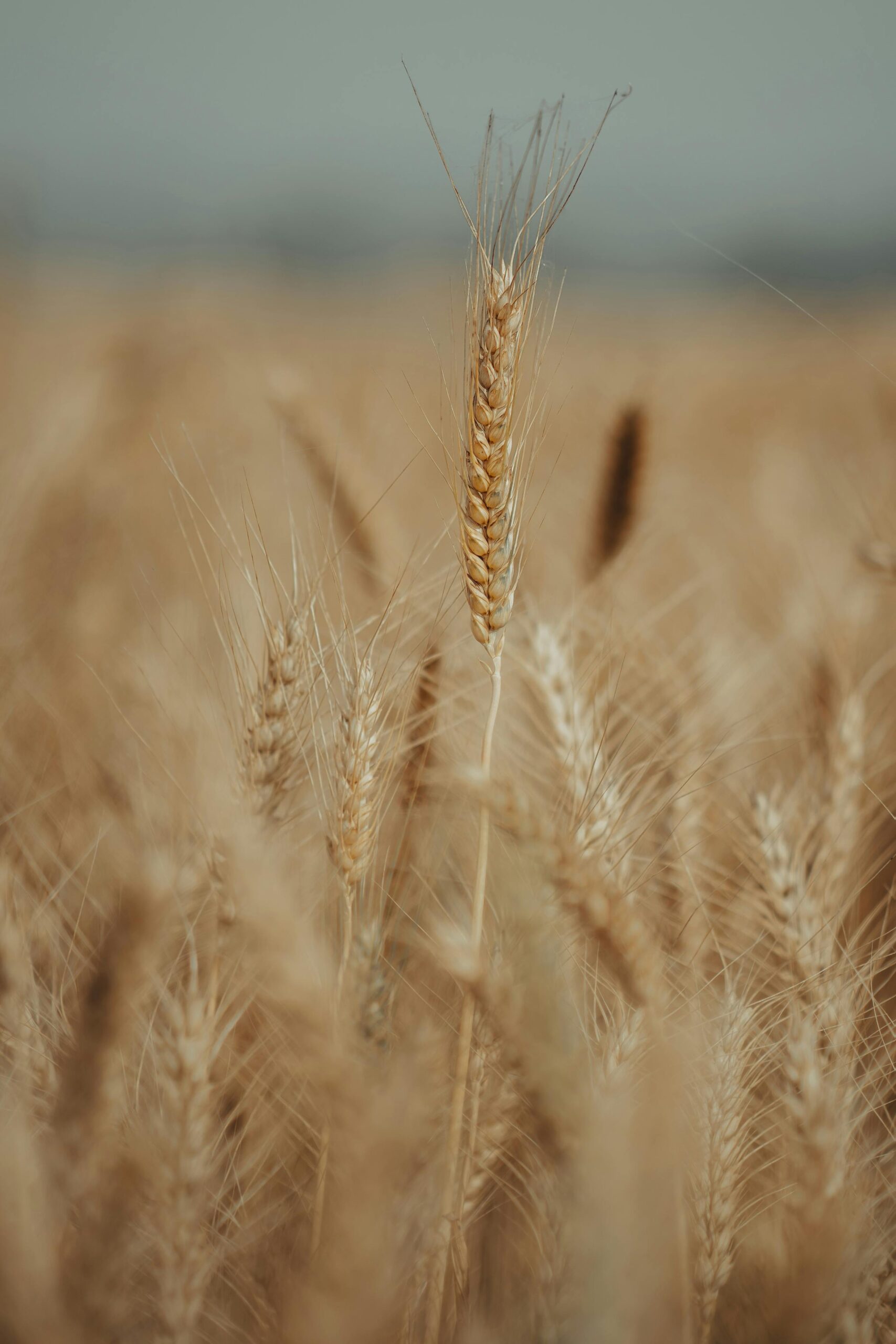
Wheat berries are whole, unprocessed wheat kernels: the part of the grain that contains the bran, germ, and endosperm. Because nothing has been removed, wheat berries store beautifully and can last for years when kept cool and dry.
For homesteaders, they’re a pantry staple:
- Long shelf life
- More affordable in bulk
- Fresher, more nutritious flour when milled at home
If you’re milling flour for bread, sourdough, or everyday baking, wheat berries are the foundation.
Best Places to Buy Wheat Berries for Milling Flour
Not all wheat berries are created equal. The best source depends on how much you bake, how you like to shop, and whether you value local sourcing or bulk storage.
1. Local Grain Mills and Feed Stores
One of the most overlooked places to find wheat berries is right in your own community.
Many local grain mills sell food-grade wheat berries, especially in agricultural areas. Some farm and feed stores also carry wheat labeled specifically for human consumption.
Why homesteaders love this option:
- Supports local farmers
- Often fresher than shipped grain
- No shipping costs
Always ask if the wheat is food-grade, not seed wheat treated for planting.
2. Amish and Mennonite Stores
If you’re lucky enough to have an Amish or Mennonite store nearby, consider it a treasure.
These stores often carry:
- Hard red wheat
- Hard white wheat
- Soft wheat for pastries
Prices are usually reasonable, and the quality is excellent. Many homesteaders rely on these stores for bulk pantry staples.
3. Online Grain Suppliers
For those without local options, online grain suppliers are a reliable choice.
Well-known grain companies specialize in wheat berries for milling and baking, offering:
- Organic and non-organic options
- Multiple wheat varieties
- Bulk sizes for long-term storage
This is often the easiest option for beginners just getting started with fresh milled flour.

4. Warehouse and Bulk Food Stores
Some warehouse clubs and bulk food stores carry wheat berries seasonally or in limited quantities.
This can be a good middle ground:
- Easier to find than local mills
- Often more affordable than small packages
- Suitable for short-term storage
Be sure to check packaging dates and rotate stock regularly.
5. Buying Directly From Local Farmers
In rural areas, some farmers sell wheat berries directly to consumers.
You may find them:
- At farmers markets
- Through farm stands
- By asking around in local homesteading groups
Buying direct is a beautiful way to connect with your food source, but just confirm the grain has been properly cleaned and stored for food use.
Trusted Online Stores That Sell Wheat Berries for Milling
If you don’t have a local mill or bulk store nearby, ordering wheat berries online is a reliable option and many homesteaders use the same trusted sources year after year.
When buying online, look for suppliers that specialize in food-grade grains and clearly label wheat varieties for milling flour.
Some well-known options I often turn to include:
- Azure Standard: great for bulk wheat berries and pickup locations
Bulk wheat berries from Azure Standard - Palouse Brand: known for hard red and hard white wheat grown in the Pacific Northwest
Palouse wheat berries for milling flour - Breadtopia: smaller quantities, ideal for beginners and sourdough bakers
Wheat berries for home milling from Breadtopia - Jovial Foods: einkorn wheat berries and ancient grains
Einkorn wheat berries for milling - Central Milling: high-quality grains from a traditional grain mill
Food-grade wheat berries from Central Milling
These suppliers offer different package sizes, from small bags for beginners to bulk options for long-term pantry storage.
Choosing the Right Wheat Berries for Milling
Once you find a source, the next step is choosing the right type of wheat.
Common Wheat Varieties for Home Milling
- Hard Red Wheat: hearty breads, sourdough
- Hard White Wheat: lighter flavor, sandwich bread
- Soft White Wheat: pastries, cookies, pancakes
- Spelt or Einkorn: ancient grains with unique flavor
Many homesteaders keep more than one variety on hand depending on what they bake most often.
How Much Wheat Should You Buy?
If you’re just starting, a small bag (5–10 pounds) is plenty.
Once you’re milling regularly, buying in bulk makes sense. It's more cost-effective, you have fewer trips or orders, and it has better long-term storage options. Stored properly, wheat berries can last for years without losing quality.
Storing Wheat Berries on the Homestead
Good storage matters just as much as good sourcing.
For best results store in airtight containers, keep cool, dry, and dark, and use food-grade buckets for bulk storage Proper storage protects against moisture, pests, and spoilage and keeps your grain ready whenever you need it.
Is Milling Your Own Flour Worth It?
For many homesteaders, the answer is an easy yes.
Fresh-milled flour has better flavor, higher nutritional value, and gives you control over what goes into your food. Buying wheat berries is a small step that opens the door to more self-reliance and confidence in the kitchen.
It’s not about doing everything perfectly. It’s about learning one skill at a time. If you'd like a more indepth guide, check out my grain milling guide here.
Learn Traditional Skills With Like-Minded Homesteaders
If you’re learning to mill flour, bake bread, or build a more traditional pantry, you don’t have to figure it out alone.
Inside my Skool community, homesteaders share:
- Where they source grains
- Fresh-milled flour tips
- Sourdough and baking advice
- Traditional food skills that fit real life
Join us inside Skool and learn alongside others who are walking the same path: one loaf, one grain, one skill at a time.

Hi, I’m Victoria!
I document our homesteading journey on YouTube: covering sourdough, fresh milled bread, gardening, and simple living. Click here to watch, learn, and be inspired to start your own homestead at home.

Comments
No Comments