

Baking with fresh milled flour is one of the most rewarding changes you can make in your homestead kitchen, but it can also be one of the most confusing at first. If you’ve tried swapping freshly ground wheat for store-bought flour and ended up with dense bread, dry muffins, or heavy cookies, you’re not alone.
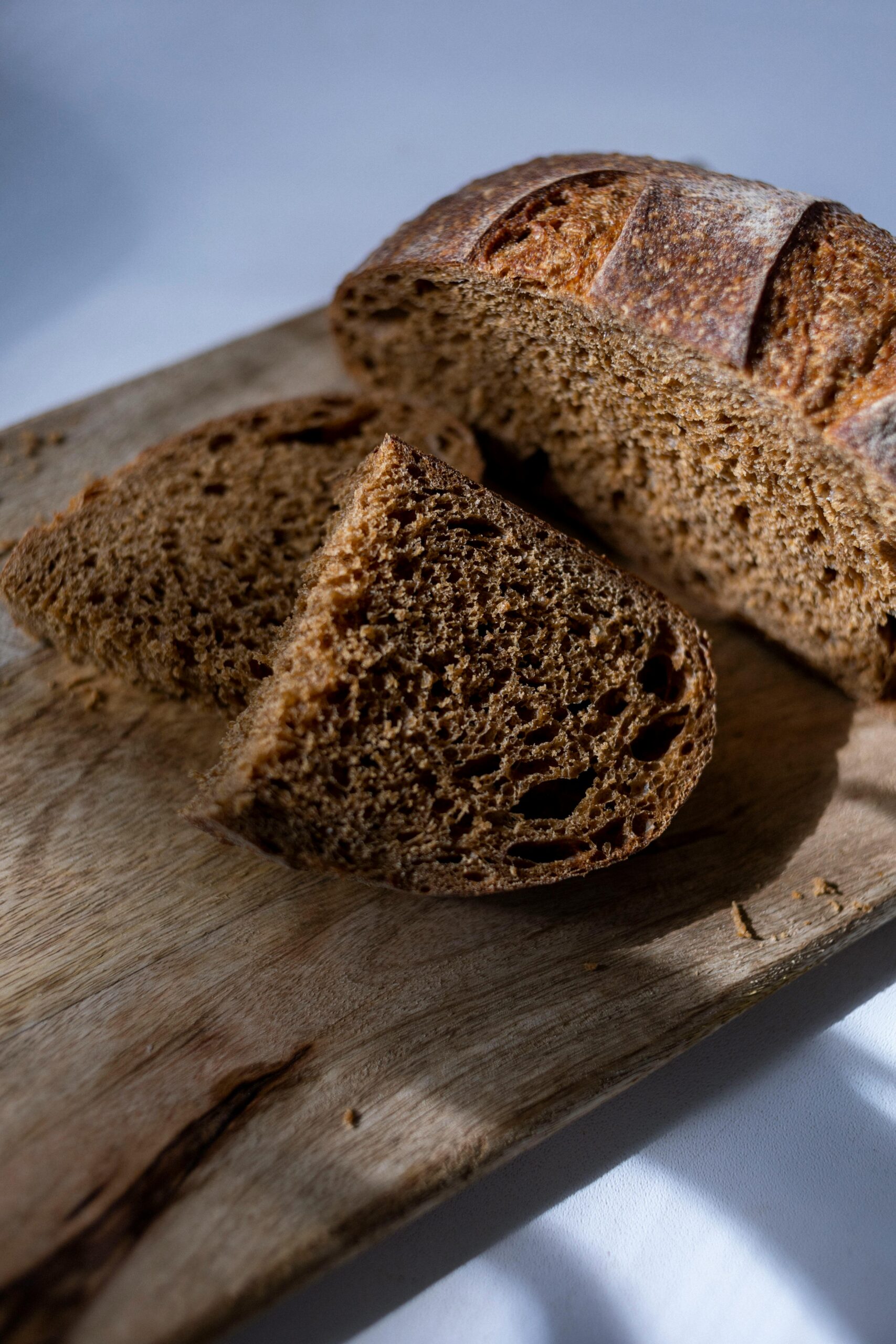
Whole grain flour behaves differently, and most recipes weren’t written with fresh milled flour in mind. In this guide, you’ll learn exactly how to convert any recipe to fresh milled flour, with simple hydration adjustments, resting tips, and grain choices that will help you bake soft, fluffy, and flavorful results every time.
Let’s walk through exactly how to do it so your breads are fluffy, cookies tender, and biscuits light instead of dense and heavy.
My sourdough was flat and business was slow

When I first started homesteading, my sourdough was dense and flat, my garden struggled, and it seemed like I was scrambling to get people to notice my business, let alone, buy my products. And for a time, I burnt out.
After years of trial and error, analyzing hundreds of businesses from other sectors, and just pure grit...
I created a free Zero to Homestead Skool Community: a place where homesteaders of all levels share wins, troubleshoot challenges, and get guidance from experienced peers. By joining, you’ll access step-by-step guides to build traditional skills (sourdough, fresh milled flour, traditional foods, preserving, livestock, gardening, and more) plus full courses, workshops, and homestead business-building resources with a supportive network to help your homestead thrive.
Why Fresh Milled Flour Acts Differently
Fresh milled flour is a whole grain. That means it still contains:
- Bran
- Germ
- Endosperm
Commercial white flour removes the bran and germ, which makes it lighter and more predictable but also less nutritious.
Because fresh milled flour contains all the grain components, it:
- Absorbs more liquid
- Feels heavier in doughs and batters
- Needs more resting time
- Benefits from slightly different mixing techniques
Once you understand this, converting recipes becomes easy and intuitive.
The Basic Conversion Rule
You can substitute fresh milled flour 1:1 by weight for store-bought flour.
But you will almost always need to adjust the liquid and rest time.
Quick Conversion Formula
- Replace all-purpose or whole wheat flour with fresh milled flour at 100%
- Add 5–15% more liquid
- Rest the dough or batter for 10–30 minutes before baking
That’s it. Simple, old-fashioned, and reliable.
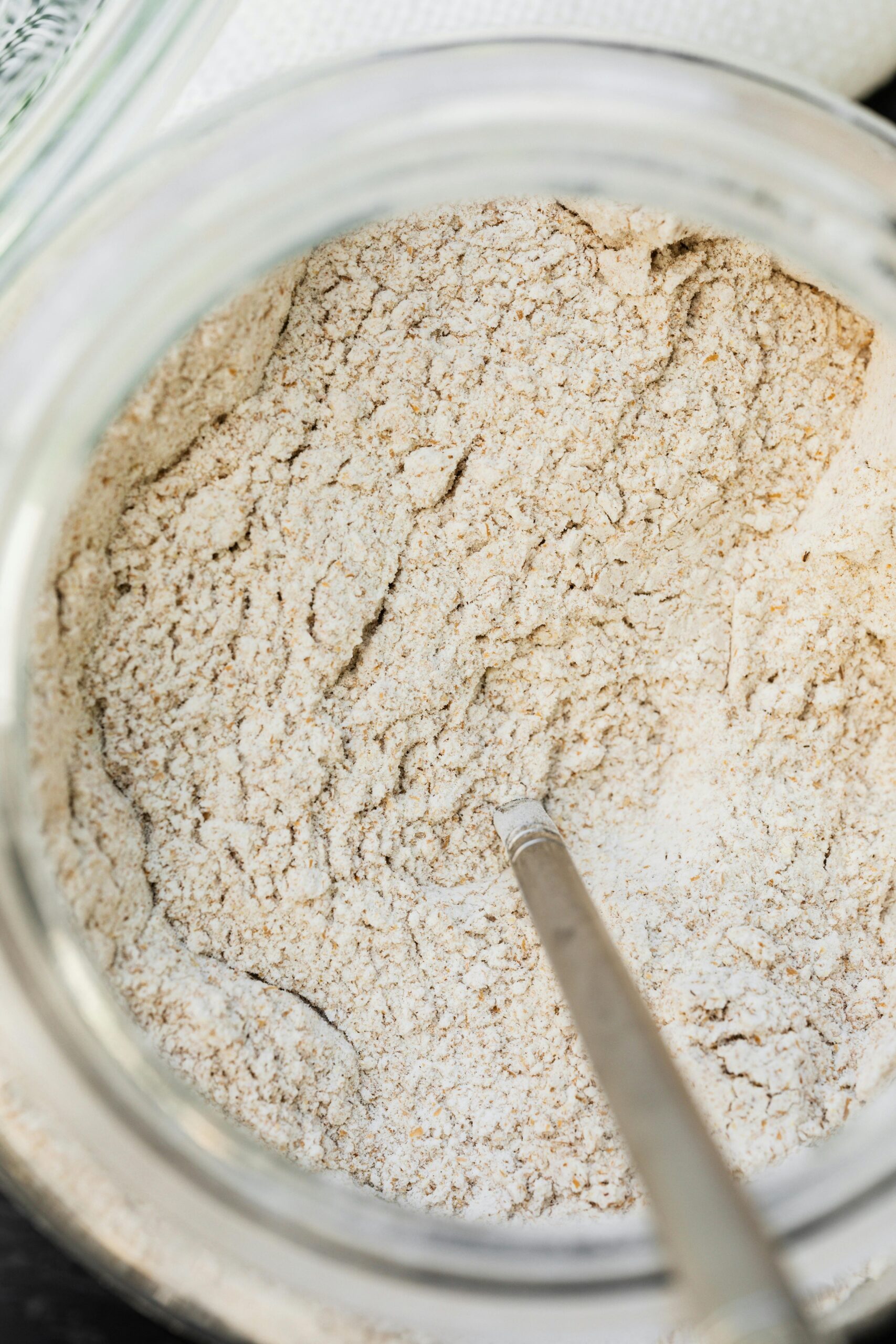
Step 1: Increase the Liquid (Hydration Adjustment)
Fresh milled flour is thirsty. The bran and germ soak up water like a sponge.
How Much Extra Liquid to Add
- Quick breads, muffins, pancakes: +1–3 tablespoons per cup of flour
- Cookies: +1–2 tablespoons per cup of flour (or an extra egg yolk)
- Yeast breads: Increase hydration by 5–10%
Tip: Add liquid slowly. Fresh milled dough should feel soft and slightly tacky, not stiff.
Step 2: Let the Dough Rest (Autolyse for Whole Grain)
This step is where the magic happens.
Letting the flour hydrate before baking softens the bran and improves gluten development.
Rest Times by Recipe Type
- Cookies & muffins: 10–15 minutes
- Quick breads: 15–20 minutes
- Sourdough or yeast bread: 20–60 minutes
This simple pause can turn dense whole grain loaves into fluffy, tender bread.
Step 3: Adjust Mixing & Kneading
Fresh milled flour develops gluten differently.
For Yeast Breads
- Mix gently at first
- Knead until stretchy, not stiff
- Expect slightly longer knead times
For Quick Breads
- Stir just until combined
- Overmixing makes whole grain batters heavy
Rustic baking is forgiving. Embrace the hands-on feel.
Step 4: Use the Right Grain for the Recipe
Not all wheat is the same. Choosing the right grain makes conversion easier.
Best Grains for Baking
- Hard Red Wheat: Hearty breads, sourdough, rustic loaves
- Hard White Wheat: Sandwich bread, rolls, cinnamon buns
- Soft White Wheat: Cookies, cakes, pastries, biscuits
- Spelt/Einkorn: Delicate baked goods with a nutty flavor
If a recipe calls for cake flour or pastry flour, soft wheat or einkorn will give the closest texture.
Common Fresh Milled Flour Mistakes (and Fixes)
Dense Bread
- Add more water
- Extend rest time
- Knead until elastic
Dry Muffins or Cookies
- Add an extra tablespoon of fat or liquid
- Use soft wheat instead of hard wheat
Gummy Crumb
- Bake a little longer
- Cool completely before slicing
- Reduce hydration slightly next time
Whole grain baking is a rhythm. You’ll learn it with every batch.
Can You Convert Any Recipe?
Yes! Almost any recipe can be converted, including:
- Cookies
- Pancakes and waffles
- Quick breads
- Sourdough
- Yeast sandwich bread
- Biscuits and scones
- Cakes (with soft wheat or einkorn)
The key is hydration, resting, and grain choice. If you are looking for a guide on how to convert sourdough recipes to fresh milled flour, I have one here.

Why Baking with Fresh Milled Flour Is Worth It
Fresh milled flour isn’t just trendy; it’s traditional, nourishing, and deeply satisfying.
You get:
- More nutrients
- Better flavor
- Longer-lasting satiety
- A connection to real, old-fashioned food
Once you switch, it’s hard to go back.
Join My Skool Community for Fresh Milled Flour Recipes & Homestead Guides
If you’re diving into fresh milled baking, I share step-by-step recipes, troubleshooting tips, homestead resources, and printable guides inside my Skool community.
Join us for weekly homestead lessons, baking tutorials, and real-life tips to help you build a simple, nourishing kitchen from scratch.

Hi, I’m Victoria!
I document our homesteading journey on YouTube: covering sourdough, fresh milled bread, gardening, and simple living. Click here to watch, learn, and be inspired to start your own homestead at home.


Comments
No Comments