

(A Step-by-Step Guide for Softer Crumb, Better Nutrition, and Old-Fashioned Flavor)
When the grain mill hums and warm wheat berries turn into fragrant flour, you’re stepping into a way of baking that nourished families long before modern bags lined the store shelves. Converting your favorite sourdough recipes to fresh milled flour brings deeper flavor, better nutrition, and that wholesome, rustic character only whole grain can offer but it does require a few thoughtful adjustments.

This guide will walk you through exactly how to adapt any sourdough recipe to fresh milled flour so your loaves rise well, bake beautifully, and taste as good as they look.
Why Bake Sourdough with Fresh Milled Flour?
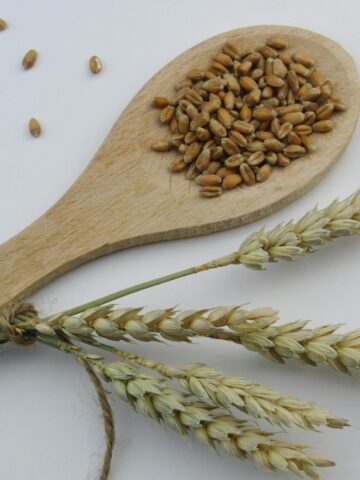
Fresh milled flour contains the entire wheat berry, bran, germ, and endosperm, along with natural oils and living enzymes. When paired with long sourdough fermentation, you get:
- Improved digestibility
- Rich, nutty flavor
- Better mineral absorption
- A more satisfying, hearty crumb
- A truly traditional homestead loaf
My sourdough was flat and business was slow

When I first started homesteading, my sourdough was dense and flat, my garden struggled, and it seemed like I was scrambling to get people to notice my business, let alone, buy my products. And for a time, I burnt out.
After years of trial and error, analyzing hundreds of businesses from other sectors, and just pure grit...
I created a free Zero to Homestead Skool Community: a place where homesteaders of all levels share wins, troubleshoot challenges, and get guidance from experienced peers. By joining, you’ll access step-by-step guides to build traditional skills (sourdough, fresh milled flour, traditional foods, preserving, livestock, gardening, and more) plus full courses, workshops, and homestead business-building resources with a supportive network to help your homestead thrive.
Key Differences Between Store-Bought and Fresh Milled Flour
Before converting a recipe, it helps to understand what changes:
- Higher Water Absorption
Fresh milled flour absorbs more liquid because of the bran and germ. - Weaker Gluten Structure at First
Bran cuts gluten strands, requiring more hydration, rest, and gentle handling. - Faster Fermentation
Natural enzymes and wild yeast activity are often more active.

Step-by-Step: Converting Any Sourdough Recipe
1. Increase Hydration by 5–15%
Start by adding an extra 10–30g of water per 500g of flour. The dough should feel soft and slightly tacky, not stiff.
2. Add an Autolyse or Soaker
After mixing flour and water, let the dough rest 20–60 minutes before adding salt and starter. This allows the bran to fully hydrate and softens the dough.
3. Expect a Longer Bulk Fermentation
Fresh milled flour benefits from slightly longer bulk time to relax the dough and develop structure.
4. Strengthen with Gentle Stretch and Folds
Perform 3–5 sets of stretch-and-folds during the first 2 hours to build gluten without over-kneading.
5. Watch the Dough, Not the Clock
Fresh milled dough may ferment faster or slower depending on temperature and flour type. Look for 30–50% rise, visible bubbles, and a light, aerated feel.
Best Grains for Fresh Milled Sourdough
- Hard Red Wheat – Deep flavor, hearty crumb
- Hard White Wheat – Lighter color, milder taste
- Spelt – Soft texture, easier digestion
- Einkorn – Ancient grain, lower gluten strength
- Kamut (Khorasan) – Buttery, high protein
Blending grains often gives the best structure and flavor.
Common Problems & Fixes
Dense Loaf?
Increase hydration and bulk time.
Dough Spreading?
Add more folds and reduce water slightly.
Gummy Crumb?
Bake longer and allow full cooling before slicing.
Over-Fermentation?
Shorten bulk or reduce starter percentage.

A Return to True Sourdough
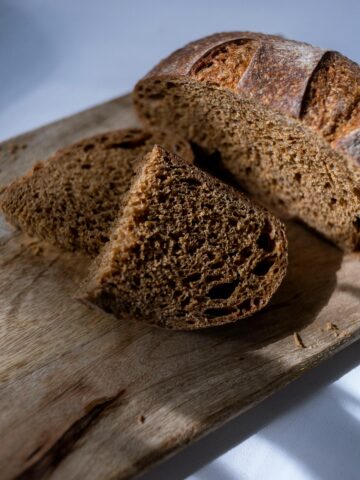
Converting your sourdough recipes to fresh milled flour is more than a technical adjustment. It’s a return to bread as it was meant to be: whole, living, nourishing, and deeply satisfying. With a bit more water, patience, and gentle handling, your familiar recipes will transform into loaves with richer flavor, stronger nutrition, and the unmistakable soul of old-world baking.
Once you bake sourdough with flour milled just moments before mixing, it becomes hard to imagine baking any other way.
If you’re ready to deepen your sourdough skills and learn how to bake confidently with fresh milled flour, I’d love to invite you into my homestead community. Inside, you’ll find step-by-step tutorials, fresh milled and sourdough recipes, troubleshooting help, and a warm group of homesteaders learning these traditional skills together. Come join us and grow your confidence in the kitchen one beautifully risen loaf at a time.


Comments
No Comments