
It's not surprising so many people are drawn to the homesteading lifestyle: morning bread fresh from the oven, gardens overflowing with vegetables, and a life that feels grounded, simple, and self-sufficient. But behind the dream of self-sufficient living, there’s a hard truth: most homesteaders fail.

If you’ve ever wondered why some homesteads thrive while others struggle, you’re not alone. The good news? By understanding the common mistakes and planning wisely, you can create a successful homestead that lasts.
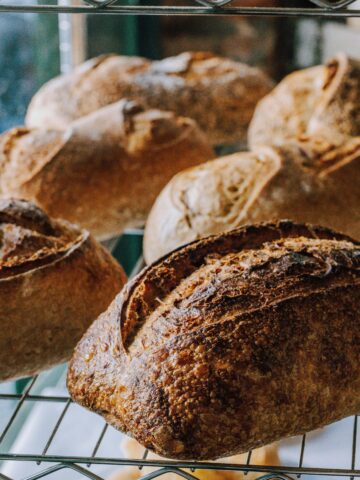
My sourdough was flat and business was slow
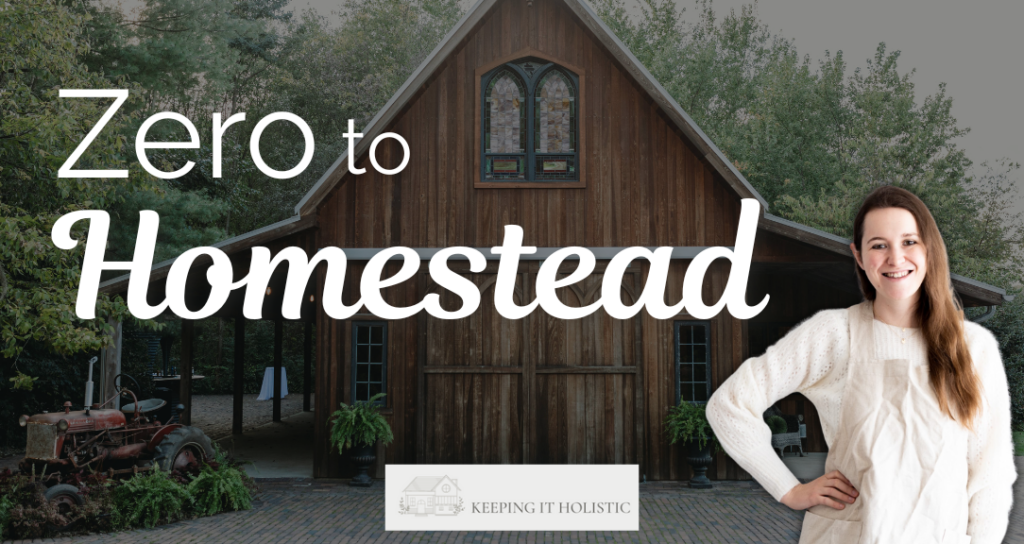
When I first started homesteading, my sourdough was dense and flat, my garden struggled, and it seemed like I was scrambling to get people to notice my business, let alone, buy my products. And for a time, I burnt out.
After years of trial and error, analyzing hundreds of businesses from other sectors, and just pure grit...
I created a free Zero to Homestead Skool Community: a place where homesteaders of all levels share wins, troubleshoot challenges, and get guidance from experienced peers. By joining, you’ll access step-by-step guides to build traditional skills (sourdough, fresh milled flour, traditional foods, preserving, livestock, gardening, and more) plus full courses, workshops, and homestead business-building resources with a supportive network to help your homestead thrive.
The Top Reasons Homesteaders Fail
1. Unrealistic Expectations
Many beginners enter homesteading with the vision of a perfect, self-sufficient homestead but underestimate the time, energy, and skills required. Farming, gardening, baking, and raising animals all demand patience and learning. Expecting instant success often leads to burnout.
2. Lack of Planning and Homestead Systems
A thriving homestead isn’t just a collection of chores. It’s a small business in many ways. Without homestead planning and clear systems, it’s easy to feel overwhelmed. Successful homesteaders track their seasonal workflow, expenses, and priorities, creating structure that keeps life manageable.
3. Ignoring the Business Side of Homesteading
Even if homesteading is primarily a lifestyle choice, costs are unavoidable: feed, seeds, tools, and your time. Many homesteaders fail because they don’t think about potential income streams or budgeting. Treating your homestead like a small farm or micro-business ensures it can be financially sustainable.
4. Isolation and Lack of Community Support
Homesteading can feel lonely. Without mentors, peers, or a supportive homestead community, small problems can feel insurmountable. Many failures come from trying to figure it all out alone.
How to Avoid Failure and Build a Successful Homestead
1. Start Small and Scale Gradually
Focus on one or two projects at first: maybe a small garden, a few chickens, or your first batch of sourdough bread. Master them before expanding. Small, manageable steps prevent overwhelm and increase long-term success.
2. Plan Your Homestead Like a Business
Map out your goals, expenses, and seasonal workflow. Decide what’s essential for daily survival, what could generate income, and what’s purely for joy. Homestead planning is the key to avoiding burnout and building a sustainable lifestyle.
3. Educate Yourself Continuously
Read books, watch tutorials, and take online courses. Mistakes are inevitable, but each one teaches you how to run a more efficient and successful homestead.
4. Build Your Homestead Community
Find mentors, join local co-ops, or connect online. Communities provide advice, encouragement, and accountability. One of the best ways to avoid common homestead mistakes is to learn from those who’ve successfully built their own homesteads.
That’s why I created the Zero to Homestead Skool Community: a place where homesteaders of all levels share wins, troubleshoot challenges, and get guidance from experienced peers. By joining, you’ll access step-by-step guides to build traditional skills (sourdough, preserving, livestock, gardening, and more) plus full courses, workshops, and homestead business-building resources with a supportive network to help your homestead thrive.
The Takeaway
Homesteading isn’t always easy, but failure isn’t inevitable. With realistic expectations, clear planning, continuous learning, and a strong community, you can create a homestead that nourishes both body and soul. The key is to avoid common mistakes, build systems that work for you, and never go it alone.
If you’re ready to stop spinning your wheels and start building a homestead that lasts, join us in the Zero to Homestead Skool Community. Together, we’ll turn your homesteading dreams into a thriving, sustainable reality.
Comments
No Comments