
There’s a quiet pull toward a simpler way of life: one where your hands are busy, your food is homegrown, and your days follow a steady, meaningful rhythm. If you’ve been dreaming about starting a homestead, it’s easy to feel overwhelmed by everything there is to learn.
But the truth is, you don’t need to know everything to begin.
Homesteading is built one skill at a time. And when you start with the right foundational skills, everything else begins to fall into place naturally.
If you’re just getting started, these are the essential beginner homesteading skills worth learning first.
1. Gardening: Growing Your Own Food
At the heart of every homestead is the ability to grow food.
Even a small garden can provide:
- Fresh vegetables
- Herbs for cooking and medicine
- A deeper connection to the seasons
Start simple with easy crops like:
- Lettuce
- Tomatoes
- Zucchini
- Herbs
Focus on learning how to:
- Build healthy soil
- Water consistently
- Harvest at the right time
Gardening teaches patience, observation, and the rhythm of the land.
2. Basic Food Preservation
Growing food is only part of the equation. Preserving it is what makes a homestead sustainable.
Begin with simple methods like:
- Freezing
- Dehydrating
- Water bath canning
As you gain confidence, you can explore:
- Pressure canning
- Fermentation
Learning to preserve food allows you to enjoy your harvest long after the growing season ends.
3. Cooking From Scratch
A homestead kitchen is built on simple, nourishing meals made from basic ingredients.
Learning to cook from scratch helps you:
- Save money
- Avoid processed foods
- Make the most of what you grow
Start with:
- Homemade bread
- Simple soups
- Seasonal meals
Over time, your kitchen becomes a place of creativity and comfort.
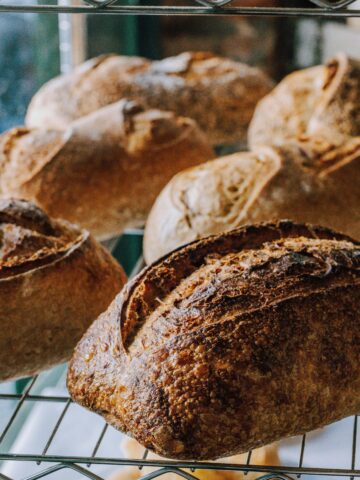
4. Sourdough Baking
Sourdough is one of the most rewarding skills for beginners.
With just flour, water, and time, you can create:
- Bread
- Pancakes
- Crackers
- Baked goods
It teaches patience and consistency and once you learn it, it becomes part of your daily rhythm.
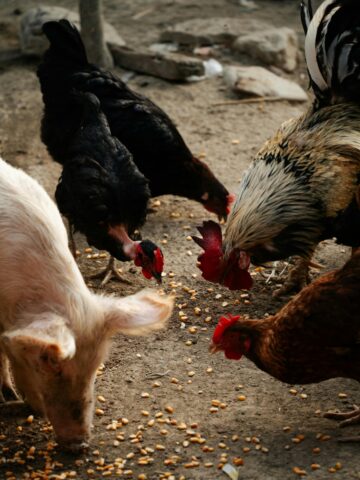
5. Raising Backyard Animals (Start Small)
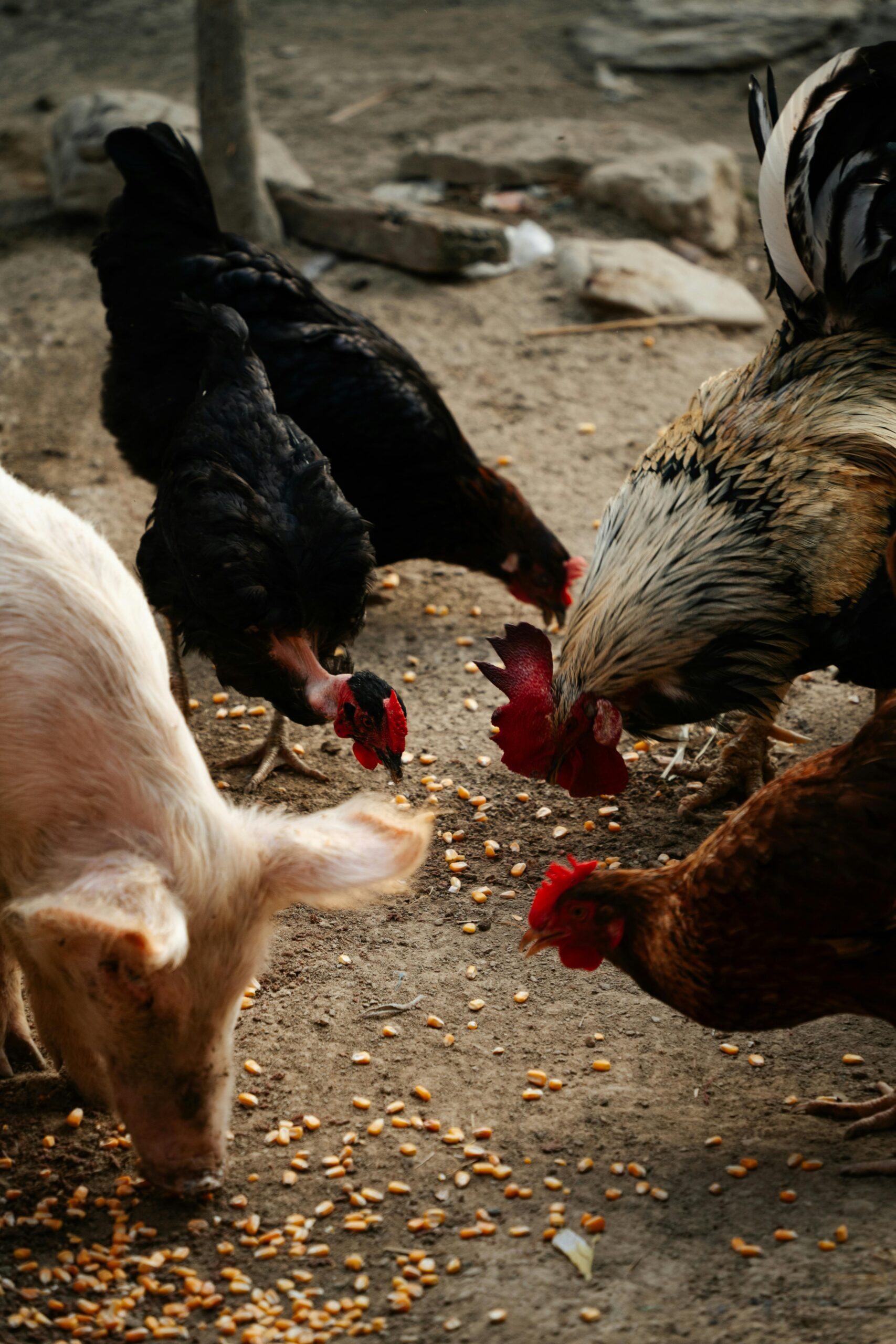
Animals can be a valuable part of a homestead, but it’s best to start small.
Chickens or ducks are great beginner options because they provide:
- Fresh eggs
- Natural pest control
- Fertilizer for your garden
Before bringing animals home, learn about:
- Housing
- Feeding
- Daily care
Starting small allows you to build confidence without becoming overwhelmed.
6. Composting and Soil Building
Healthy soil is the foundation of everything on a homestead.
Composting helps you:
- Reduce waste
- Build rich, fertile soil
- Improve garden productivity
You can start with:
- Kitchen scraps
- Yard waste
- Leaves and grass clippings
Over time, compost becomes one of your most valuable resources.
7. Water Management
Water is essential to every part of homesteading.
Learning how to manage it well includes:
- Efficient watering methods
- Collecting rainwater (where allowed)
- Conserving water in dry seasons
Simple systems like drip irrigation or mulching can make a big difference.
8. Simple DIY and Repair Skills
Homesteading often requires a bit of creativity and problem-solving.
Basic skills like:
- Fixing fences
- Building simple structures
- Repairing tools
…can save money and keep your homestead running smoothly.
You don’t need to be an expert, just willing to learn as you go.
9. Time Management and Routine
Homesteading isn’t just about skills; it’s about rhythm.
Creating simple daily routines helps you stay consistent with:
- Animal care
- Garden maintenance
- Food preparation
A steady routine makes the workload feel manageable and keeps everything running smoothly.
10. Learning to Start Where You Are
Perhaps the most important homesteading skill isn’t something you can measure.
It’s the ability to start where you are.
You don’t need:
- Acres of land
- Expensive equipment
- Years of experience
You can begin with:
- A small garden
- A few jars of preserved food
- A loaf of homemade bread
Each small step builds confidence and moves you closer to the life you’re creating.
Building a Homestead One Skill at a Time
Homesteading isn’t about doing everything at once. It’s about learning, growing, and building a life that feels steady and meaningful.
As you begin to develop these foundational skills, you’ll find that each one connects to the next.
- Gardening leads to preserving
- Preserving leads to cooking
- Cooking leads to baking
- Baking leads to sharing
And before long, those small beginnings grow into something lasting.
A Simpler Way Forward
If you’ve been waiting for the perfect time to start homesteading, this is your reminder that you don’t need to wait.
Start small. Learn slowly. Let your skills grow alongside your confidence.
Because in the end, homesteading isn’t about perfection. It’s about building a life rooted in simple, meaningful work and the quiet satisfaction of doing things for yourself.

Hi, I’m Victoria!
I document our homesteading journey on YouTube: covering sourdough, fresh milled bread, gardening, and simple living. Click here to watch, learn, and be inspired to start your own homestead at home.
Comments
No Comments