
It's critical to have a small homestead layout done well. A thoughtfully planned space, even on a modest piece of land, can provide an incredible amount of food, beauty, and purpose. Chickens scratching near the garden, herbs growing beside the kitchen door, fruit trees casting afternoon shade… it doesn’t take endless acreage to create a productive homestead.
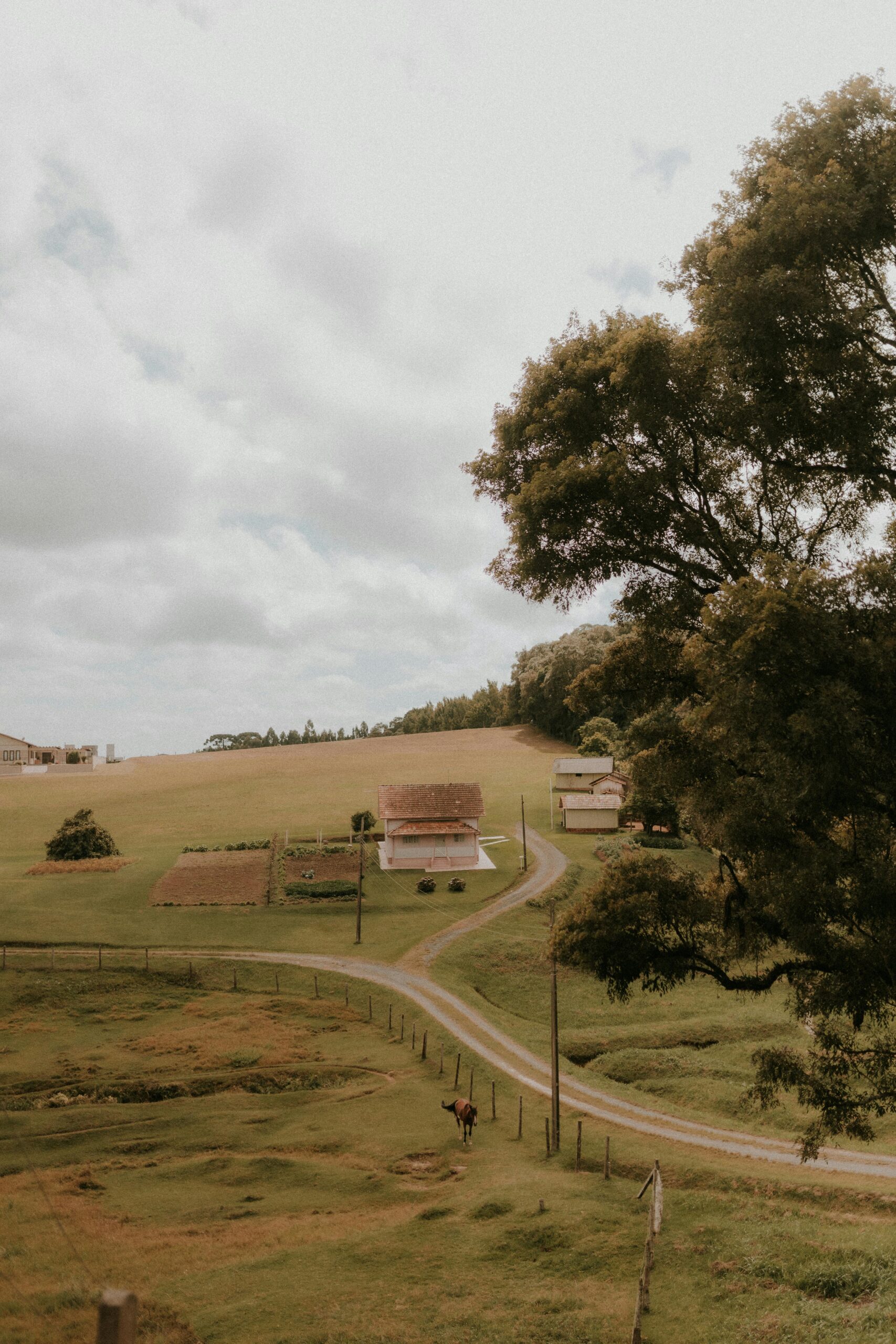
In fact, small homesteads often work better because every corner is used intentionally.
Whether you’re working with a suburban backyard, one acre, or a compact rural property, the right layout can make daily chores easier, improve harvests, and help your homestead feel peaceful instead of overwhelming.
Why Homestead Layout Matters
A good homestead layout saves time, energy, and frustration. When gardens, animals, water sources, and storage areas are placed thoughtfully, everyday tasks become simpler and more sustainable.
A well-planned small homestead can reduce walking back and forth, improve water efficiency, and simplify animal care. It also can maximize growing space, make harvesting easier, and create a more beautiful, functional property.
The goal isn’t perfection. It’s creating a space that works with your daily life and natural rhythms.
Start with the Areas You Use Most
One of the biggest mistakes new homesteaders make is placing important areas too far apart.
Think about what you use every single day like kitchen herbs, compost, chicken coop, vegetable garden, and water access. These high-use areas should stay close to the house whenever possible.
Traditional homesteads were often designed around convenience because daily chores add up quickly. A shorter walk to collect eggs on a rainy morning matters more than many people realize.
Zone Your Homestead Like an Old Farmstead
A simple zoning system can make even a tiny property feel efficient and organized.
Zone 1: Closest to the House
This is where daily-use spaces belong:
- Herb gardens
- Salad greens
- Compost bins
- Clothesline
- Small greenhouse
- Rain barrels
These are the spaces you’ll visit constantly.
Zone 2: Main Production Areas
This area is ideal for:
- Raised beds
- Larger vegetable gardens
- Berry patches
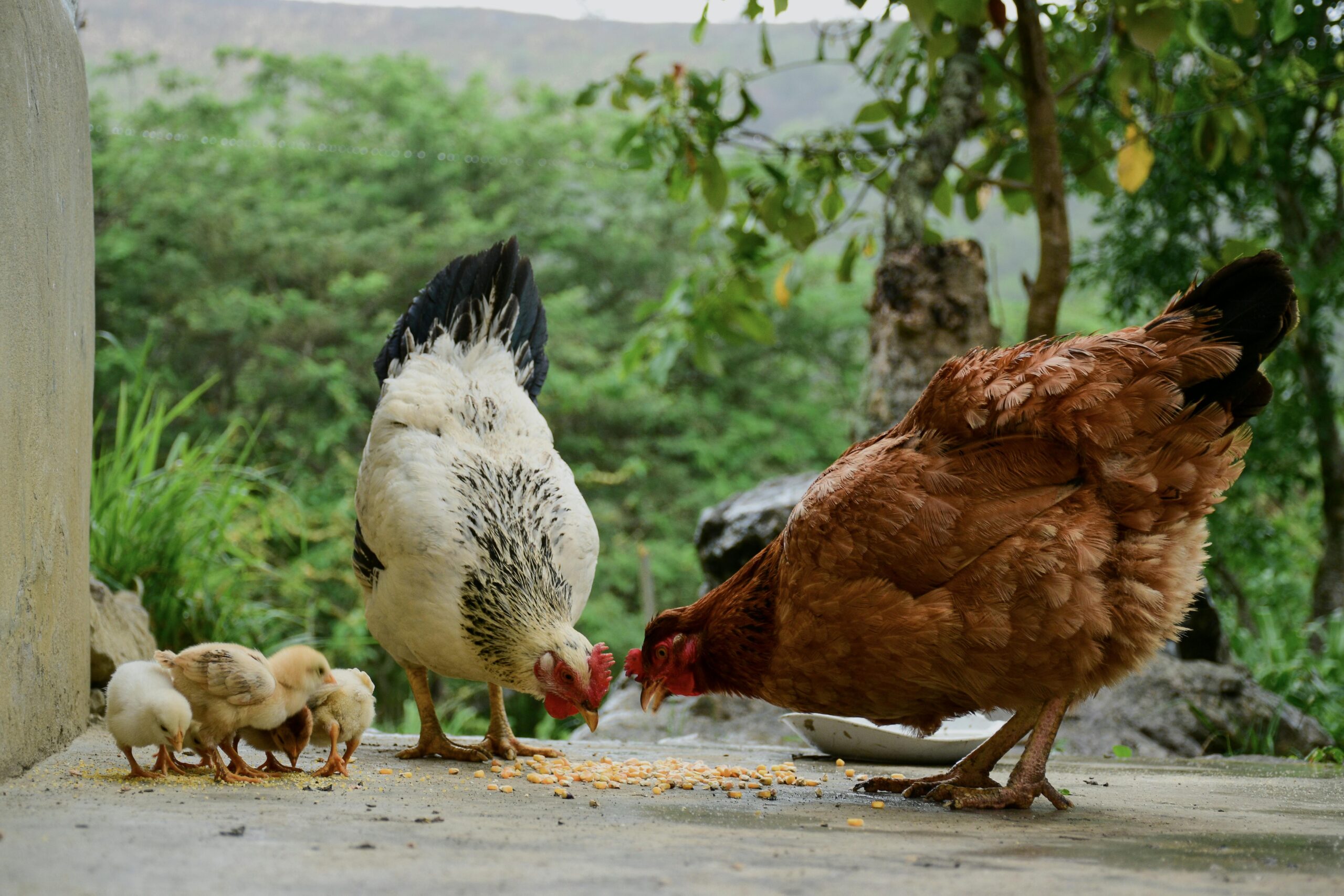
- Chicken coops
- Small livestock shelters
These spaces still need regular attention but not necessarily multiple times per day.
Zone 3: Orchard & Long-Term Crops
If space allows, place lower-maintenance plants farther away:
- Fruit trees
- Grapes
- Asparagus
- Perennial herbs
- Larger compost systems
These areas often require seasonal rather than daily care.
Keep Water in Mind from the Beginning
Water access can make or break a homestead layout.
Dragging hoses across the property quickly becomes exhausting in summer heat. When planning your layout place gardens near water access, use rain barrels whenever possible, group thirsty plants together, and consider drip irrigation for efficiency.
Even small changes can save enormous amounts of time and labor over a growing season.
Raised Beds Work Well on Small Homesteads
Raised beds are especially useful in compact spaces because they maximize production, reduce weeds, improve soil quality, simplify pathways, and make succession planting easier.
A few thoughtfully arranged raised beds can produce surprising amounts of food on a small property.
Many homesteaders prefer arranging beds in blocks rather than long rows to improve accessibility and reduce wasted space.
Vertical Growing Makes a Huge Difference
When space is limited, growing upward changes everything.
Vertical gardening works beautifully for:
- Cucumbers
- Pole beans
- Tomatoes
- Peas
- Grapes
Trellises, arches, cattle panels, and fences help increase yields without taking up valuable ground space.
Vertical growing also adds charm and visual structure to the homestead.
Don’t Overcrowd Animals
It’s tempting to squeeze in more animals than the land comfortably supports, especially on a small homestead. But overcrowding often leads to muddy conditions, stress, odor, and extra work.
Instead start small, allow room for rotation, keep coops accessible, and plan for manure management.
A smaller, healthier flock is usually easier and more productive than trying to maximize numbers too quickly.
Blend Beauty with Function
Practical spaces can still feel beautiful.
Some of the most inviting homesteads include flower borders around vegetable gardens, cottage-style pathways, and herbs planted near walkways. I also love when fruit trees are incorporated into landscaping and when climbing roses are placed on fences or trellises.
A functional homestead doesn’t have to feel purely utilitarian. Beauty encourages you to spend more time outdoors and enjoy the work.
Leave Space for Growth
One of the wisest things you can do is leave a little room for future projects.
Homesteads naturally evolve over time. What feels perfect the first year may shift as your skills, interests, and needs grow.
You may eventually want more garden space, additional fruit trees, a greenhouse, bees, and ducks or goats. Leaving flexibility in your layout prevents expensive rearranging later.
Small Homesteads Can Be Abundant
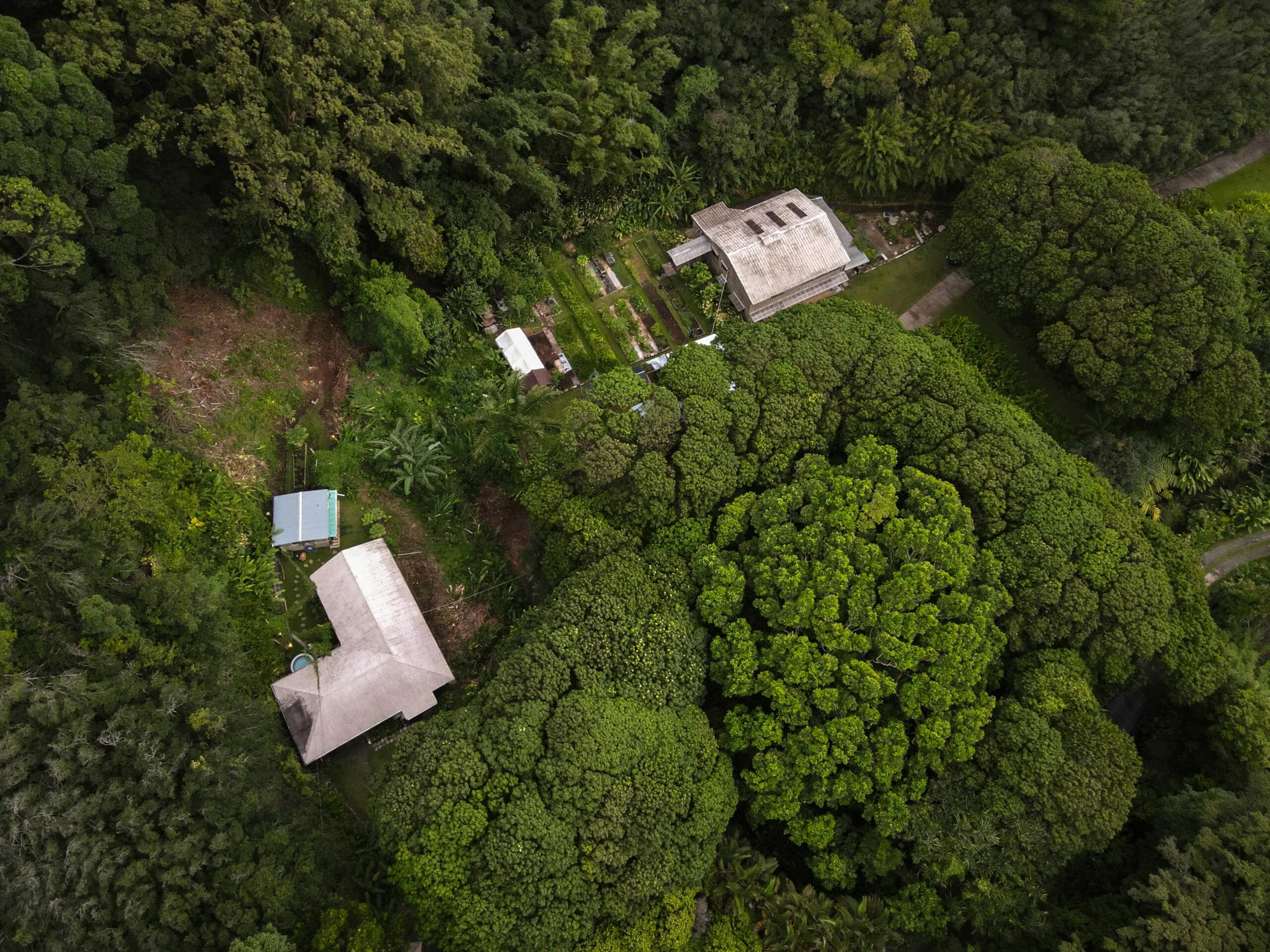
A productive homestead isn’t measured in acres. Some of the most abundant homesteads are small, intentional, and deeply cared for.
A few raised beds, a flock of chickens, herbs by the kitchen door, and fruit ripening in summer sunlight can provide more nourishment and satisfaction than people often expect.
The beauty of a small homestead is that it teaches stewardship on a manageable scale one thoughtful corner at a time.

Hi, I’m Victoria!
I document our homesteading journey on YouTube: covering sourdough, fresh milled bread, gardening, and simple living. Click here to watch, learn, and be inspired to start your own homestead at home.
Virse AI says
The zone 1 and zone 2 split makes practical sense, especially keeping water and compost near the beds you visit every day. I work on yard layout tools at Virse, and when sketching a small site I find it easy to place everything neatly but forget the routes a wheelbarrow or hose needs. Do you plan those working paths before assigning space to beds and a coop, or adjust them once you've used the site for a season?