
For many aspiring homesteaders, buying land is the first step toward a simpler, more self-sufficient life. It's easy to imagine the finished picture: a thriving garden, chickens scratching in the yard, fruit trees in bloom, and a farmhouse porch overlooking the land you've worked hard to cultivate.
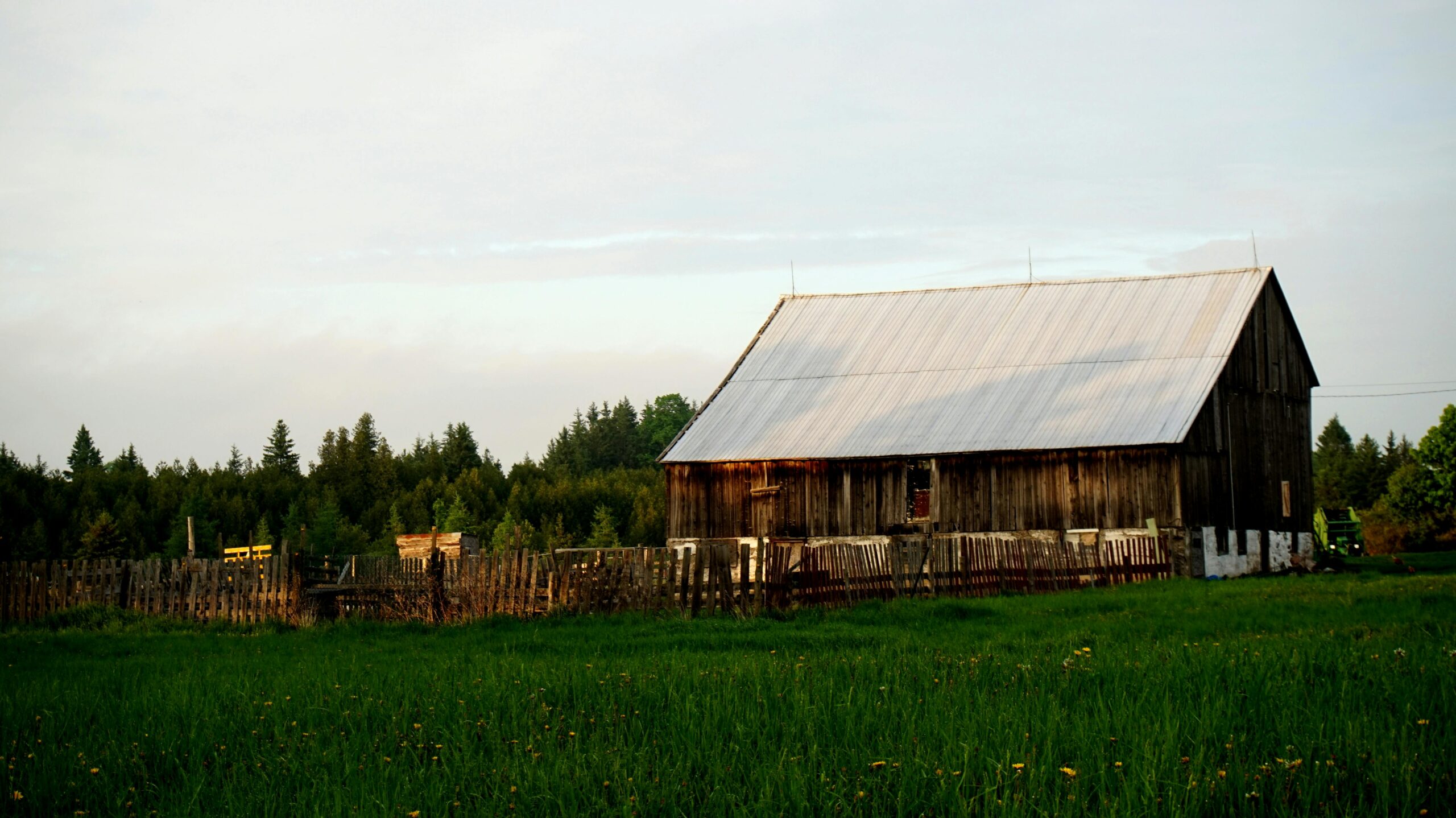
But before the first seed is planted or the first fence is built, there's an important decision to make: choosing the right property.
Buying land for a homestead is about much more than finding acreage at a good price. The best homestead land supports your goals, fits your budget, and provides the resources needed to build the life you envision.
Whether you're looking for a few acres or a larger farmstead, here's what to consider before purchasing homestead land.
Start with Your Homesteading Goals
Before you begin browsing listings, spend time thinking about how you want your homestead to function.
Ask yourself:
- Do you want a large vegetable garden?
- Will you raise chickens, goats, or larger livestock?
- Are fruit trees or orchards important?
- Do you plan to work from home?
- Do you want complete self-sufficiency or simply a slower lifestyle?
Your answers will help determine the type of land that best fits your needs.
A family focused on gardening may thrive on two acres, while someone planning to raise cattle may require significantly more.
Determine Your Budget
It's easy to focus solely on the purchase price, but the cost of land often extends beyond the initial investment.
Consider:
- Property taxes
- Utilities
- Septic systems
- Well installation
- Driveway construction
- Fencing
- Barns and outbuildings
- Land improvements
Leave room in your budget for the infrastructure needed to make the property functional.
Sometimes a slightly smaller property with existing improvements is a better investment than a larger undeveloped parcel.
Prioritize Water Access
If there is one feature that can make or break a homestead, it's water.
Look for properties with:
- Existing wells
- Reliable groundwater
- Springs
- Ponds
- Creeks
- Rainwater collection potential
Without adequate water, gardening, livestock, and everyday living become significantly more difficult.
Water is often more important than acreage.
Evaluate Soil Quality
Beautiful land isn't always productive land.
Before purchasing property, investigate the soil type, drainage, fertility, and past land use. If possible, collect soil samples for testing.
Rich soil can dramatically reduce the time and expense required to establish gardens, orchards, and pasture.
Consider Sunlight and Growing Conditions
Pay attention to how sunlight moves across the property.
Ideal homestead land often includes open areas for gardening, full-sun locations for crops, protection from harsh winds, and good air circulation.
A property with ample sunlight provides greater flexibility for food production.
Check Zoning and Restrictions
One of the most important steps is researching local regulations.
Verify:
- Agricultural zoning
- Livestock allowances
- Building restrictions
- Home business regulations
- Water rights
The perfect property can quickly become frustrating if local rules prevent you from pursuing your homesteading goals.
Always investigate regulations before making an offer.
Think About Access and Infrastructure
Remote properties can be appealing, but practical access matters.
Consider:
- Road conditions
- Emergency services
- Internet availability
- School access
- Grocery stores and supplies
- Medical facilities
A balance between privacy and convenience often makes daily life easier.
Walk the Property Thoroughly
Photos and online listings rarely tell the whole story.
Visit the property in person whenever possible.
Pay attention to:
- Standing water
- Erosion
- Flood-prone areas
- Existing vegetation
- Wildlife activity
- Neighboring properties
Walk every corner of the land to gain a better understanding of its strengths and challenges.
Look for Existing Improvements
Certain features can save thousands of dollars and years of work.
Valuable improvements include:
- Wells
- Septic systems
- Fencing
- Barns
- Storage buildings
- Established fruit trees
- Mature shade trees
These features can accelerate your homesteading journey significantly.
Don't Overlook Small Acreage
Many new homesteaders assume they need dozens of acres to succeed.
In reality, productive homesteads can thrive anything from 1 acre to 10 acres.
A well-managed small homestead often produces more than a poorly managed large property. So focus on quality and functionality rather than simply acreage.
Consider Future Growth
Even if your current plans are modest, think about where you may be in five or ten years.
You may eventually want more livestock, additional gardens, greenhouses, orchards, beehives, and workshops. Choosing a property with room to grow can prevent costly moves later.
Trust the Land, Not Just the Listing
Buying homestead land is both a practical and deeply personal decision.
The best property isn't always the largest or the most picturesque. It's the one that supports the life you hope to build.
When you walk a piece of land that feels right, you often begin to imagine the future unfolding there: rows of vegetables, baskets of eggs, fruit trees swaying in the breeze, and seasons spent working alongside the rhythms of nature.
Take your time, ask questions, and choose wisely. A good piece of land can serve your family for generations.

Hi, I’m Victoria!
I document our homesteading journey on YouTube: covering sourdough, fresh milled bread, gardening, and simple living. Click here to watch, learn, and be inspired to start your own homestead at home.

Comments
No Comments