

The gentle hum of a grain mill and the warm, nutty aroma of freshly ground wheat have a way of slowing the day and bringing you back to the heart of the kitchen. Baking with fresh milled flour is an old skill, rooted in generations of home bakers who knew the value of whole grain, simple ingredients, and patient hands. If you’re new to milling your own grain, this beginner’s guide will help you understand the process, avoid common mistakes, and start baking with confidence.

Why Bake with Fresh Milled Flour?
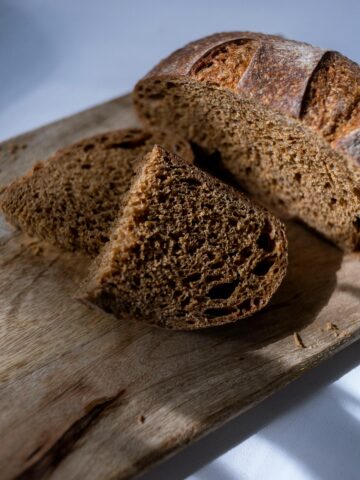
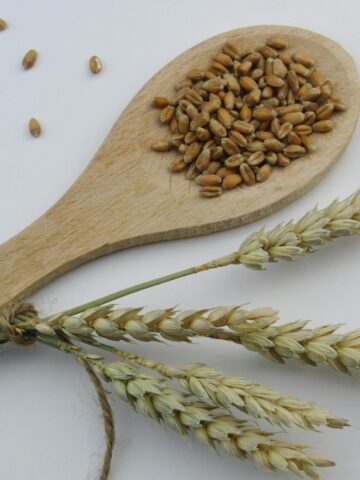
Fresh milled flour is made by grinding whole wheat berries just before baking. Unlike store-bought flour, it still contains the bran, germ, and natural oils, which means:
- Richer, deeper flavor
- Higher vitamin and mineral content
- Better texture in long-fermented doughs
- A more satisfying, nourishing loaf
Once you taste bread and pastries made from freshly ground grain, it’s hard to go back.
My sourdough was flat and business was slow

When I first started homesteading, my sourdough was dense and flat, my garden struggled, and it seemed like I was scrambling to get people to notice my business, let alone, buy my products. And for a time, I burnt out.
After years of trial and error, analyzing hundreds of businesses from other sectors, and just pure grit...
I created a free Zero to Homestead Skool Community: a place where homesteaders of all levels share wins, troubleshoot challenges, and get guidance from experienced peers. By joining, you’ll access step-by-step guides to build traditional skills (sourdough, fresh milled flour, traditional foods, preserving, livestock, gardening, and more) plus full courses, workshops, and homestead business-building resources with a supportive network to help your homestead thrive.
Choosing the Right Wheat Berries
For beginners, start with:
- Hard White Wheat – Mild flavor, great for bread and rolls
- Hard Red Wheat – Classic hearty wheat taste
- Soft White Wheat – Perfect for pancakes, cookies, and pastries
- Einkorn or Spelt – Ancient grains with unique flavor and softer gluten
Keeping a few types on hand lets you match the grain to the recipe.
Understanding Hydration and Dough Feel
Fresh milled flour absorbs more water than commercial flour. Expect your dough to feel:
- Softer and slightly stickier at first
- More elastic after resting
- Stronger with gentle stretch-and-folds
Allowing the dough to rest (autolyse) for 20–60 minutes before adding salt or yeast helps fully hydrate the bran and improves structure.
Simple Tips for Baking Success
- Increase liquid by 5–15% when converting recipes
- Let dough rest before kneading
- Use warm (not hot) water for better fermentation
- Be patient with rise times
- Watch the dough, not just the clock

Best Beginner Recipes for Fresh Milled Flour
- Sandwich bread
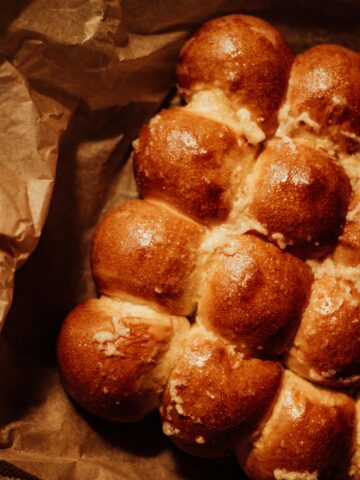
- Dinner rolls
- Pancakes and waffles
- Sourdough loaves
- Banana bread and muffins
These recipes are forgiving and showcase the flavor of whole grain.
Frequently Asked Questions – Baking with Fresh Milled Flour
Is fresh milled flour the same as whole wheat flour from the store?
Not exactly. Fresh milled flour is ground from whole wheat berries just before baking, so it still contains all the natural oils and nutrients that begin to fade in store-bought whole wheat flour over time.
Do I need a special mill to bake with fresh milled flour?
A home grain mill is recommended for consistent results, but some high-powered blenders can grind small amounts. A true mill produces finer, more even flour.
Does fresh milled flour need to be sifted?
Sifting is optional. Leaving the bran in keeps all the nutrition, while sifting some out can create lighter-textured breads and pastries.
Why does dough made with fresh milled flour feel stickier?
The bran and germ absorb more liquid and take longer to hydrate. After resting, the dough will feel smoother and easier to handle.
Can I substitute fresh milled flour 1:1 for all-purpose flour?
You can start with a 1:1 swap, but most recipes need additional liquid and sometimes longer fermentation for best results.
How long does fresh milled flour stay fresh?
It’s best used within a few days, or stored in the freezer for several months to preserve the natural oils.
Which wheat is best for beginners?
Hard white wheat is a great place to start because it has a mild flavor and good gluten strength for bread.
Can I use fresh milled flour for cakes and cookies?
Yes. Soft white wheat is ideal for tender baked goods like pancakes, muffins, cookies, and cakes.

A Return to Real Baking
Baking with fresh milled flour is more than a technique. It’s a return to slower, more intentional food. Each loaf carries the nourishment of the whole grain and the quiet satisfaction of knowing exactly where your flour came from and how it was made.
Join Our Fresh Milled Baking Community
If you’d like to go deeper into baking with fresh milled flour, I’d love to invite you into my Skool community. Inside, you’ll find step-by-step tutorials, grain guides, fresh milled and sourdough recipes, and a warm group of homesteaders learning these traditional skills together. Come join us, ask questions, and build confidence in your kitchen one freshly milled bake at a time.

Comments
No Comments