

The sun rising over rows of green, the smell of fresh soil, and the gentle buzz of bees: there’s nothing quite like a well-tended homestead garden. But a productive, thriving garden doesn’t happen by chance. A thoughtful layout, planning companion plants, and using space efficiently can turn even a small backyard or homestead plot into a bounty of vegetables, herbs, and flowers.

This guide will walk you through designing a garden layout for maximum yield, helping you grow more food with less effort while keeping your garden beautiful and sustainable.
My sourdough was flat and business was slow
When I first started homesteading, my sourdough was dense and flat, my garden struggled, and it seemed like I was scrambling to get people to notice my business, let alone, buy my products. And for a time, I burnt out.
After years of trial and error, analyzing hundreds of businesses from other sectors, and just pure grit...
I created a free Zero to Homestead Skool Community: a place where homesteaders of all levels share wins, troubleshoot challenges, and get guidance from experienced peers. By joining, you’ll access step-by-step guides to build traditional skills (sourdough, fresh milled flour, traditional foods, preserving, livestock, gardening, and more) plus full courses, workshops, and homestead business-building resources with a supportive network to help your homestead thrive.
Why Garden Layout Matters
A smart garden layout saves time, reduces pest problems, and improves plant health. By thinking ahead about spacing, crop rotation, and companion planting, you can:
- Maximize harvest from limited space
- Reduce weed growth and soil depletion
- Improve pollination and pest control naturally
- Make harvesting and maintenance easier
Step 1: Assess Your Space
Before planting a single seed, look at your garden area:
- Sunlight: Most vegetables need 6–8 hours of sun daily.
- Water Access: Plan beds close to water sources for easy irrigation.
- Soil Quality: Test and amend soil before planting.
- Existing Structures: Fences, sheds, and pathways affect bed placement.
Step 2: Choose a Garden Bed Style
Popular layouts for homesteaders include:
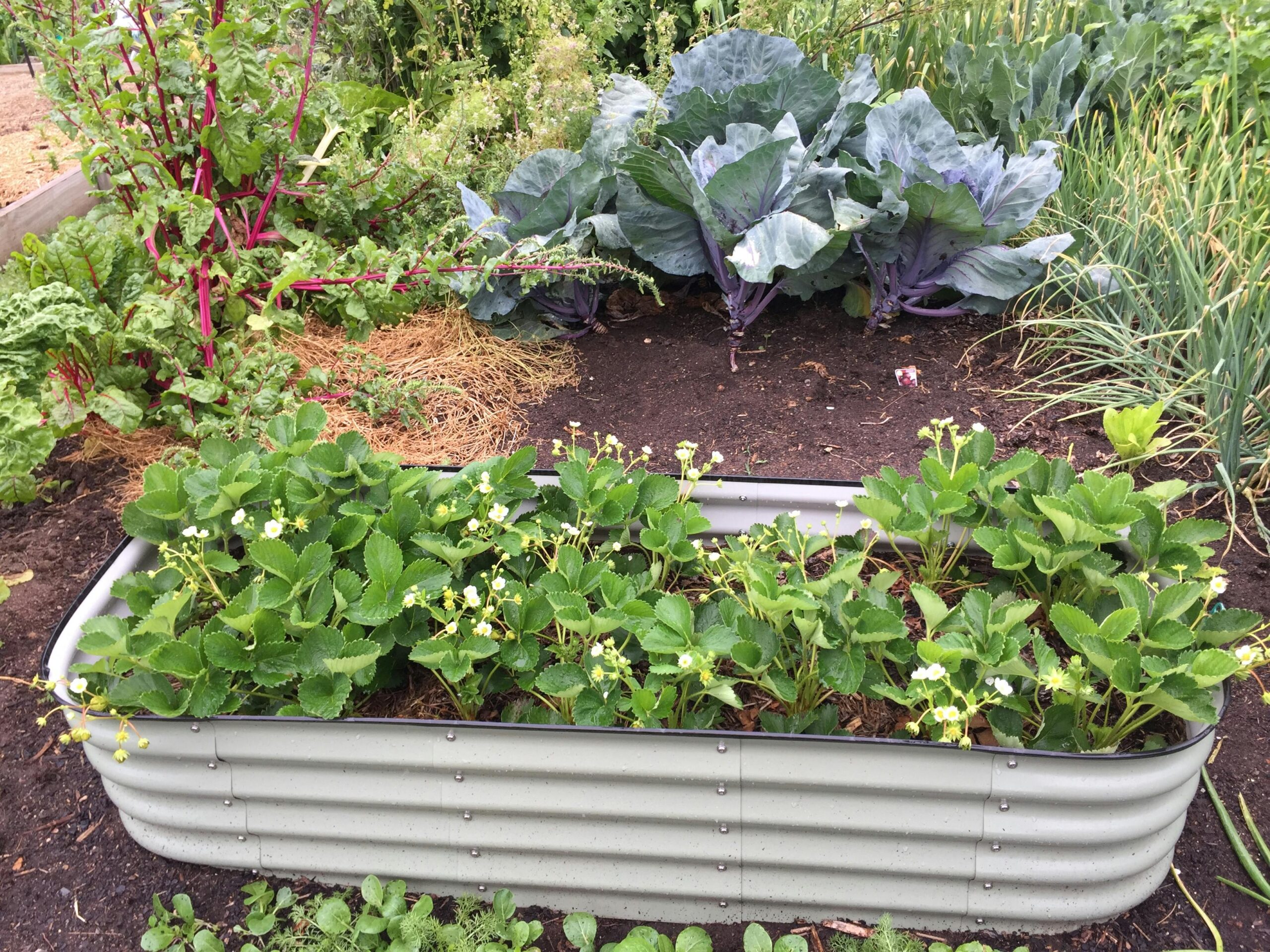
- Raised Beds: Ideal for controlling soil quality and drainage.
- In-Ground Rows: Great for larger plots and root crops.
- Square Foot Gardening: Maximize production in small spaces.
- Keyhole Beds: Efficient for compost integration and watering.
Step 3: Companion Planting
Planting compatible crops together boosts growth and reduces pests:
- Tomatoes with basil and onions
- Carrots with onions or leeks
- Beans with corn or squash
- Marigolds to deter insects
Rotate families each season to maintain soil fertility and prevent disease buildup. If you are looking for more information on companion planting, you can find my guide here.
Step 4: Vertical Gardening and Space Optimization
Climbing crops like peas, beans, cucumbers, and squash can save horizontal space. Trellises, cages, or fencing help you grow more without crowding, making harvesting easier.
Step 5: Succession Planting
To maximize yield, plant in stages:
- Sow fast-growing crops like radishes or lettuce between slower-growing plants.
- Replace harvested crops with a second round to keep beds productive all season.
- Stagger plantings to avoid glut and keep a steady supply of vegetables.
Step 6: Paths, Accessibility, and Flow
Paths make watering, weeding, and harvesting easier. Use mulch or stepping stones to reduce soil compaction. Keep beds no wider than 4 feet so you can reach all plants without stepping on soil.

A Garden That Works With You
A homestead garden designed for maximum yield is more than productivity; it’s a living, breathing space that feeds both body and soul. Thoughtful layouts, companion planting, and smart bed designs reduce work and increase satisfaction, letting you enjoy more time in your kitchen than your garden.
Join Our Homestead Gardening Community
If you want step-by-step guides, visual layouts, planting schedules, and a supportive group of homesteaders learning to grow food efficiently, I’d love to invite you into my Skool community. Inside, you’ll find lessons on companion planting, succession planting, maximizing small spaces, and building a productive, sustainable garden year after year. Come join us and grow your homestead garden like a pro.

Hi, I’m Victoria!
I document our homesteading journey on YouTube: covering sourdough, fresh milled bread, gardening, and simple living. Click here to watch, learn, and be inspired to start your own homestead at home.

Comments
No Comments