
A garden that hums with bees and flutters with butterflies feels alive in a way nothing else does. Pollinators are the quiet workers behind healthy harvests, abundant flowers, and thriving homestead gardens. One of the simplest ways to invite them in is by planting native plants: the flowers, shrubs, and grasses they’ve relied on for generations.
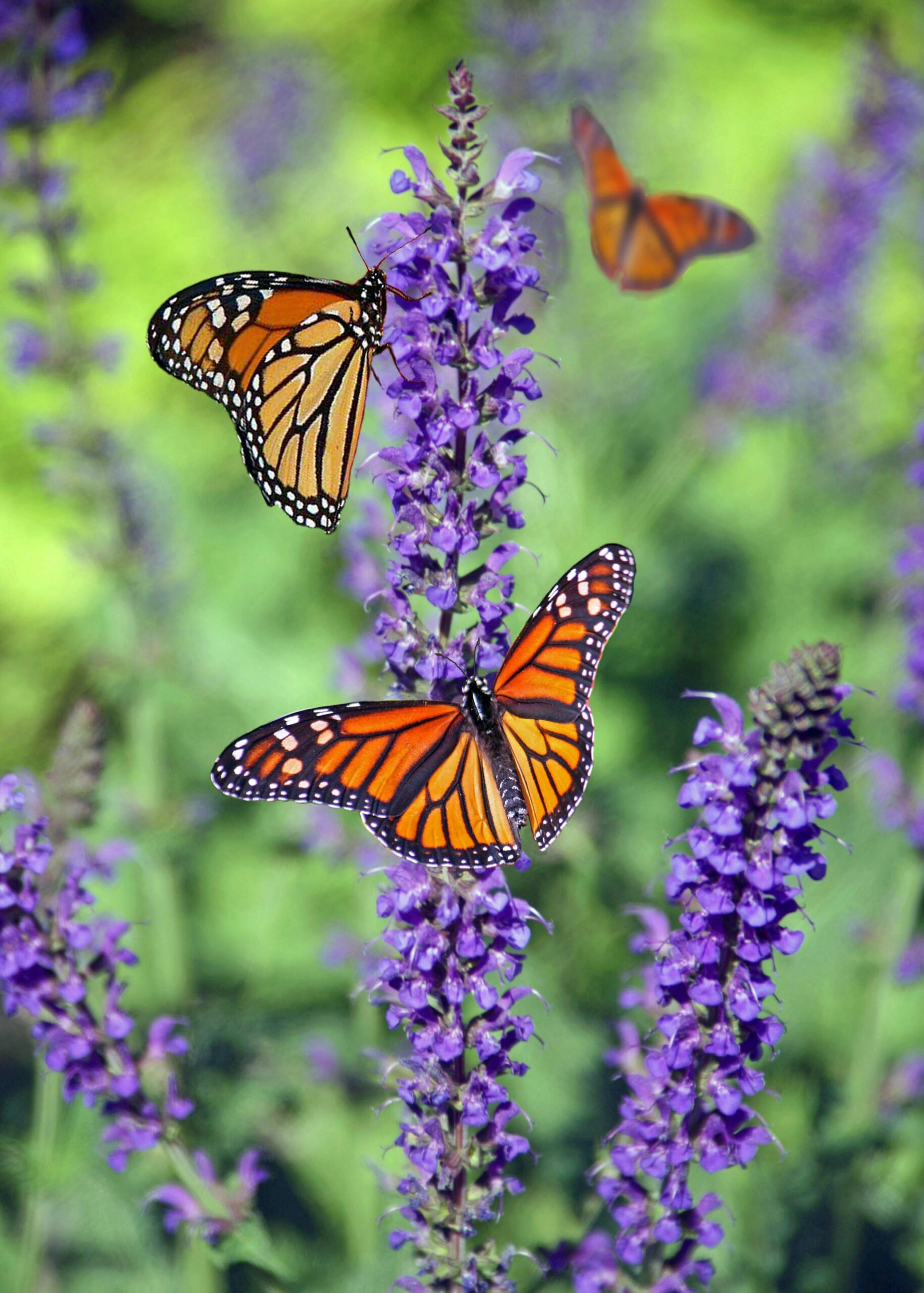
Native plants are perfectly adapted to your local climate, require less maintenance, and provide the nectar and habitat pollinators need most. Below, you’ll find a region-by-region guide to native plants that attract pollinators so you can grow a garden that supports both beauty and abundance.
My sourdough was flat and business was slow
When I first started homesteading, my sourdough was dense and flat, my garden struggled, and it seemed like I was scrambling to get people to notice my business, let alone, buy my products. And for a time, I burnt out.
After years of trial and error, analyzing hundreds of businesses from other sectors, and just pure grit...
I created a free Zero to Homestead Skool Community: a place where homesteaders of all levels share wins, troubleshoot challenges, and get guidance from experienced peers. By joining, you’ll access step-by-step guides to build traditional skills (sourdough, fresh milled flour, traditional foods, preserving, livestock, gardening, and more) plus full courses, workshops, and homestead business-building resources with a supportive network to help your homestead thrive.
Why Native Plants Matter for Pollinators
Native plants and pollinators evolved together. This means native bees, butterflies, moths, birds, and beneficial insects recognize these plants as food and shelter.
Benefits of native plants include:
- Higher nectar and pollen value
- Less water and maintenance
- Better resistance to pests and disease
- Stronger pollinator populations
A pollinator-friendly garden isn’t just helpful. It’s essential.
Native Pollinator Plants by Region
Northeast (U.S.)
Cold-hardy natives thrive in changing seasons and support early and late pollinators.
- Bee Balm (Monarda)
- Purple Coneflower
- Milkweed (essential for monarchs)
- Black-Eyed Susan
- Goldenrod
Southeast (U.S.)
Warm, humid climates support a wide range of flowering natives.
- Coreopsis
- Passionflower
- Blazing Star (Liatris)
- Buttonbush
- Native Azaleas
Midwest (U.S.)
Prairie plants shine here, offering deep roots and abundant blooms.
- Prairie Clover
- Wild Bergamot
- New England Aster
- Joe-Pye Weed
- Compass Plant

Southwest (U.S.)
Drought-tolerant plants thrive while supporting desert pollinators.
- Desert Marigold
- Penstemon
- Agave
- Blanket Flower
- Brittlebush
Pacific Northwest (U.S.)
Moist climates favor natives that bloom long and support bees year-round.
- Red-Flowering Currant
- Oregon Grape
- Yarrow
- Douglas Aster
- Salal
Mountain West
High elevations benefit from tough, resilient pollinator plants.
- Rocky Mountain Bee Plant
- Blue Flax
- Blanket Flower
- Western Coneflower
- Lupine
Tips for Creating a Pollinator-Friendly Garden
- Plant in clusters, not single plants
- Choose a variety of bloom times
- Avoid pesticides and herbicides
- Leave some wild, undisturbed areas
- Include native grasses and shrubs
Pollinators need more than flowers; they need habitat.
Don’t Forget Native Trees and Shrubs
Many pollinators rely on flowering trees and shrubs early in the season.
Consider planting:
- Serviceberry
- Elderberry
- Redbud
- Willow
- Hawthorn
These provide critical early nectar sources.

A Garden That Gives Back
When you plant natives, you’re doing more than gardening; you’re restoring balance. Your garden becomes a place of refuge, nourishment, and quiet beauty where pollinators can thrive and your harvests grow stronger year after year.
Where to Buy Native Seeds and Plants
My favorite place to buy native seeds is from Native American Seed, and I like to buy plants from Native Gardeners for native Texas plants and seeds.
Join My Homestead Gardening Community
If you want to grow a thriving homestead garden, learn companion planting, attract pollinators naturally, and build sustainable systems from the ground up, I’d love to invite you into my Skool community. Inside, you’ll find seasonal garden plans, plant lists by region, hands-on guidance, and a welcoming group of homesteaders growing together. Come join us and cultivate a garden that truly works with nature.

Hi, I’m Victoria!
I document our homesteading journey on YouTube: covering sourdough, fresh milled bread, gardening, and simple living. Click here to watch, learn, and be inspired to start your own homestead at home.
Comments
No Comments