

The soft hum of the grain mill, the warm scent of freshly ground wheat, and a bowl of bubbling starter on the counter: this is where real bread begins. Baking sourdough with fresh milled wheat connects you to the old rhythms of the kitchen, where time, patience, and simple ingredients worked together to nourish families and fill pantries with the comfort of homemade loaves.

If you’re new to milling your own grain or baking sourdough, this complete beginner’s guide will walk you through the process, explain what makes fresh milled flour different, and help you bake your first wholesome, beautifully risen loaf with confidence.
My sourdough was flat and business was slow

When I first started homesteading, my sourdough was dense and flat, my garden struggled, and it seemed like I was scrambling to get people to notice my business, let alone, buy my products. And for a time, I burnt out.
After years of trial and error, analyzing hundreds of businesses from other sectors, and just pure grit...
I created a free Zero to Homestead Skool Community: a place where homesteaders of all levels share wins, troubleshoot challenges, and get guidance from experienced peers. By joining, you’ll access step-by-step guides to build traditional skills (sourdough, fresh milled flour, traditional foods, preserving, livestock, gardening, and more) plus full courses, workshops, and homestead business-building resources with a supportive network to help your homestead thrive.
Why Bake Sourdough with Fresh Milled Wheat?
Fresh milled wheat contains the entire grain (bran, germ, and endosperm) along with natural oils and living enzymes. When paired with long sourdough fermentation, it offers:
- Rich, nutty flavor
- Better digestibility
- Higher nutrient retention
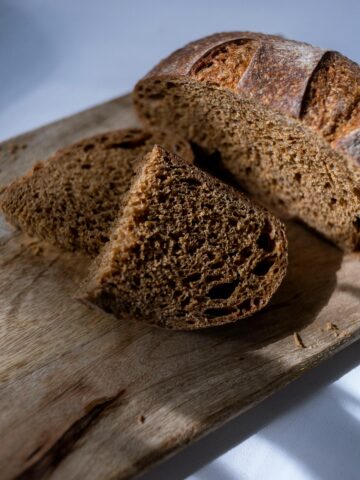
- A hearty, satisfying crumb
- A slower, more nourishing bread experience
This is bread as it was meant to be: whole, simple, and deeply nourishing.

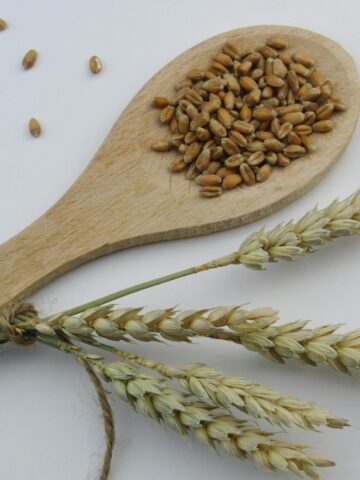
Choosing the Right Wheat Berries
For beginners, start with:
- Hard White Wheat – Mild flavor, lighter color
- Hard Red Wheat – Robust, traditional wheat taste
- Spelt or Einkorn – Softer gluten, easier to work with for some bakers
A blend of hard white wheat and a small amount of spelt or einkorn often creates a soft, well-structured loaf.
Understanding Hydration
Fresh milled flour absorbs more water than store-bought flour due to the presence of bran and germ. Expect to:
- Increase hydration by 5–15%
- Allow for resting periods (autolyse)
- Work with slightly stickier dough
A well-hydrated dough leads to better oven spring and crumb structure.
Step-by-Step: Baking Sourdough with Fresh Milled Wheat
1. Mill the Grain
Grind wheat berries just before baking for maximum freshness and nutrition.
2. Mix & Autolyse
Combine fresh flour and water. Rest 30–60 minutes to fully hydrate the bran.
3. Add Starter & Salt
Mix in active sourdough starter and sea salt until incorporated.
4. Bulk Fermentation
Let dough ferment 3–5 hours, performing stretch-and-folds every 30 minutes during the first 2 hours.
5. Shape & Proof
Shape gently and proof at room temperature or overnight in the refrigerator.
6. Bake
Bake in a preheated Dutch oven or on a baking stone for optimal crust and oven spring.

Common Beginner Challenges
Dense Loaf: Increase hydration and fermentation time.
Spreading Dough: Add more strength through folds and reduce water slightly.
Sour Flavor: Shorten fermentation or reduce starter amount.
Gummy Crumb: Bake longer and allow full cooling before slicing.
A Skill That Grows with You
Baking sourdough with fresh milled wheat is a journey of patience and practice. Each loaf teaches you how the grain, the starter, and your environment work together. Over time, you’ll learn to read the dough by feel, scent, and movement just as bakers did generations ago.
Join Our Homestead Baking Community
If you’re ready to deepen your skills with sourdough and fresh milled flour, I’d love to welcome you into my online homestead community. Inside, you’ll find step-by-step lessons, troubleshooting help, printable guides, and a supportive group of homesteaders learning traditional baking together. Come grow your confidence, share your loaves, and build a nourishing kitchen one freshly milled, naturally leavened loaf at a time.


Comments
No Comments