
This post contains affiliate links. This means I earn a small commission at no cost to you. You can view my affiliate disclosure here.
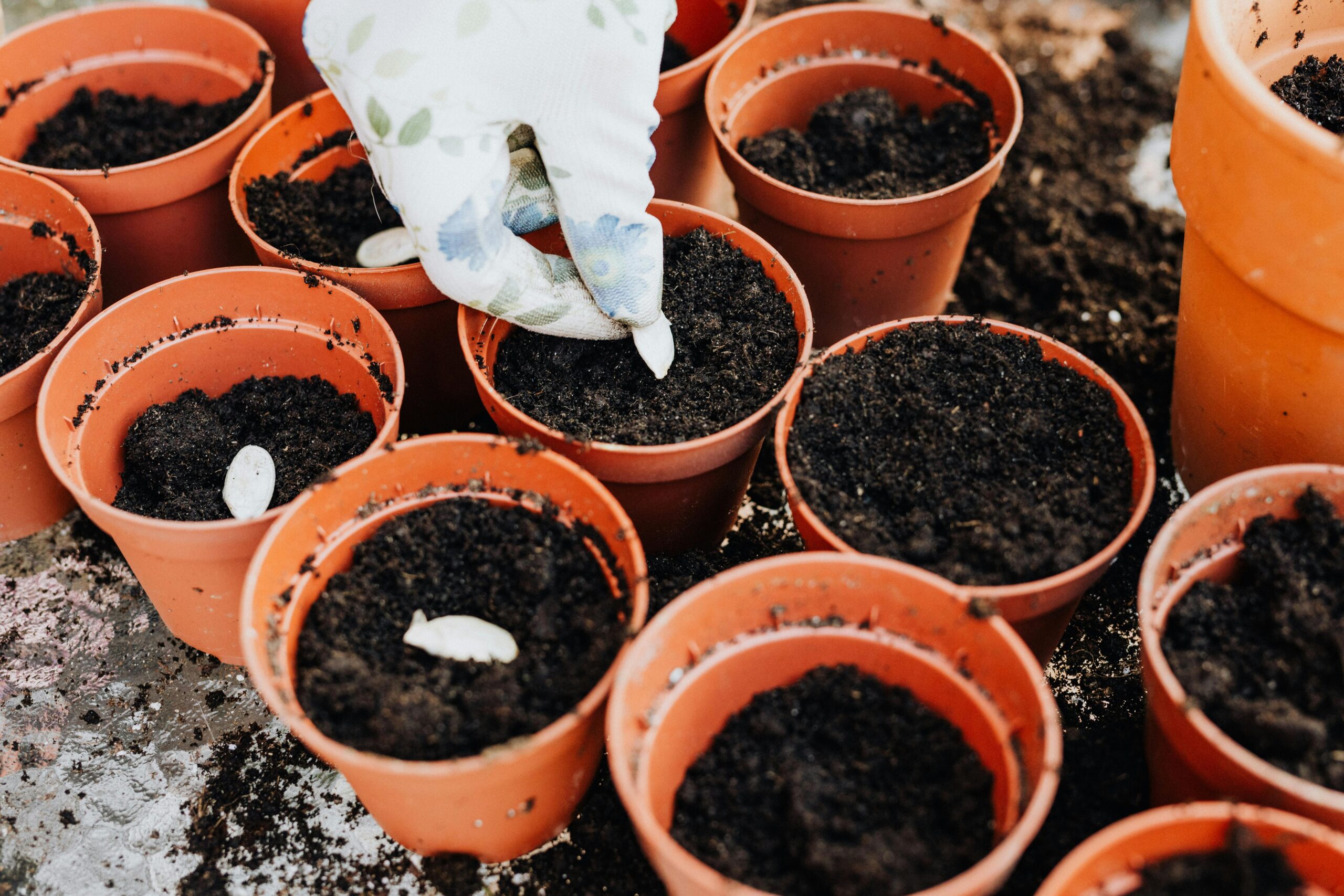
Knowing when to start seeds indoors can make the difference between strong, productive plants and leggy seedlings that struggle all season.

Outside, the ground might still be frozen or soggy with winter rain but inside, on a sunny windowsill or under a simple shop light, tiny green promises are waking up. Starting seeds indoors feels like getting a head start on spring… but starting too early can quietly sabotage your garden before it ever reaches the soil.
If you’ve ever ended up with leggy tomatoes, root-bound peppers, or stressed plants that never quite recovered after transplanting, this one’s for you.
Let’s walk through when to start seeds indoors, how to time it right, and which seeds are better off waiting, no fancy setups or complicated charts required.
My sourdough was flat and business was slow
When I first started homesteading, my sourdough was dense and flat, my garden struggled, and it seemed like I was scrambling to get people to notice my business, let alone, buy my products. And for a time, I burnt out.
After years of trial and error, analyzing hundreds of businesses from other sectors, and just pure grit...
I created a free Zero to Homestead Skool Community: a place where homesteaders of all levels share wins, troubleshoot challenges, and get guidance from experienced peers. By joining, you’ll access step-by-step guides to build traditional skills (sourdough, fresh milled flour, traditional foods, preserving, livestock, gardening, and more) plus full courses, workshops, and homestead business-building resources with a supportive network to help your homestead thrive.
Why Timing Matters More Than You Think
Starting seeds indoors isn’t about impatience; it’s about strategy.
Plants that are started at the right time grow stronger stems, develop healthier root systems, transition outdoors with less stress, and produce earlier and more reliably. Plants started too early, on the other hand outgrow their containers, become leggy and weak, suffer transplant shock, and stall or underperform all season.
The goal isn’t the biggest seedling. It’s the right-sized plant at the right moment.
The Simple Rule for When to Start Seeds Indoors
Instead of guessing or following someone else’s planting date, anchor everything to your last average frost date.
From there, most seed packets will say something like:
“Start indoors 6–8 weeks before last frost”
That’s your golden window.
If you don’t know your frost date, a quick lookup by ZIP code will get you close enough for home gardening purposes.
Once you have that date, you can count backward and suddenly seed starting feels calm instead of chaotic.
Seeds That Love Being Started Indoors
These plants benefit from a longer growing season and usually transplant well when started at the right time. I prefer to purchase seeds from Johnny's, High Mowing Organic Seeds (affiliate link with discount code), Botanical Interests/Epic Gardening (affiliate link with discount code), and Baker Creek.
Tomatoes
Start 6–8 weeks before last frost
Tomatoes are the classic indoor seed-starting crop for a reason. They grow quickly, transplant easily, and reward good timing with earlier harvests.
Peppers
Start 8–10 weeks before last frost
Peppers are slow to germinate and slow to grow, especially in cooler homes. Starting them early (but not too early) gives them the head start they need.
Eggplant
Start 8–10 weeks before last frost
Eggplant thrives on warmth and time. Indoor starting is almost essential in most climates.

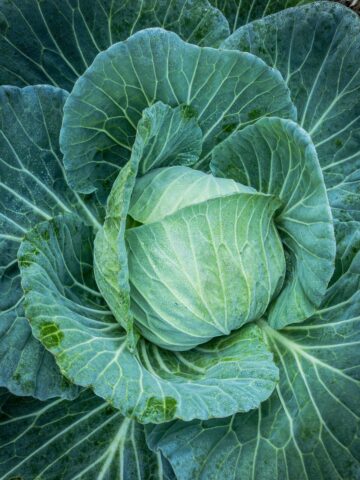
Brassicas (Broccoli, Cabbage, Cauliflower, Kale)
Start 4–6 weeks before last frost
These cool-weather crops don’t need a huge head start and starting them too early can actually reduce yields.
Herbs (Some, Not All)
- Basil: 4–6 weeks before last frost
- Parsley: 8–10 weeks (slow germinator)
- Thyme & oregano: 8–10 weeks
What You Shouldn’t Start Too Early (Or Indoors at All)
This is where a lot of gardeners, especially beginners, get tripped up.
Some plants simply do not like being transplanted, no matter how carefully you try.
Root Crops
These are almost always better direct sown:
- Carrots
- Beets
- Radishes
- Turnips
They form their harvest underground, and disturbing the root early can cause splitting, stunting, or misshapen crops.
Fast Growers
These grow so quickly that indoor starting offers little benefit:
- Lettuce
- Spinach
- Arugula
If started too early indoors, they often bolt or struggle when moved outside.
Squash, Cucumbers & Melons
If you start these indoors at all, it should be no more than 2–3 weeks before transplanting.
Any earlier and you’ll end up with tangled roots, oversized vines, and plants that resent being moved. Many gardeners find direct sowing these crops is simpler and more successful.
Signs You Started Seeds Too Early
If you’re looking at your seedlings and feeling uneasy, here are a few red flags:
- Tall, thin stems that can’t stand on their own
- Yellowing lower leaves
- Roots circling the bottom of containers
- Plants flowering while still indoors
If this happens, don’t panic, but do adjust your timing next season. And remember that gardening is all about experience. Every year teaches you something.
A Gentle Reminder: You Don’t Need Fancy Equipment
You don’t need a greenhouse.
You don’t need a $300 grow light.
You don’t need to start everything at once.
A simple setup: good soil, consistent moisture, decent light, and proper timing will outperform the most expensive gear used too early.
Slow and steady really does grow the strongest plants.
How to Create a Seed Starting Schedule That Actually Works
Here’s a simple approach that won’t overwhelm you:
- Write down your last frost date
- Choose 5–8 crops you truly love to eat
- Check each seed packet for indoor start timing
- Stagger your starts instead of planting everything the same day
This keeps your space manageable and your plants healthier.
If you're looking for a more comprehensive guide to seed starting, I have one here.
You Don’t Have to Figure This Out Alone
If you’re craving a calmer, more confident approach to gardening, one that fits real life, small spaces, and busy seasons, you’d love what we’re building inside my Skool community.
Inside, we share:
- Simple seed-starting tips
- Beginner-friendly gardening guidance
- Seasonal reminders
- A place to ask questions without judgment
It’s a cozy corner of the internet for people who want to grow food, learn skills, and build a slower, more rooted life one seed at a time.
Come join us inside Skool and start this season with clarity instead of chaos.

Hi, I’m Victoria!
I document our homesteading journey on YouTube: covering sourdough, fresh milled bread, gardening, and simple living. Click here to watch, learn, and be inspired to start your own homestead at home.

Comments
No Comments